- Published by:
- Department of Education
- Date:
- 4 Mar 2026
The Early Childhood Update e-newsletter is sent to early childhood teachers and workers, but is open to anyone interested in best practice in early years education and evidence-based teaching approaches. Subscribe here to receive the e-newsletter(opens in a new window).
Celebrate our diverse and strong communities
Embracing inclusion is key to children’s development.
Dear colleagues
I hope it has been a smooth start to the year at your service and that everyone has settled in well. March is upon us and it’s shaping up to be another significant month for the sector.
In late February, new child safety laws came into effect. They include mandatory training and a new national register. They also set out a requirement for the safety, rights and best interests of children to be the paramount consideration for all decision makers in the sector. You can read more about them here to inform your ongoing work to safeguard the safety, health and wellbeing of the children in your care.
Later this month, we celebrate Cultural Diversity Week (Saturday 21 to Sunday 29 March 2026). It’s a great time to celebrate our state’s diverse and strong multicultural communities.
Embracing diversity and inclusion is vital to children’s learning and development. Personal, family, and cultural backgrounds all shape a child. Respecting diversity is how early childhood professionals can help children learn best, starting with a sense of welcome and belonging.
To make sure all Victorian children get the best start in life, Free Kinder is available to all families, no matter their visa status. Refugee and asylum seeker families can access extra funded hours. We spoke to 3 families about their experiences and you can hear what they had to say here.
As we settle into 2026, it’s also time to start looking ahead to enrolments for next year. In this edition, we share resources to help you promote your service this enrolment period.
This month, we’re inviting parents and carers of Aboriginal and Torres Strait Islander children to share their feedback on the Koorie Kids Shine program to make sure the program remains effective in respectfully engaging with families and the community.
The Best Start, Best Life Evening Leadership Series is back for 2026, with the next event taking place on Thursday 26 March. It’s a great opportunity for leaders and aspiring leaders to learn how they can support and strengthen their practice as the reforms continue.
International Women’s Day is on Sunday 8 March. It’s a chance for everyone to celebrate women’s social, economic, cultural and political achievements. Find out how you can mark the day at the International Women’s Day website.
Finally, I’d like to reiterate the department’s appreciation for you, the early childhood education workforce. Your skill and professionalism continue to make a profound difference in the lives of children and families every day. Thank you for your vital work in supporting children’s development and strengthening our communities.
I invite you all to read and share this month’s edition with your colleagues and take time to celebrate Cultural Diversity Week with your colleagues and the children and families in your service community.
Wishing you all the best for the month ahead.
Bronwen FitzGerald
Deputy Secretary
Early Childhood Education
Child safety reforms – new laws take effect to strengthen safeguards
National mandatory child safety training and a National Early Childhood Worker Register are among new laws that came into effect from 27 February 2026.

The safety, rights and best interests of children will be the paramount consideration for all decision makers in the early childhood education and care (ECEC) system – this is one of many changes to national and Victorian law that came into effect on 27 February 2026.
These changes follow those in December 2025 and January 2026 and put in place stronger safeguards to protect Victorian children from harm.
Further changes
The new paramount consideration extends the existing Guiding Principles of the National Law, making it a statutory duty for the safety, rights and best interests of children to underpin every level of decision-making in all areas of a service, from recruitment through to the delivery of education and care.
The Australian Children’s Education and Care Quality Authority (ACECQA) has published an information sheet with further information.
Child safety and child protection training now mandatory for all ECEC staff
All ECEC staff must now complete child safety training and child protection training.
The training assists staff to understand the child safety framework and requirements for keeping children safe.
See the ACECQA Child Safety and Child Protection Training webpage for specific training requirements that apply to each category of worker and volunteer in each jurisdiction.
Child safety training
All persons with management or control, persons in day-to-day charge, nominated supervisors, Family Day Care coordinators, staff, volunteers and students will need to complete new mandatory child safety training (foundation modules) by Thursday 27 August 2026.
This national training was developed by the Australian Centre for Child Protection and is available online at the Australian Government’s website.
Child protection training
There are also new requirements under the National Law to complete child protection training.
In Victoria, nominated supervisors, persons in day-to-day charge, Family Day Care coordinators, and staff and volunteers who work directly with children must complete the Department of Education’s online module, Protecting Children - Mandatory Reporting and Other Obligations (PROTECT), to meet child protection training requirements.
This must be completed by 27 August 2026 and then completed every year.
Staff and volunteers who don’t work directly with children will meet their child protection training requirement by completing the national child safety training (foundation modules). This is available online at the Australian Government’s website. More information about child protection training requirements, including recognition of prior completion, can be found at the Department of Education’s website.
National Early Childhood Worker Register
Approved providers are now required to record information about service leadership, staff and volunteers in the National Early Childhood Worker Register. Providers must enter required information into the Register by Friday 27 March 2026.
With the establishment of the National Early Childhood Worker Register, Victorian services will no longer be required to update the Victoria Early Childhood Workforce Register on the Arrival system. This means that you won’t need to maintain two registers, once the worker and volunteer information is on National Register.
Victoria has worked closely with ACECQA to ensure that the National Register delivers the level of information that the Victorian Register has provided since it was established as a nation-leading initiative in 2025. In line with recommendations from the Rapid Child Safety Review, Victoria led advocacy for a National Register of workers, given the cross-border nature of many services and workers. This advocacy has led to the National Register being enshrined in law, and now launched.
VECRA will use the National Register to support its work in regulating all Victorian services. VECRA will be able to access information held in the Victorian Register from the department on request, to support investigations that cover the period before the National Register was in place.
For more information about the National Early Childhood Worker Register, see the ACECQA website.
Find out more
- Mandatory national child safety training webpage, which includes frequently asked questions
- Child safety reforms: National and Victoria-specific legislative changes, including details about upcoming information sessions
- Child protection in early childhood: online learning
More kinders open on school sites
A new kindergarten in Melbourne’s west is one of 24 set to open on government school sites this year, with more confirmed to open in 2027 and 2028.
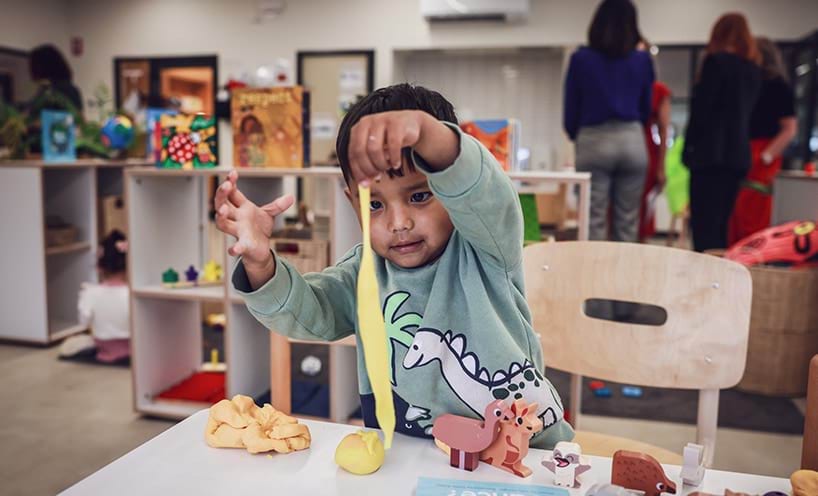
24 kindergartens on government school sites are set to open their doors this year.
The new kindergartens will add more than 3,250 places, making quality kindergarten programs more accessible for families. Not-for-profit organisations and local governments specialising in kindergarten delivery will run the programs. This includes areas where Pre-Prep is now available.
Building kindergartens close to schools makes drop-off easier for parents and carers. It can also provide a smoother transition for children to primary school.
By the end of 2026, the government will have opened 104 kindergartens on school sites since 2019.
Another 25 kindergartens have been confirmed to open on government school sites in 2027 or 2028 with more locations set to be announced this year.
See the list below for details of all confirmed kindergartens on school sites, by opening year.
In addition to kindergartens on school sites, this year a further 35 new or expanded kindergartens are opening at council, non-government school and other sector sites, supported by Building Blocks Partnerships and Capacity Building grants.
These projects will create more than 4,200 kindergarten places.
Meeting the demand
One of the new kindergartens to open in 2026 is Glengala Kindergarten in Sunshine West, with places for up to 118 children. It is located at Glengala Primary School.
Sessional Kindergarten manager Melanie Peters said the proximity to the school would be beneficial for both children and families, particularly in supporting transitions to school.
‘Children become familiar with the school environment throughout their kindergarten year, regularly seeing older students, classrooms, playground spaces, and school staff,’ she said.
‘Transition sessions can feel less intimidating, as the setting is already known and comfortable. This builds confidence and reduces anxiety for both children and families.’
Melanie said the new kindergarten would also be beneficial for the local community.
‘We are proud to foster a kindergarten community with a shared vision that respects and celebrates each family’s culture, ideas, and identity,’ she said.
‘It will act as a hub for connection, creating meaningful opportunities for families, children, educators, and community organisations to come together.’
New 2026 locations
- Oberon Kindergarten, Belmont
- Biyala Kindergarten, Armstrong Creek
- Bakewell Street Kindergarten, Cranbourne
- Kala Kindergarten, Cranbourne North
- Kulap Kindergarten, Clyde
- Croydon Hills Kindergarten, Croydon Hills
- Gladstone Views Kindergarten, Gladstone Park
- Gordon Kindergarten, Gordon
- Marshalltown Road Kindergarten, Grovedale
- Horsham Kindergarten, Horsham
- Kerribana Kindergarten, Leneva
- St Aidan’s Road Kindergarten, Kennington
- Lysterfield Kindergarten, Lysterfield
- Minindee Road Kindergarten, Manor Lakes
- Gaambi Djinang Kindergarten, Nagambie
- Reservoir Views Kindergarten, Reservoir
- The Lakes South Morang Kindergarten, South Morang
- Glengala Kindergarten, Sunshine West
- Ralph Street Kindergarten, Sunshine West
- Catterick Crescent Kindergarten, Tralagon
- Muyan Kindergarten, Wallan
- Westgrove Kindergarten, Werribee
- Wirrigirri Kindergarten, Wollert
- McLean Street Kindergarten, Yarrawonga
New 2027 locations and interim names
- Aintree North Primary School Kindergarten (interim name), Aintree North
- Benalla P-12 College – Clarke St Campus Kindergarten (interim name), Benalla
- Balambalam Primary School Kindergarten (interim name), Clyde North
- Mirniyan Primary School Kindergarten (interim name), Clyde North
- Kialla West Primary School Kindergarten (interim name), Kialla West
- Carwatha College P-12 Kindergarten (interim name), Noble Park North
- Rosamond Road Footscray Kindergarten (interim name), Maidstone
- Narrarrang Primary School Kindergarten (interim name), Port Melbourne
- Rochester Secondary College Kindergarten (interim name), Rochester
- Seville Primary School Kindergarten (interim name), Seville
- Skye Primary School Kindergarten (interim name), Skye
- Sunbury College Kindergarten (interim name), Sunbury
- Yurran P-9 College Kindergarten (interim name), Werribee South
- Iramoo Primary School Kindergarten (interim name), Wyndham Vale
- Willow Grove Primary School Kindergarten (interim name), Willow Grove
New 2028 locations and interim names
- Ararat West Primary School Kindergarten (interim name), Ararat
- Coburg North Primary School Kindergarten (interim name), Coburg
- Wiyal Primary School Kindergarten (interim name), Fraser Rise
- Longford Primary School Kindergarten (interim name), Longford
- Mickleham Primary School Kindergarten (interim name), Mickleham
- Mickleham Secondary College Kindergarten (interim name), Mickleham
- Neerim South Primary School Kindergarten (interim name), Neerim South
- Noble Park Primary School Kindergarten (interim name), Noble Park
- Burke Street Warragul Kindergarten (interim name), Warragul
- Yarram Primary School Kindergarten (interim name), Yarram.
Find out more
For more information, refer to Kinders at schools(opens in a new window).
Reflections on a milestone year for early childhood education
Early Learning Victoria has made its mark – as exemplified by the work at Nyernilang Lar in Eaglehawk North.
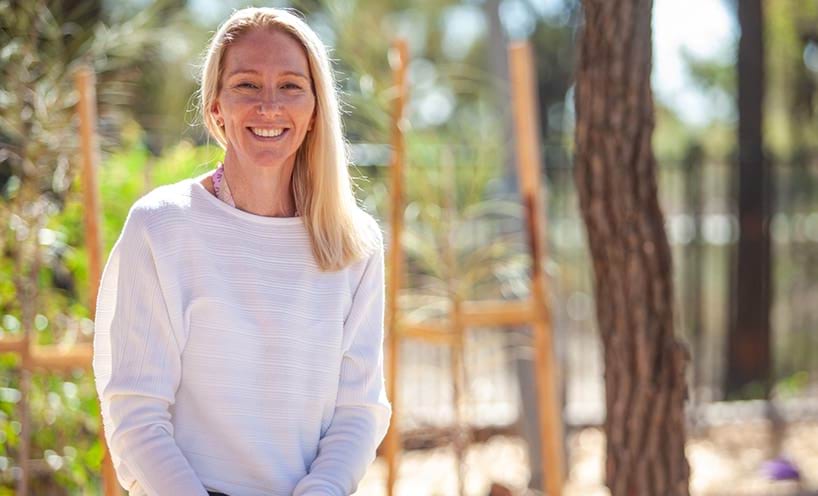
Last year marked a landmark chapter in early childhood education in Victoria, with the launch of Early Learning Victoria.
The Victorian Government has committed to establishing 50 government owned and operated early learning centres by 2032. These centres are part of the Best Start, Best Life(opens in a new window) reforms designed to improve access to early education and care.
At the beginning of 2025, the first 4 centres opened. A further 14 opened in January 2026.
Among the first 4 of these centres was Early Learning Victoria Nyernilang Lar in Eaglehawk North. Nyernilang Lar means ‘learning place’ in the language of the Dja Dja Wurrung people. The name was chosen in partnership with Traditional Owners.
A year of growth, belonging and quality teaching
Nyernilang Lar has 5 learning rooms and vibrant outdoor areas. The spaces support children’s growth, curiosity, and agency. Educators have brought a high-quality, play-based curriculum to life for all age groups. This has led to joyful learning every day.
Inaugural centre director Kylie Banks-Broome said being part of one of the first sites was ‘incredibly special.’
‘The last 12 months was a journey of growth in every sense,’ Kylie said.
‘We are learning alongside the children, building and refining our practices, building strong relationships.’
The centre combines long day care with kindergarten programs, with qualified early childhood teachers in each kindergarten-age room.
‘Nyernilang Lar’s pedagogical approach supports children’s development,’ Kylie said.
‘[It does this] by recognising them as capable, confident and engaged learners whose choice, consent and control is honoured.’
Championing safety, inclusion and respect
The team at Nyernilang Lar has worked hard to create a positive culture where every child feels seen, heard, supported and valued.
‘Children provide feedback on everything from menus to daily routines, helping us adopt practices that support their learning and wellbeing,’ Kylie said.
‘Nurturing relationships let children be themselves and feel safe.’
Driving change through professional growth
The workforce at Early Learning Victoria are creating inclusive environments where children thrive. Employees receive wages and benefits in line with industry benchmarks and Victorian public sector standards.
Educators at Nyernilang Lar have helped to define what modern and inclusive early childhood practice looks like in action.
‘Working at Early Learning Victoria is an exciting opportunity to be part of a movement shaping the future of early childhood education,’ Kylie said.
‘The focus on career progression and professional growth supports us in driving change.’
Looking ahead
Early Learning Victoria chief executive officer Darren Youngs said its future is built on people.
‘When educators feel valued, supported and secure in their work, they can do what they do best — build strong, nurturing relationships with children and families,’ he said.
‘As we continue to grow Early Learning Victoria, we are creating meaningful career pathways and great places to work, because we know that when our workforce thrives, children thrive too.’
Find out more
If you have any questions about the centres, contact Early Learning Victoria:
For more information visit the Early Learning Victoria(opens in a new window) website.
Regulatory fee increase to support regulation and child safety
An increase to annual service fees will support a strengthened early childhood education and care sector.
On Friday 20 February 2026, Education Ministers agreed to increase fees charged to early childhood education and care (ECEC) providers. The increase will contribute to the costs of regulation. It will come into effect in the 2026-2027 financial year, with the date to be confirmed.
Commonwealth, State and Territory Education Ministers have been clear that child safety is paramount. Effective regulation is critical to monitoring how providers deliver safe and high-quality services.
In recent months, major reforms in early childhood have strengthened the National Law, given regulators more powers, and made it harder for bad actors to put children at risk. The Victorian Government has invested $137 million in its response to the Rapid Child Safety Review. It also established the Victorian Early Childhood Regulatory Authority (VECRA) on 1 January 2026, with more authorised officers making more compliance visits more often.
What the increases mean for Victorian service providers
Increases in Victoria will be scaled for different types of providers and services.
The New South Wales (NSW) Government is also making these changes, creating consistency in the states with the most services.
It is intended that revenue from fee increases will be paid to the Victorian and NSW regulatory authorities.
For services in Victoria and NSW, fees will increase by CPI and 10% alongside changes for Australian Capital Territory, Tasmanian and South Australian services, but also have an additional increase (based on service size, provider size and type). Combined, these mean that in Victoria the increases will be:
- 3.3-fold, for sessional kindergartens and services run by small not-for-profit providers
- 7.7-fold for services run by large not-for-profit providers (note that sessional kindergarten services run for large not-for-profits will only have a 3.3-fold increase)
- 5.5-fold for services run by small for-profit providers
- 11-fold for services run by large for-profit providers.
Service size categories
- For centre-based services: small (≤ 24 places); medium (25-80 places); large (81-100 places); extra-large (≥101 places)
- For family day care services: small (≤ 5 educators); medium (6-20 educators); large (21-60 educators); extra-large (≥61 educators).
Provider size categories
- small (fewer than 25 services)
- large (25 services or more).
Find out more
The full detail of these fees for the 2026-27 year will be published on The Australian Children’s Education & Care Quality Authority website. If you wish to discuss how to manage any specific impact on your service, please contact your local Early Childhood Improvement Branch.
Koorie Kids Shine
Have your say about the Koorie Kids Shine program and help promote consultation with families, by 18 May 2026.

The department has engaged Karabena Consulting, an Indigenous-owned business, to review the Koorie Kids Shine program. The review aims to ensure that the program remains effective in respectfully engaging families and the community as we move into expanded kindergarten hours.
To support the review, services are encouraged to:
- share a survey with Aboriginal and Torres Strait Islander families at your service
- nominate staff to provide operational feedback through a staff survey.
Families of Aboriginal and Torres Strait Islander children aged zero to 8 years can take part in the survey. In selected locations, Karabena will also host in-person parent and carer forums.
Access the survey and share it with families and staff
To access the survey for families, refer to Koorie Kids Shine survey for Community.
Families can also register to attend a parent and carer forum by Monday 18 May 2026 here: Koorie Kids Shine Review Workshops & Forums
To access the staff survey, refer to Koorie Kids Shine survey for kinder staff.
The surveys close Monday 18 May 2026.
Participation is voluntary. Survey responses are anonymous.
The research is endorsed by the department and has ethics approval (AIATSIS REC-0652), which ensures handling of personal information in accordance with relevant legislative and ethical requirements.
Template text to share with families
The Department of Education is inviting parents and carers of Aboriginal and Torres Strait Islander children aged zero to 8 years to take part in a survey.
The survey is part of a review of the Koorie Kids Shine program.
The program supports Aboriginal and Torres Strait Islander families in Victoria by showing the benefits of kindergarten.
Your feedback will help the department make sure the program supports families in a respectful and effective way.
The survey will take about 15 minutes and closes on Monday 18 May 2026 at 4pm.
I encourage you to share your views by completing the survey.
To access the survey, refer to Koorie Kids Shine survey for Community. Responses are anonymous.
In-person parent and carer forums will also be held in selected locations. Catering will be available and children are welcome. For locations and to register, refer to Koorie Kids Shine Review Workshops & Forums.
Find out more
For further enquiries about the Koorie Kids Shine program, contact the KKS team by email: early.years.participation@education.vic.gov.au
Promoting 2027 kindergarten enrolments
Drive enrolments and promote your service.
To help your service promote kindergarten enrolments for 2027, Enrolment Communications Packs are now available. The packs contain sample newsletter text and social media content.
There are two packs:
- services in the 30 regional local government areas delivering Pre-Prep to all children in 2027 should use the 2027 Local Government Areas pack
- all other services should use the Victoria-wide pack.
Across Victoria, children who enrol for Three-Year-Old Kindergarten in 2027 will be eligible for between 16 and 25 hours of Pre-Prep from 2028, if they:
- have a Commonwealth concession card (or their parent or guardian does)
- come from a multiple birth (triplets or more)
- live in a local government area where Pre-Prep is rolling out.
It is important to have an early conversation with eligible families about their options for Pre-Prep. You can use the Conversations with families about Pre-Prep resource.
Further resources
For further resources, refer to the Communicating about kindergarten to your community(opens in a new window) webpage.
Find out more
For further enquires, contact the Change Management team by email: bsbl.change.management@education.vic.gov.au(opens in a new window)
Best Start, Best Life Evening Leadership Series
Register for the next event in the free series. It takes place on 26 March 2026.
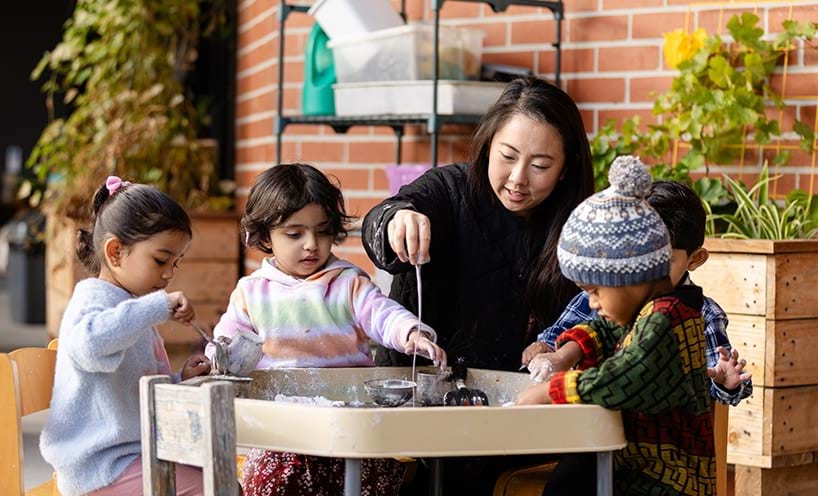
The Best Start, Best Life Evening Leadership Series supports Victoria’s early childhood service and organisational leaders as they implement the Best Start, Best Life (BSBL) reforms.
The next event, Best Start, Best Life: Maintaining quality through change, will take place on Thursday 26 March 2026 and will be a live streamed webinar.
The event will focus on how leaders can support and strengthen quality practice during reform. It will include a panel conversation with practical insights and reflections to support leaders.
The interactive webinar will include polls, reflective prompts and a moderated question and answer session.
Attendees will hear from a panel of early childhood leaders, including:
- Professor Patricia Eadie, Director of the Research in Effective Education in Early Childhood Centre, University of Melbourne
- Karen Weston, Chief Executive Officer, Gowrie Victoria
- Catharine Hydon, director and principal consultant, Hydon Consulting.
This event is open to leaders and aspiring leaders in early childhood education and care across Victoria, including those from approved providers, service managers, peak bodies, early years managers and committees of management.
The Best Start, Best Life Evening Leadership Series complements the Early Learning Leadership Forums by offering content online, providing various ways for leaders to engage with the BSBL reforms.
Event details
Date: Thursday 26 March 2026
Time: 6:00 pm to 7:15 pm
Format: live online
Cost: free.
Register at Best Start, Best Life evening leadership series.
Find out more
For more information, refer to:
For further enquiries, contact the Practitioner and Leadership Development team by email at ec.forums.networks@education.vic.gov.au
Apply for a Provisionally Registered Teacher Grant
More funding is now available for new Provisionally Registered Teacher Grants. Find out more and apply by 27 March 2026.
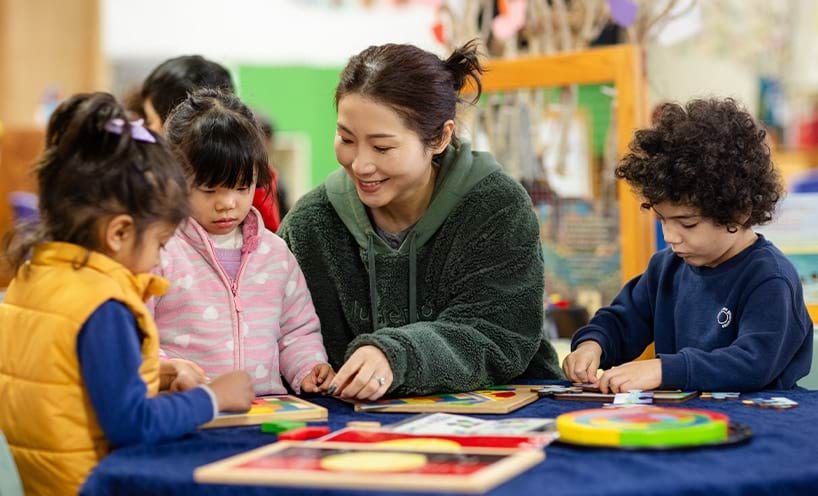
Moving from provisional to full registration with the Victorian Institute of Teaching (VIT) is an important step in a teacher’s career and demonstrates their proficiency against the Australian Professional Standards for Teachers.
The Provisionally Registered Teacher (PRT) Grants Program helps approved providers support provisionally registered early childhood teachers delivering a funded kindergarten program through this process.
Increased funding now available for new PRT applications
The grant amount for new PRT applications Round 2 2025-26 has increased from $2,872 (excl. GST) to $3,370.40 (excl. GST). This means more support is now available for professional learning, coaching and mentoring to help your PRTs move to full registration.
Applications close at 5 pm on Friday 27 March 2026.
Applications can be submitted via the PRT Grants Program Portal by an authorised representative of a service with a funded kindergarten program.
Authorised representatives must:
- discuss the application with the PRT you are seeking funding for
- provide the PRT with the privacy statement, available in the PRT Grants Program Portal.
Find out more
For further information, visit Early Childhood Provisionally Registered Teacher (PRT) Grants Program or email prt.grants.program@education.vic.gov.au
Support for the First Nations workforce
First Nations teachers and educators are encouraged to join an online network to connect and share experiences.
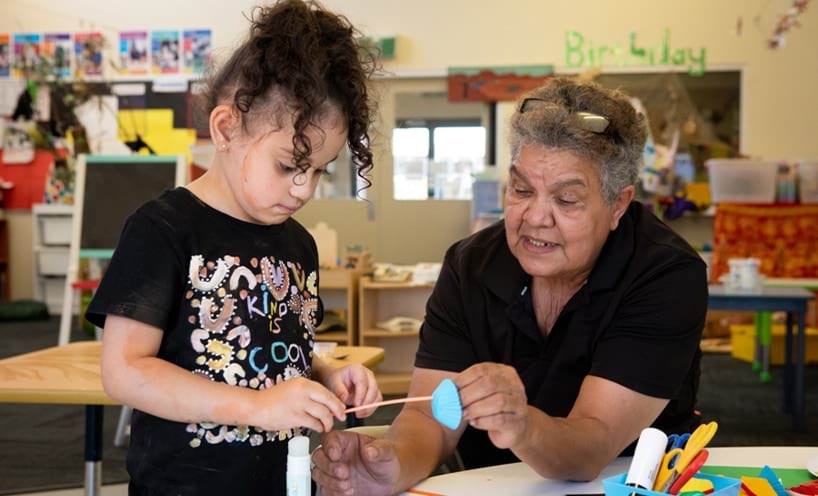
The Victorian Aboriginal Education Association Inc. (VAEAI) facilitates monthly online ‘First Nations Early Years Educator and Teachers Network’ meetings.
This network was created to provide a culturally safe community of practice for First Nations early childhood professionals.
First Nations teachers and educators working or studying in the early childhood education and care sector are encouraged to attend. Network meetings provide the chance to connect, learn from others and build skills through shared experiences and best practice.
Mob who hold early childhood qualifications, but are not working in the sector, are also welcome to join the network.
This is a great opportunity for the First Nations early years workforce to come together, yarn, build relationships, and support each other in the sector.
Find out more
To join the network, visit: VAEAI First Nations Early Years Educator and Teacher Network Registration.
Scholarship program provides more support to study
The Early Childhood Scholarship Program helped Halayna Tipping build her skills.
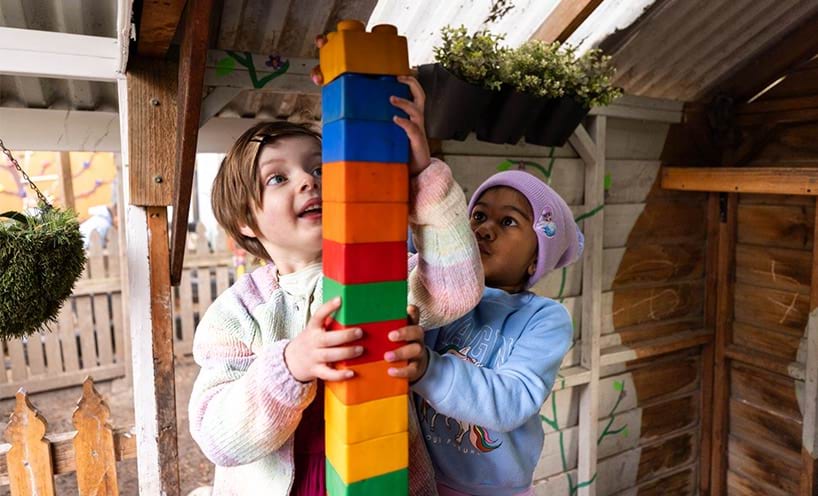
The Early Childhood Scholarship Program provides flexible financial support for people to study and succeed in an early childhood career. Eligible students can receive up to $25,000 in scholarship funding.
The program now helps current educators upskill to a Diploma of Early Childhood Education and Care, as well as helping people who want to become early childhood teachers. This change is in line with feedback from students and the sector.
The program now also offers more financial support and flexibility when it matters most.
From 1 December 2025, new Bachelor scholarship recipients will receive part of their scholarship earlier. There is a new mid-study payment to help manage study costs and keep students on track to graduate.
For new and current teaching scholarship recipients, there is also more time to find the right job after graduating. Recipients now have up to 12 months following graduation to secure a role in the sector. This extra time might help build skills and confidence.
Building skills and achieving goals
Before receiving the Early Childhood Scholarship, Halayna Tipping was already committed to early childhood education. She was working full-time in a leadership role at Long Island Early Learning Centre in Frankston. Her goal was to become a fully qualified early childhood teacher.
‘I wanted to elevate my practice and contribute meaningfully to the sector, but the financial pressure of study while working in a demanding role made the pathways harder,’ Halayna said.
Halayna received the scholarship to complete a Bachelor of Early Childhood Education and said it changed her life.
‘It removed a huge amount of financial pressure and allowed me to focus on my studies with confidence rather than stress,’ she said.
The scholarship allowed Halayna to upskill without stepping back from her leadership responsibilities.
‘It opened doors for professional growth, supported my academic journey, and gave me the reassurance that my goals were worth investing in,’ Halayna said.
Creating meaningful moments
For Halayna, the most rewarding part of her work is the connection with children and her impact on families.
‘The moments when children engage deeply in learning experiences I’ve designed, or when families tell me how supported, understood and valued they feel, are incredibly meaningful.
‘Those moments remind me why all the hard work is worth it.’
Find out more
For more information about the updated scholarships program, refer to: Financial support to study and work in early childhood.