- Published by:
- Department of Education
- Date:
- 2 Sep 2026
The Early Childhood Update e-newsletter is sent to early childhood teachers and workers, but is open to anyone interested in best practice in early years education and evidence-based teaching approaches. Subscribe here to receive the e-newsletter(opens in a new window).
Celebrating Early Childhood Educators’ Day
A day to reflect on the important work our educators do to support children’s wellbeing, learning and development.
Dear early childhood education professionals
Today is Early Childhood Educators’ Day, which recognises and celebrates the work of educators for the profound role they play in supporting children’s wellbeing, learning and development in the early years.
This year's theme is ‘The Future Starts With Us!’ which highlights that early learning is a crucial first step in a child’s education. It celebrates the essential role educators play in laying a strong foundation for a lifetime of learning. Educators help build a community for the families in their service and inspire children to reach their full potential.
Today is a chance to thank all our early childhood educators across Victoria. From all of us at the department, thank you for the incredibly important work you do every day to support, nurture and inspire Victorian children to give them the best start in their education journey. Thank you for the passion, professionalism, and dedication you bring to your work. We hope you have a wonderful day.
In this edition, you’ll find 2 articles with important child safety updates. Both are in response to the Rapid Child Safety Review(opens in a new window). They include:
- updated guidance for early childhood services on the PROTECT for early childhood website. The guidance helps staff identify and respond to child abuse risks and report concerns, while building a strong speak-up culture
- new and updated resources available for parents and carers about child safety and sexual abuse prevention. These resources, which we ask you to share with families, provide clear and accessible information on child safety. They also show your commitment to keeping children safe.
Victoria’s Working with Children (WWC) Check has been strengthened to better protect children by improving how child safety risks are identified and assessed. The Social Services Regulator now has stronger powers to act earlier where there are concerns about a person’s suitability to work or volunteer with children. Find out more about the changes to the WWC Check.
Also in this month’s edition, you will find a range of professional development resources and opportunities. They include:
- Respectful Relationships workshops
- financial incentives available to attract eligible early childhood professionals to funded kindergarten programs
- free training to support children living in out-of-home care
- a Diabetes Victoria training program to build your confidence supporting children with type 1 diabetes.
I hope you continue to find this information helpful for you in your work supporting Victoria’s children and families. Wishing you and your teams the very best for the month ahead.
Bronwen FitzGerald
Deputy Secretary
Early Childhood Education
Updated child safety guidance for early childhood services
Access new guidance and resources to help recognise child abuse risks, act early and report concerns.
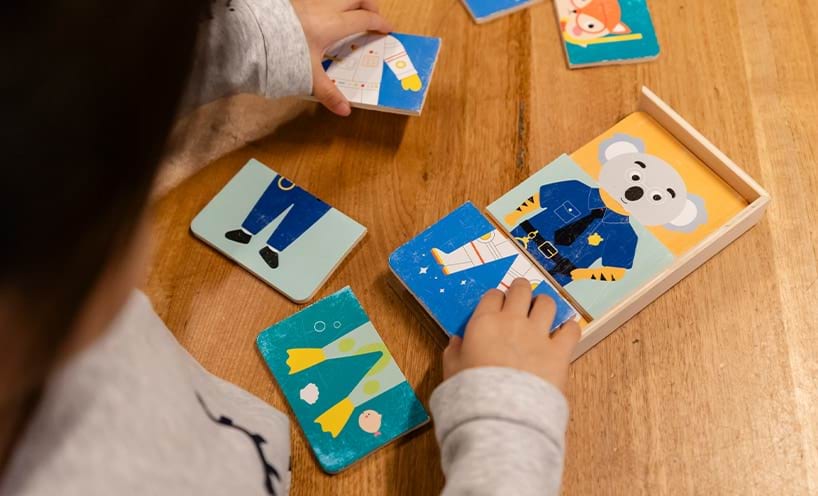
Updated guidance and resources are now available on the PROTECT for early childhood website to support early childhood services to identify and respond to child abuse risks and report concerns.
This guidance responds to the Rapid Child Safety Review, which recommended updated guidance to help early childhood staff report concerns, allegations and complaints and support a speak-up culture.
Updated guidance
The new resources include:
- updated 4 Critical Actions: Identify, Report, Support and Refer
- information on following those 4 Critical Actions for 3 sources of child abuse:
- adult engaged by an early childhood service
- within the family
- within the community
- new downloadable reference sheets and pamphlets for the 4 Critical Actions, tailored to each source of abuse
- information on notifying the Victorian Early Childhood Regulatory Authority and reporting to the Social Services Regulator, including how to make anonymous reports
- updated information about supports available to early childhood services, families and children, including through The Orange Door for abuse in the family.
Action required
Services can replace their existing ‘Four critical actions for early childhood services’ poster with the updated resources. You can access, download and print the resources for your service on the PROTECT for early childhood website.
Services are encouraged to share the resources with your staff and display the posters in an appropriate area that is easily accessible to staff.
Find out more
For more information, refer to: PROTECT for early childhood website.
For resources to help engage with families about child safety, refer to Engaging with families about child safety.
Engaging with families about child safety
Share resources with parents and carers to help build trust and keep children safe.
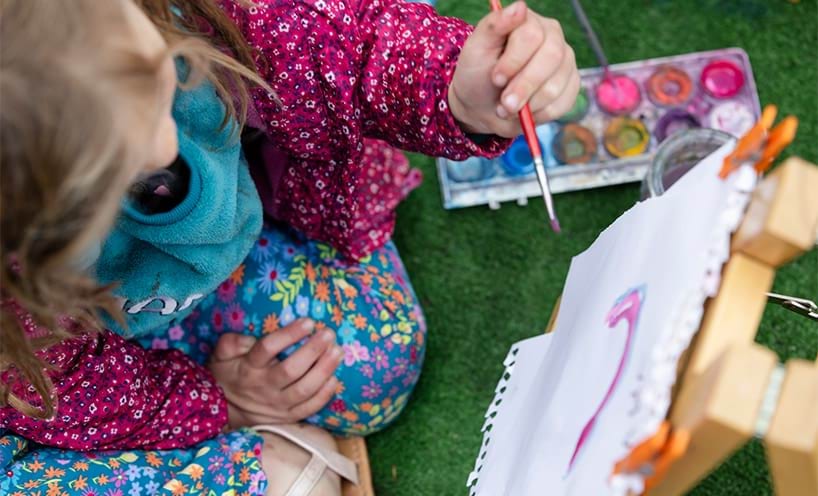
New and updated resources are available for parents and carers about child safety and sexual abuse prevention. The resources were developed in response to the Rapid Child Safety Review.
Please share these resources with parents and carers of children attending your service.
New and updated resources
The following resources are available to support parents and carers:
- Preventing and responding to child sexual abuse – information and resources about having body safety conversations, identifying the signs of abuse and grooming, and raising concerns
- Child safety in early childhood education and care: information for families – information about child safety measures at early childhood services and what families can look for and ask about.
Sharing these resources with your service’s community can help parents and carers find reliable child safety information. It also shows your service’s commitment to keeping children safe.
Further resources
- The national StartingBlocks.gov.au website has been updated to provide more information about the quality and safety of early childhood services. This includes showing enforcement actions from the past 2 years.
- The Victorian Early Childhood Regulatory Authority website has information about making a complaint and what happens if a service doesn’t meet its obligations.
- Raising Children Network and National Office for Child Safety websites have further information and advice about child safety and child sexual abuse prevention.
Find out more
For further information, refer to: Child safety in early childhood: information for families.
For resources on identifying and responding to child abuse risks and report concerns, refer to: Updated child safety guidance for early childhood services.
Making a lasting difference in children’s lives
To celebrate Early Childhood Educators’ Day, Sandra Houlahan reflects on her 40-year career in early childhood education.
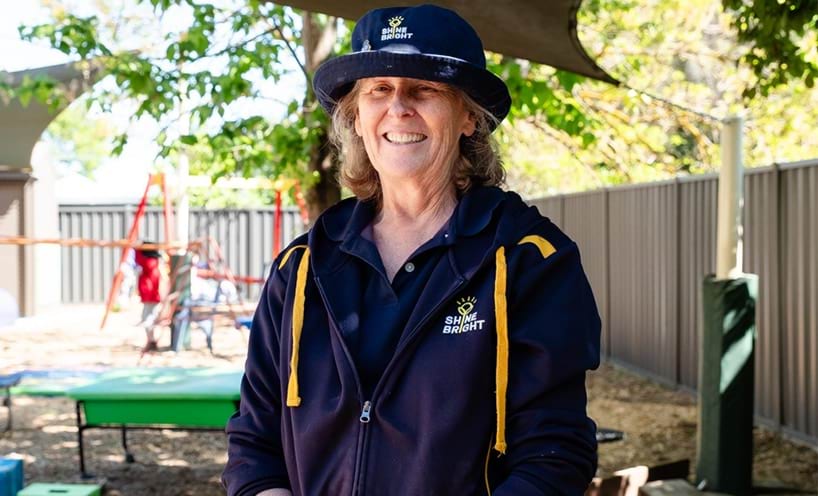
Sandra Houlahan, educational leader at Shine Bright Elmore Kindergarten, has worked in early childhood education for more than 40 years.
Sandra began her career in Bendigo in 1985, after wanting to become an educator for as long as she can remember.
For Sandra, it’s the connections she builds with children, families and her local community that makes her job so rewarding.
‘The relationships with children and their families are the best part of being an educator,’ she said. ‘And of course, the precious time spent with children and their fantastic honesty and view of life’.
A day of learning and discovery
A typical day for Sandra starts with warmly greeting children and families. She supports each child’s transition to foster trust and connection. Children decide how and where to play, and Sandra then uses their interests and ideas to extend their learning.
‘I love being able to work out what children are interested in and then how, together, we can learn more about it,’ Sandra said.
‘If a child is curious about clouds, I’ll ask what questions they have.’
‘Together we will draw or document what they already know, and then we will conduct research using books and people we can talk to.’
Learning through local connections
A strong focus for Sandra is helping children connect with their local environment and community. Sandra is passionate about connecting children with their community through the service’s River Kinder program.
The program allows children to explore the Campaspe River weekly in terms 2 and 3. They observe, climb, run, roll and discover what is around them. This helps develop curiosity, resilience and respect for the environment.
‘We learn about ways to be safe in this space, and about the animals and plants that are local to our area,’ Sandra said.
Sandra also takes children to local landmarks, schools and businesses, helping them connect with their local community.
‘We love being part of our community and meeting people along the way. Every time we go for a walk, people know us and say hello,’ Sandra said.
A moment to celebrate
Sandra’s commitment to learning has continued throughout her career.
In 2025 she was awarded Educator of the Year at the Victorian Early Years Awards.
‘After 40 years it was great to be awarded, and I have been able to use it for study.’
She used the award prize to enrol in a Graduate Certificate in Therapeutic Play at Deakin University.
Through her studies, Sandra has developed her understanding of therapeutic play and the impact of trauma on children.
‘The study is very reflective, and I have learned a lot about myself and how I present myself to children,’ she said.
Sandra is looking forward to applying what she has learned to her work and sharing her knowledge with her colleagues.
The joy of early childhood
Over the years, Sandra has collected many memorable moments with children. Many have come from the funny and unexpected things they say.
She remembers being promised a lift to footy practice once a child got his driving licence so she could ‘kick some goals’.
After more than 40 years in the profession, it is these relationships and her love for learning that continues to inspire Sandra.
‘Every year is different because the children have different needs, perspectives and personalities - it is always fresh and exciting!’ Sandra said.
Today, on Early Childhood Educator’s Day, we celebrate the important role educators play in children’s early years. This year’s theme, ‘The Future Starts With Us!’ is a reminder of the difference educators can make in children’s lives.
Find out more
For more information about Early Childhood Educators’ Day, refer to: Early Childhood Educators’ Day.
Early Childhood Education and Care National Workforce Census
Take part in the census to help shape policy directions for the sector.
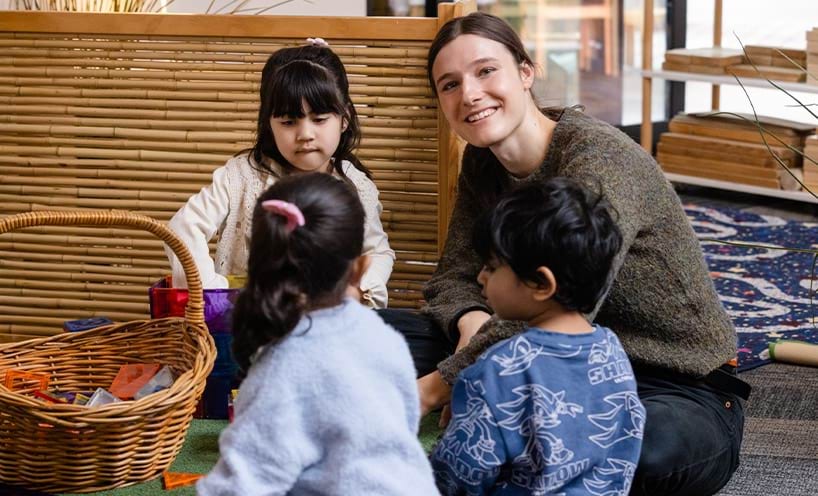
All Child Care Subsidy approved service providers must register to take part in the Early Childhood Education and Care National Workforce Census. We also encourage all sessional kindergartens to register and take part.
Registration closes on Sunday 13 September 2026.
How to register
The Social Research Centre contacted all providers by letter and email with instructions on how to register. Thank you to those that have already registered.
If you cannot find the instructions with your unique log in code, contact the Social Research Centre:
- phone: National Workforce Census Helpline on 1800 800 996 (available 9 am to 5 pm, Monday to Friday)
- email: nwc@srcentre.com.au
Complete the census
The census will open on Monday 21 September.
Governments use census data to inform early childhood education and care policies. Participation helps provide an accurate and nationally consistent picture of the sector.
The census will no longer collect data about individual workers. This information is now collected through the National Early Childhood Worker Register. The census will collect simple, service level data, making it easier and faster to complete.
Find out more
For more information, refer to: National Workforce Census on the Social Research Centre website.
Financial incentives to work in kindergarten programs
Find out about incentives available for early childhood teachers and educators considering positions in Victoria’s funded kindergarten programs.
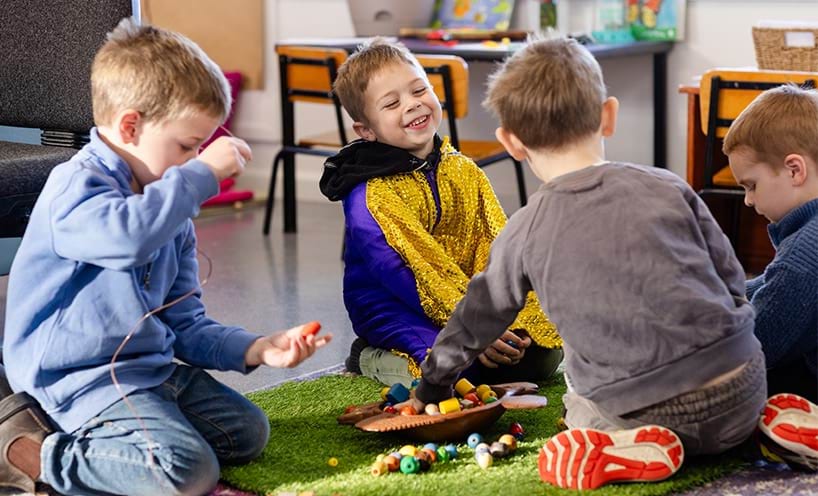
Eligible early childhood teachers and educators can apply for financial incentives to join, return to or move within Victoria’s funded kindergarten workforce.
The incentives are available through 2 programs:
- 2026–27 Victorian Early Childhood Teacher Incentives Program
- 2026–27 Victorian Targeted Educator Incentives Program.
We have updated the program guidelines to make eligibility requirements easier to understand. We encourage you to check the updated guidelines.
You may be eligible if you are an early childhood teacher or educator who is:
- joining the sector
- returning after at least 12 months away
- moving to an area where workforce demand is greatest.
Financial support may also be available to help with the cost of moving.
Incentive payments are available for teacher and educator positions in funded kindergarten programs. The position must have a contract for at least 12 months.
These programs help Victorian kindergartens attract the workforce needed to give children the best start in life. They also support delivery of the Best Start, Best Life reforms.
Find out more
For more information, refer to: Incentives to work in early childhood.
For further enquiries, contact the Employment Programs team by email: early.childhood.jobs@education.vic.gov.au
Respectful Relationships training for early childhood professionals
Strengthen your skills to help children build resilience, confidence and respectful relationships.
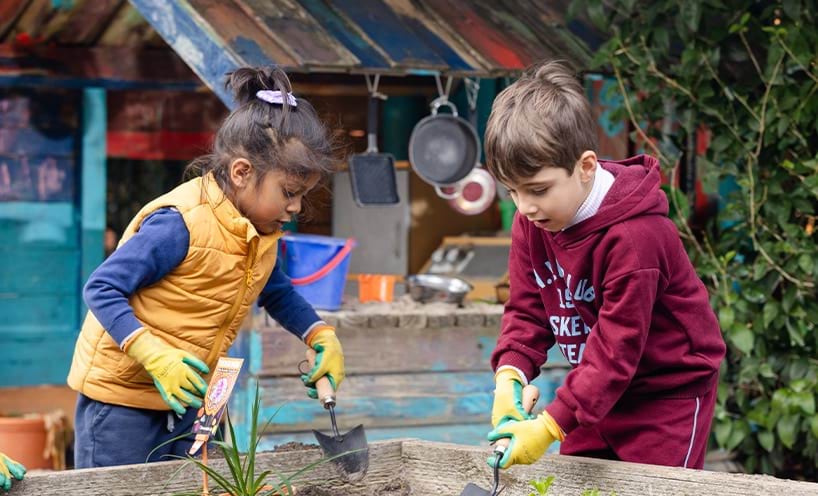
The Respectful Relationships initiative is offering free training for early childhood professionals in government-funded kindergartens.
The online training will help early childhood professionals to promote respectful relationships, positive attitudes, and behaviours through their teaching and enable children to build healthy relationships, resilience, and confidence.
It aligns with the Victorian Early Years Learning and Development Framework and the National Quality Standard.
The department will help cover the cost to replace staff who attend this training.
Training details
- Dates: a range of dates available across September and October 2026
- Format: online (one full-day workshop and a 2-hour, self-paced learning module)
- Cost: free
To register, log in to the Respectful Relationships Online Learning System or create an account. Once you are logged in, go to ‘Registering to Attend a Workshop? Start here’ and follow the instructions to register.
Find out more
For more information, refer to: Respectful Relationships in early childhood.
For further enquiries, contact the Respectful Relationships team by email: respectful.relationships@education.vic.gov.au
Supporting children living in out-of-home care
Take part in free professional training to help you meet the needs of children living in care.
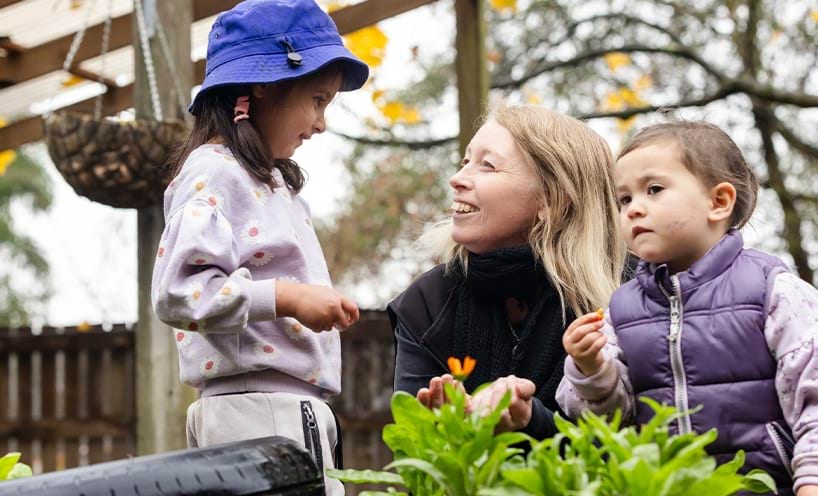
Free professional learning is available for educators and kindergarten teachers to strengthen support for children living in out-of-home care.
The online sessions explore key areas including:
- understanding the needs and experiences of children living in care
- identifying strategies and resources that promote their participation, inclusion and wellbeing in early childhood education and care settings.
About the sessions
The Department of Education LOOKOUT teams run the sessions. LOOKOUT staff are education specialists who support professionals to strengthen trauma-aware, culturally safe and inclusive practice for children in out-of-home care.
The free sessions will be held in September, October and November 2026. Each session runs for 1.5 to 2 hours. Teachers and educators can register for one or all of these sessions.
These sessions count towards Victorian Institute of Teaching required learning.
Details and registration links
Trauma informed individual learning plans for children in out-of-home care
Increase your understanding of trauma-informed individual learning plans for young children living in out-of-home care.
- Date: Tuesday 15 September 2026
- Time: 10 am to 11.30 am
- Platform: Microsoft Teams
- Cost: free.
To register, refer to: Trauma Informed Individual Learning Plans.
Impact of trauma on children in out-of-home care
Increase your understanding of childhood trauma and its impact on young children living in out-of-home care.
- Date: Tuesday 13 October 2026
- Time: 12 pm to 2 pm
- Platform: Microsoft Teams
- Cost: free.
To register, refer to: Impact of trauma on children in out-of-home care.
Supporting children in out-of-home care in early childhood education and care settings
Explore specific needs and effective support strategies for children living in out-of-home care.
- Date: Thursday 12 November 2026
- Time: 9.30 am to 11.30 am
- Platform: Microsoft Teams
- Cost: free.
To register, refer to: Supporting children in out-of-home care in early childhood education and care settings.
Find out more
For more information on supporting children living in care, refer to Supporting children placed in out-of-home care - information for early childhood professionals.
Diabetes Day for Educators 2026
Register for a training program to build your confidence supporting children with type 1 diabetes.
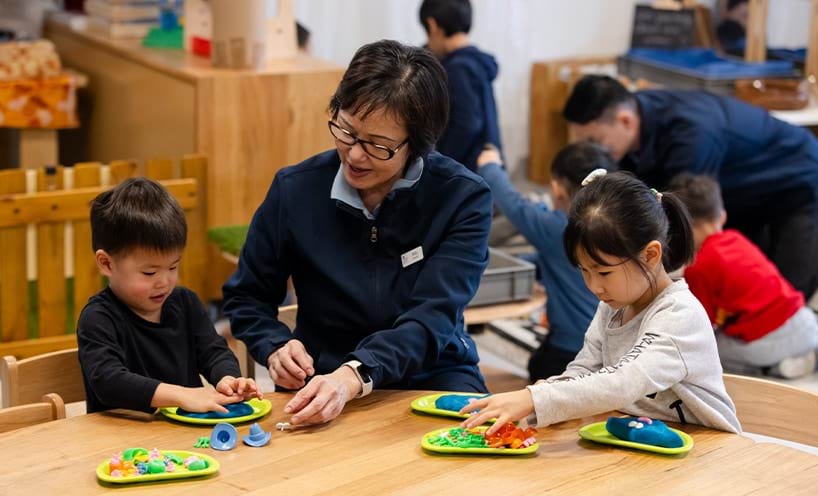
Diabetes Victoria is offering a professional development program to help early childhood professionals safely support children living with type 1 diabetes.
The Diabetes Day for Educators program is designed to build teachers and educators knowledge and confidence in managing type 1 diabetes. The full-day program is available to teachers and educators working in childcare and kindergarten services.
About the program
The program will cover:
- what is diabetes
- rights and responsibilities for education settings
- working with the Diabetes Action and Management Plans
- planning for change and communication
- monitoring glucose levels (including a practical workshop)
- insulin (the program does not include training on injections or pumps)
- managing low and high glucose levels
- food and diabetes
- being active
- excursions.
Program details
- Dates: there are multiple dates to choose from. The next session is on Monday 14 September 2026
- Time: 9 am to 4 pm
- Mode: in-person at Diabetes Victoria head office in Carlton Victoria
- Cost: $200 per person (excluding GST)
To view all 2026 dates and register, refer to Diabetes Victoria’s diabetescare+ website.
Find out more
For more information or further enquiries, contact Diabetes Victoria’s Diabetes Care Plus:
- phone: 1300 153 123
- email: info@diabetescareplus.org.au
Breaking down barriers to inclusion and belonging
How a kindergarten in Australia’s fastest growing region used School Readiness Funding to support families from diverse backgrounds.
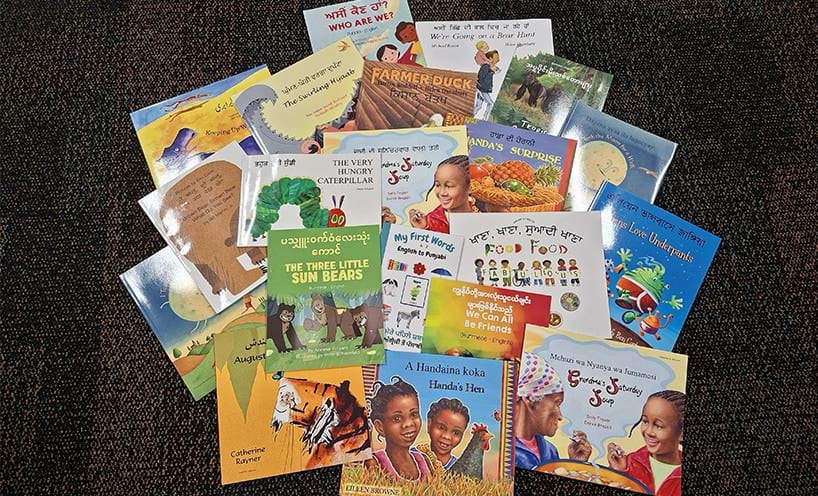
Bridge Road Kindergarten is in the City of Melton, Australia’s fastest growing local government area. Overseen by Early Childhood Management Services, it is a 4-room service, operating 15 sessional kinder programs each week, staffed by a team of 35 educators.
The community is culturally and linguistically diverse, with 36% of all children, from birth to 4-years-olds, speaking a language other than English. Many families have recently arrived in Australia, and developmental vulnerability is higher than the state average.
Communicating effectively with families from different language backgrounds was a challenge for educators at the service. The service used School Readiness Funding (SRF) to help overcome this barrier.
Creating a sense of belonging
Service leader Poonam Jain said intergenerational and childhood trauma is present in their community. This leads to complex behavioural needs within the kinder program.
‘As a service we needed to develop a deeper understanding of the impact of trauma and how to respond in ways that support children’s participation and educator wellbeing,’ she said.
With a large team of educators at different stages of their careers, more mentoring and coaching opportunities were needed to build confidence in supporting children and families.
Finding a focus
Educators collected information about the children in the group to help identify where extra support was needed.
Through SRF, the service employed in-house practice coaches and social workers to work alongside educators and leaders. A strong understanding of the local community was important to develop targeted programs, resources and referral pathways.
‘Together we have made connections with external community professionals supportive of families and children,’ Poonam said.
‘The outreach maternal health nurse, mobile dentist, preschool field officer and library program are just some of the regular visitors coming to our service.’
Creating meaningful experiences
Using SRF, the kindergarten also employed 2 community support educators to work above ratio to support Burmese and Punjabi children and families. One of the educators co-facilitated and translated a school transition information session for Burmese families.
The service also established an SRF-funded lending library in the foyer. This gives children and families access to translated children's books. This has been particularly popular with Punjabi grandparents who often live with and care for their grandchildren.
Strengthening connection and collaboration
Poonam said coaching has helped the educators feel more supported and empowered.
‘We have seen a significant increase in the educator’s capability and capacity to support children’s diverse behaviour and needs within the programs. This has led to increased participation and staff wellbeing,’ she said.
A shared journey of learning
Poonam said SRF is a great resource to achieve long term and meaningful goals for the service and the community.
‘Take your team on a shared journey of learning and do less but more deeply. Align your SRF menu choices with your service philosophy and celebrate the successes through your Quality Improvement Plan’.
Poonam said that as a leader, she has become more aware that families sometimes don’t know what we think they should know.
‘We need to provide a safe and trustworthy environment for them to learn and become confident in the care of their young children,’ she said.
‘I now know that we can break down barriers to inclusion in so many ways.'
Find out more
To learn more about School Readiness Funding, refer to: School Readiness Funding or contact your Early Childhood Improvement Branch.
Using the EYALT to better understand children’s learning
How Sentia Early Learning is using the tool to support assessment and planning.

Sentia Early Learning in Melbourne’s CBD has been using the Early Years Learning and Assessment Tool (EYALT) since joining the pilot in 2022.
The EYALT is an online resource co-designed with early childhood teachers to help understand each child’s unique strengths, interests and abilities.
Sentia uses it alongside the Victorian Early Years Learning and Development Framework (VEYLDF) to support their assessment processes.
Supporting assessment and planning
Angela Hunt, centre director at Sentia said they use the EYALT as part of their individual assessment of each child.
‘We use it to identify individual goals, monitor children’s progress, guide our planning and teaching practices, and support meaningful conversations with families,’ Angela said.
The tool has helped the service to develop a consistent approach to documenting children’s learning. They have found this particularly helpful for newly graduated teachers who are developing their assessment skills.
The EYALT reports also help the teachers at the service to build on children’s learning as they move between rooms. They use previous assessments to understand a child’s development and continue working towards their goals.
‘It can help create a clearer learning journey for the child and support continuity of learning,’ Linda Wilson, lead early childhood teacher said.
Embedding EYALT across the service
Using EYALT across the service has been an important part of Sentia’s approach.
‘Because children’s goals and assessment information can carry over from one year to the next, it is important that educators have a shared understanding of what the goals mean and how they are being assessed,’ Linda said.
The service prioritises training to support this. The team make sure all new staff complete EYALT training and work alongside experienced teachers while they build their confidence using the tool.
The team highlights the importance of using the EYALT alongside the VEYLDF.
They found the EYALT report might indicate a child is ‘developing’ in areas such as symbol or text numeracy. By considering the results alongside daily observations they can more accurately assess a child’s development, and plan for intentional teaching.
Before using the EYALT, teachers at the service were writing individual assessments. The team said using the EYALT has ensured a more consistent, evidence-based approach.
An investment that pays off
Linda said an assessment across all 8 modules can take about an hour for each child. However, the team has found that the initial investment can save time later.
‘Sometimes if there is uncertainty, we need to have internal discussions and re-observe the child’.
The reports also support them to prepare for parent-teacher interviews and conversations about school readiness and help complete their Transition Learning and Development Statements.
‘Parents have appreciated a clear and easy-to-understand picture of their child’s development and being able to see how their child’s individual strengths and goals are being supported,’ Linda said.
Find out more
For more information about the EYALT, refer to: Early Years Assessment and Learning Tool (EYALT).