- Published by:
- Department of Education
- Date:
- 5 Aug 2026
The Early Childhood Update e-newsletter is sent to early childhood teachers and workers, but is open to anyone interested in best practice in early years education and evidence-based teaching approaches. Subscribe here to receive the e-newsletter(opens in a new window).
Save the date to celebrate educators
Recognising early childhood educators across the state and the important work you do to support wellbeing, development and safety.
Dear early childhood education professionals
Firstly, I’d like to welcome the new Premier, the Hon. Ben Carroll and the new Minister for Education, the Hon. Gabrielle Williams. Hon Lizzie Blandthorn remains the Minister for Children. We look forward to working with them.
This month, we begin our countdown to Early Childhood Educators’ Day on Wednesday 2 September 2026. It is a wonderful chance to celebrate the skill and expertise of Victoria’s early childhood educators. We encourage services to start thinking about how to mark this important day. You can find resources in this edition to help you.
As we settle into Term 3, many of you will be getting ready for 2027. The online Transition Learning and Development Statement tool is now open. Early childhood teachers can begin Transition Statements for children who will go to school next year. The Transition Statement summarises each child’s strengths, learning styles and development. It makes their transition to school easier and keeps their learning on track.
In this edition, you can also find resources on how to support children with a disability to transition to school. Starting school is a particularly important milestone for children with disability or developmental delay. Kindergarten services help create a positive start to school that recognises children’s strengths and needs by working with families and schools.
Child safety remains a top priority across the sector. Over the past year, reforms have improved safety and quality, and these require everyone’s continuing attention. All early childhood education and care staff and volunteers must complete child safety training. Some staff and volunteers must also complete child protection training. All training must be done by Thursday 27 August 2026. This training will help create safer environments for all children and supports consistent safety practices across all services.
This month’s edition also has professional development opportunities, including the Provisionally Registered Teacher Grants program.
I hope you find the resources in this edition useful and wish you and the children and families in your service an enjoyable and enriching Term 3.
Bronwen FitzGerald
Deputy Secretary
Early Childhood Education
Child safety and protection training
A reminder to complete national child safety training and Victoria’s child protection training module by 27 August 2026.

As outlined in our March edition, all early childhood education and care (ECEC) staff and volunteers must complete child safety training. Some ECEC staff and volunteers must also complete child protection training. All training must be done by Thursday 27 August 2026.
The training will help create safer environments for children. It also supports consistent standards of protection across all services.
National child safety training – Foundation courses
Any person who works in a National Quality Framework (NQF) regulated service must complete national child safety foundation training by Thursday 27 August 2026. This includes people who do not work directly with children.
To determine who must complete the training, refer to the Australian Children’s Education and Care Quality Authority (ACECQA) Child Safety and Child Protection webpage. To access the training, refer to: the National child safety training webpage.
Victoria’s child protection training
Some staff, students and volunteers who work in a NQF-regulated service in Victoria must also complete a child protection training module. This module is called Protecting Children – Mandatory Reporting and Other Obligations for Early Childhood (EC PROTECT).
For information on who needs to do the training, refer to the Child protection and child safety training in early childhood webpage. To access the module, refer to: Protecting children: Mandatory reporting and other obligations.
People who start working in relevant roles on or after Friday 14 August 2026 must complete the training within 14 days or before working with children, whichever comes first.
National child safety training – Advanced courses
Advanced training builds on the Foundations of Child Safety courses by focusing on 2 critical dimensions of safeguarding practice:
- Prevention – creating child safe cultures through everyday practice.
- Response – recognising, assessing and responding to safeguarding concerns when they arise.
Advanced training includes 3 courses that must be completed by people in designated roles.
Courses 3 and 4 were launched on 31 July 2026. Course 5 is expected to be available from Wednesday 30 September 2026.
Anyone who is required to complete advanced training must do so within 6 months of course 5 being published. People who start working in the sector after course 5 is published must complete advanced training within 3 months of their start date.
For information on who needs to do the training, refer to the ACECQA Child Safety and Child Protection webpage. To access the training, refer to: the Australian Government National child safety training webpage.
Find out more
For more information, refer to: Child protection and child safety training in early childhood.
2026 Annual Kindergarten Census
A reminder that all funded kindergarten services must enter their census data in Arrival by 4 September 2026.
This year, the census reference week is from Monday 3 August to Friday 7 August. All funded kindergarten services must collect workforce, child, fee and attendance data for this period.
Following the reference week, service providers must complete census certification in Arrival by Friday 4 September 2026.
To continue receiving kindergarten funding, you must complete the census. This applies regardless of the kindergarten program type or delivery model.
Services will be required to enter:
- attendance details for each child enrolled for the reference week
- information on fees paid during the reference week
- the name of the person completing the census certification.
Please note there is no bulk upload functionality for census attendance data. You must enter attendance and fee information for each enrolled child individually.
The annual census provides important statewide kindergarten participation and workforce information. The information from the census will be used to inform policy and meet national reporting under the Preschool Reform Agreement.
The department has shared instructions on how to complete the census in Arrival with all eligible service providers.
Find out more
For further support and enquiries, contact your local Early Childhood Improvement Branch.
Completing 2026 Transition Learning and Development Statements
Funded kindergartens must complete a Transition Learning and Development Statement for all children going to primary school in 2027.
The online Transition Learning and Development Statement (TLDS) tool is now open. Early childhood teachers can begin Transition Statements for children going to primary school in 2027.
The tool, hosted on the Insight Assessment Platform, enables early childhood teachers to send the statements directly to the child's school. Each statement can then be linked to the child’s school profile so their foundation teacher can access it to support their transition to school and continuity of learning.
All funded kindergarten providers must complete a Transition Statement for every child enrolled in their service who will be transitioning to primary school next year. This must be done by the end of Term 4, 2026. It is a kindergarten funding requirement.
The Transition Statement summarises each child’s strengths, learning styles and development. It helps ensure a smooth transition into primary school and supports each child’s continued learning.
Funding and support
Guidance for completing Transition Statements is available at: Complete an online Transition Learning and Development Statement.
Kindergarten services also receive funding to support the release of early childhood teachers to write Transition Statements.
There is no application process to receive Transition Statement funding. The department automatically pays the funding to approved providers in Term 3, 2026. All funds should be expended annually by the end of Term 4.
Early Years Assessment and Learning Tool and TLDS
Early childhood services can support children’s continuity of learning when they transition to primary school by using information gathered through the Early Years Assessment and Learning Tool (EYALT).
Early childhood teachers using EYALT now have access to the EYALT Transitions Report. This report helps to simplify the process of completing Transition Statements by auto-filling Section 1.1 of the statement. This means less time spent on paperwork, so more time can be spent on supporting children’s learning and development.
This EYALT Transitions Report contains:
- an introduction to the EYALT modules and how they map to the Victorian Early Years Learning and Development Framework outcomes
- a profile report, which shows a child’s level of progress in each of the EYALT modules completed for that child
- relevant intentional teaching and learning strategies for that child to support their continuity of learning and development in primary school.
An expression of interest process is open for funded kindergarten services to sign up to use the EYALT. For more information and the application form, refer to: Early Years Assessment and Learning Tool (EYALT).
How to access the online TLDS tool
The online TLDS tool reopened on Monday 20 July 2026.
Services should have received new login credentials through their registered service email address (as listed on NQAITS) through an email from insight@linkit.com
If you have not received your new log in credentials or need support, please contact the Insight Assessment Platform helpdesk by email: insight@education.vic.gov.au The helpdesk is available Monday to Friday, between 9 am and 5 pm.
Find out more
For practical guidance for early childhood professionals working with children and families while they transition to school, refer to: Moving to primary school.
For general Transition Statement enquiries, contact the department by email: early.years.transition@education.vic.gov.au
Supporting children with a disability to transition to school
How kindergarten services can work with families and schools to create a positive start to school.
Starting school is an important milestone for children with disability or developmental delay.
Kindergarten services play a key role in supporting families through the transition. Services should share information and work with schools and other professionals to help create a positive start to school.
Plan early with families and schools
Early childhood teachers should encourage families to share information with their school as early as possible about their child's:
- strengths and interests
- communication style
- routines
- support needs.
Kindergarten services should coordinate a Program Support Group meeting to support information sharing and planning. Meetings should include:
- the child's family
- a representative from the child’s future school
- the early childhood teacher
- any allied health or education professionals the family would like involved.
The group should discuss:
- the child's strengths and learning needs
- strategies and programs that have supported the child in kindergarten
- adjustments or additional supports the child might need at school
- orientation visits and other transition activities. Some children can benefit from additional visits to the school, or an individual transition plan.
Support children with high care needs
Kindergarten services should support families to share relevant medical information, therapy recommendations and emergency procedures with the school. This helps schools to prepare by:
- developing health support plans
- organising equipment
- arranging staff training
- implementing reasonable adjustments.
Complete the Transition Learning and Development Statement
Kindergarten services must complete a Transition Learning and Development Statement (TLDS) for every child transitioning to school.
The TLDS helps schools prepare adjustments and supports before the child starts.
Section 1.2 of the TLDS supports enhanced transitions for children with diverse learning needs, including disability or developmental delay. It captures information about professionals supporting the child. It also identifies reports or assessments that can inform planning. A clinical diagnosis is not required to complete this section.
The online TLDS tool is open on the Insight Assessment Platform.
Share information with families about Disability Inclusion supports
Kindergarten services can help families learn about the Disability Inclusion supports in government schools.
The Disability Inclusion Profile helps teachers and families identify a child’s strengths, interests and goals, and the adjustments and supports the school will provide for the child.
Profile meetings can take place before a child starts schools, where they are receiving ongoing support from an inclusion or disability support service in an early childhood service, or if your kindergarten is receiving Kindergarten Inclusion Support to support their participation.
For other children, schools might ask families to attend a profile meeting after their child has settled into school.
For children going to a non-government school, kindergartens should work in partnership with families to build an understanding of the school’s inclusion supports and processes, and how they can support them.
Suggested timeline
Term 3/July to September
- share information with the family about the supports in government schools (where relevant)
- with parent or carer permission, invite the school to visit the child at kindergarten to observe them in a familiar learning environment
- confirm the school's key transition contact
- begin the TLDS.
Term 4/September to December
- hold a Program Support Group meeting with the family, school and relevant professionals
- finalise and submit the TLDS with a completed section 1.2
- support families to attend school orientation visits and discuss any adjustments that the child may need
- complete any additional reports requested by the school.
Resources to share with families
Starting school for children with additional needs – guidance on preparing for school and understanding available supports.
Starting primary school - ACD – resource page offering guidance and support for families preparing a child to start primary school.
Disability Inclusion: support for students with disability – information about Disability Inclusion reforms.
Disability Inclusion Profile process for parents or carers (PDF, 1MB) – overview of the process.
AllPlay Learn – Transitions: Starting Primary School – tips and videos to prepare for the transition to school.
Support for students with high care needs – information about extra support for children with high care needs.
Find out more
For more information on how your service can support children with disability to transition to school, refer to: Transition to primary school for children with disability.
For further enquiries on the TLDS, email: early.years.transition@education.vic.gov.au
For further information on disability inclusion supports in school, email: disability.inclusion@education.vic.gov.au
Training for information sharing and MARAM reforms
Support your service’s MARAM nominated staff to complete training to understand their responsibilities under MARAM.
The information sharing and Multi-Agency Risk Assessment and Management (MARAM) reforms support early childhood services to share information. The aim of this is to:
- promote the wellbeing and safety of children
- identify and respond to family violence.
To help meet your service’s legislated MARAM responsibilities, service leaders should:
- identify up to 3 MARAM nominated staff (depending on the size of the service). These staff will be responsible for:
- family violence screening
- safety planning
- making referrals and reports
- support MARAM nominated staff to attend training, outlined below.
Training for MARAM nominated staff
This training supports MARAM nominated staff to understand their responsibilities. The Centre for Excellence in Child and Family Welfare delivers the training.
Training details
Dates: there are a range to choose from until December 2026
Time: 4 hours. Training hours count towards professional learning for Victorian Institute of Teaching registration
Mode: online
Cost: free. Backfill reimbursement is available. You can access instructions to claim reimbursement after registering for training.
For more information and to register, refer to MARAM Training for Nominated Staff in Schools and Early Childhood Services.
Find out more
For resources to help you identify and respond to family violence in a safe and consistent way, refer to: Information Sharing and Family Violence Reforms: Guidance and Tools.
For further enquiries, contact the Information Sharing and MARAM enquiry line:
- phone: 1800 549 646
- email: cisandfvis@education.vic.gov.au
Collection of surplus Kinder Kits
Services with 4 or more spare kits should contact our supplier to arrange a return.
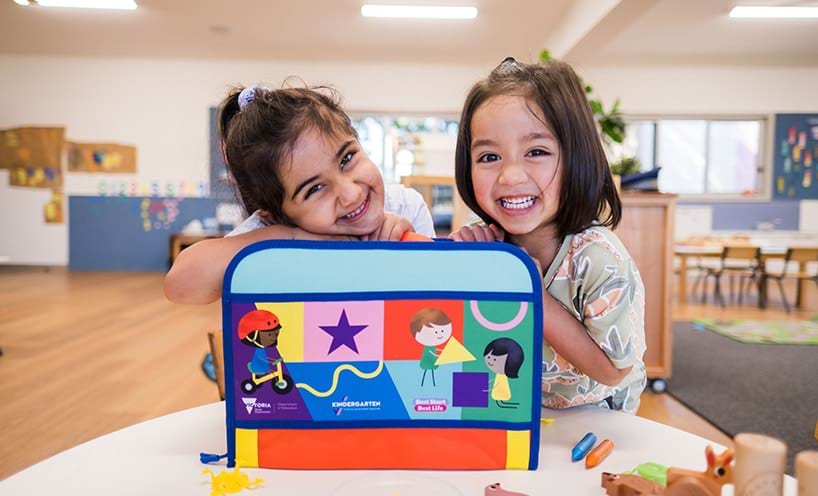
This year, we delivered more than 80,000 Kinder Kits to more than 3,000 early childhood education services across Victoria.
Thank you for supporting this initiative and distributing the kits to children at your service. The kits have given families a valuable chance to engage children in play-based learning and support early development.
New services
If your service opened in the past 6 months, you should have received information from our contracted supplier Bao & Co about your 2026 Kinder Kit order. If Bao & Co has not contacted you, please email: kinder.kits@education.vic.gov.au
How to return surplus kits
If your service has 4 or more surplus kits, please contact Bao & Co to arrange collection by emailing: kinderkit@baoandco.com.au
If your service has up to 3 spare kits, please keep these for late enrolments. This will ensure timely distribution and helps to reduce emissions from collecting small numbers of kits.
Large service providers should redistribute spare kits to new enrolments and/or newly opened services as a starting point, with any remaining surplus kits to be returned to our supplier.
Find out more
For more information about Kinder Kits, including Auslan translations of the 2026 books, refer to: Kinder Kits.
For enquiries, contact our Family Engagement team by email: kinder.kits@education.vic.gov.au
Provisionally Registered Teacher Grants program
Apply for grants to support provisionally registered teachers at your service to move to full registration. Applications open 10 August 2026.
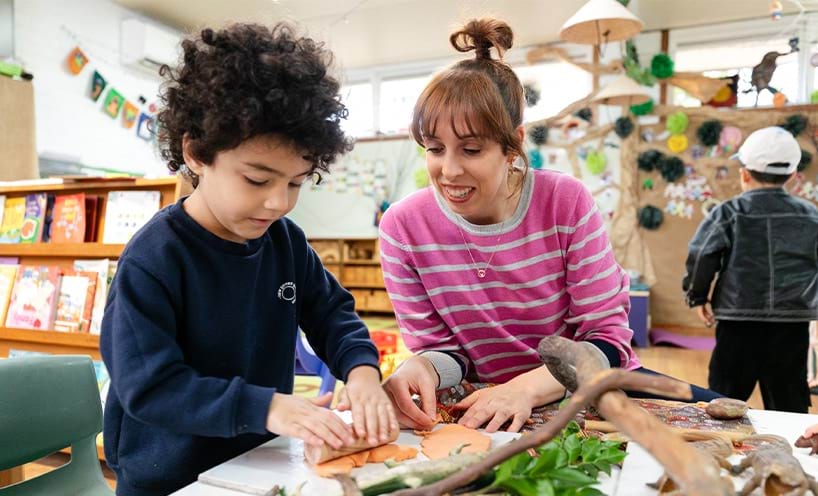
Applications for round one of the 2026-27 Provisionally Registered Teacher (PRT) Grants program will open at 9 am on Monday 10 August 2026.
Moving from provisional to full registration with the Victorian Institute of Teaching is an important step in a teacher’s career. It demonstrates their proficiency against the Australian Professional Standards for Teachers. The PRT Grants program helps services to support PRTs through this process.
Approved providers can apply for funding of $3,370.40 (excluding GST) per PRT.
You can use the funding for:
- paid time release, travel and accommodation expenses
- employment of a casual relief teacher to backfill the PRT and/or their mentor while they work together to meet the requirements for full registration
- costs associated with professional learning that supports the PRT to move to full registration.
How to apply
To apply, create an account or log in to the PRT Grants Program Portal. Applications must be submitted by an authorised representative of an approved provider.
Applications will close at 5 pm on Friday 4 September 2026.
For more information, including eligibility criteria, refer to: Early Childhood Provisionally Registered Teacher (PRT) Grants program.
Find out more
For further enquiries, contact the Workforce Retention and Recognition team by email: prt.grants.program@education.vic.gov.au
Early Childhood Educators’ Day 2026
On 2 September 2026, celebrate the incredible work educators do every day to inspire learning, build confidence and support children’s development.
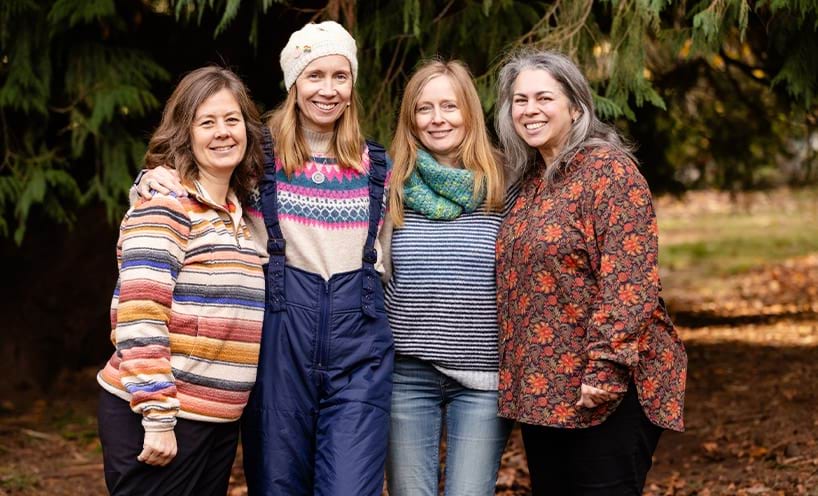
Early Childhood Educators’ Day is a chance to acknowledge the incredible work educators do to support children’s learning and development.
This year, the national celebration takes place on Wednesday 2 September. It’s a great time to recognise and thank educators across the state.
How to celebrate
There are many simple and meaningful ways you can mark the day and get families and children involved. You can:
- add your service to the map of services taking part
- organise an activity or morning tea to celebrate your team
- put up posters in your communal areas to let your families and team know the day is coming up
- put a notice to families in your email newsletter
- encourage children and their families to do something special such as making a homemade card or contributing to a communal appreciation wall.
For more celebration ideas and resources, visit Early Childhood Educators’ Day.
Share stories of your educators
If you have a story you’d like to share about an educator at your service and the impact of their work, get in touch with our communications team using the email address below.
You may also like to ask the children at your service about their educators and what they enjoy doing with them.
We’ll promote their story as part of our Early Childhood Educators’ Day celebrations, or in a future edition.
Find out more
For more information, refer to Early Childhood Educators’ Day.
For further enquiries, or to share stories, contact the department by email: ec.portfolio.communications@education.vic.gov.au
Early Childhood Aboriginal Pathways Scholarships supporting emerging sector leaders from the start
With scholarship and study support, Summer Garner now inspires others through her passion and excellence.
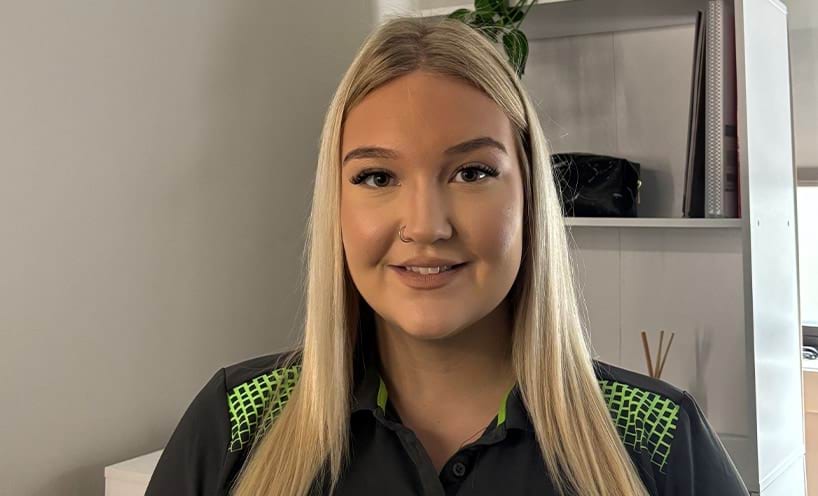
At 18 years old, Summer Garner is already building a career in early childhood education.
Recognised for her natural talent and leadership potential, Summer is playing an important role at EduKids in Melton.
She is also close to completing her Diploma of Early Childhood Education and Care through Victoria University (VU) TAFE and has plans for further study.
Summer has been part of VU TAFE’s Diversity and Innovation in Early Childhood Education (DICE) program, which provides additional supports to students studying ECEC. DICE is funded as part of the department’s Early Childhood Tertiary Partnerships program.
Finding a path beyond school
Summer wasn’t sure what to do when she left school.
‘I knew I wanted to help people, especially young children,’ Summer said.
With support from her youth worker, who believed in her potential, Summer enrolled in a Certificate III in Early Childhood Education and Care and quickly thrived.
‘At first I questioned whether I could do it, but I had to give it a chance,’ she said.
Encouraged by Pam Chapman, a community engagement coordinator from VU TAFE, and other staff, Summer committed to her studies.
Within a month, her transformation was clear. ‘We saw her blossom,’ Pam said. ‘She turned a corner and never looked back.’
Mentoring and structured support through the DICE program were critical. With progress plans, one-on-one guidance and additional classroom support, Summer always had someone guiding her forward.
‘I never felt alone,’ she said. ‘If I was struggling, there was always someone there to help me through.’
The impact of scholarship support
Financial barriers could have stopped Summer’s journey before it began. Initial costs were covered by the DICE program and from there, the Early Childhood Aboriginal Pathways Scholarship became a major turning point.
She was initially overwhelmed.
‘It felt surreal,’ she said. ‘I didn’t think I deserved it. But it motivated me to keep going’.
Summer used the scholarship funding for both immediate and future needs. Beyond study materials, it allowed her to contribute to household expenses, complete driving lessons and buy her first car.
‘That car gave me independence,’ she said. ‘Now I can get to work and study. It changed everything.’
Building a career and confidence
Summer’s studies helped her realise her potential. She now focuses on creating safe, supportive environments for children and building strong relationships with children and families.
‘It’s so rewarding seeing children happy and knowing they feel safe with you,’ she said.
She listens closely to children, believing every child deserves support.
‘If they’re struggling, it means they need someone to believe in them,’ she said.
Words of advice
Summer encourages anyone thinking about studying to ‘give it a go’.
‘If you’ve been through hard things, that has made you a stronger person. Even if you don’t believe in yourself, someone else might believe in you, and that can change your whole outlook,’ she said.
She also encourages others to explore scholarships and support programs.
‘Definitely apply. It helped me find a career and find myself. I’m proud of where I am now.’
How to apply
Aboriginal and Torres Strait Islander people can apply for Victorian Department of Education scholarships supporting study in Certificate III and Diploma qualifications in early childhood education through to early childhood teaching at university.
Scholarships are available to those new to study, already studying or working in the sector and looking to upskill.
To check eligibility and apply for financial support under the Early Childhood Aboriginal Scholarships program, refer to the early childhood scholarships and incentives application portal.
If you are looking to upskill to a Diploma or Bachelor qualification with more support, refer to the Early Childhood Tertiary Partnerships program webpage. The program offers tailored courses with a range of benefits to support you while you study.
Find out more
A dedicated First Nations coordinator from BUSY At Work supports applicants throughout the scholarship program. For enquiries about the Early Childhood Aboriginal Pathways Scholarships Program, contact Monica Lay, BUSY At Work:
- phone: 1300 161 396
- email: ec.financial.support@education.vic.gov.au
A canine companion in the classroom supports connection and inclusion
How Frank the dog has become a valued part of Civic Kindergarten, supporting children’s learning and wellbeing.
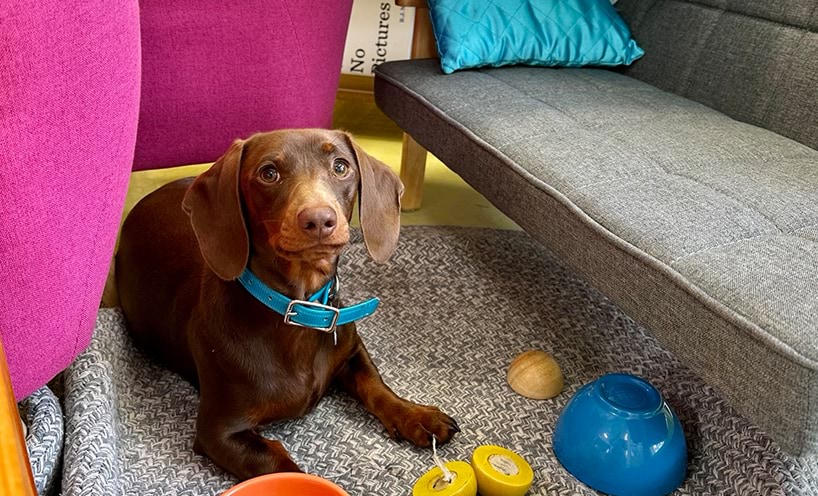
At Civic Kindergarten in Middle Park, a dog named Frank is making a big impact on children’s learning and development.
When early childhood teacher and service director Natalie Armany began talking about her new family member, the children at the service became curious about Frank. They asked questions, looked at photos and enjoyed hearing stories about him.
As their interest grew, educators explored how Frank could safely visit the service and support children’s learning.
Frank has been visiting several days each week for the past 3 years.
Supporting children’s wellbeing, learning and development
Frank’s presence has supported children in many ways.
For some, especially those feeling anxious or upset when they arrive at kindergarten, Frank is a familiar part of their arrival. He helps them shift their focus away from saying goodbye to their parents and redirect it toward a positive, exciting interaction.
‘They often greet Frank, pat him or sit quietly beside him as they settle,’ Natalie said.
‘The children find comfort with Frank and have been able to successfully start their kindergarten day with more ease.’
Frank helps the children to build a sense of belonging and supports their entry into the learning environment.
He is also a part of everyday learning. Children read stories to him, draw pictures of him and include him in play, especially their tea parties. These interactions help children engage with planned learning experiences that build their confidence and social skills and support them to become effective communicators.
Frank’s presence also helps children learn how to interact safely and respectfully with animals.
Frank’s impact on children’s sense of belonging developed through kindergarten years is evident in how many children from previous years visit the kindergarten to say hi and spend time with him.
Planning for success
Introducing a dog into an early childhood service requires careful planning.
Before Frank began visiting, Natalie explored this idea with her kindergarten teaching team, Kindergarten Improvement Advisor and the service’s Committee of Management.
‘We discussed the possibilities that could come with children having access to a dog in the learning environment,’ Natalie said. ‘We explored learning dispositions such as curiosity and confidence, and how these positively support children’s learning.’
They also consulted parents and carers, who were very supportive.
The service completed a risk assessment before Frank’s visits began. The team considered potential scenarios that could arise and identified strategies to minimize any risks.
One scenario they considered was children not knowing how to safely interact with a dog.
‘We manage this by talking to the children about how to approach Frank, respect his space and recognise when he might need a break,’ Natalie said.
‘We go through these expectations as a group at the beginning of the year and continue to reinforce them throughout the year.’
Natalie and the teaching team review the risk assessment each year to ensure the ongoing safety of the children and Frank.
‘We discuss whether changes are needed, identify any new risks, and consider the learning and positive outcomes that have taken place,’ she said.
Once reviewed, Natalie discusses changes with the Committee of Management before they sign it off for the year.
Frank continues to be a much-loved part of the Civic Kindergarten community today.
Share stories from your service
If you have a story that you’d like to share about your service or an early childhood professional at your service, please let us know.
You can contact the department’s communications team by email: ec.portfolio.communications@education.vic.gov.au