- Published:
- Wednesday 27 May 2026 at 3:08 pm
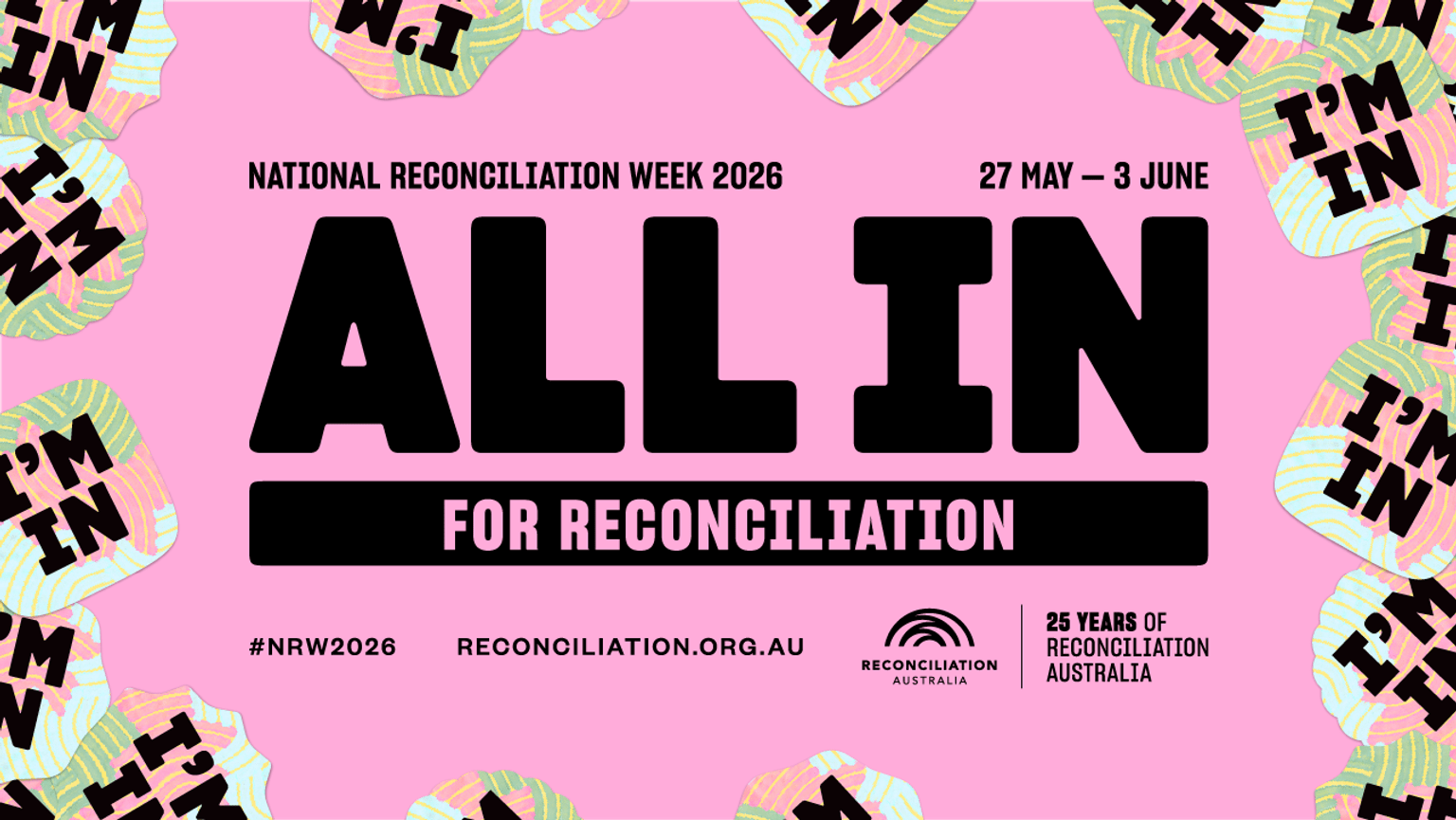
This National Reconciliation Week, the Social Services Regulator (SSR) acknowledges the enduring strength, leadership and knowledge of Aboriginal and Torres Strait Islander peoples in shaping self-determined social services and organisations for supporting First Nations children.
Reconciliation Week begins after National Sorry Day (26 May), a time to recognise and remember the Stolen Generations and the ongoing impacts of colonisation and past government policies and practices on First Nations children, families and communities.
The SSR is committed to supporting the organisations we regulate to deliver services that are culturally safe and that uphold the rights of First Nations people to self-determination. The SSR consults with our First Nations Reference Group about the best ways to support service providers to deliver culturally safe social services. The group includes Aboriginal service providers and First Nations people with experience of the social services sector.
Under the Child Safe Standards, all organisations providing services to children must create environments that are culturally safe for Aboriginal children. Child Safe Standard 1 requires organisations to establish a culturally safe environment in which the diverse and unique identities and experiences of Aboriginal children are respected and valued.
Similarly, the Social Services Standards emphasise the importance of dignity, agency and respect for all people who use social services. For First Nations people, this includes recognising the central role of culture, community connection and self‑determination in wellbeing.
The SSR works with organisations across the social services sector to build capability, strengthen practice and support continuous improvement against these standards.
Reconciliation is an ongoing process. During Reconciliation Week, we reaffirm our commitment to supporting a system where Aboriginal and Torres Strait Islander children, families and communities can access services that are culturally safe and shaped by their voices.
By continuing to learn from and walk alongside First Nations communities, we can help build more just, respectful and effective social services and child safety systems for everyone.
Updated