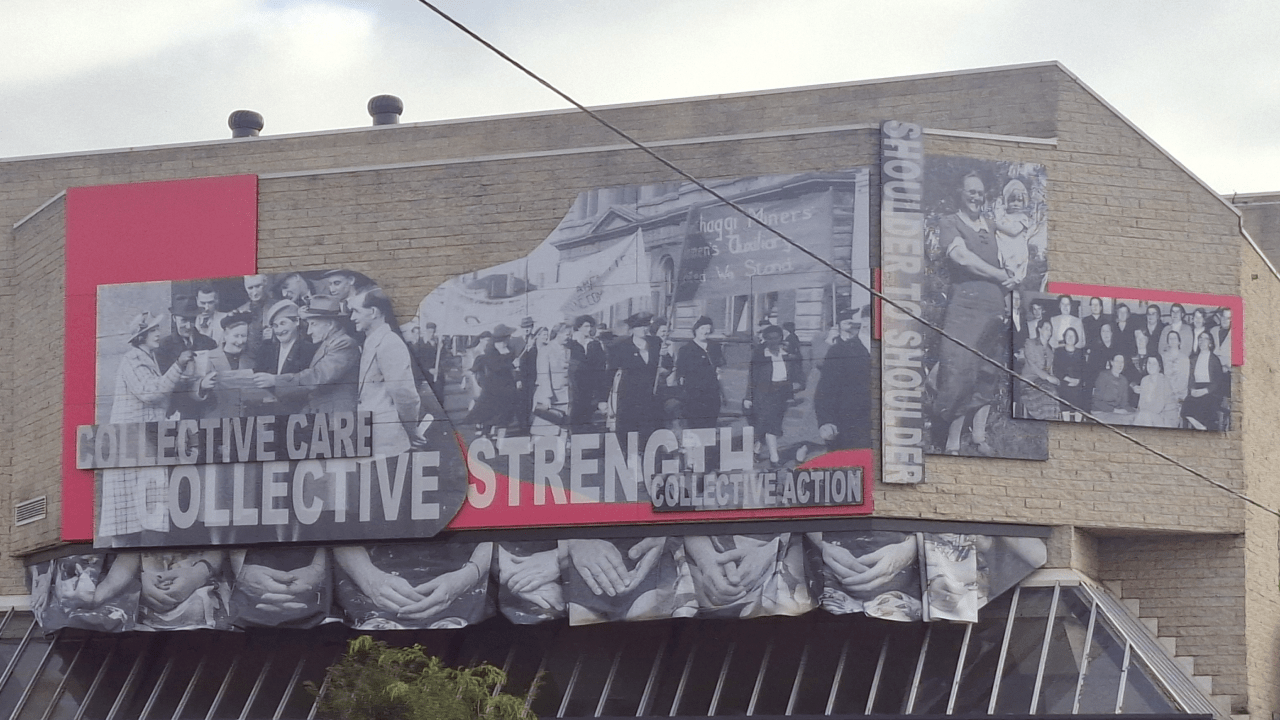
Radical Women
Kay Abude
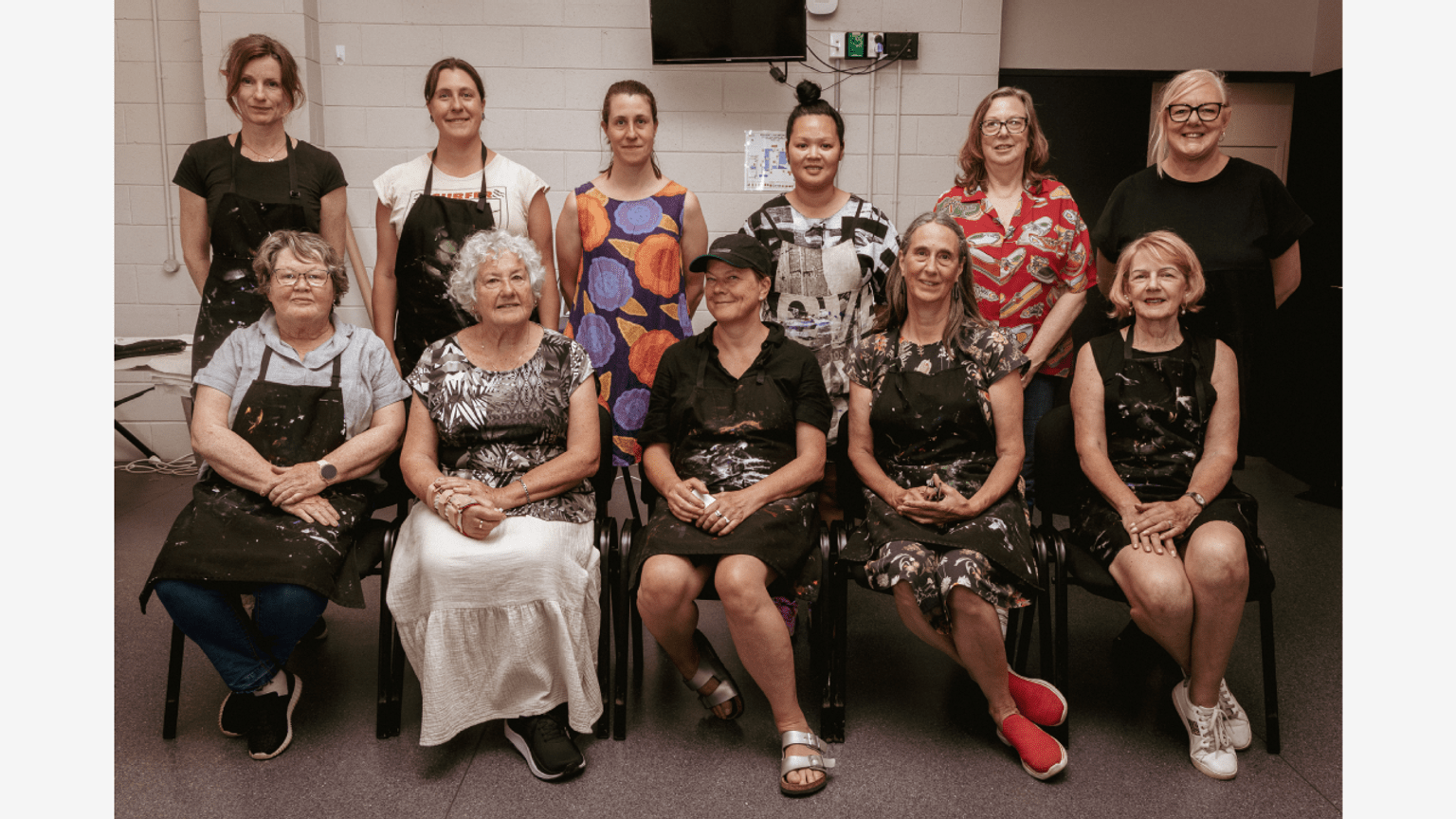
In collaboration with: Wendy Anderson, Jayne Benson, Lyndal Chambers, Doris Chambers, Susan Clark, Karli Duckett, Danica Miller, Barbara Moje, Fay Quilford, Stewart Russell, Corinn Strating, Nicola Strating, Brook Tayla, Amrita Taylor.
Delivery partner: Tilt Industrial Design
Archival images: The Wonthaggi and District Historical Society, the Common Cause, Official organ of the Miners' Federation, and the Chambers family
Photography: Kay Abude and Karli Duckett
Location: Union Theatre, 96 Graham Street, Wonthaggi, Bass Coast Shire, Bunurong country
Radical Women is a multimedia artwork that celebrates the collective impact of the Wonthaggi Miners Women’s Auxiliary. This trailblazing Auxiliary formed in 1934 to organise community support for coal miners on strike over pay cuts, mass lay-offs and unsafe working conditions.
By directly supporting mining families and organising miners’ wives, they helped to maintain the five-month strike action until the workers’ issues had been addressed.
As the first group of its kind, the Auxiliary played a significant role in the national labour movement, inspiring women to organise in coal mining communities around the world.
Wonthaggi Miners Women’s Auxiliary
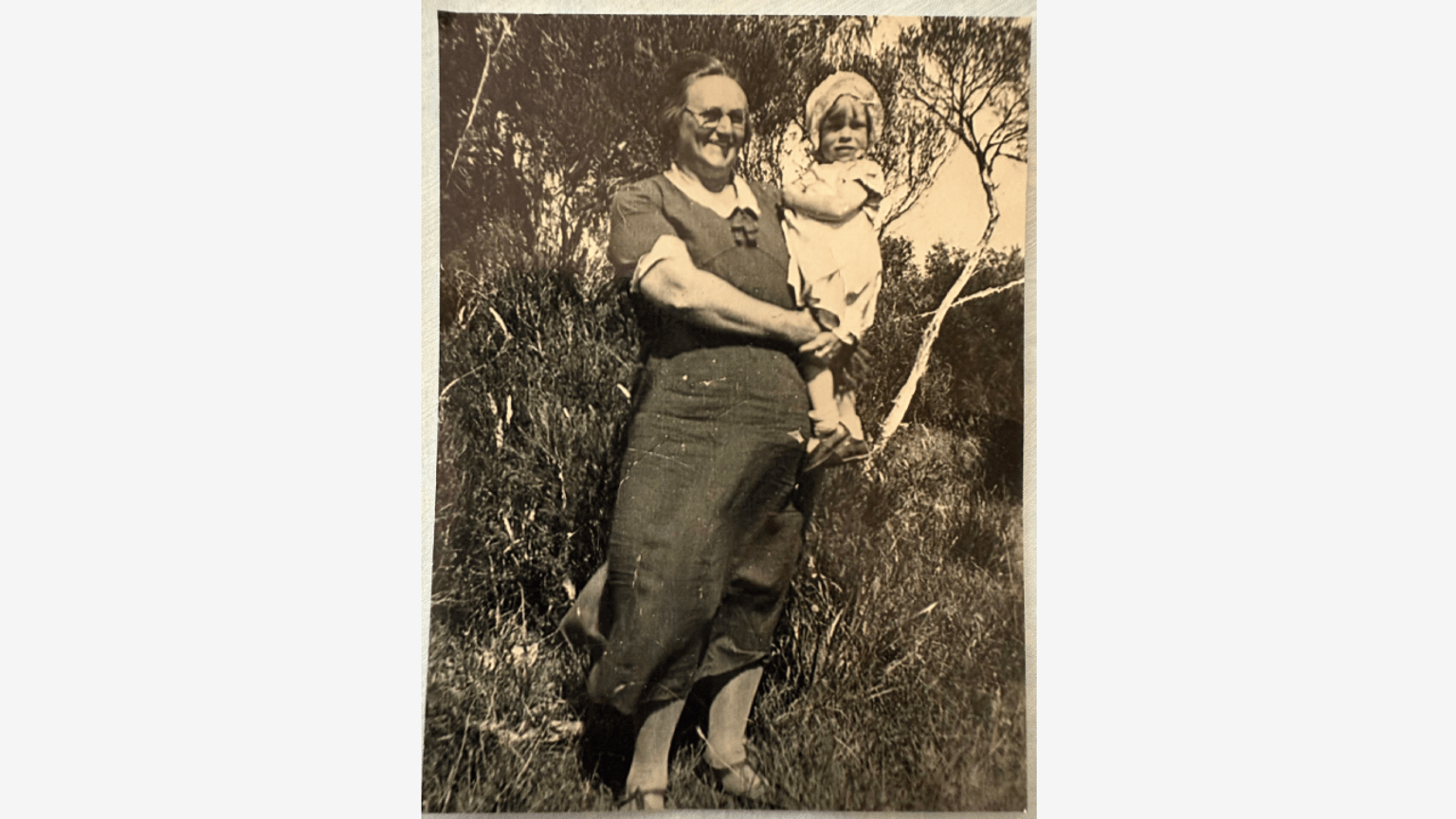
Agnes Chambers holding her first grandchild, Elaine Bickerton. Circa 1935.
Wonthaggi Miners Women’s Auxiliary
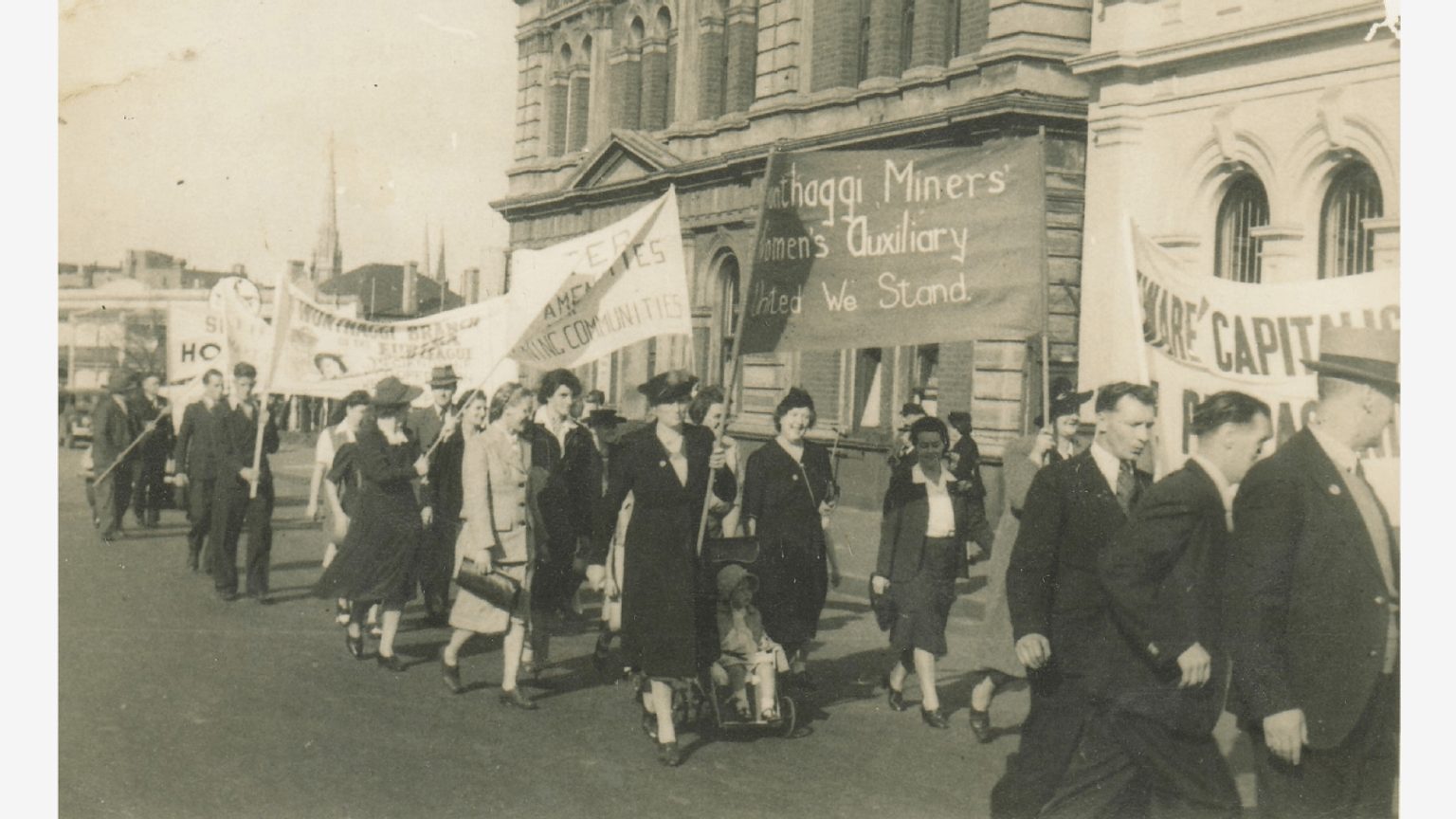
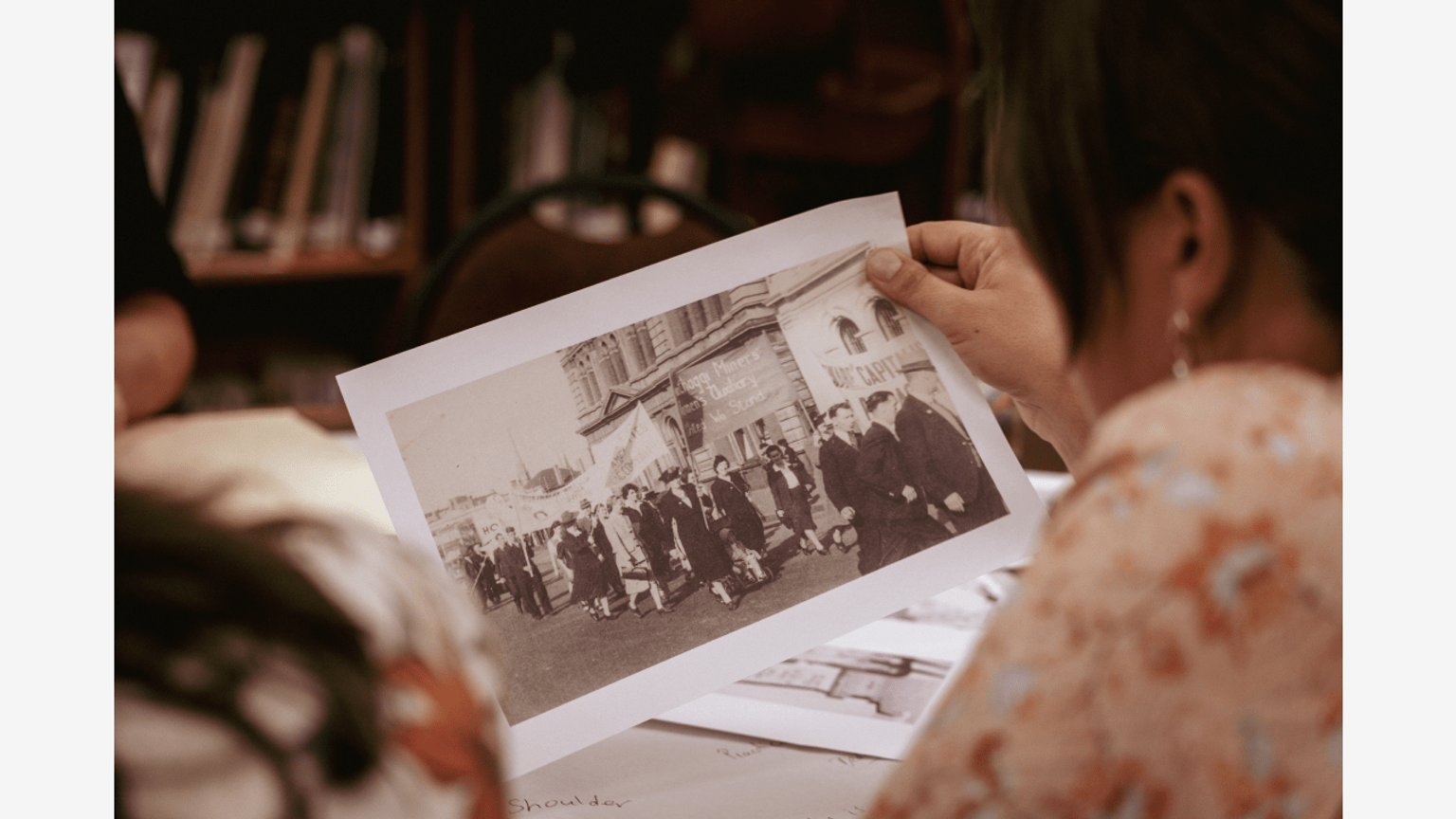
Auxiliary members at the May Day March in Melbourne, late 1940s. Meg Foster holding the WMWA banner, Nancy Stirton beside her and Anne Stirton in the pram.
Wonthaggi Miners Women’s Auxiliary
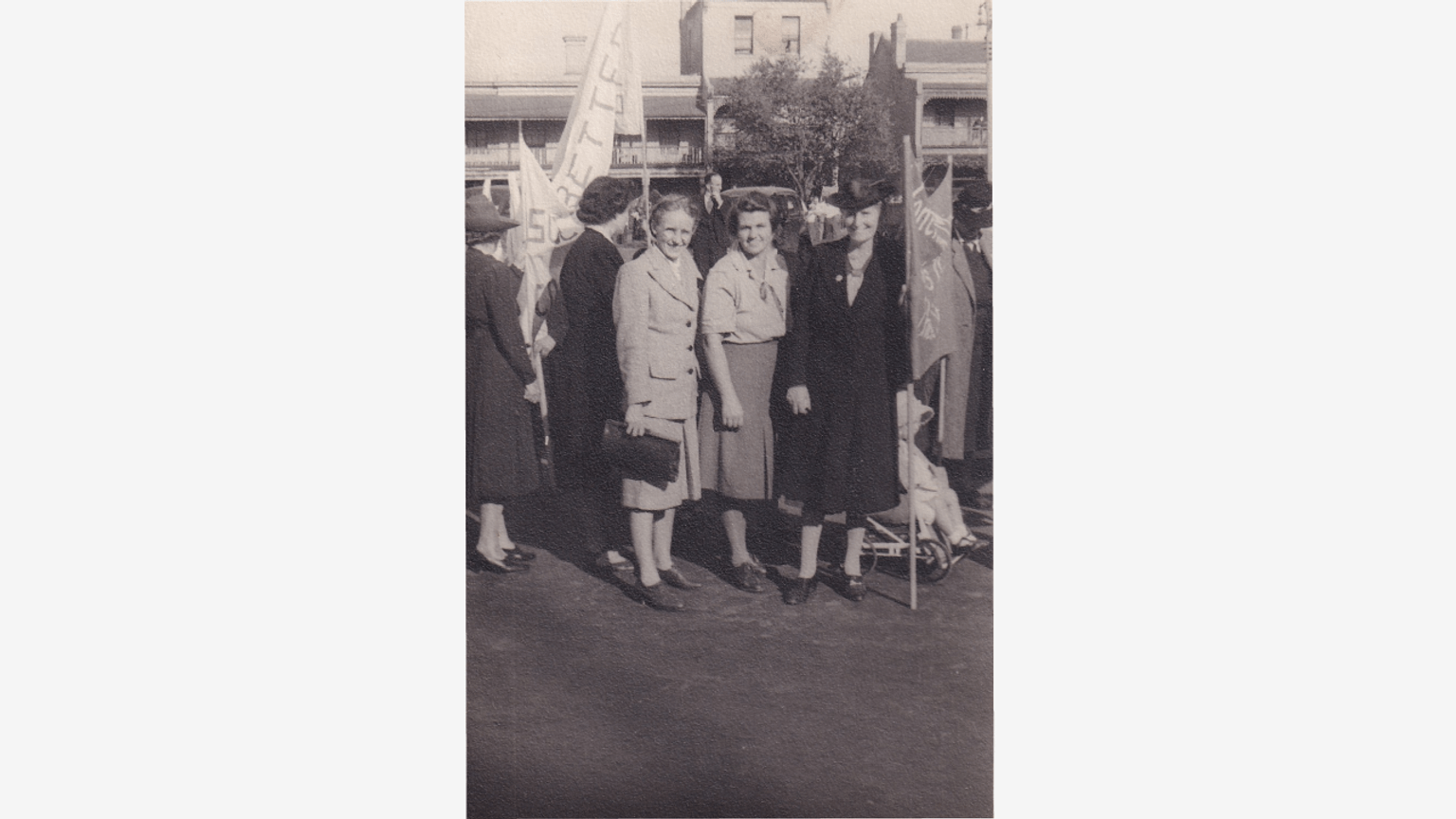
Auxiliary members at the May Day March: Elsie Hamilton, Nancy Stirton and Meg Foster
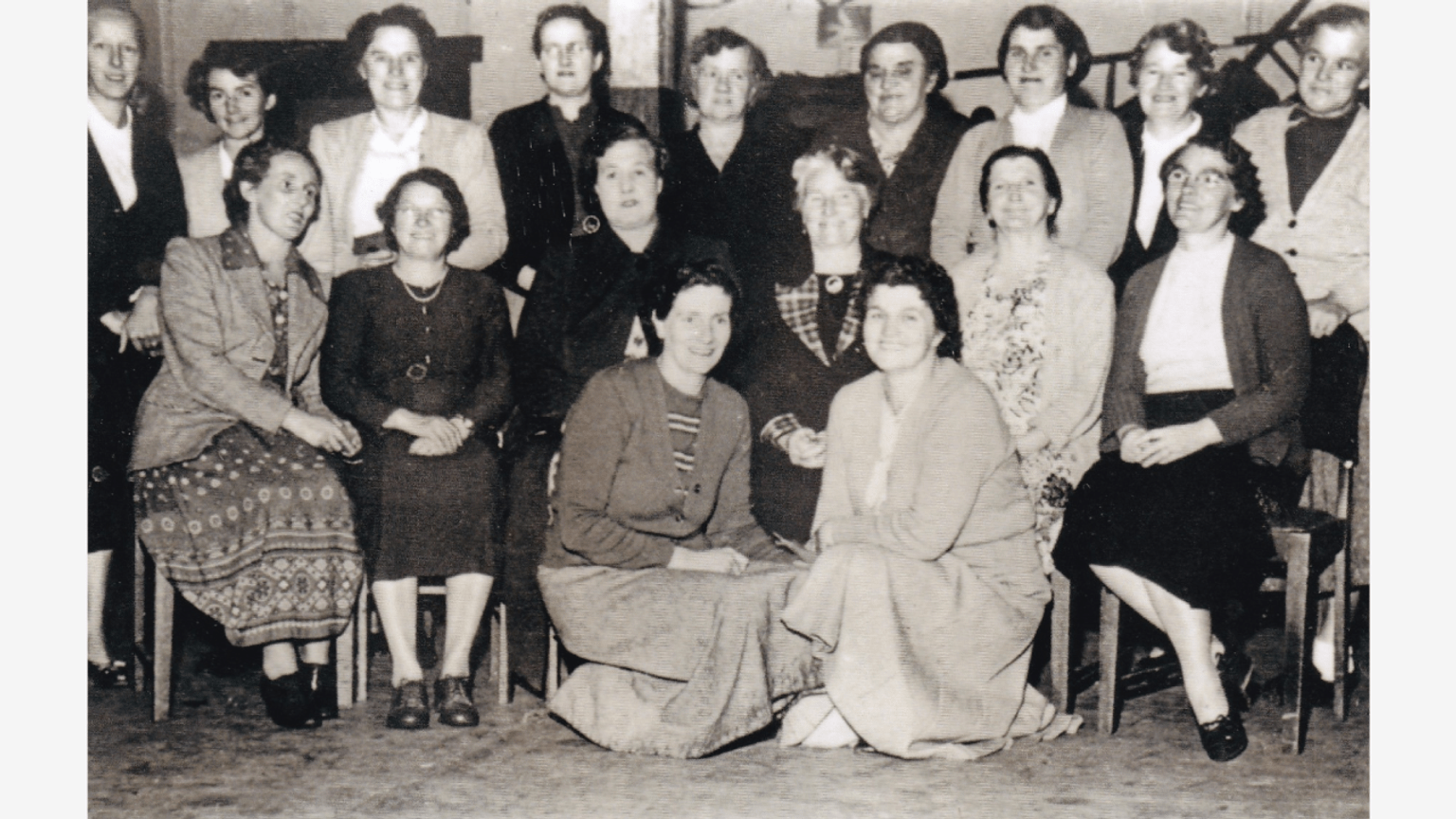
Wonthaggi Miners Women’s Auxiliary
Auxiliary members in 1950.
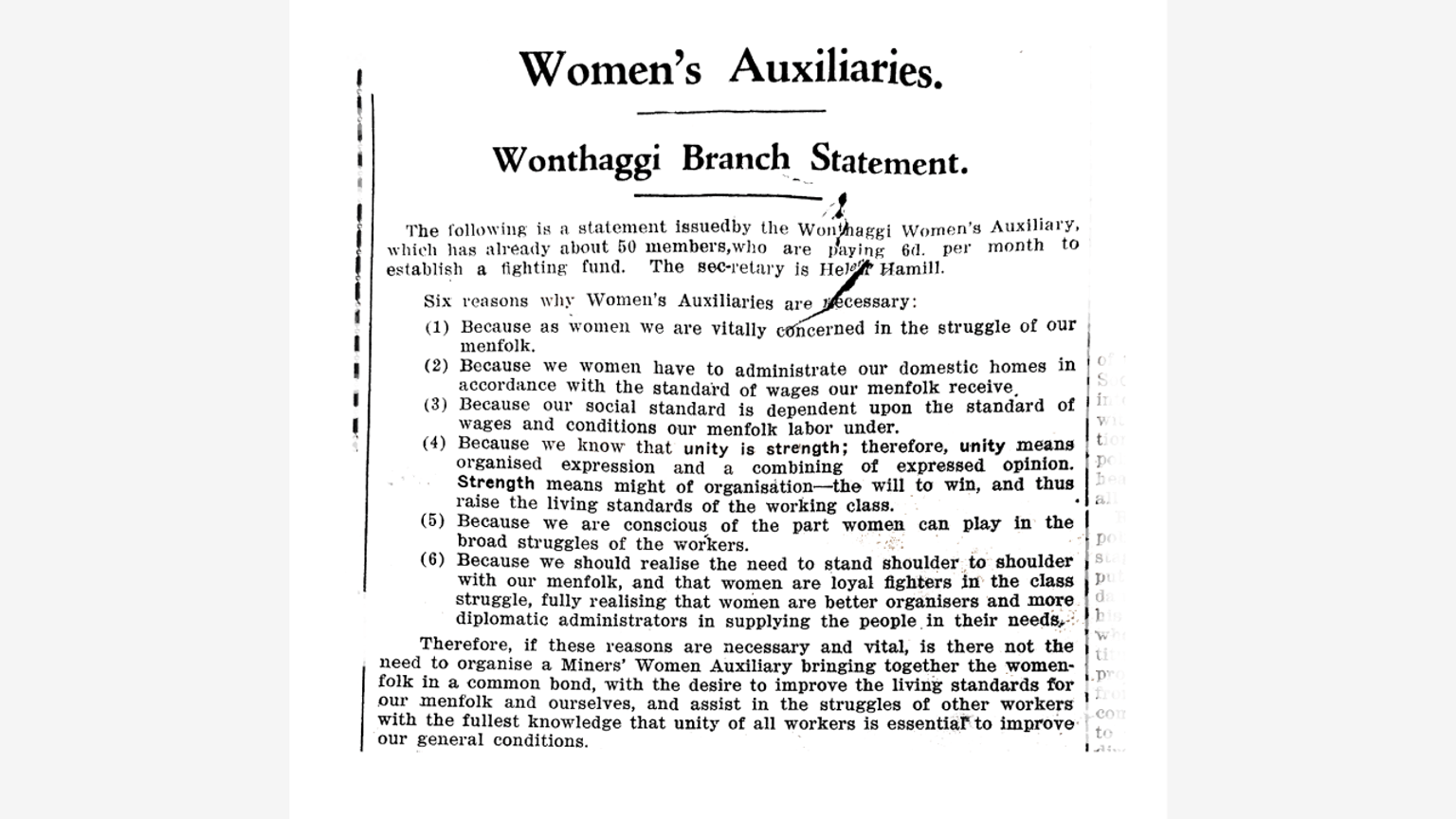
Wonthaggi Miners Women’s Auxiliary
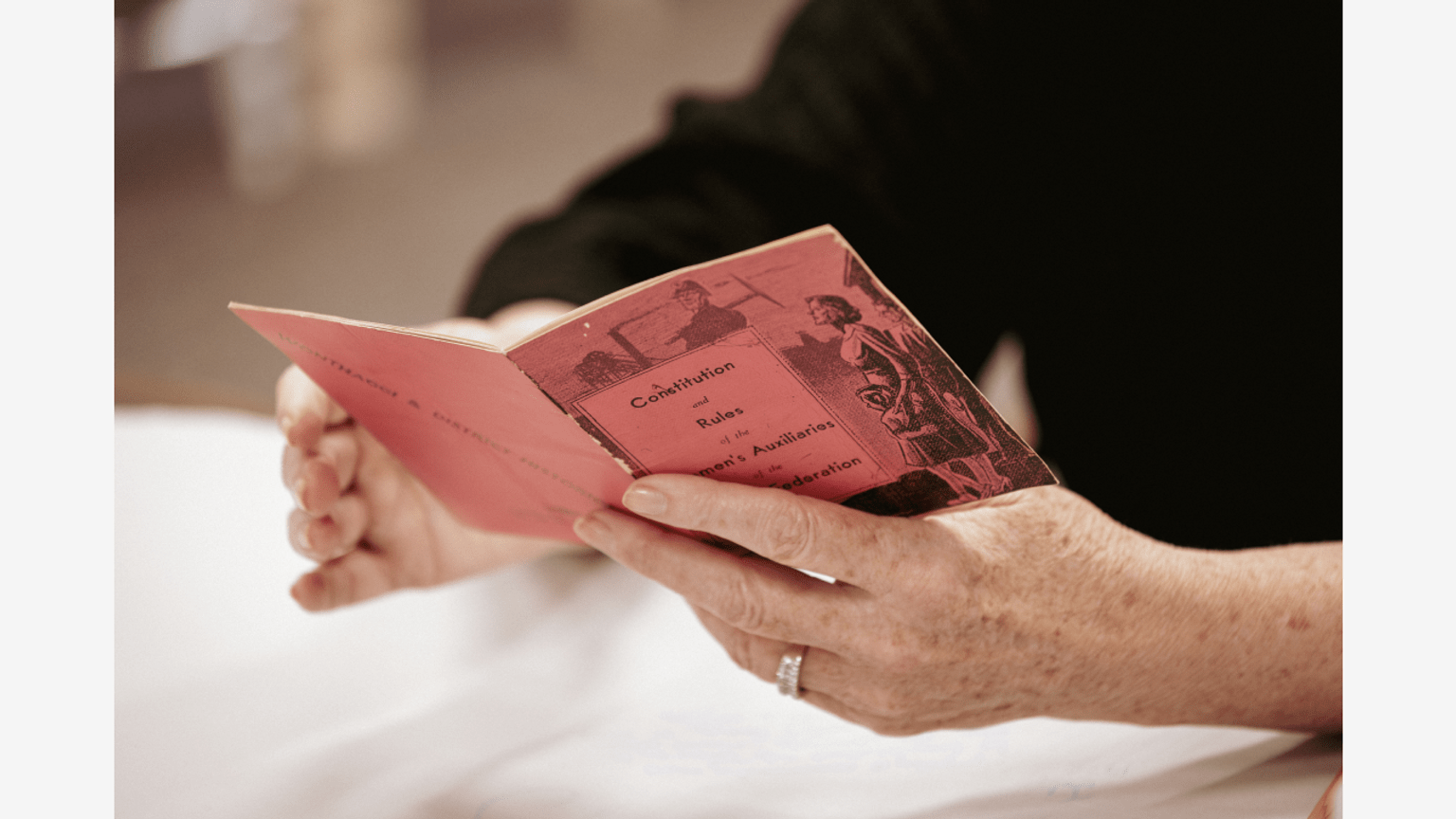
Wonthaggi Miners’ Women’s Auxiliary Branch Statement, Common Cause, Official organ of the Miners’ Federation, 1937.
Radical Women was created by multidisciplinary artist, Kay Abude.
Kay works in sculpture, performance, photography, video, large scale installation, screen printing and textiles. She trained as a sculptor and holds a Master of Fine Art (By Research). Her work is about work itself: the value of it, the effort, the inequality and insecurity of it, especially for artists.
For this project, Kay connected deeply with local people as “the story of the Wonthaggi Miners' Women's Auxiliary belongs to them”.
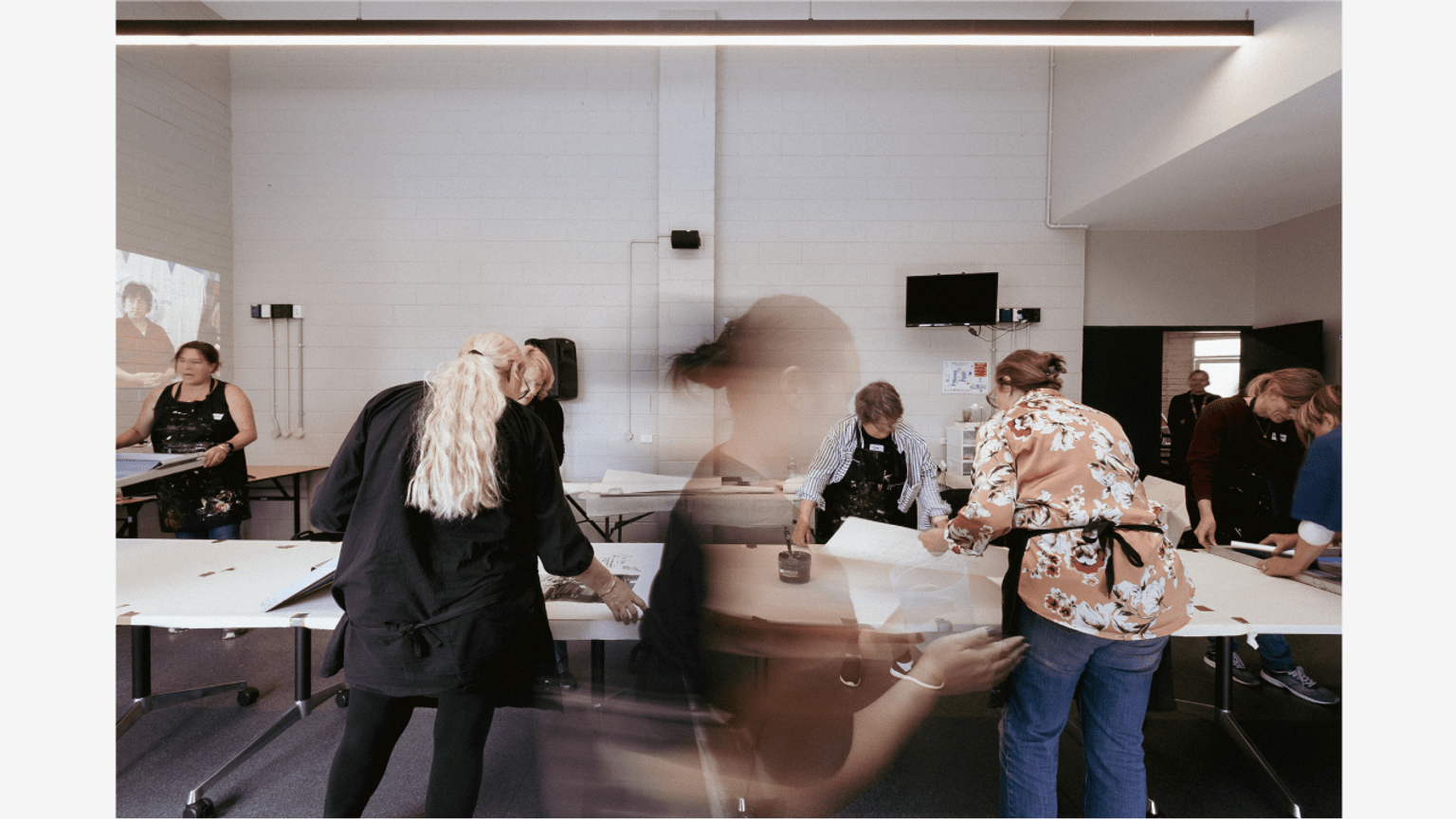
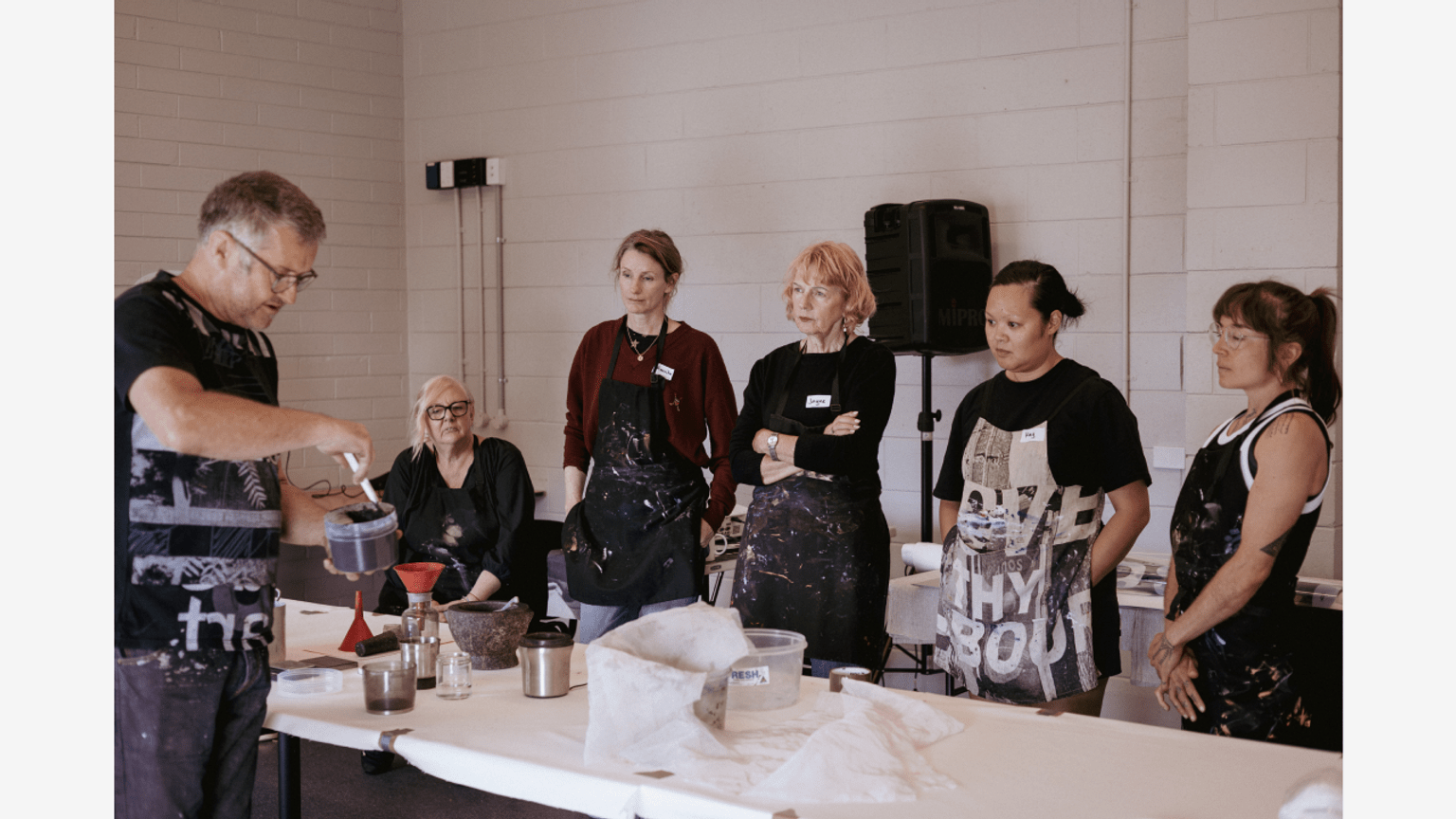
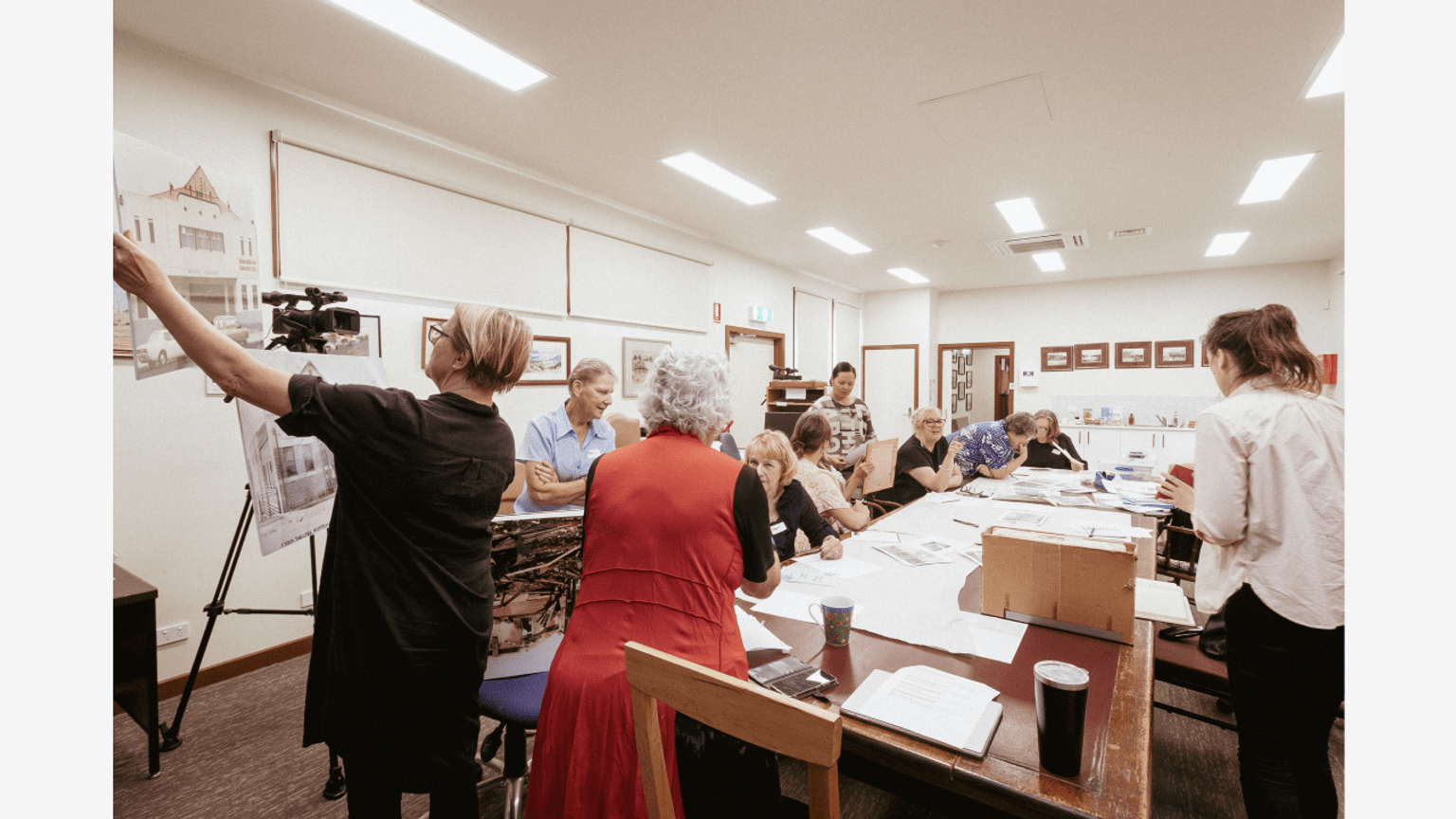
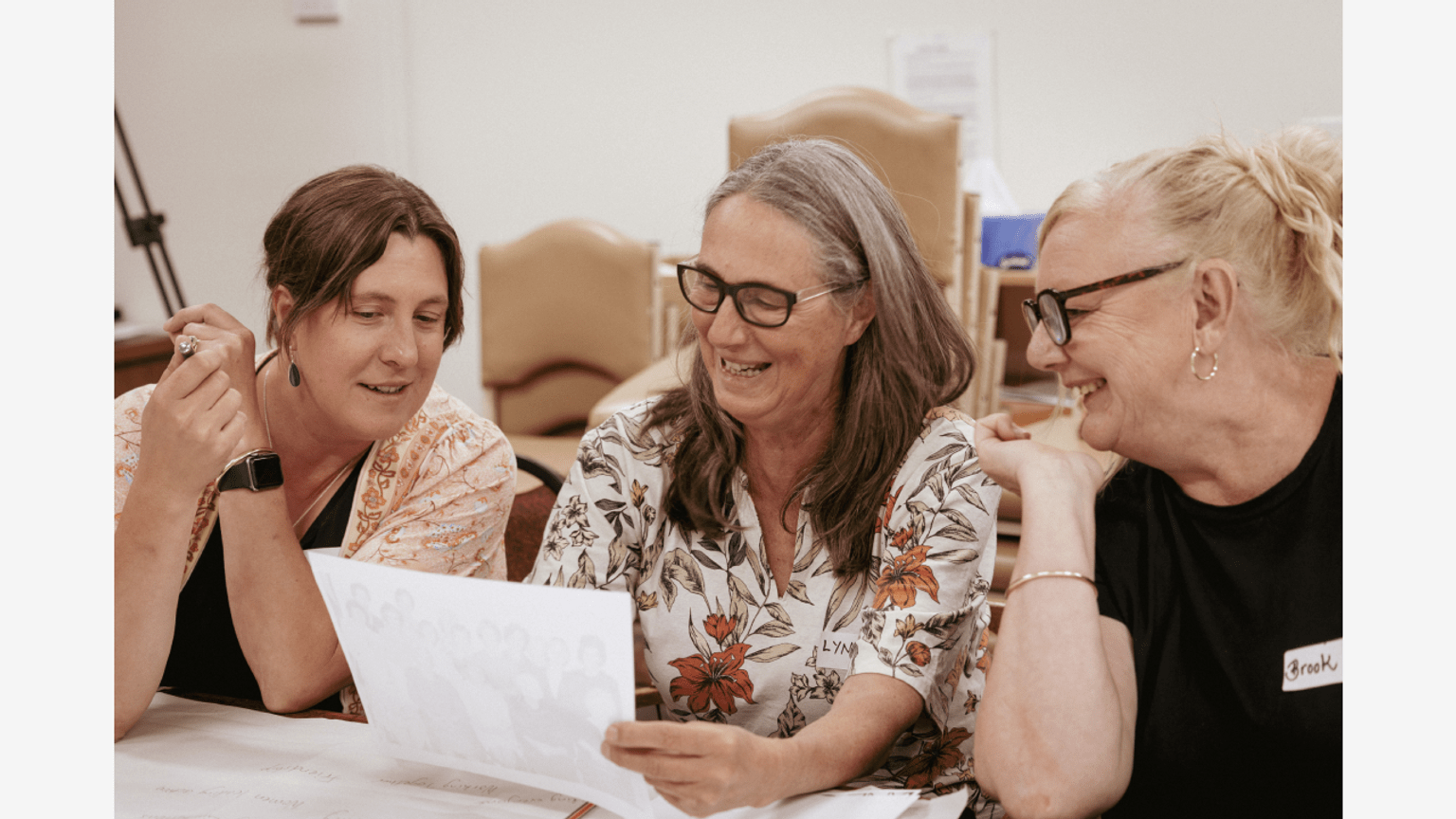
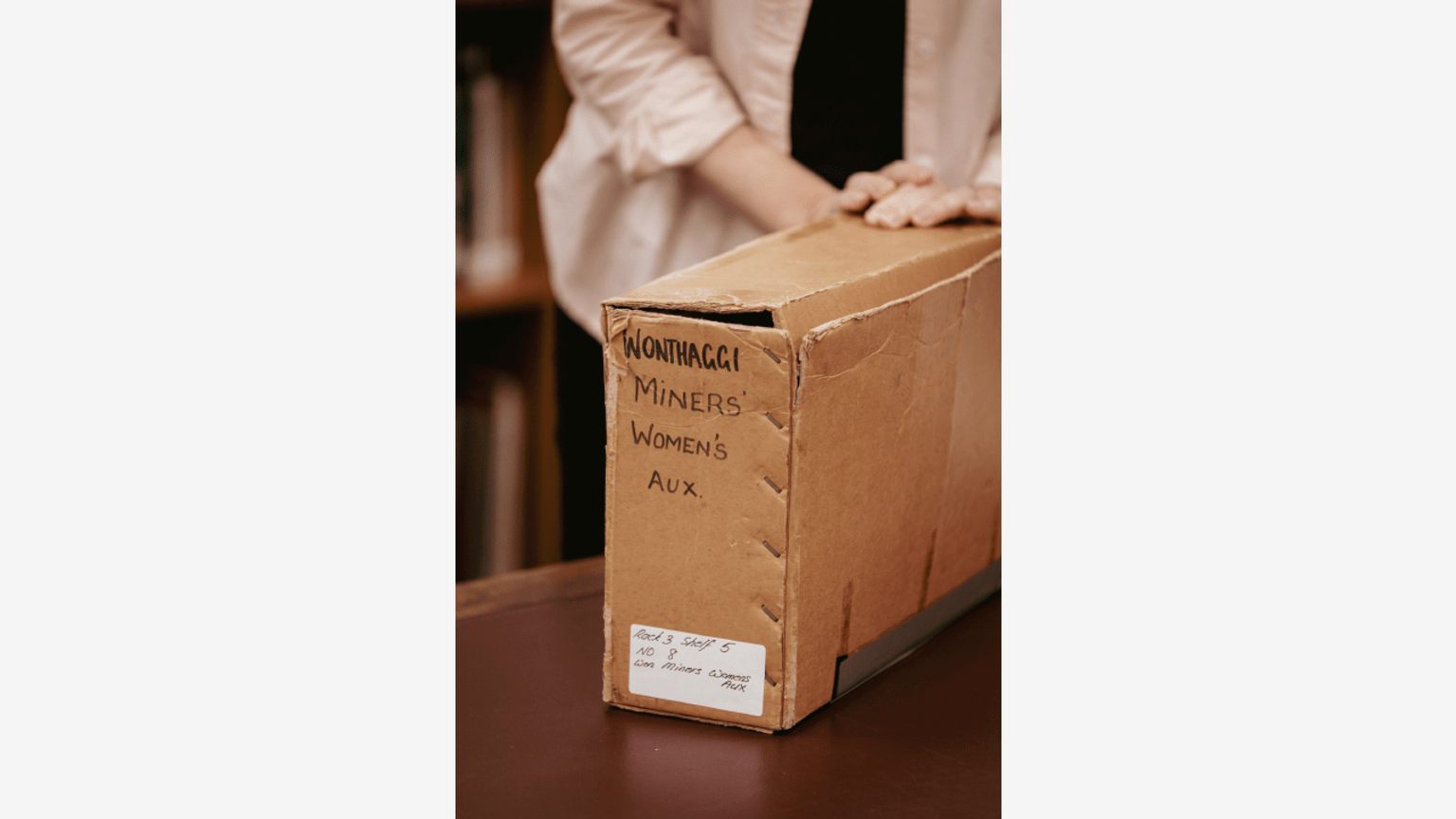
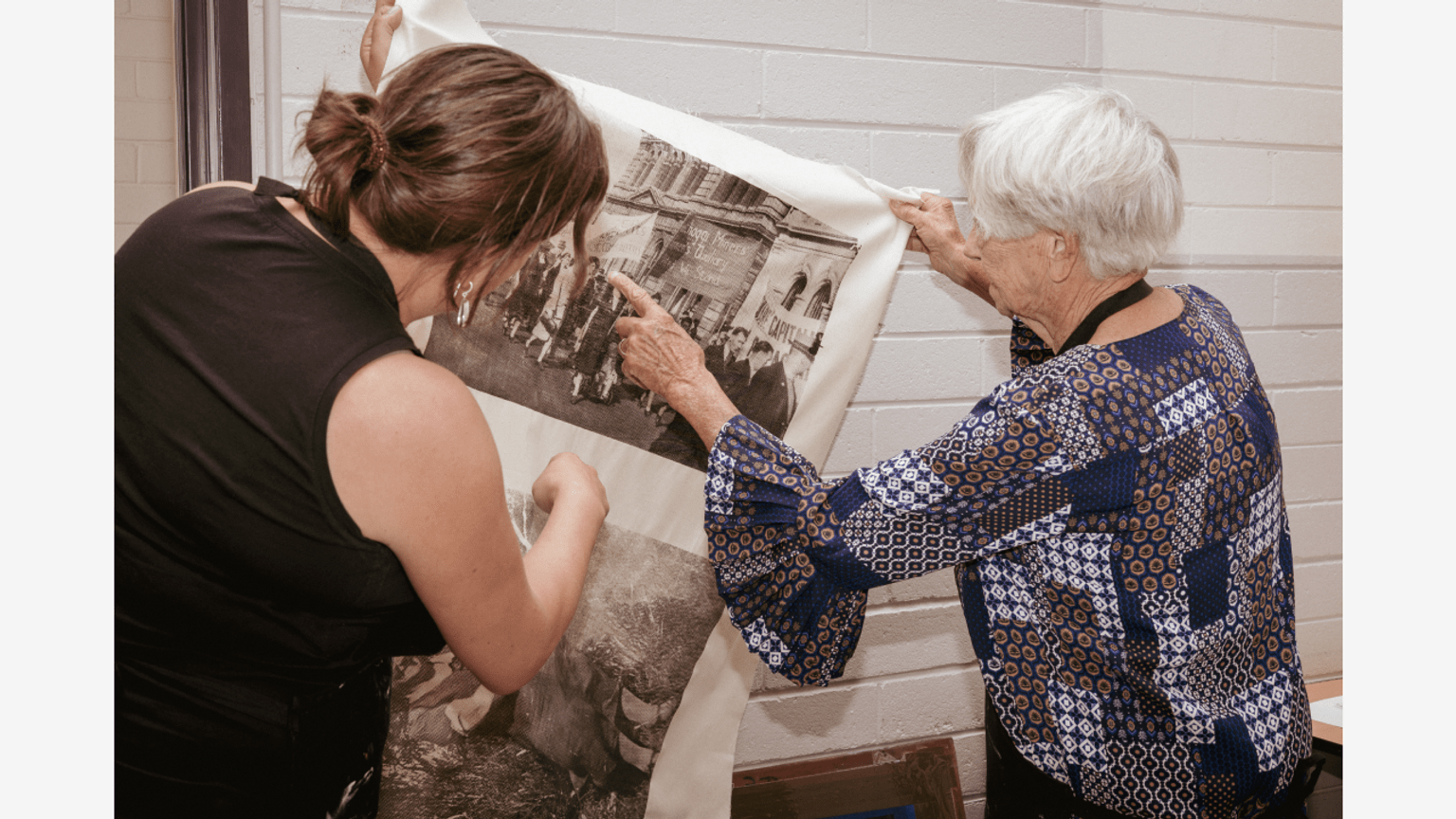
Community members participated in a series of workshops to share their knowledge, memories and perspectives. They began with research, delving into historical archives for source material.
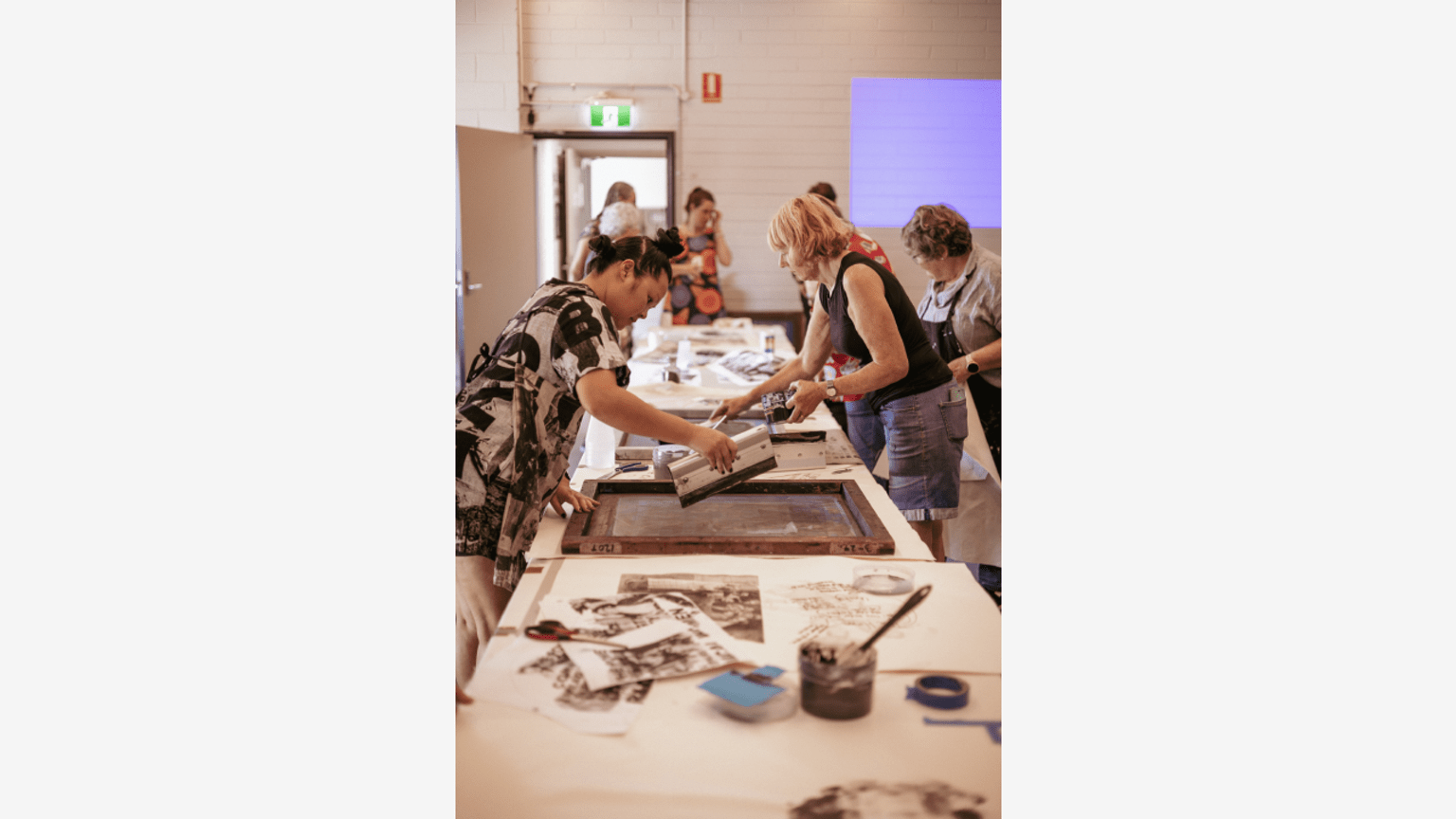
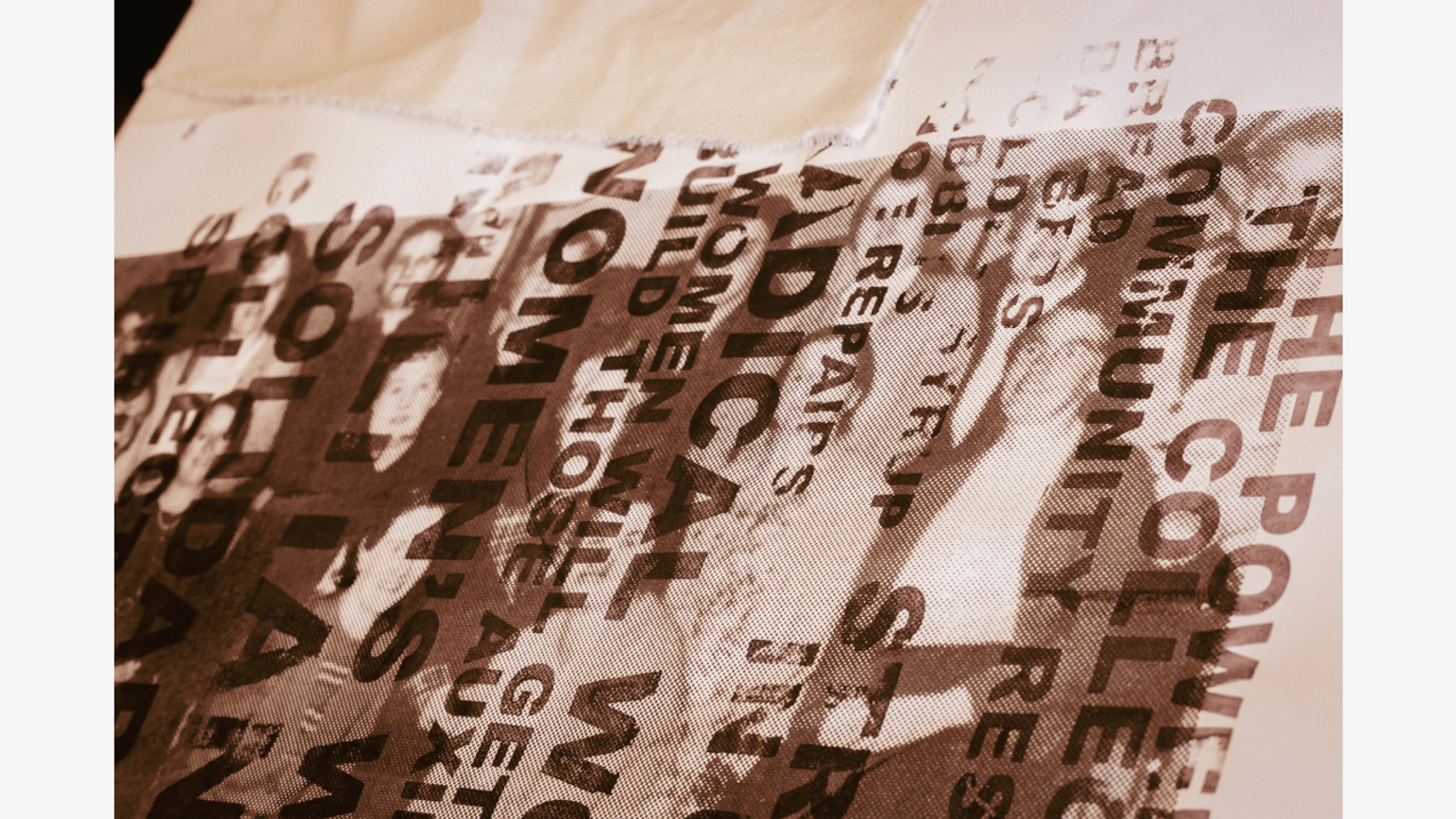
Their creative process included screen-printing archival imagery of the Auxiliary onto textiles and paper, using inks made of black coal from the State Mine in Wonthaggi.
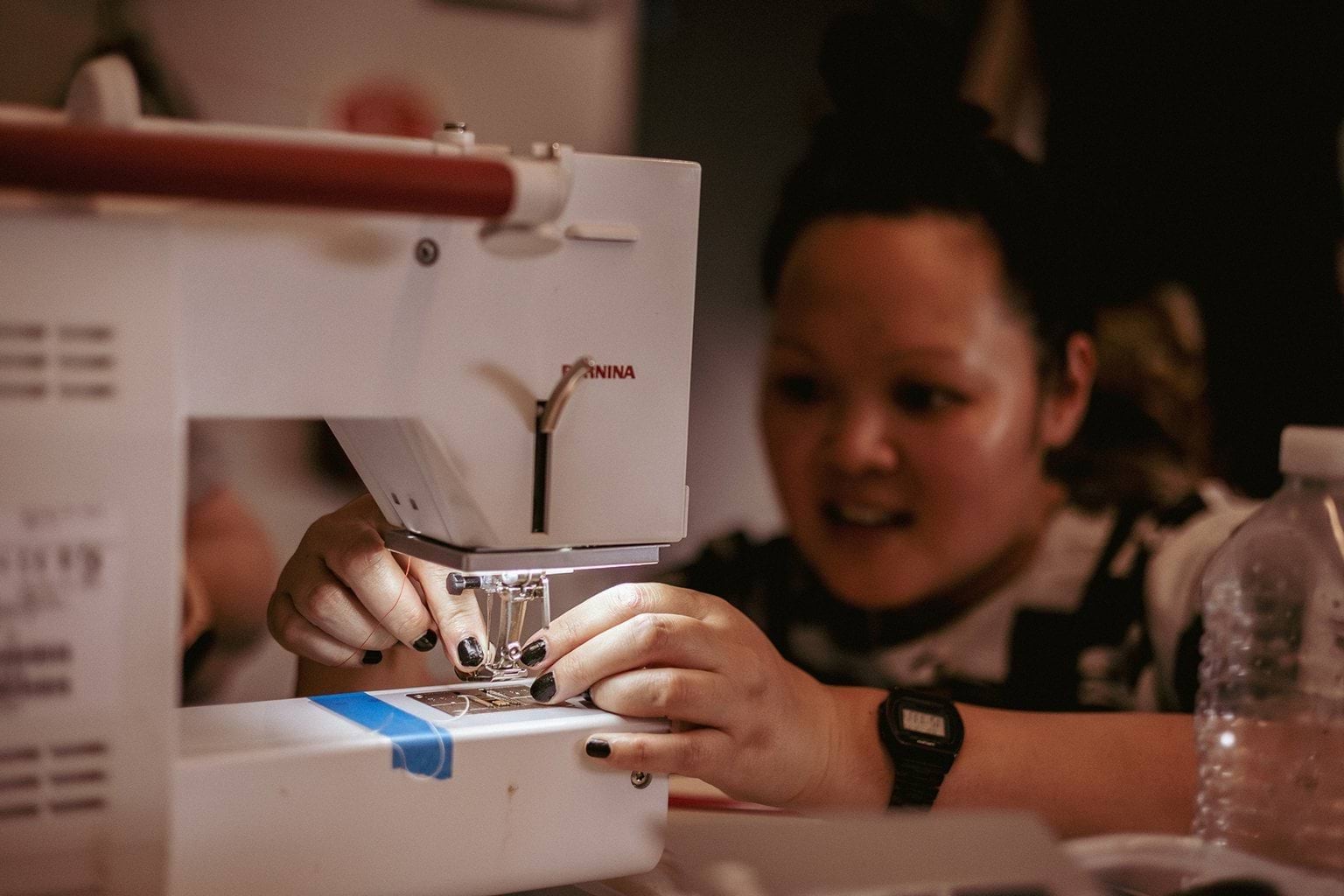
They used collage and sewing techniques to create compositions that Kay worked into the final design.
The collective effort to produce the artwork reflects the work of the Auxiliary to organise for the Wonthaggi community.
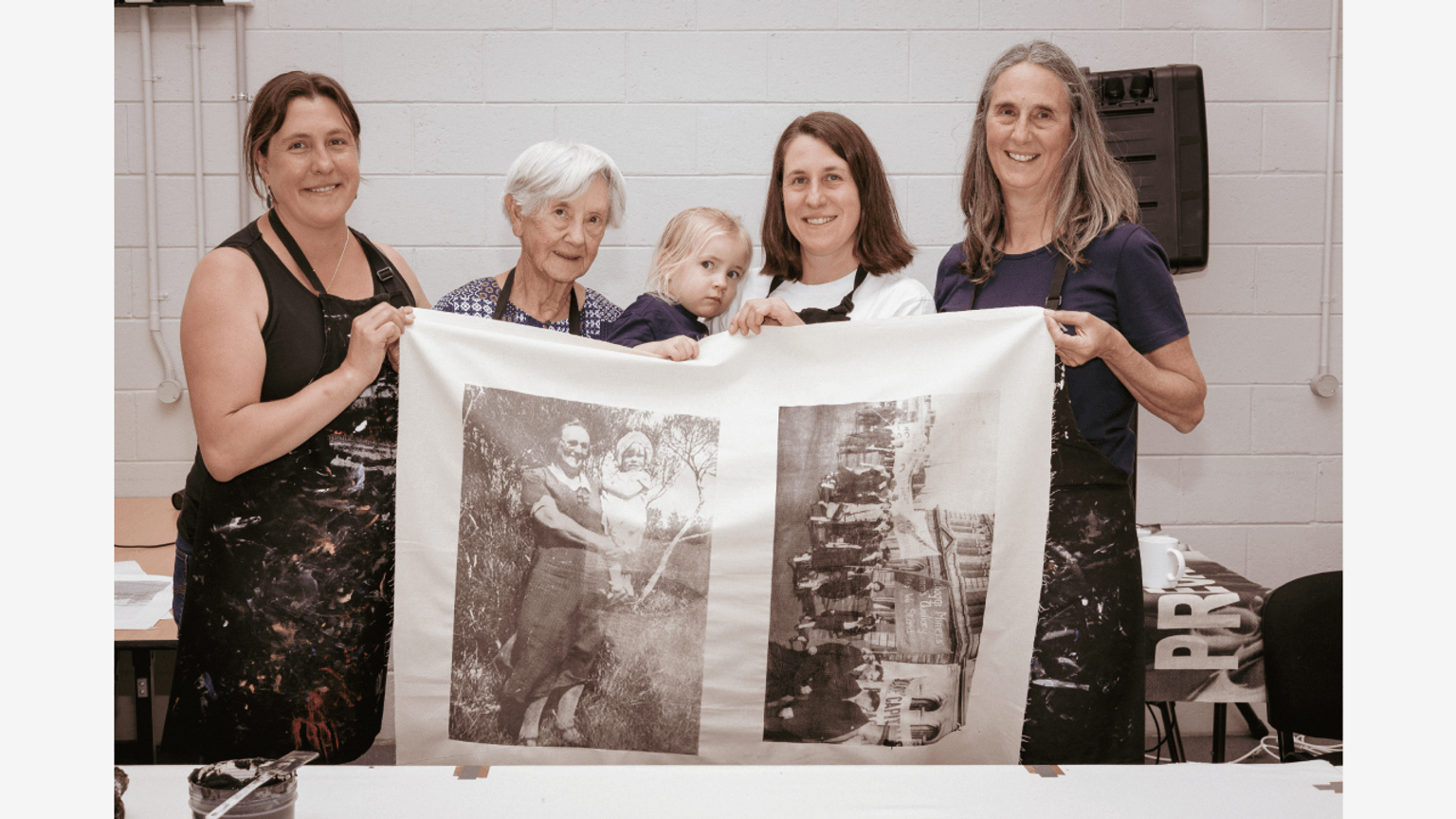
Radical women creative workshops
Four generations of Agnes Chambers’ family: daughter-in-law Doss, granddaughter Lyndal Chambers, great granddaughters Nicola and Corinn Strating and Nellie.
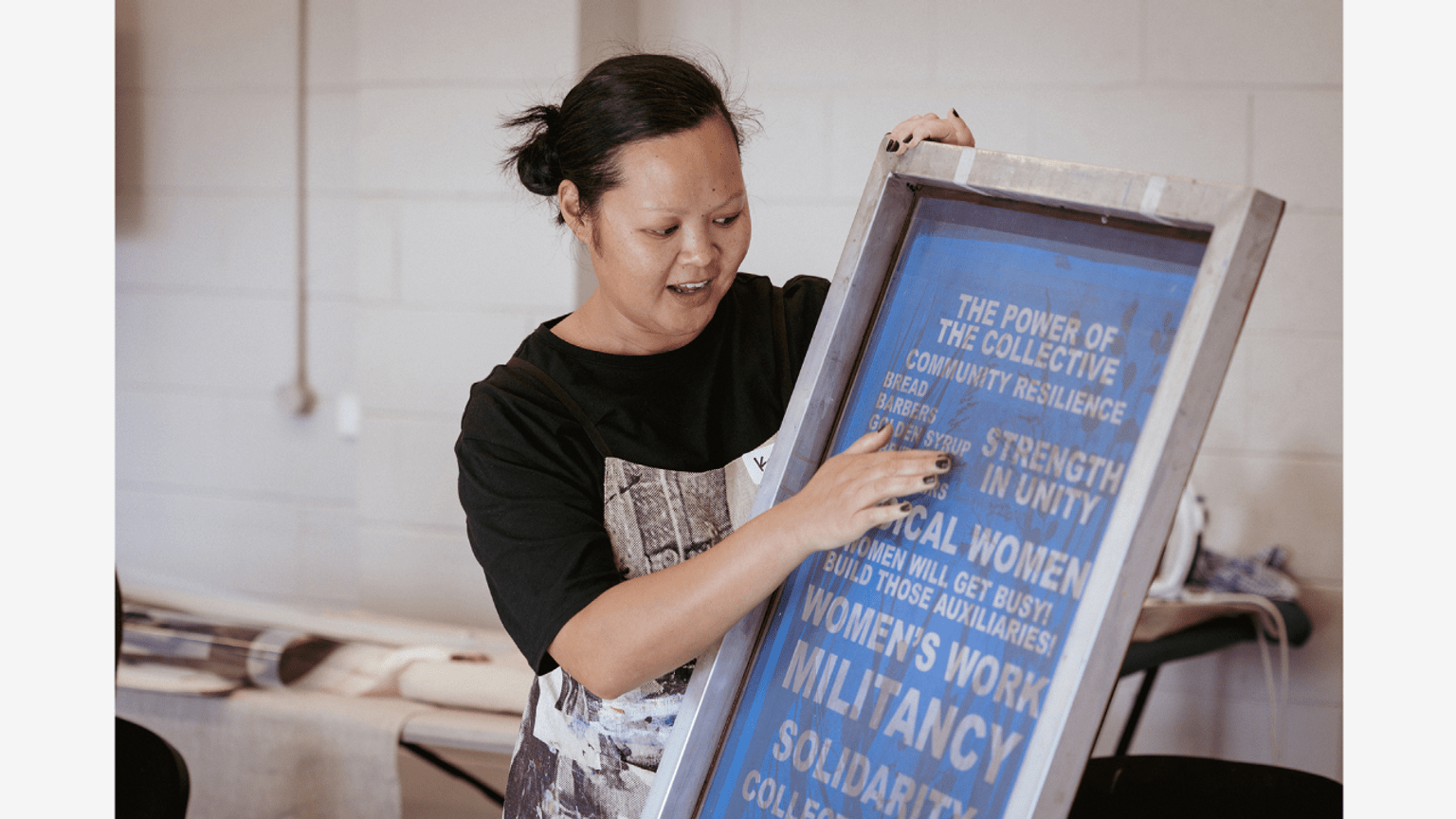
Radical women creative workshops
Kay Abude leads a workshop
Radical women creative workshops
Radical women creative workshops
Radical women creative workshops
Radical women creative workshops
Radical women creative workshops
Radical women creative workshops
Radical women creative workshops
Radical women creative workshops
Radical women creative workshops
Radical women creative workshops
Radical women creative workshops
Radical women creative workshops
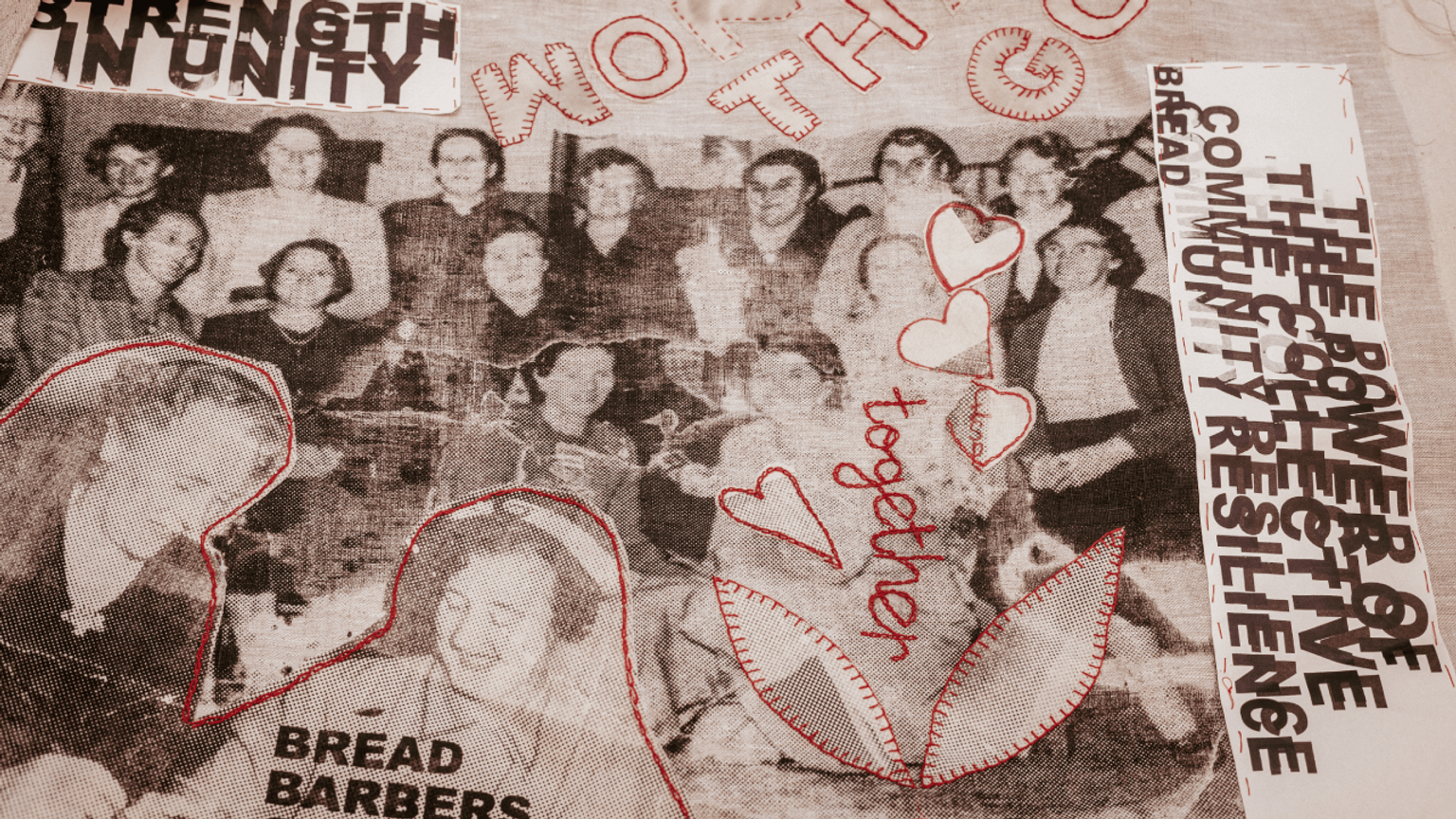
Radical women creative workshops
Kay collaborated with Bass Coast Shire Council, Tilt Industrial Design and photographer Karli Duckett. Stewart Russell and Danica Miller from Spacecraft provided technical screen-printing support. Archisign fabricated and installed the work.
While working as an artist, Kay taught in the higher education sector, then switched to being a stevedore on the Melbourne waterfront.
Kay said:
“My connection to this project comes through the union movement and my interest in women's rights, collective organising, solidarity and collective power.
“Coming from a blue-collar, working-class background, I am interested in the cultures, histories and experiences of working people and their communities.
“I am particularly interested in the role women have played in labour movements and community organising. The history of the Wonthaggi Miners Women's Auxiliary strongly resonates with these interests, making this project a meaningful one for me to undertake.”
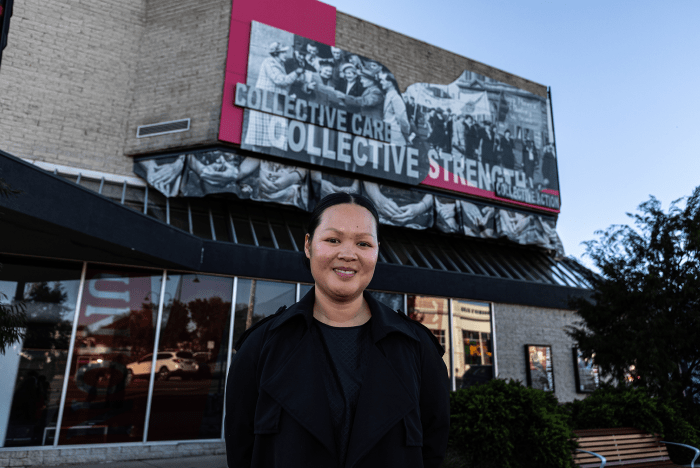
Agnes Chambers was the inaugural Auxiliary president. Her granddaughter Lyndal Chambers said:
“Wonthaggi has a unique industrial history, and it’s fantastic that this artwork typifies the work the Auxiliary accomplished in the early days.
“It’s a really important artwork and acknowledgement of the women – it’s clear from the history that without them, the miners wouldn’t have achieved what they were asking for.
“The women were not afraid to be outspoken, and the title Radical Women is most appropriate.”
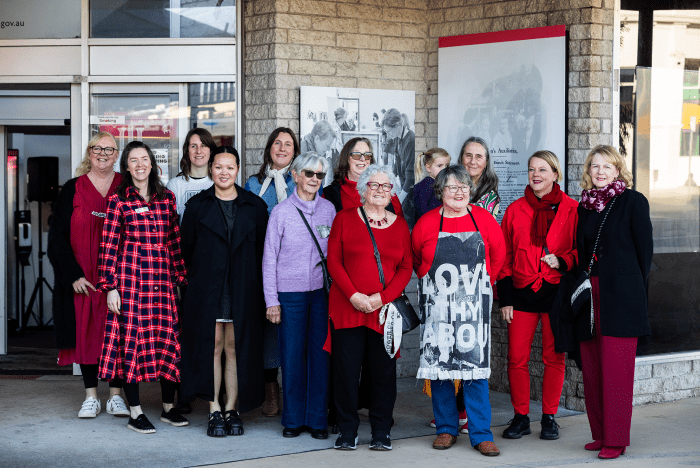
Radical Women can be seen on the wall of the Union Theatre, which was built in 1925 by the Miners’ Union.
During the 1934 coal strike, the building was used as makeshift union offices. It was also a community hub for ration distribution and political meetings. The Women’s Auxiliary met in the basement.
The textile and community-led design work is displayed inside.
Biography
Radical Women is a fitting name for the work. The Wonthaggi Miners’s Women’s Auxiliary was formed in 1934 during a five-month coal miners’ strike.
It was the first women's auxiliary of a mining union. Its initial purpose was to raise funds and provide support for the striking miners to enable their strike to continue.
After the strike ended, the impact and legacy of the Auxiliary was felt for decades as they continued to fundraise, organise and fight to deliver for social justice, support programs and infrastructure for working families in the area.
They lobbied for a maternity wing at the Miners’ Hospital, a restroom for mothers coming into town, a kindergarten and public library.
They travelled the state to talk to workers, explain the issues and ask for assistance, at union and public meetings, at factory gates and rallies in Melbourne. They showed that women could exert significant political influence in their communities and beyond.
The inaugural Auxiliary committee was led by president Agnes Chambers, vice-president Meg Foster, and secretary Helen Hamill.
Agnes Chambers was born in Scotland in 1883. She arrived in Australia with her family in 1922. The maternity wing of Wonthaggi hospital was named after her. She was the first president of the Auxiliary. She represented Wonthaggi at the first national conference of miners’ auxiliaries in 1940. Agnes passed away in 1969.
Agnes Doig was born in Scotland in 1906 and came to Australia in the 1920s. She was a member and secretary of the Auxiliary, a life governor of Wonthaggi hospital and member of many local committees. She was a prominent Communist Party activist, who ran 5 times for the Senate on the Communist ticket. She and her husband Wattie are the subjects of the 1984 Richard Lowenstein film Strikebound. Agnes passed away in 1992.
Aunty Dorothy Peters
Aunty Dorothy ‘Dot’ Peters AM was a widely loved and respected Yarra Yarra woman.
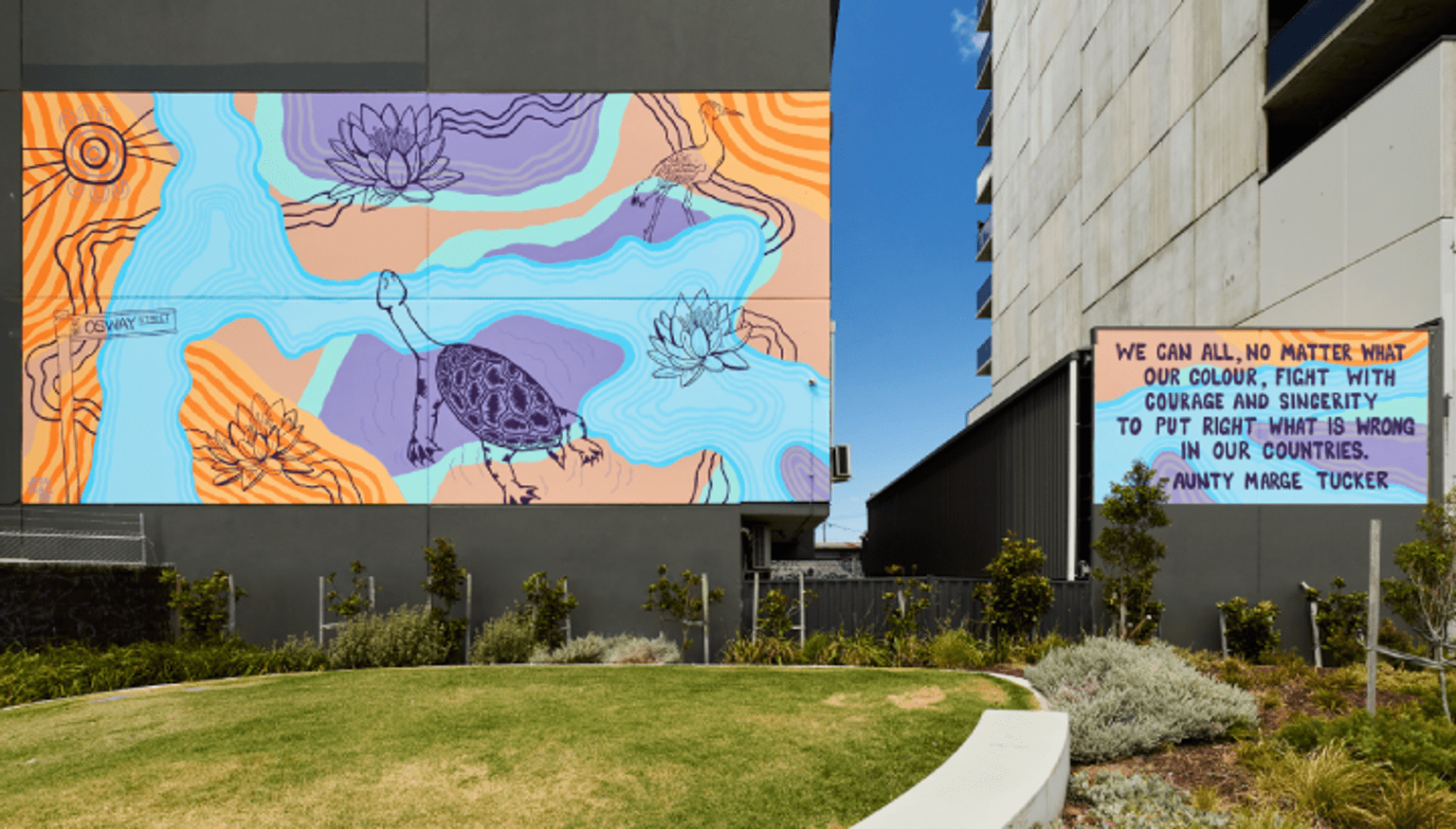
Aunty Margaret (Lilardia) Tucker MBE
Aunty Margaret Tucker MBE was an activist for Aboriginal rights.
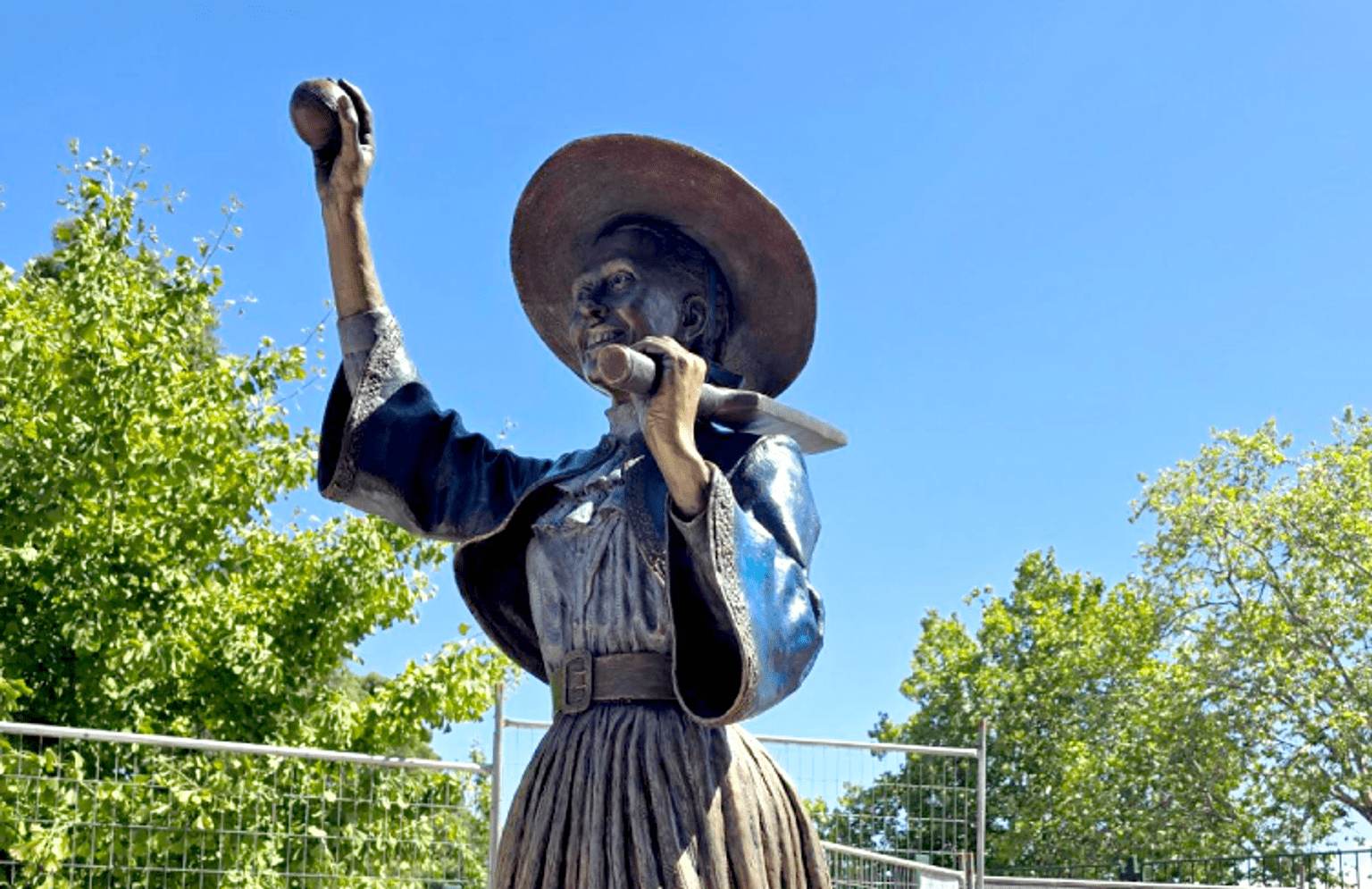
Barbara Rae
Barbara Rae was the top scorer and winning captain of the first women’s cricket match held in Australia.
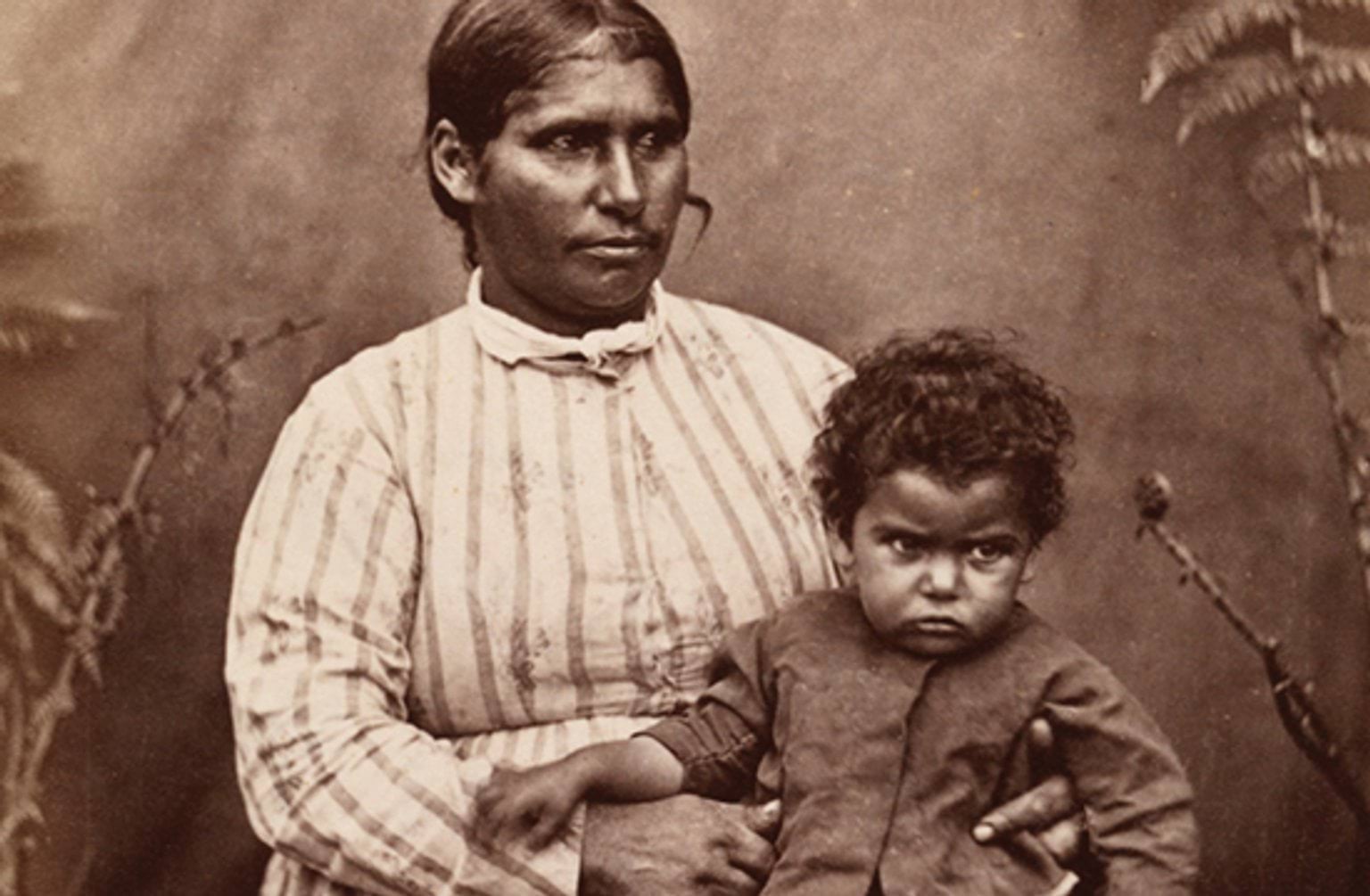
Louisa Briggs
Louisa Briggs was a trailblazing Aboriginal rights leader, midwife and nurse.
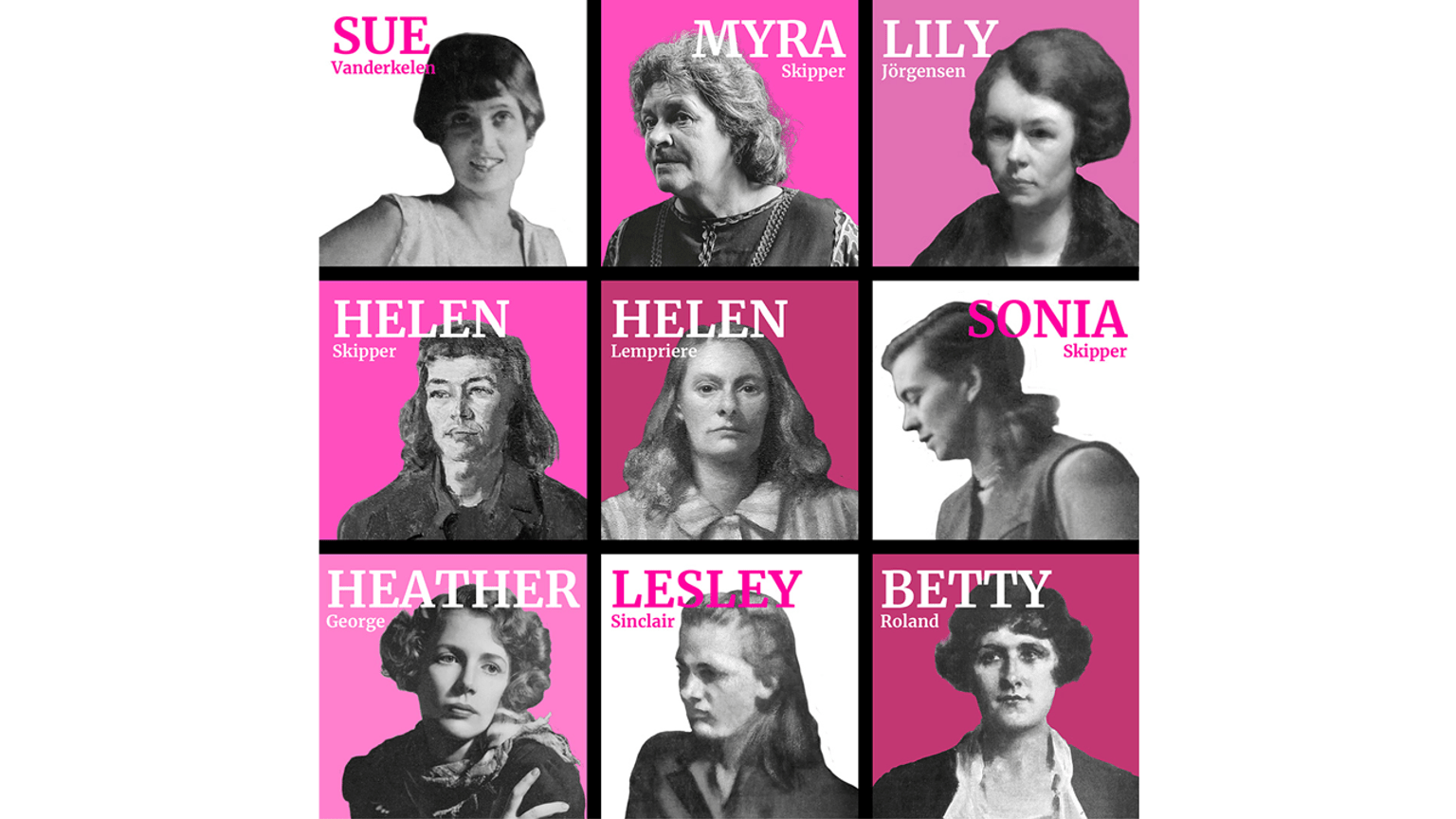
The women of Montsalvat
The women who were the driving force behind Montsalvat’s design, construction and culture.
The Women's Public Art Program complements the Victorian Honour Roll of Women, which celebrates women's outstanding leadership and contributions to life in Victoria.
Finding Her is Australia’s first interactive state-wide digital map spotlighting women’s commemorative sites. You can read about these public art projects and many more at Finding Her.
Follow along on social channels
Share the stories of inspirational Victorian women via DFFH’s social media channels.
Department of Families, Fairness and Housing
- Facebook: @VicGovDFFH
- LinkedIn: @VicGovDFFH
- Instagram @VicGovDFFH
Victorian Women's Public Art Program
The Victorian Women's Public Art Program aims to address the underrepresentation of women and their achievements through enduring public artworks.
Updated