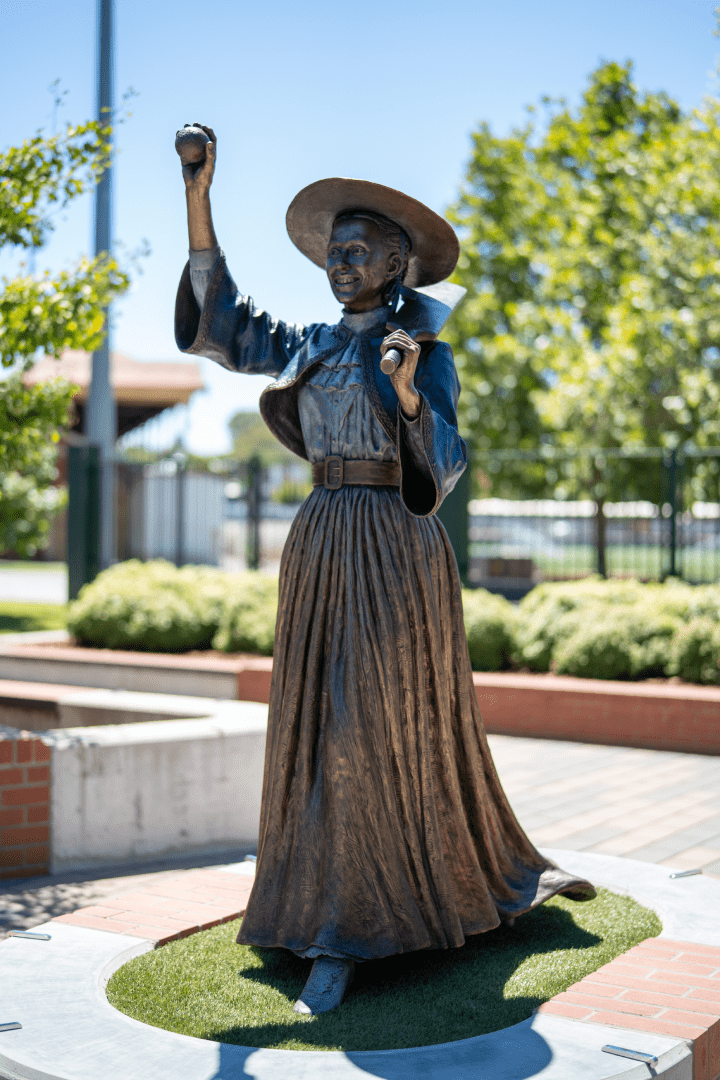
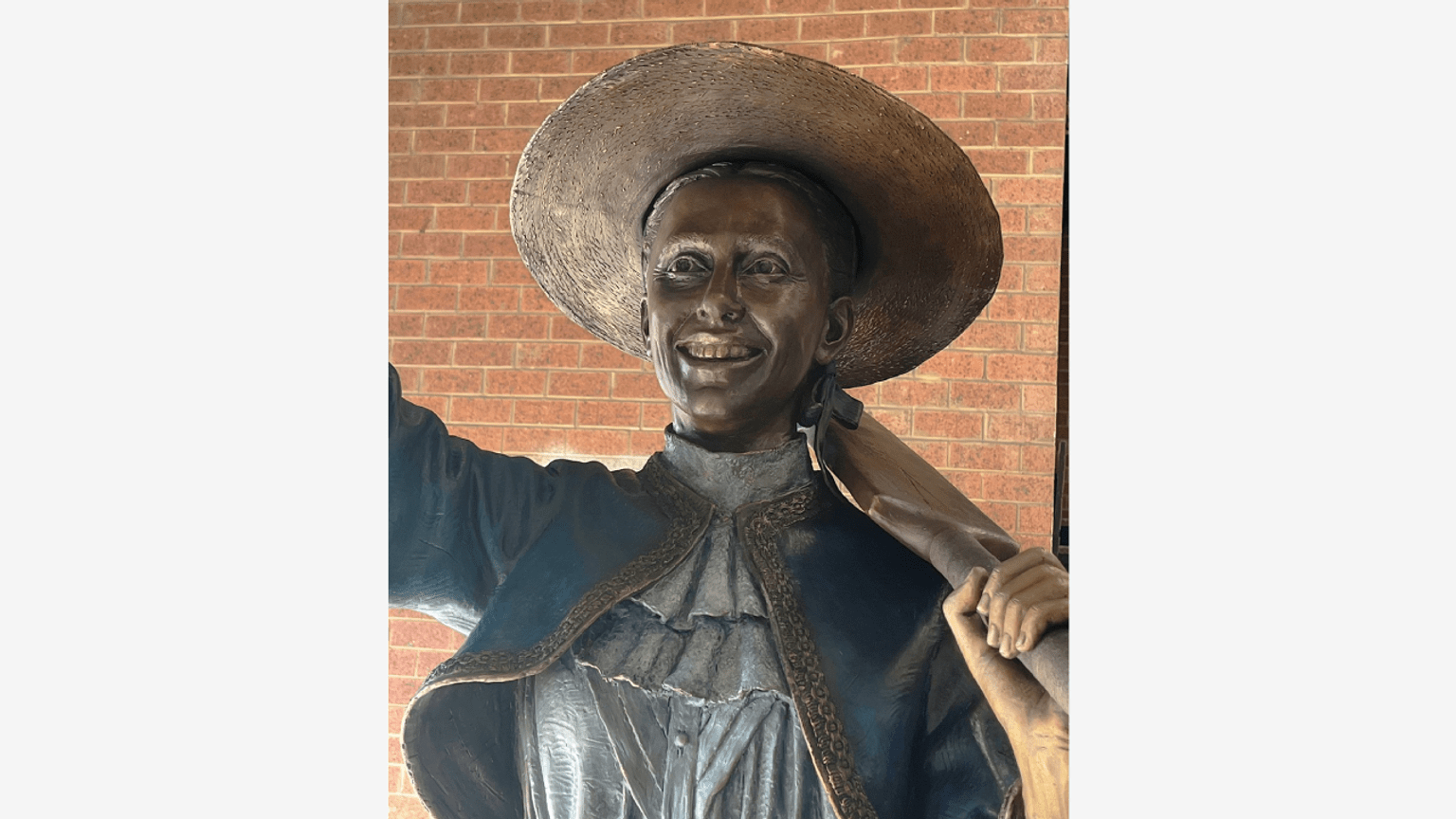
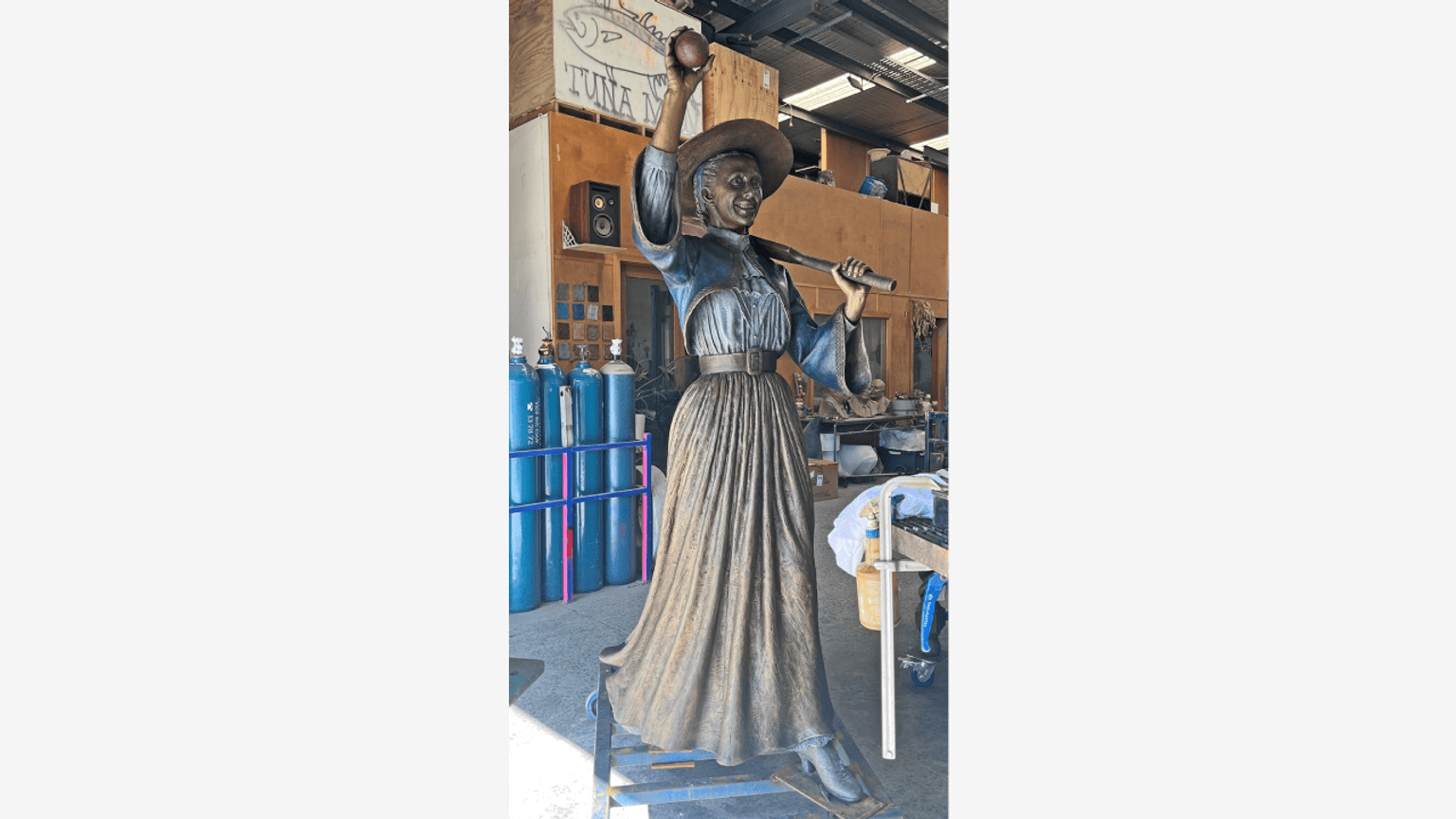
Barbara Rae celebrates the win is a bronze sculpture of Barbara Rae, the winning captain of Australia’s first women’s cricket match.
Standing at the entrance to Queen Elizabeth Oval on View St in Bendigo, Dja Dja Wurrung Country, it captures the vibrant energy of the top scorer of the match that was played on 7 April, 1874, in Bendigo.
Artist: Lis Johnson
Location: Queen Elizabeth Oval forecourt, View St, Bendigo, Dja Dja Wurrung Country
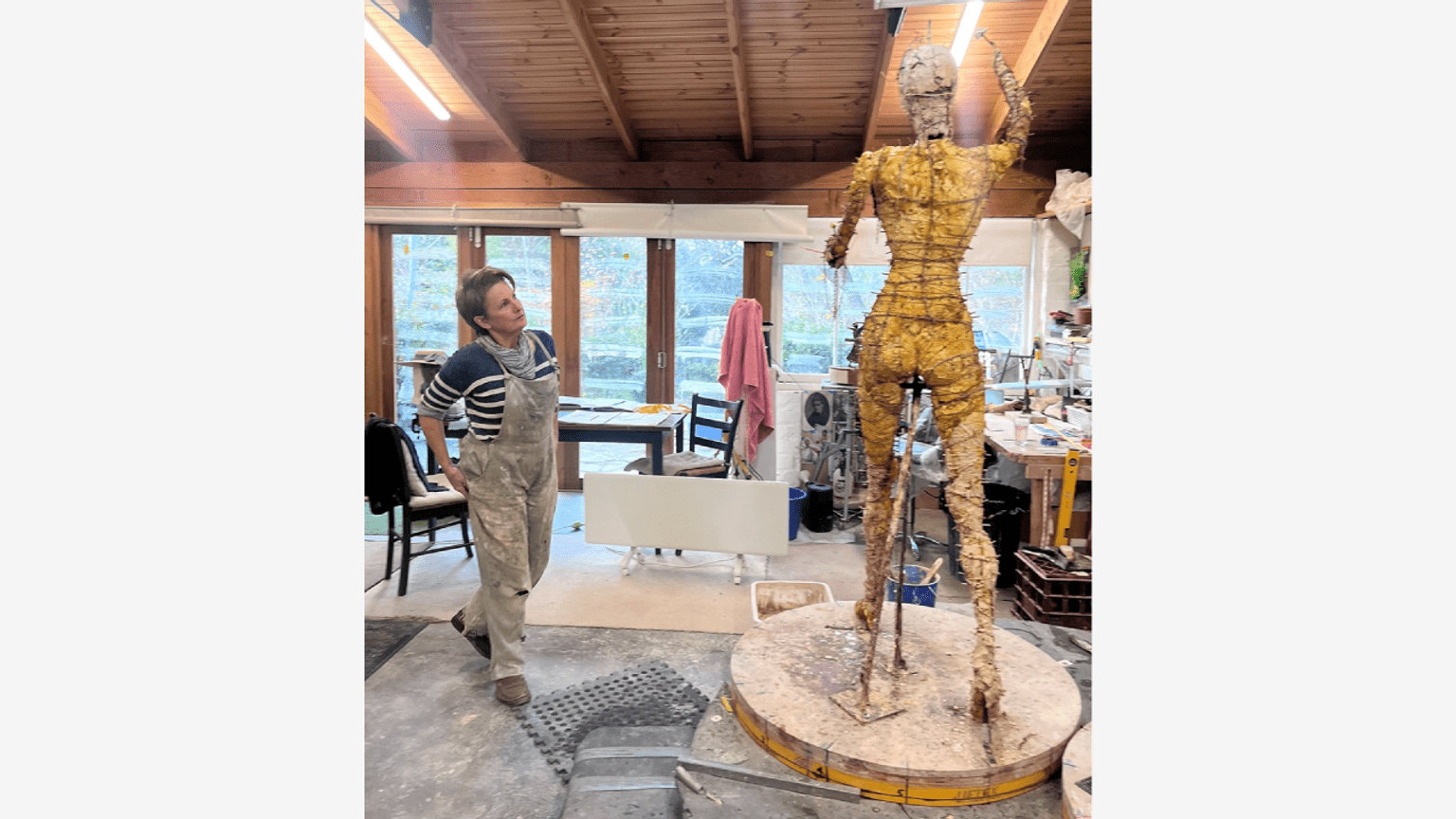
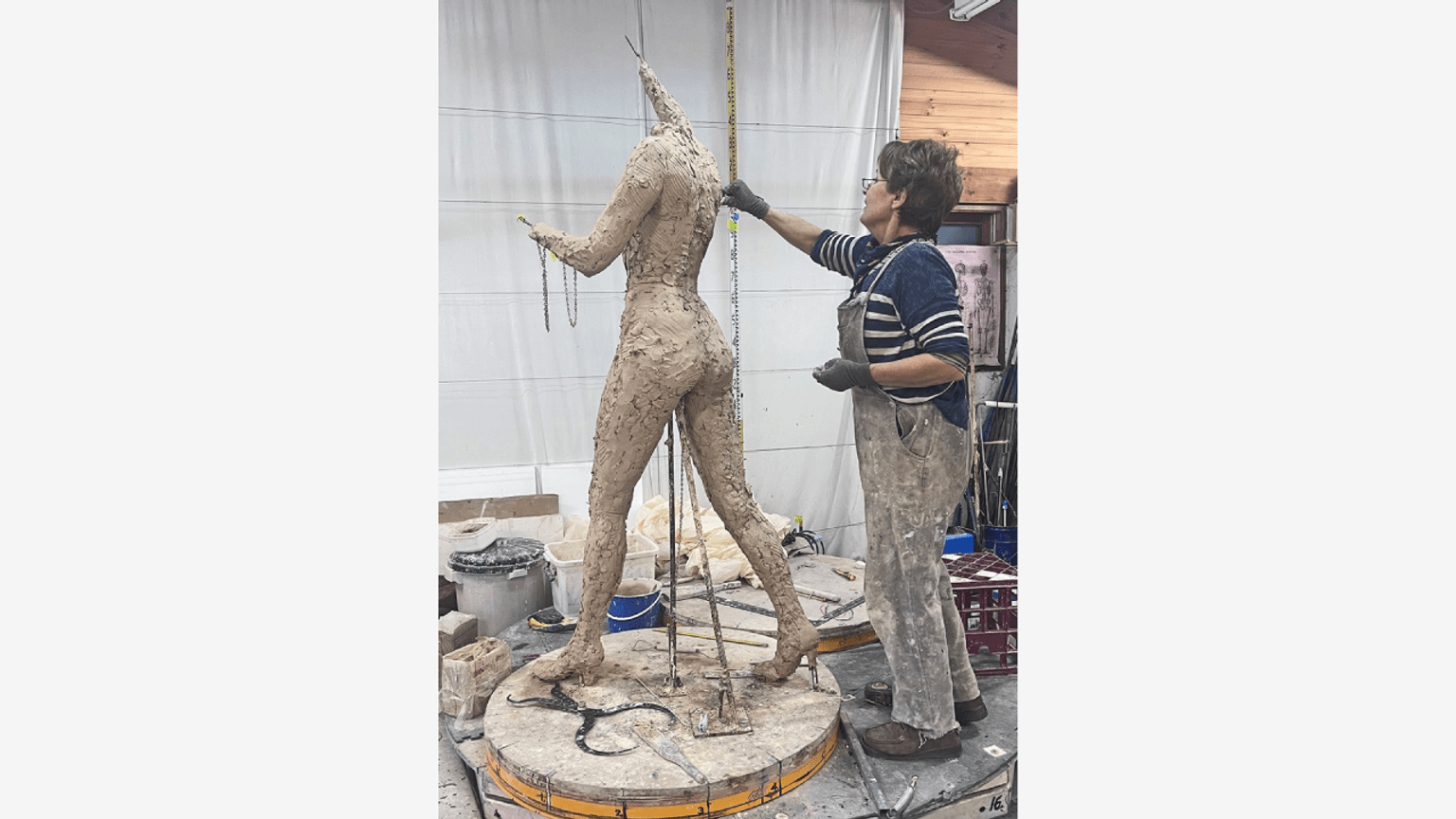
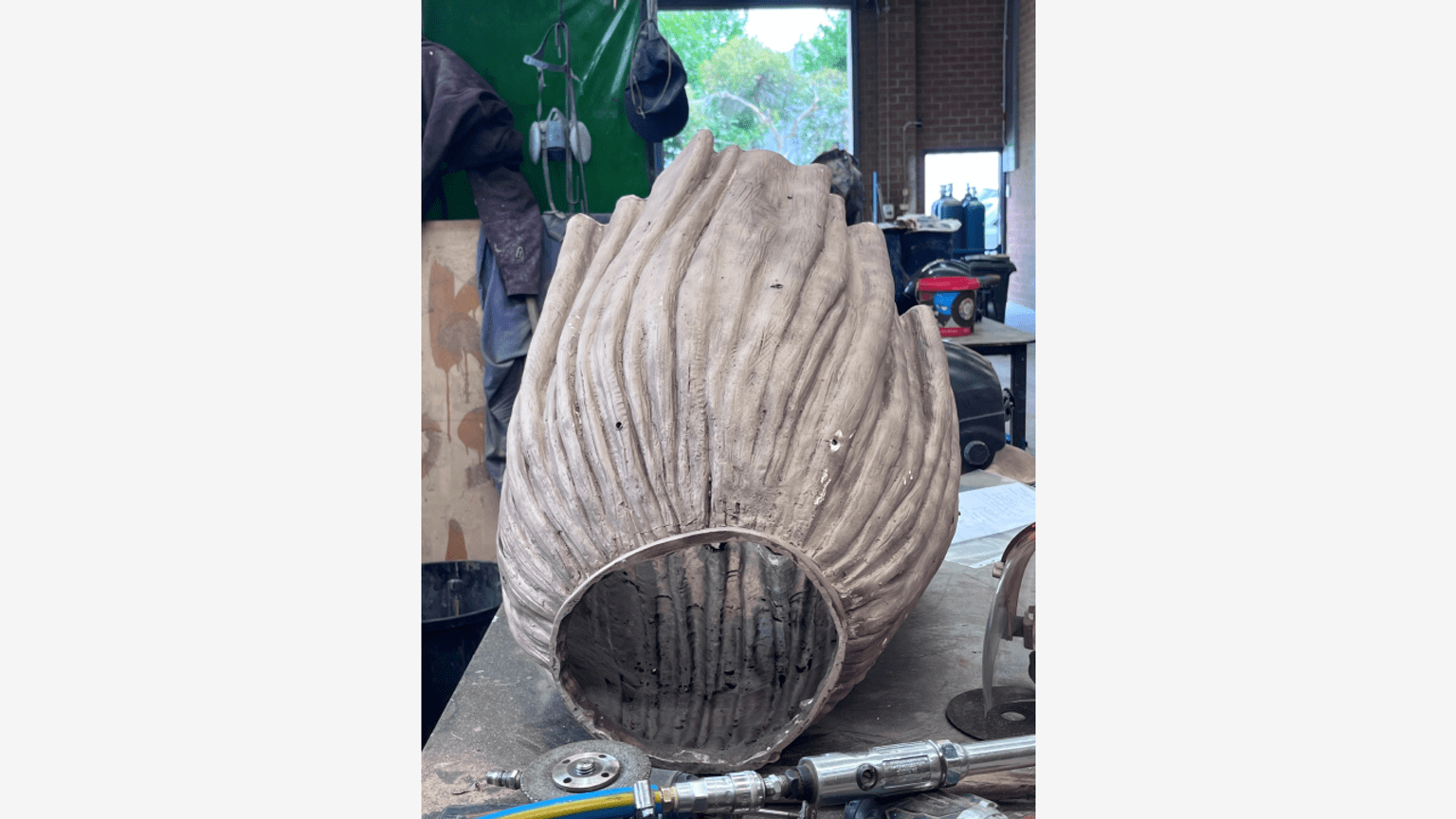
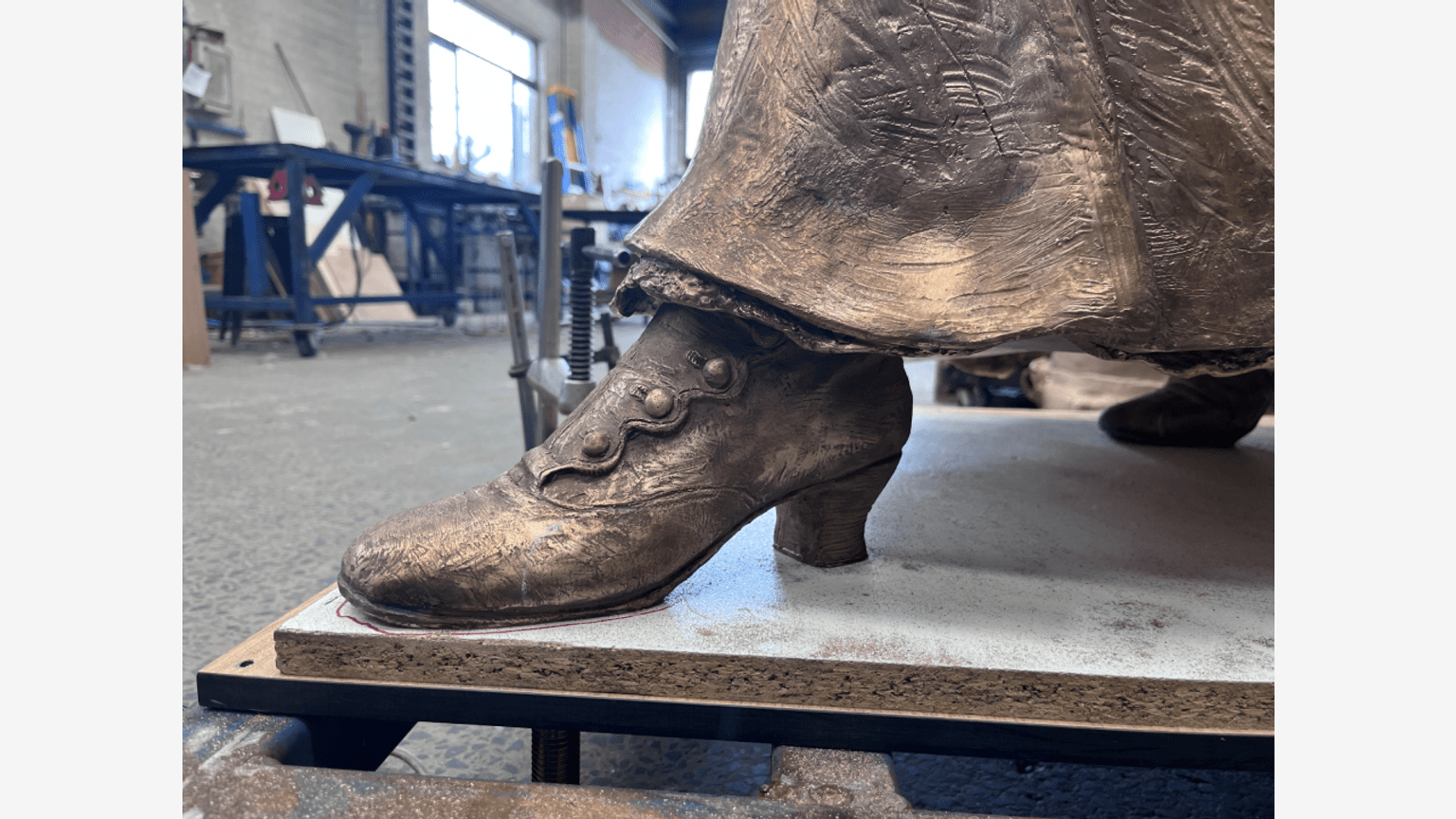
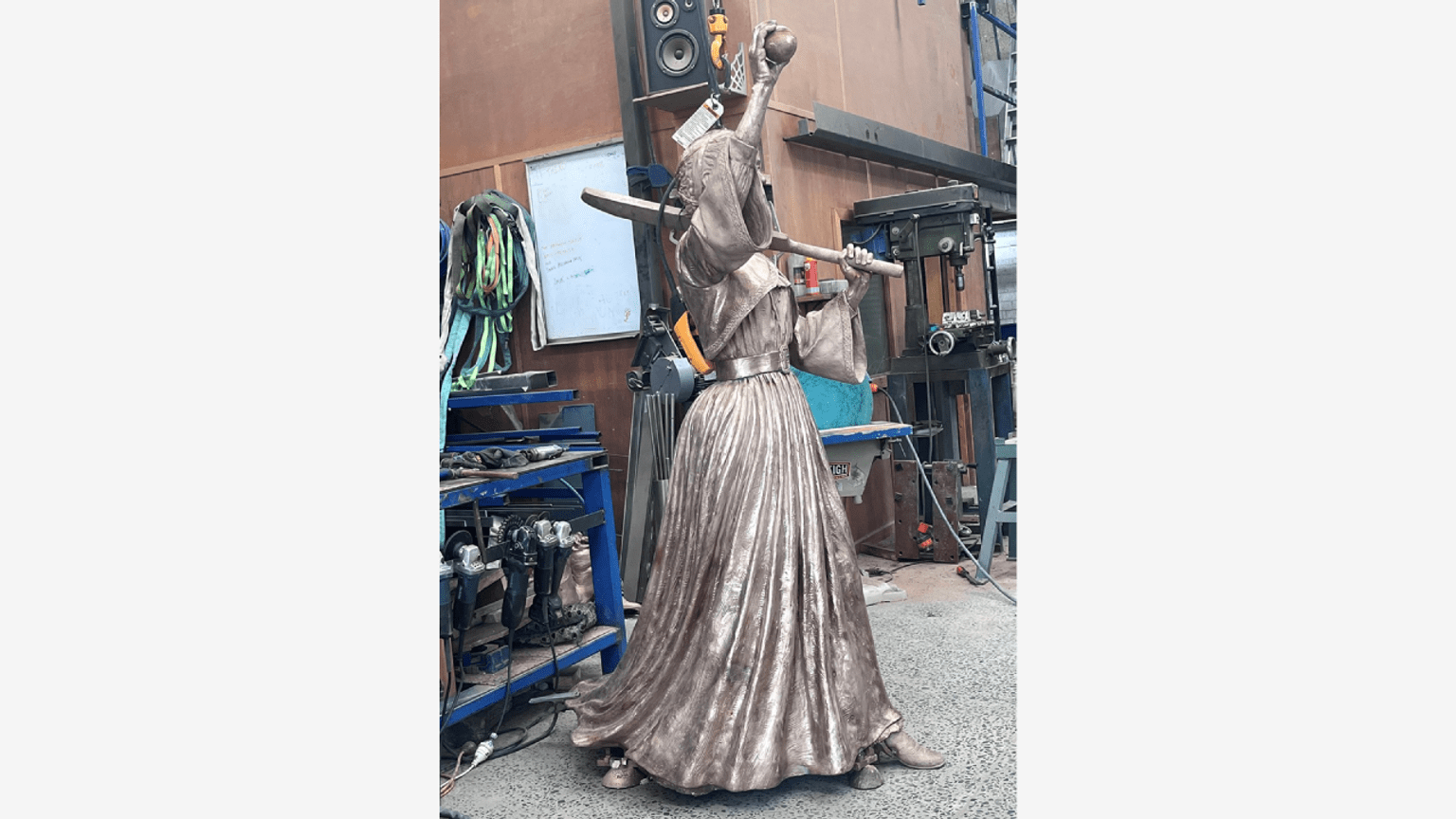
The sculpture was created by Lis Johnson at her studio in central Victoria and the bronze cast at Mal Wood Foundry in Reservoir. Barbara Rae stands 1.9 metres tall on her plinth, bat and ball in hand, striding off the field victorious.
Lis Johnson is one of Australia’s most respected figurative portrait sculptors. Her work includes iconic Australian sporting heroes at the MCG and Rod Laver Arena and five political figures in Canberra’s Parliamentary Triangle.
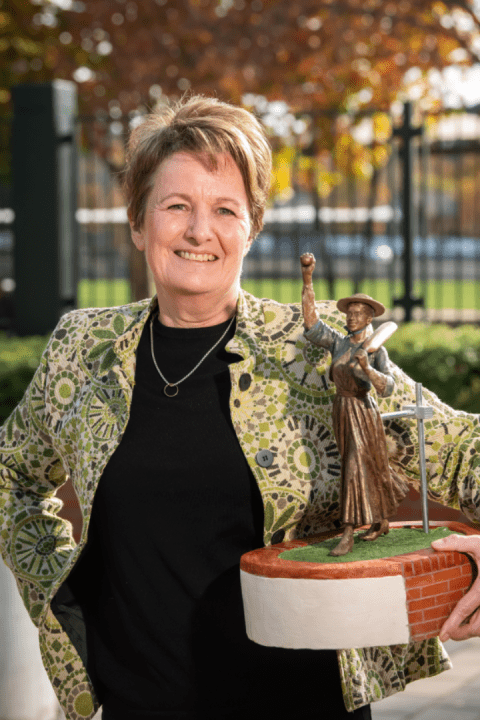
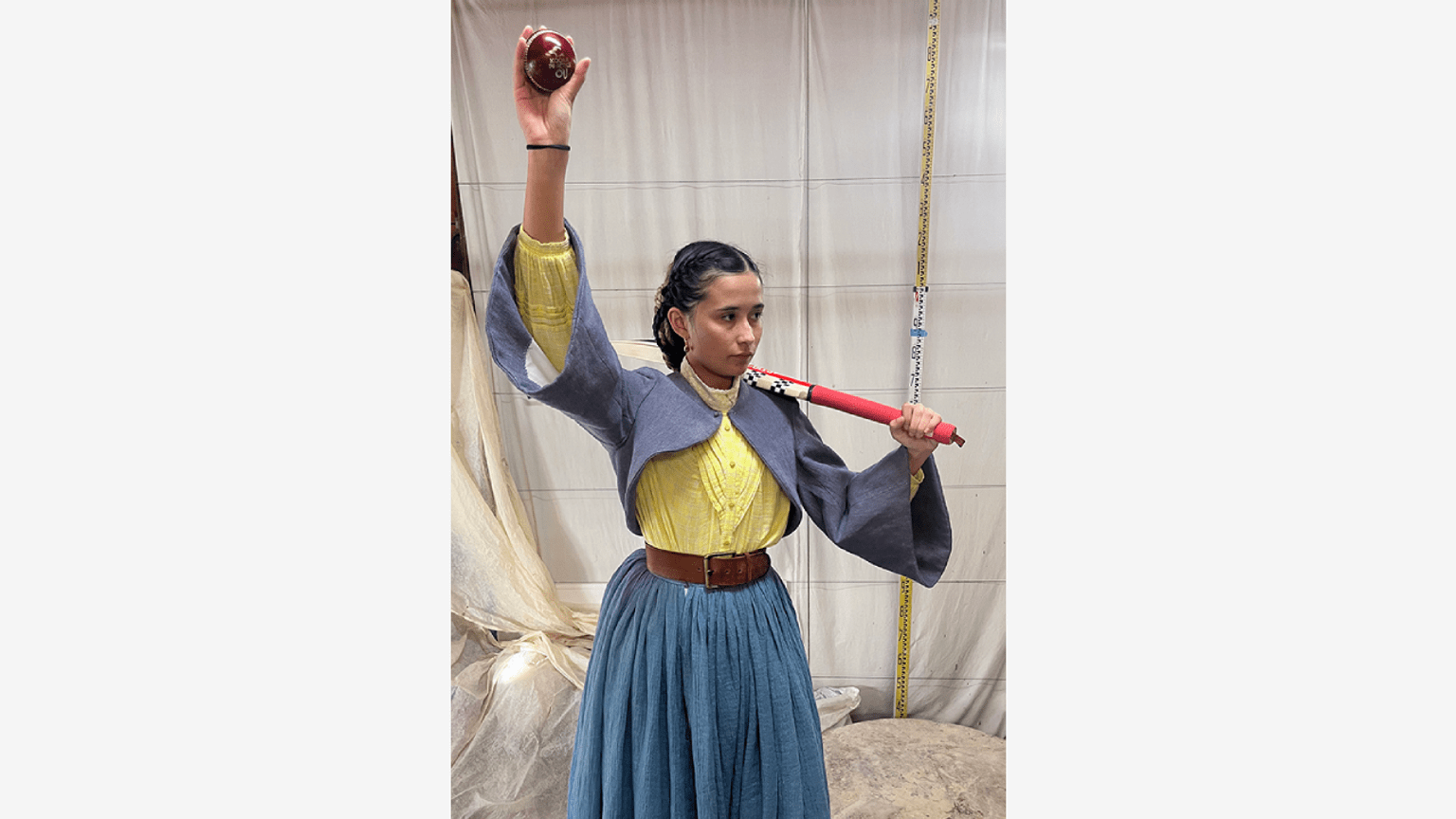
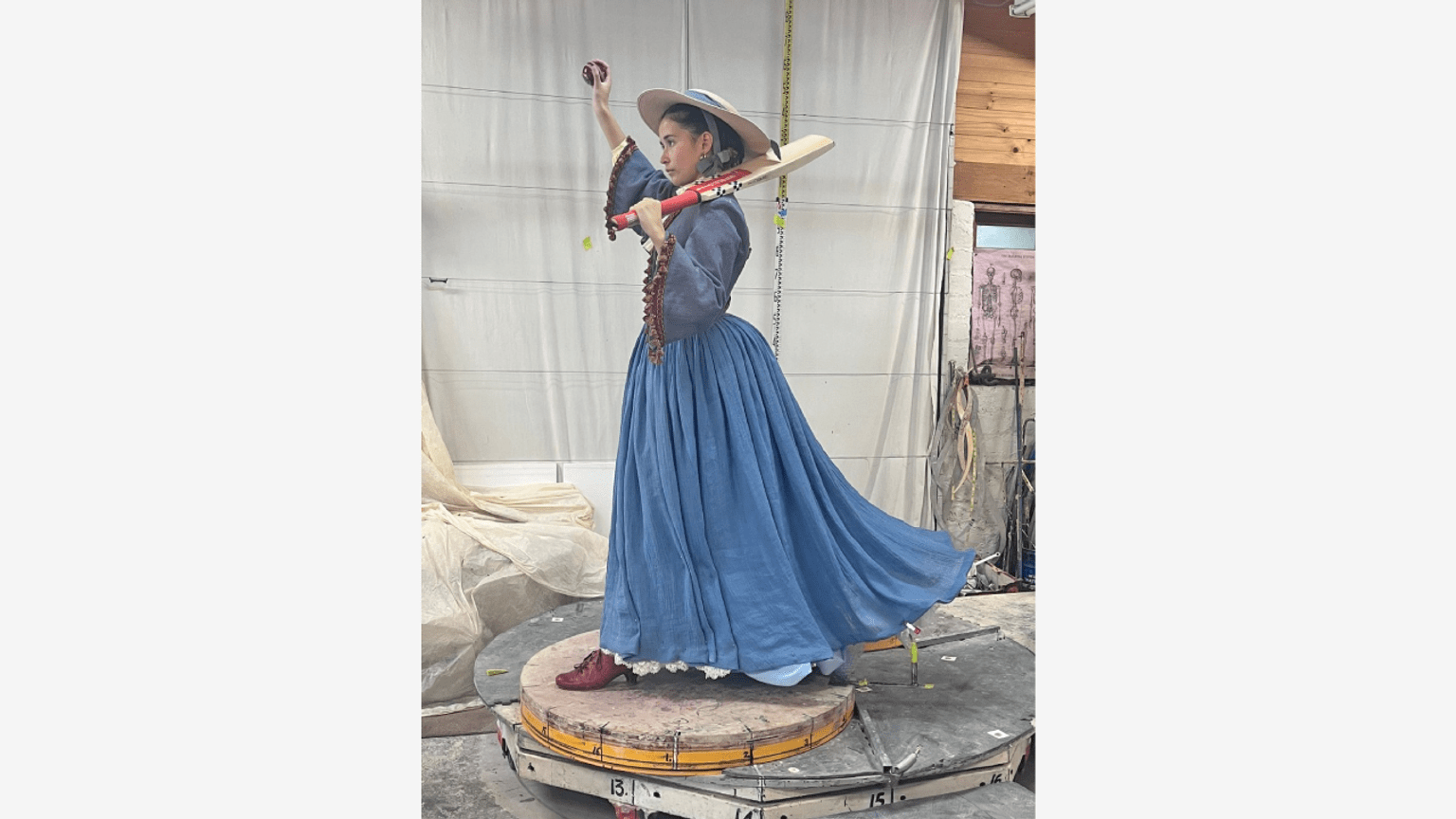
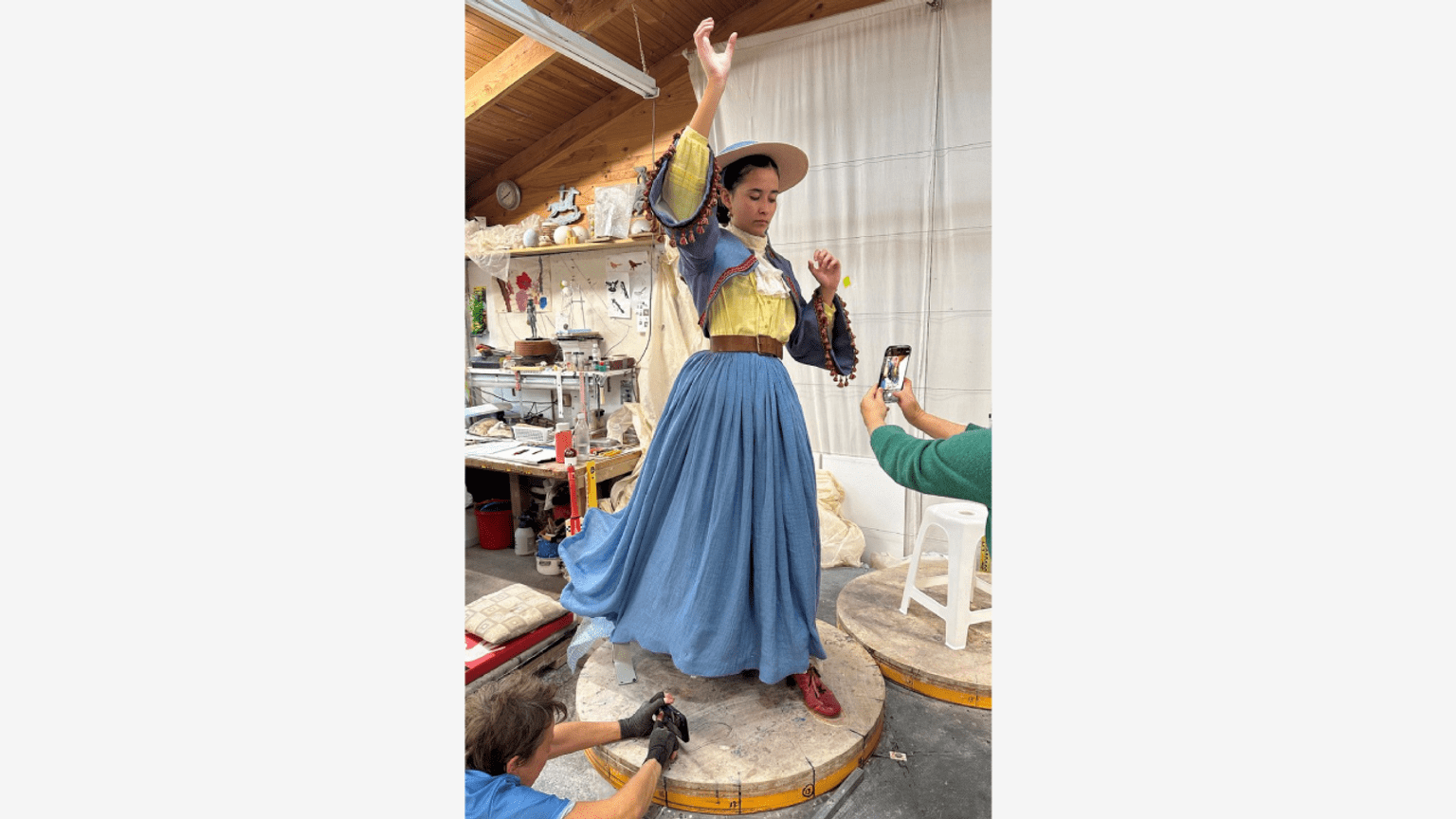
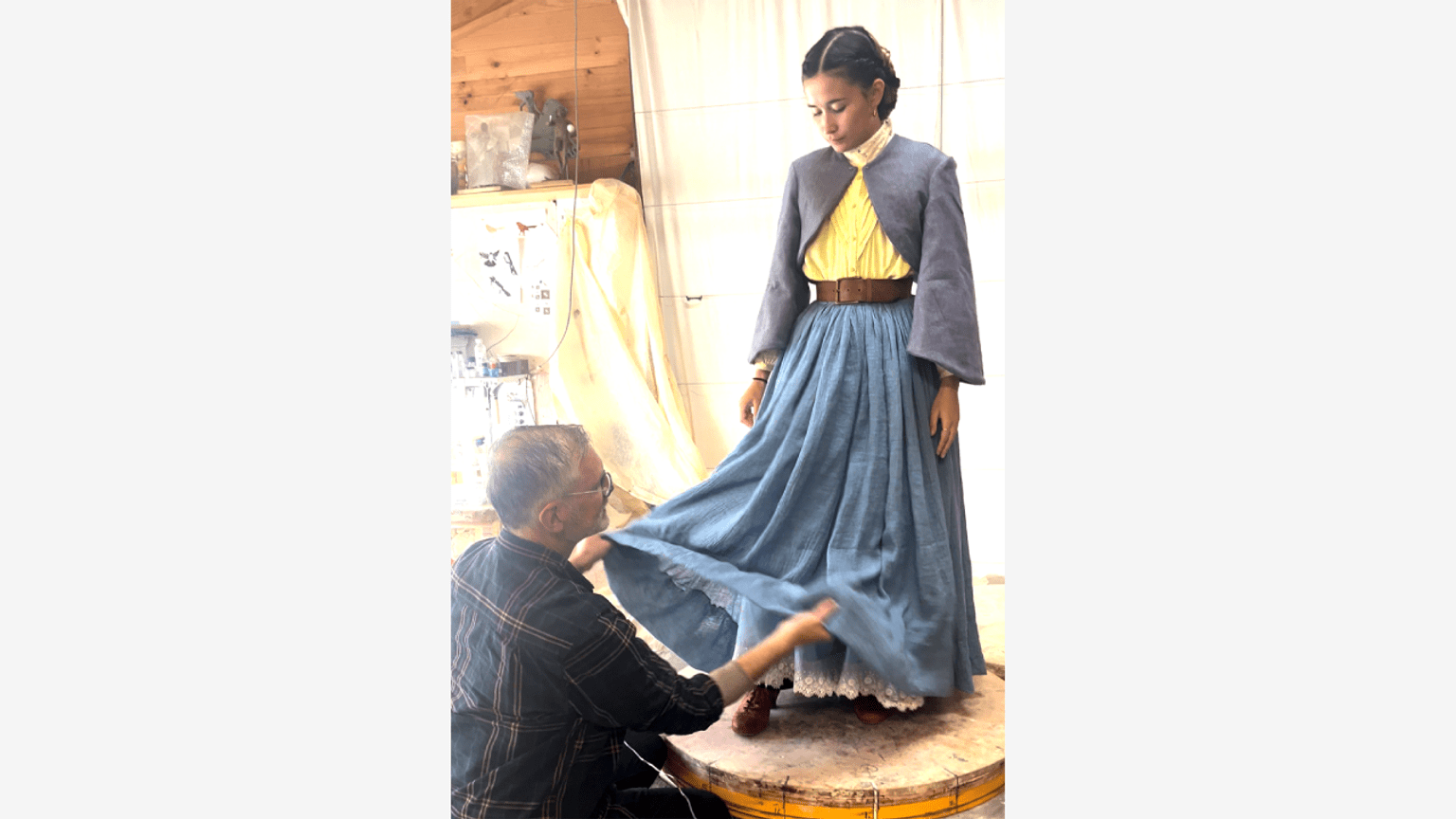
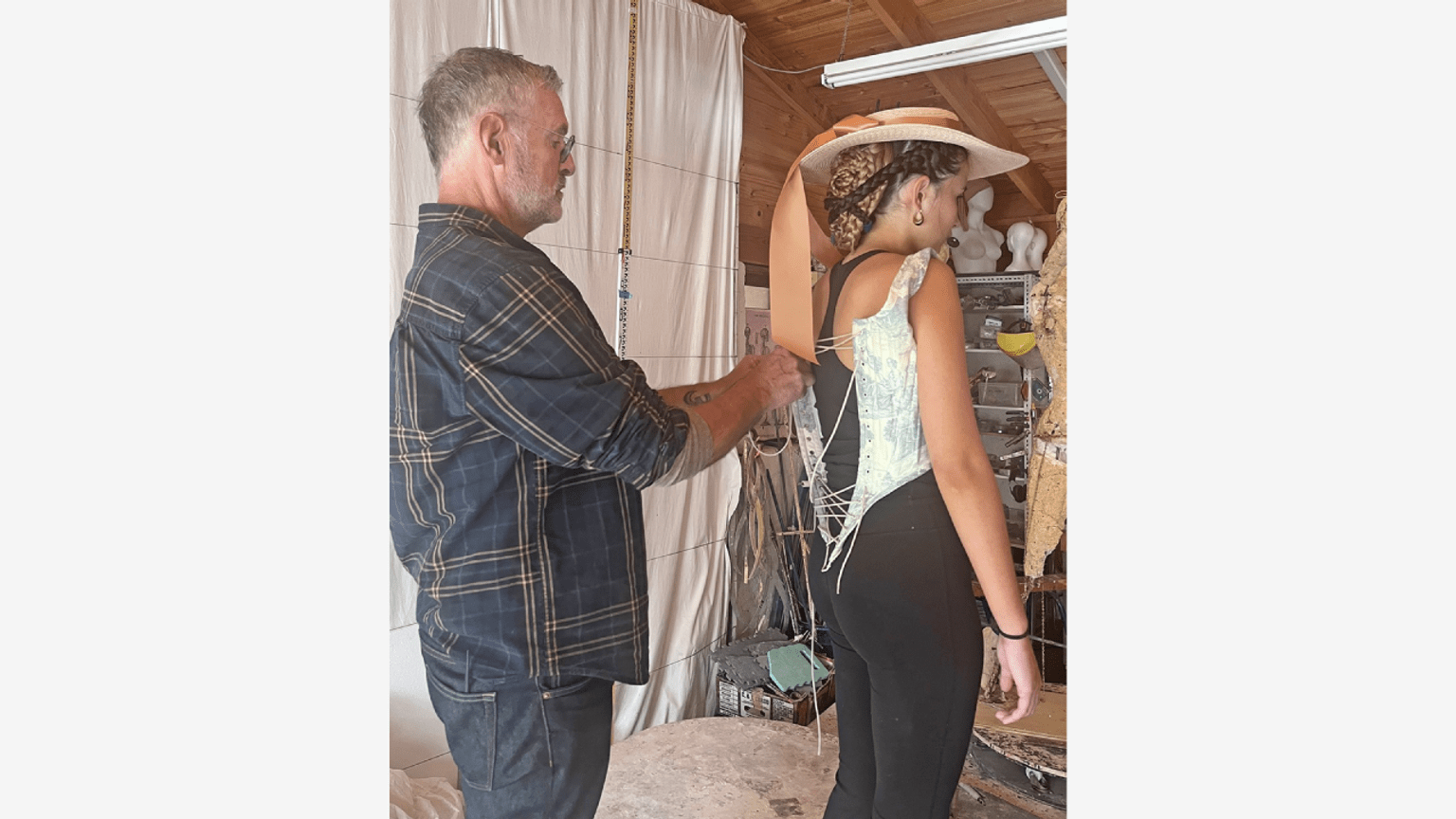
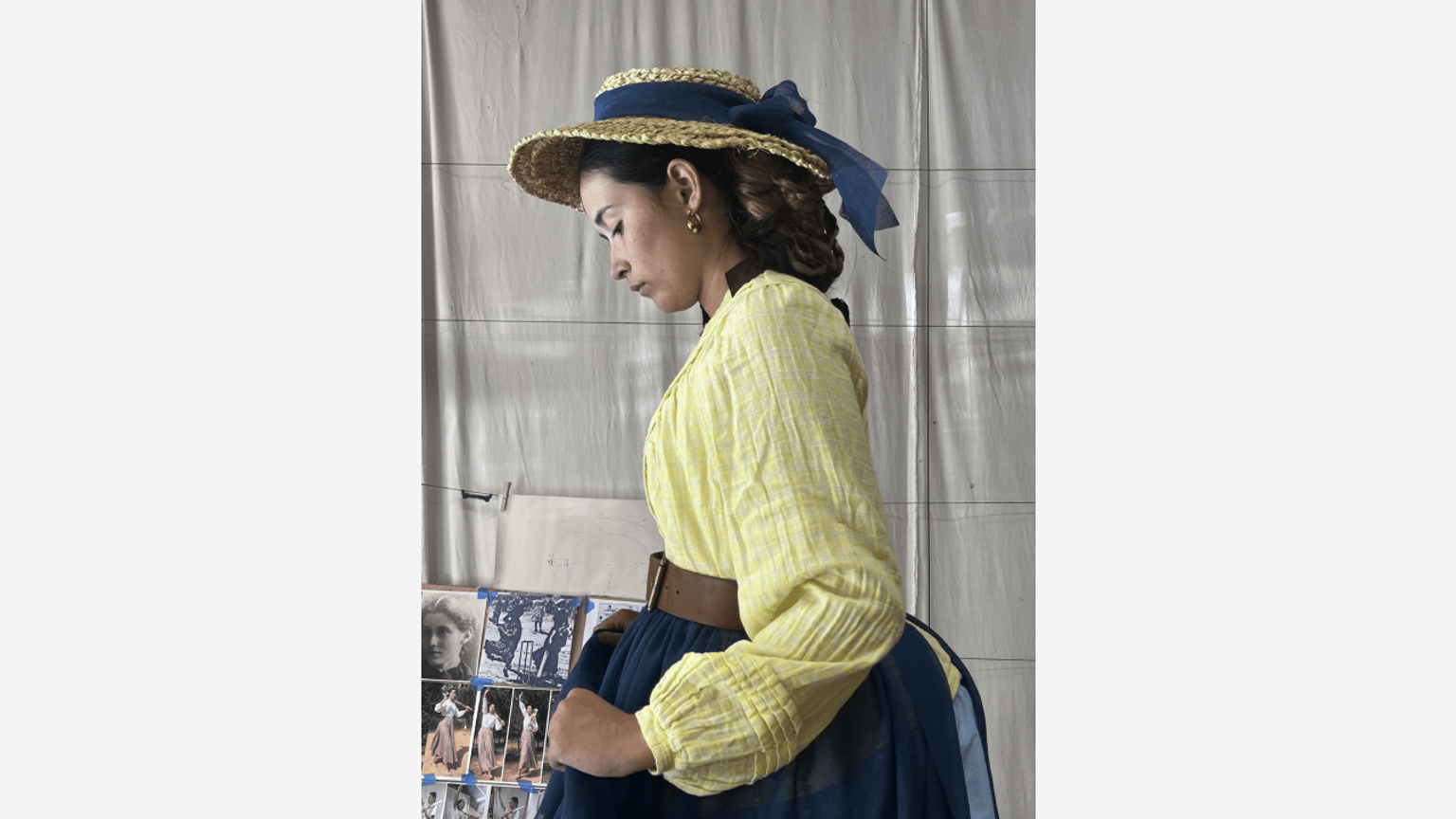
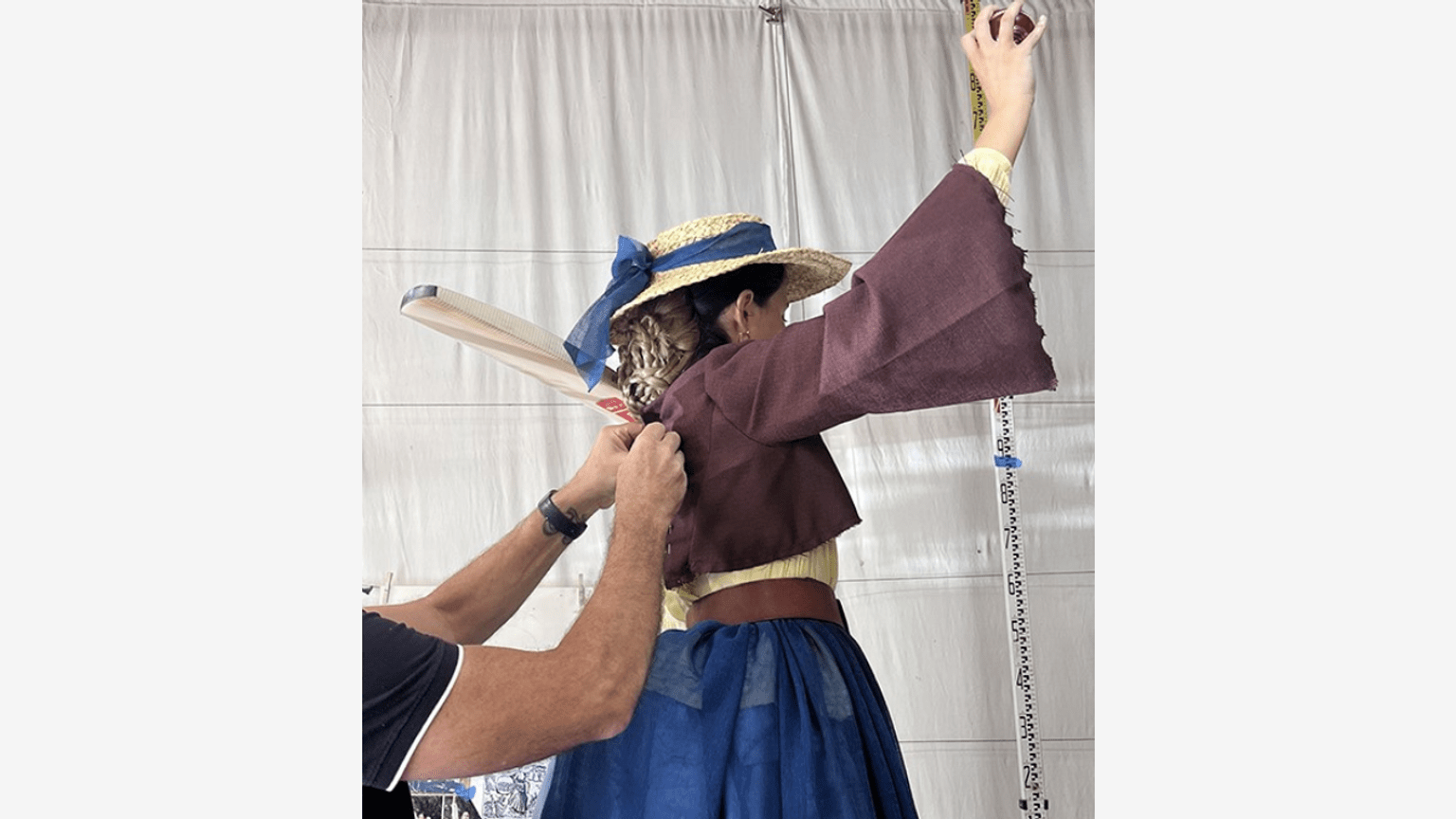
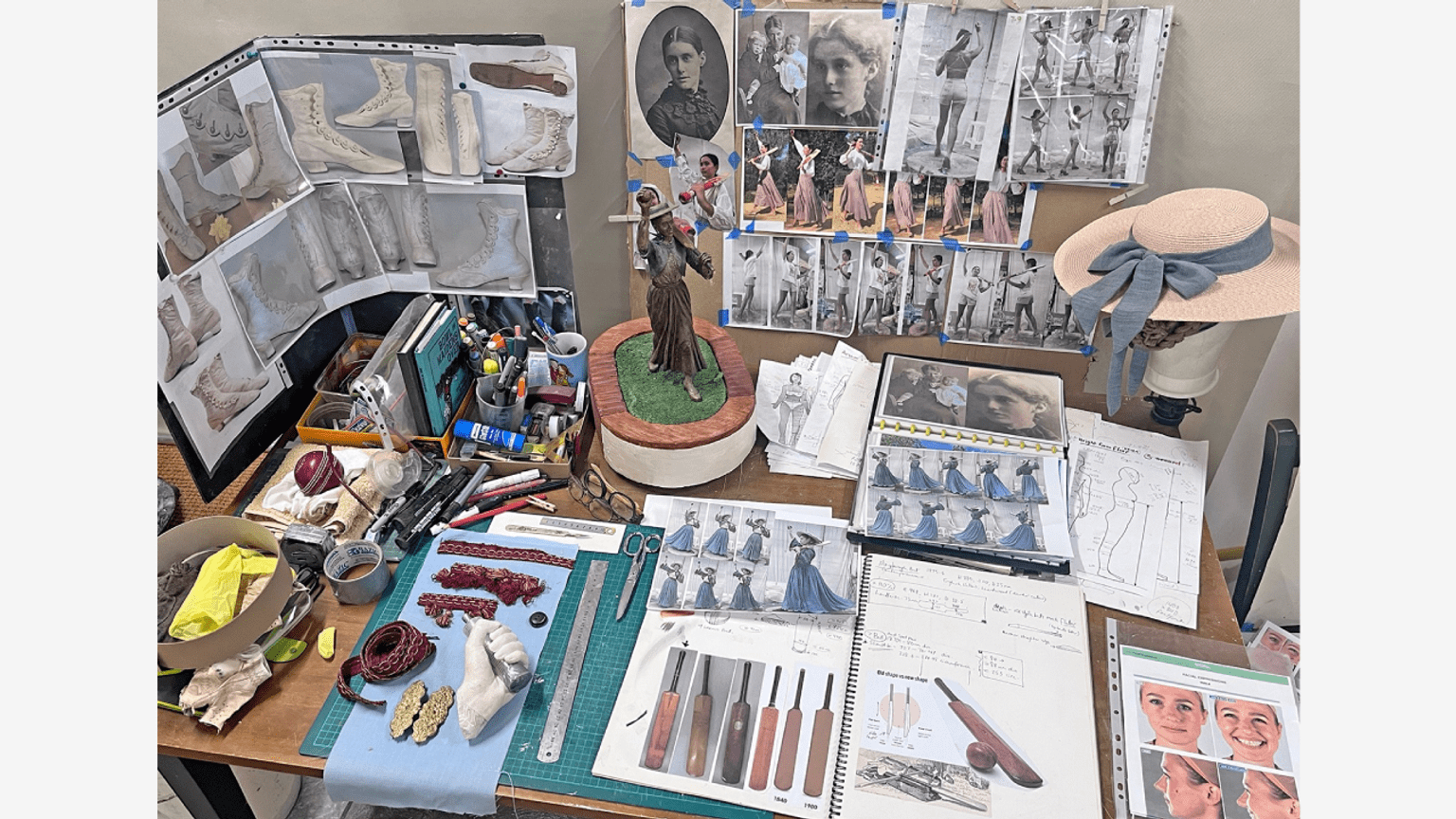
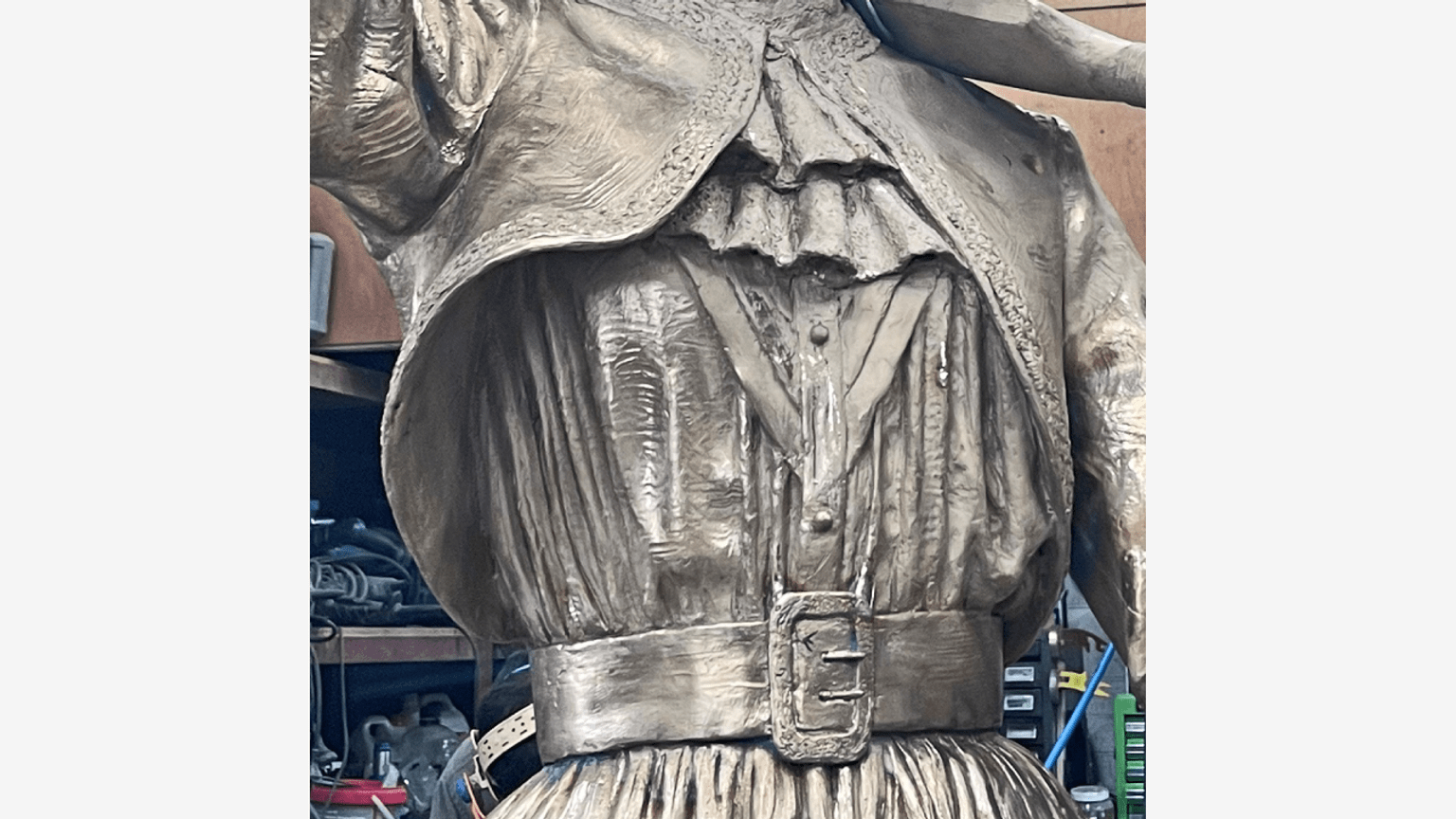
Lis drew on historical images and research to create the sculpture - first a small-scale maquette, then the full-size version. Period costume conservator Larry Edwards assisted with research and design, and was engaged to make the era-appropriate costume with its tight corsetry and large bustle.
The full outfit was worn by life model Keira Haloho-Feast who posed for Lis with a cricket bat and ball.
Lis said: ‘I really enjoyed researching, designing and creating the Barbara Rae sculpture for the forecourt of the iconic Queen Elizabeth Oval. It is lovely to work on a portrait figure that radiates joy.
I aimed to capture Barbara's youthful confidence and determination, and to faithfully sculpt her many layered period outfit.
‘While the sculpture portrays a specific young woman in a moment of free-spirited celebration, I think it also celebrates the achievements of all women who persist and achieve in spite of restrictive expectations.’
Costume and model
Images provided by Lis Johnson and City of Greater Bendigo.
Costume and model
Images provided by Lis Johnson and City of Greater Bendigo.
Costume and model
Images provided by Lis Johnson and City of Greater Bendigo.
Costume and model
Images provided by Lis Johnson and City of Greater Bendigo.
Costume and model
Images provided by Lis Johnson and City of Greater Bendigo.
Costume and model
Images provided by Lis Johnson and City of Greater Bendigo.
Costume and model
Images provided by Lis Johnson and City of Greater Bendigo.
From clay to bronze
Images provided by Lis Johnson and City of Greater Bendigo.
From clay to bronze
Images provided by Lis Johnson and City of Greater Bendigo.
From clay to bronze
Images provided by Lis Johnson and City of Greater Bendigo.
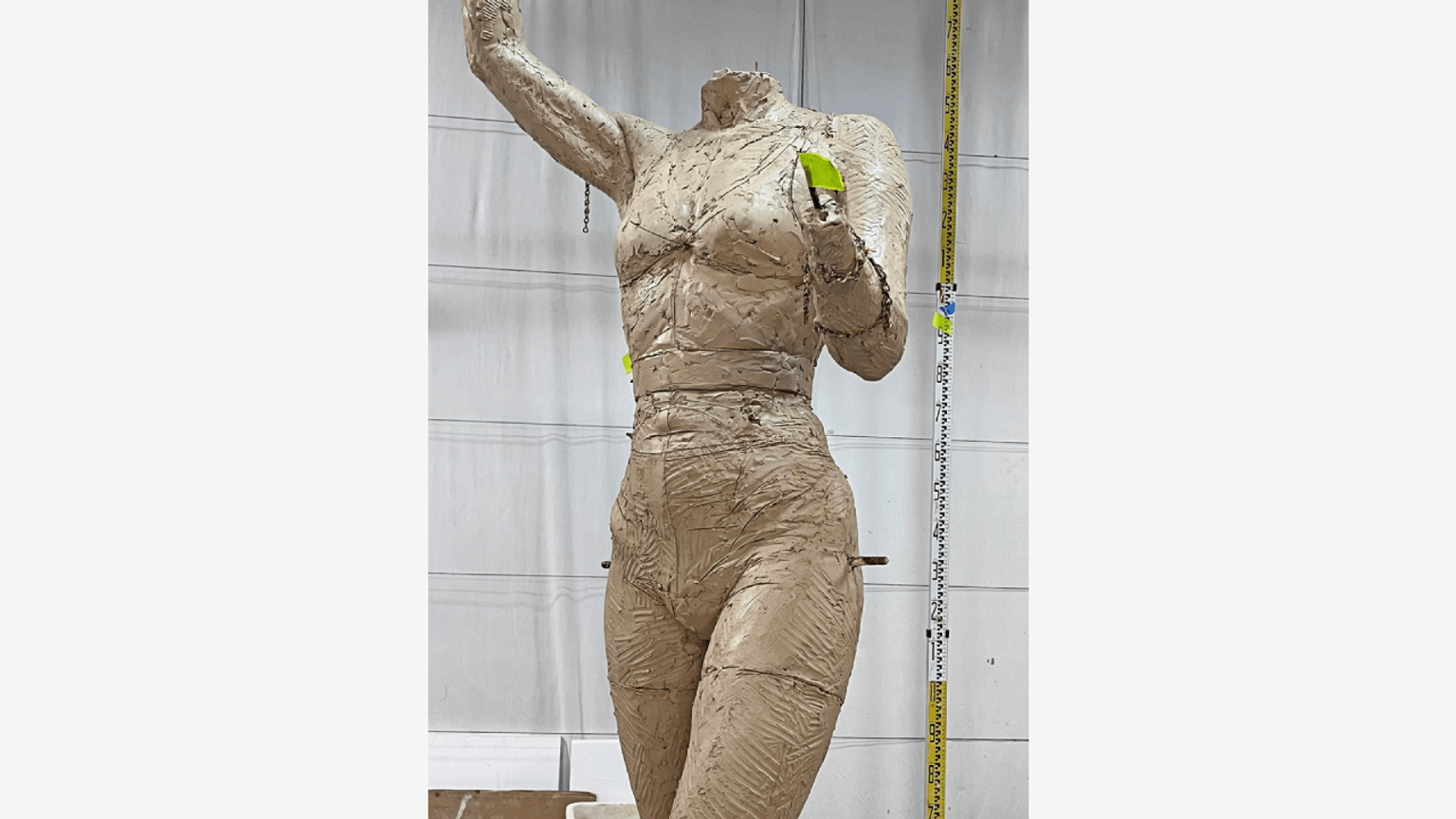
From clay to bronze
Images provided by Lis Johnson and City of Greater Bendigo.
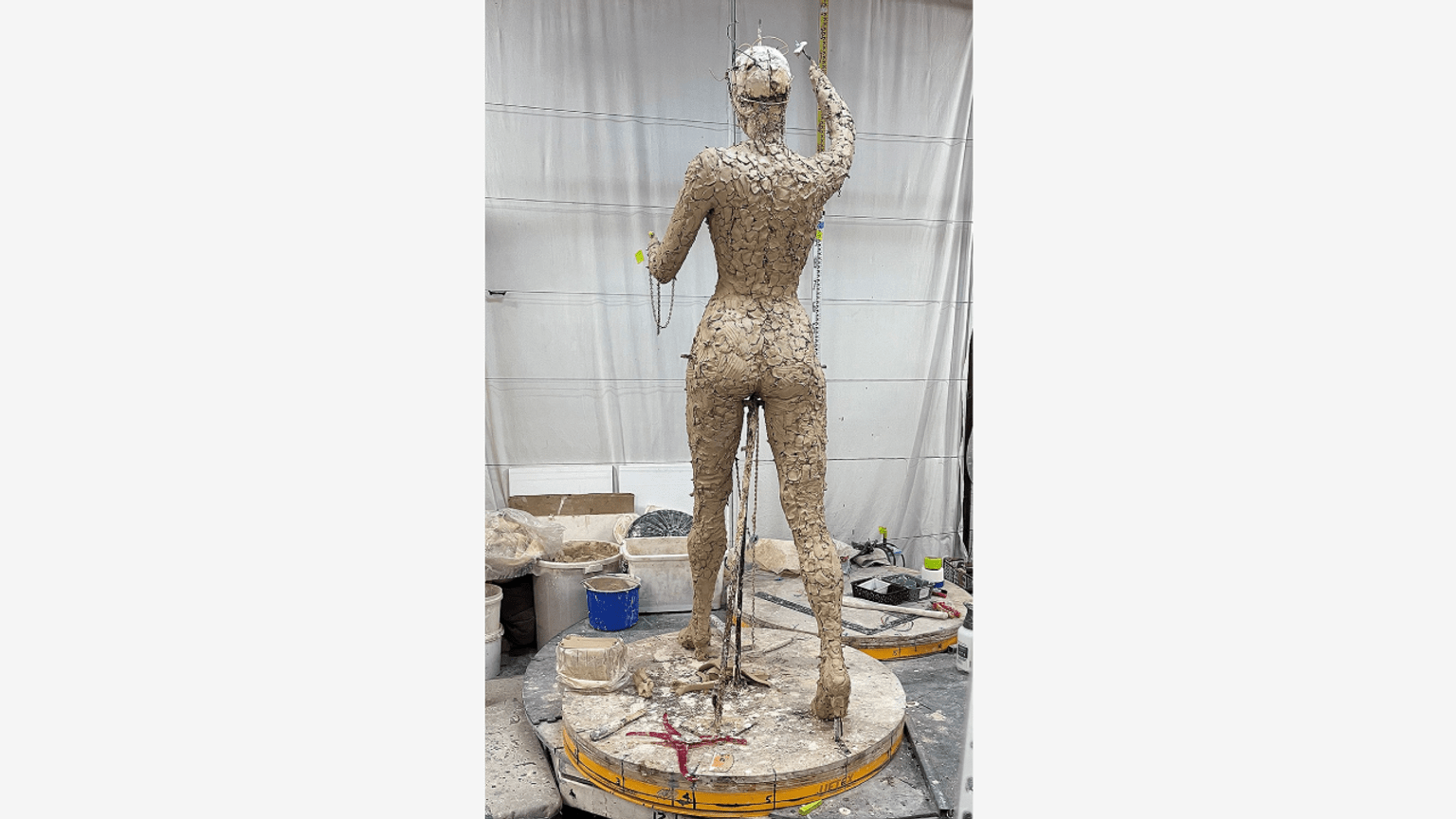
From clay to bronze
Images provided by Lis Johnson and City of Greater Bendigo.
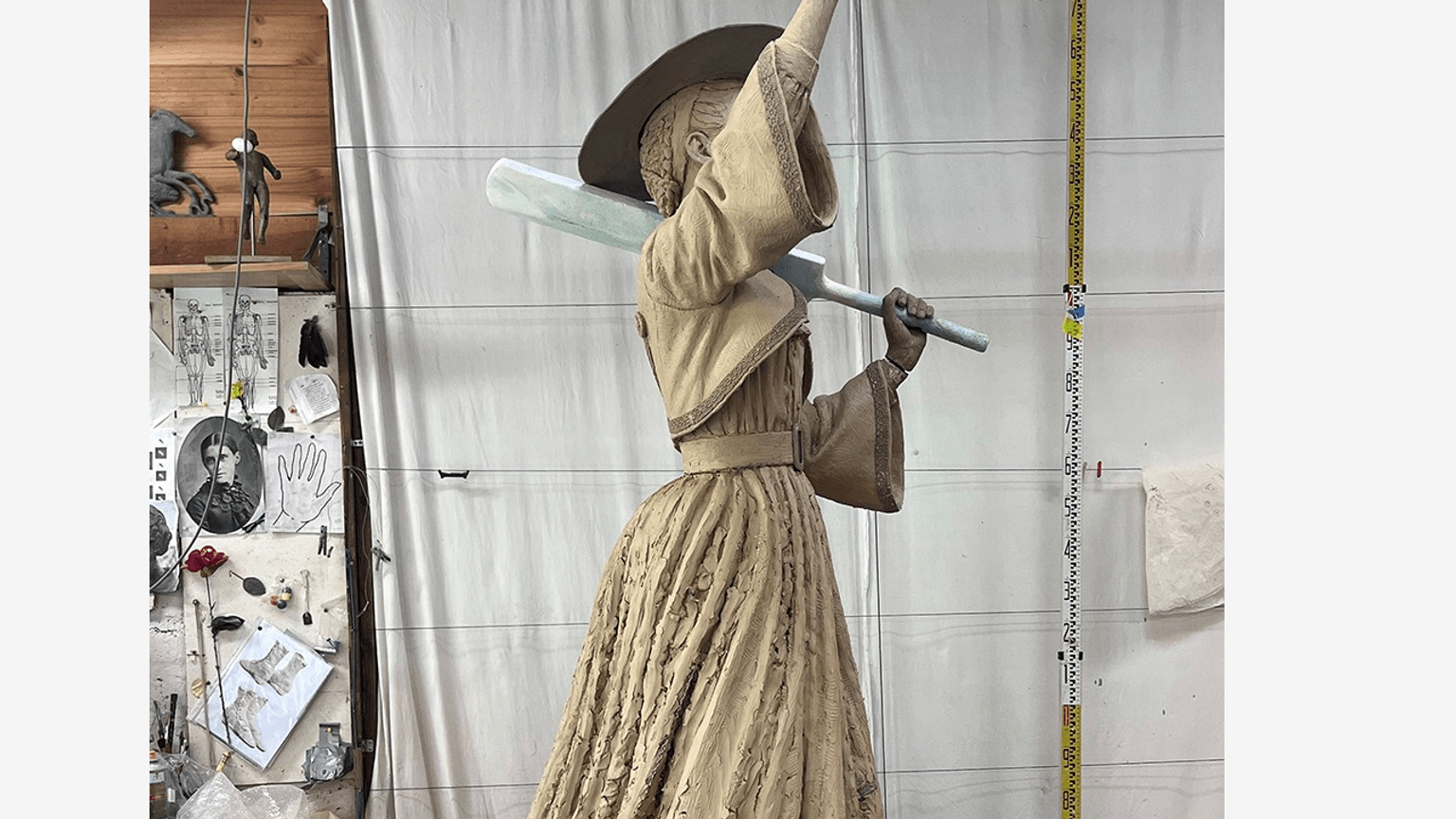
From clay to bronze
Images provided by Lis Johnson and City of Greater Bendigo.
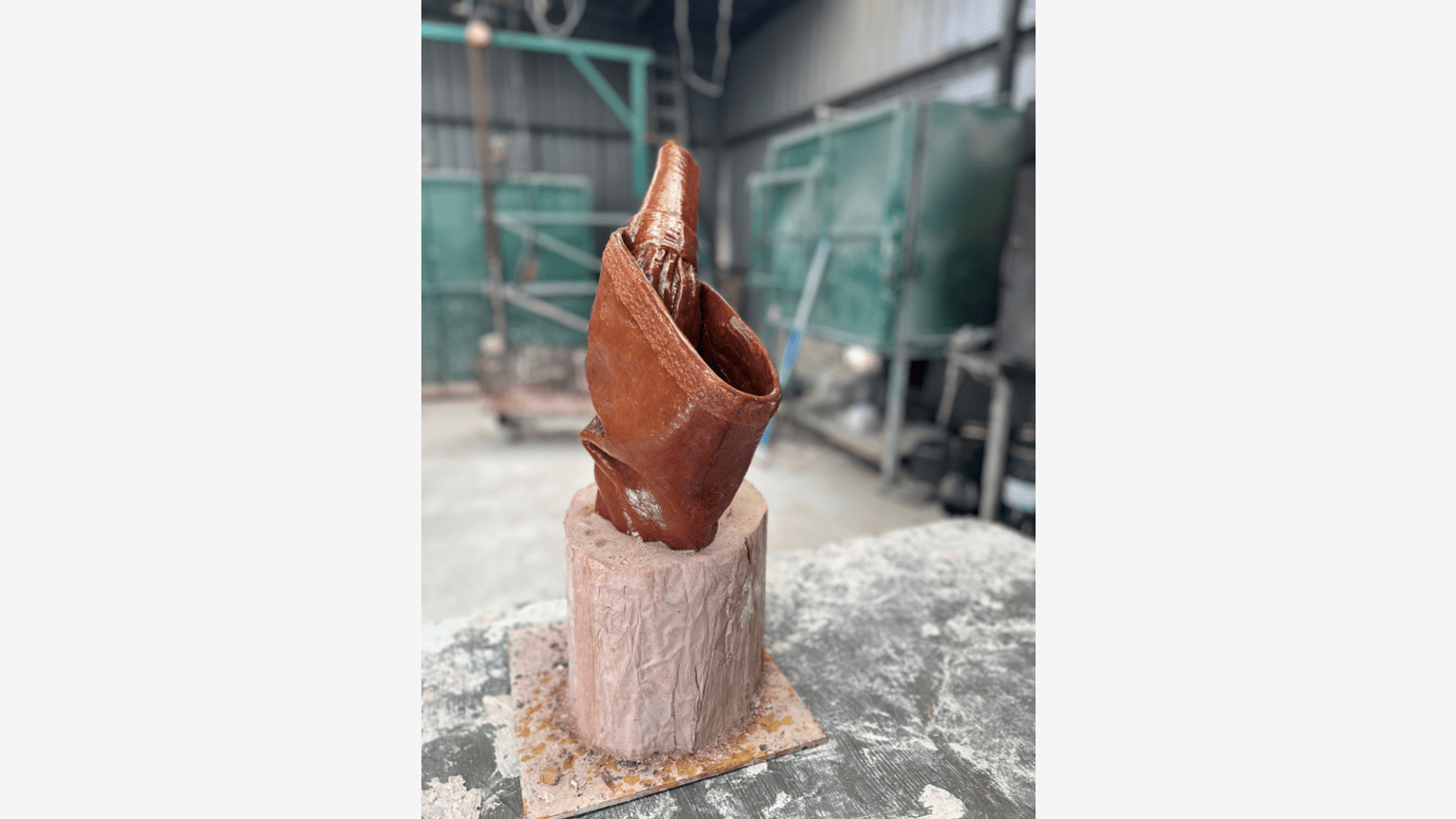
From clay to bronze
Images provided by Lis Johnson and City of Greater Bendigo.
From clay to bronze
Images provided by Lis Johnson and City of Greater Bendigo.
From clay to bronze
Images provided by Lis Johnson and City of Greater Bendigo.
From clay to bronze
Images provided by Lis Johnson and City of Greater Bendigo.
From clay to bronze
Images provided by Lis Johnson and City of Greater Bendigo.
From clay to bronze
Images provided by Lis Johnson and City of Greater Bendigo.
From clay to bronze
Images provided by Lis Johnson and City of Greater Bendigo.
Barbara Rae and the match
Barbara Rae (b. 1855 – d. 1891) was a primary school teacher. She helped organise the history-making match, recruited other women to play and arranged coaching sessions at the local cricket grounds.
This significant milestone in the history of women’s sport was held during the Easter Fair to raise money for the Bendigo Hospital and Benevolent Asylum. At the time women required permission to play in ‘male-only’ sports.
Aged just 19, Barbara captained the winning Blues team and was judged to be the player of the match with a top score of 36 not out. Barbara’s stepmother, Emily Rae, captained the opposing Reds team. Her sister Nellie proved to be a very good fielder.
Each player wore a custom-made uniform of a red or blue jacket, a long white calico skirt with a corset, and a bustle at the back. This uniform was paired with heeled boots.
Thousands of spectators gathered to watch the women and at first the match was deemed a success. But in the following days the players faced hostility in Victorian newspapers for what was considered ‘deplorable’ and ‘unseemly’ behaviour for the times.
One newspaper even labelled the 22 players ‘frisky matrons and forward spinsters’.
As top scorer, Barbara Rae was due to be presented with an honorary bat. But because of the reaction in the community and the fear of further backlash, she didn’t attend the ceremony and never received the prized bat.
In 2024, the 150th anniversary of the match was celebrated with a T20 exhibition match, junior girls cricket clinic, and the ‘Frisky Matrons and Forward Spinsters’ exhibition.
And in very belated recognition, Cricket Australia presented Barbara’s great-granddaughter Diane Robertson with a special bat to commemorate her great grandmother’s sporting achievements at the historic match in 1874.
Diane said: ‘It has been such a thrill for my family to see my great grandmother’s contribution immortalised in this way. Barbara was a trailblazer who set a wonderful example for women and girls in sport.
‘The permanent sculpture is stunning and a wonderful acknowledgement of Barbara and also the other women players who bravely took part in the historic match in Bendigo in 1874.’
Louisa Briggs
Louisa Briggs was a trailblazing Aboriginal rights leader, midwife and nurse.
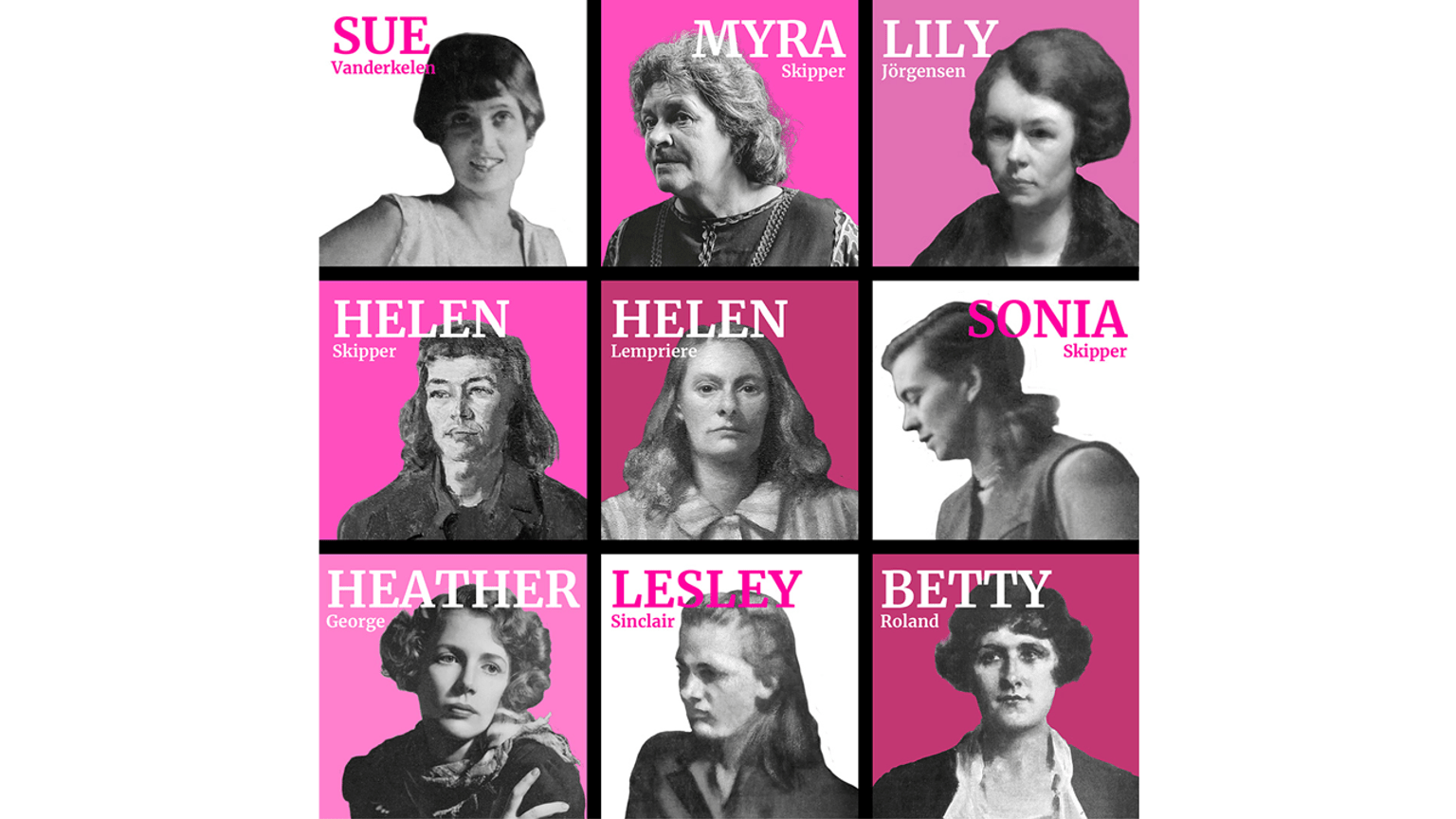
The women of Montsalvat
The women who were the driving force behind Montsalvat’s design, construction and culture.
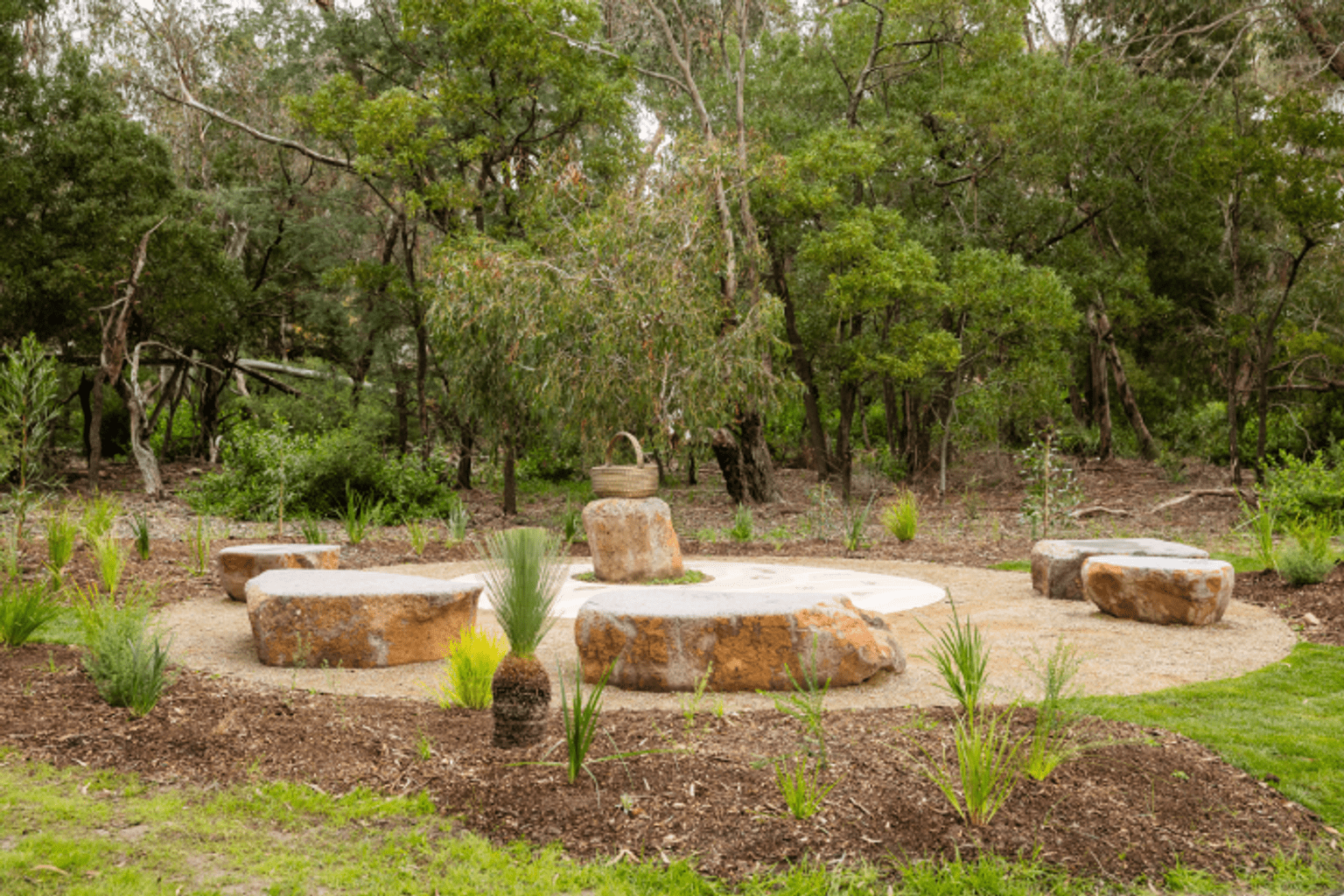
Aunty Dorothy Peters
Aunty Dorothy ‘Dot’ Peters AM was a widely loved and respected Yarra Yarra woman.
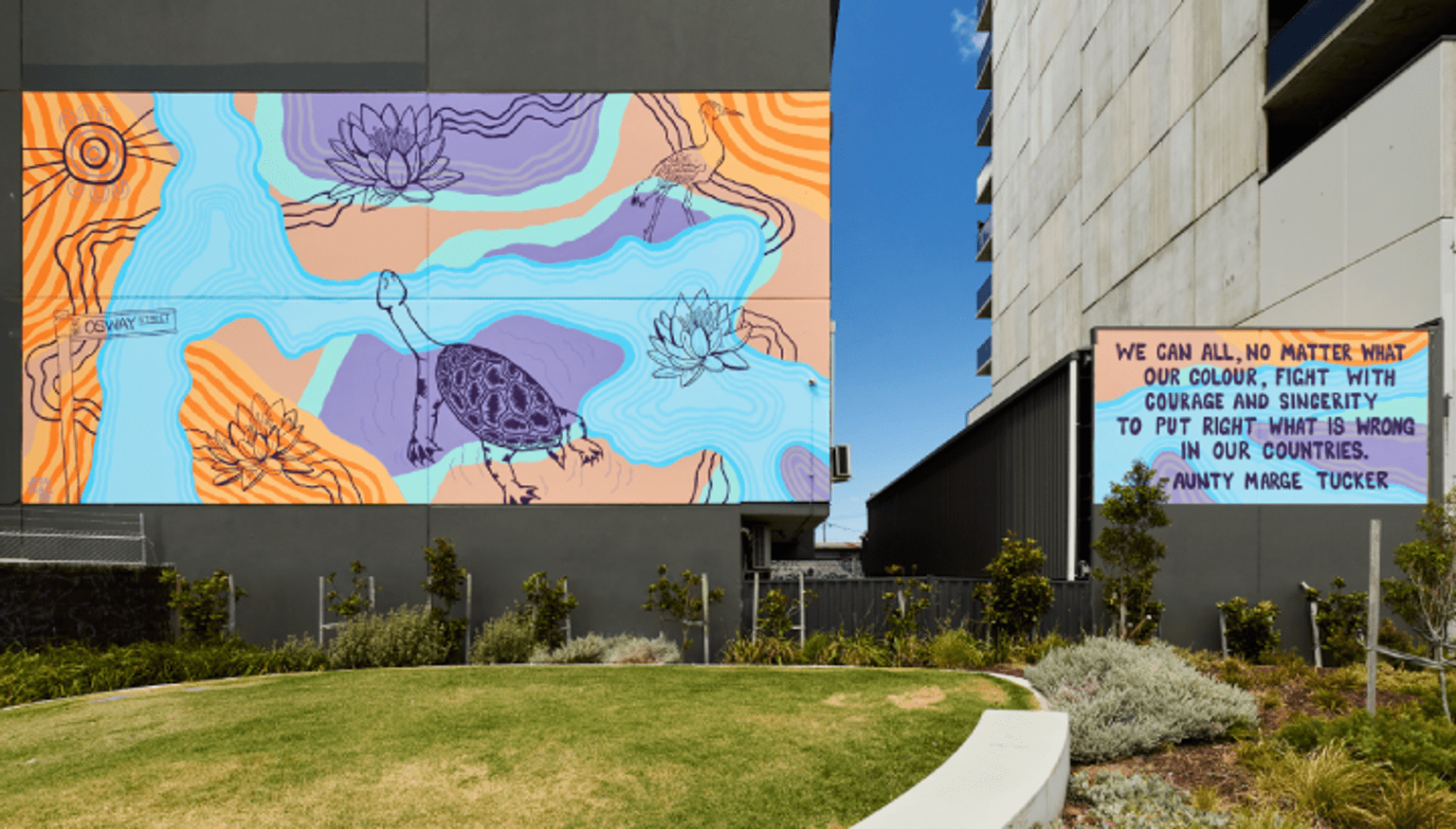
Aunty Margaret (Lilardia) Tucker MBE
Aunty Margaret Tucker MBE was an activist for Aboriginal rights.
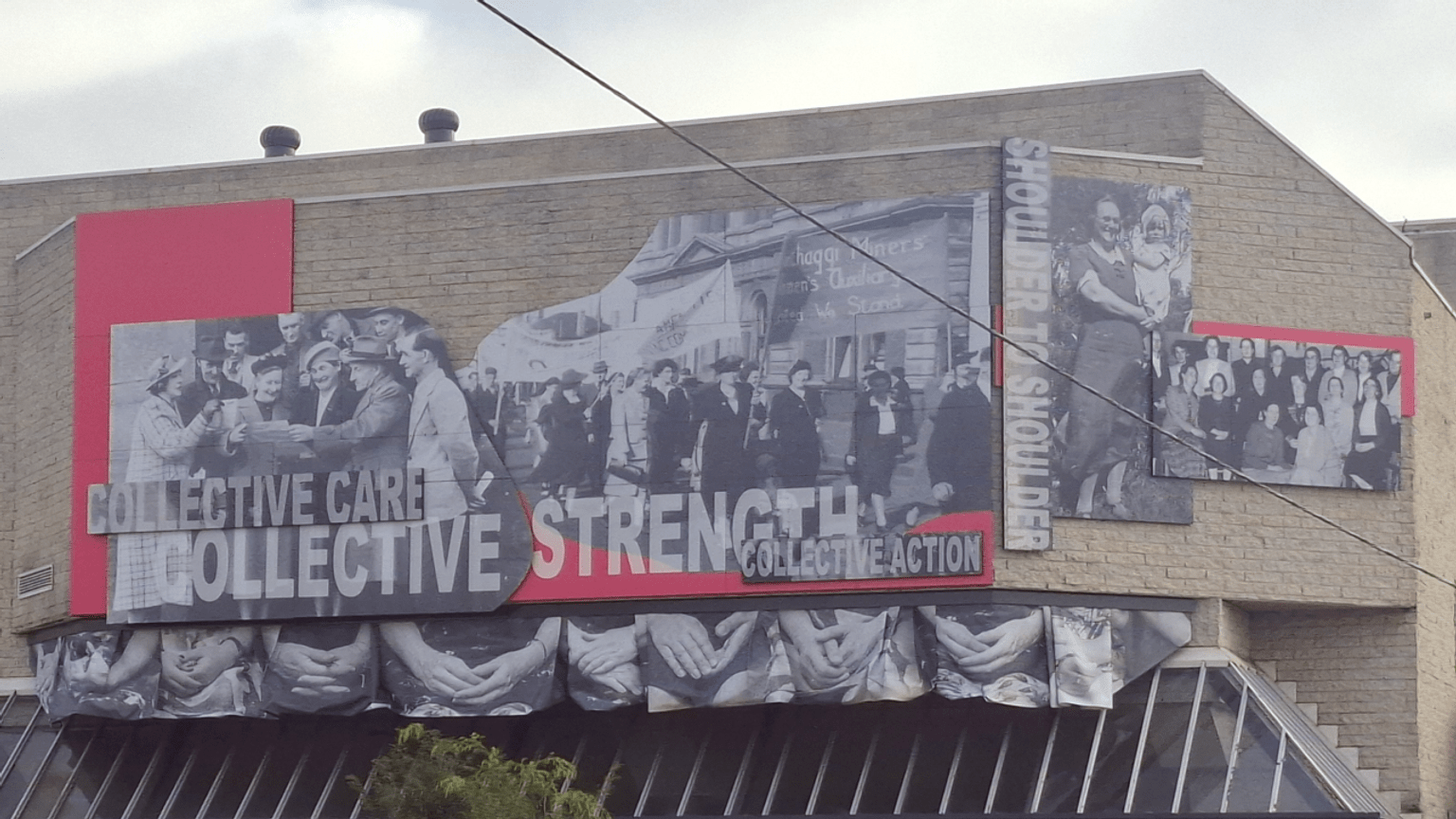
Radical Women: Wonthaggi Miners Women’s Auxiliary
Auxiliary members supported their community and blazed a trail in the labour movement.
The Women's Public Art Program complements the Victorian Honour Roll of Women, which celebrates women's outstanding leadership and contributions to life in Victoria.
Finding Her is Australia’s first interactive state-wide digital map spotlighting women’s commemorative sites. You can read about these public art projects and many more at Finding Her.
Follow along on social channels
Share the stories of inspirational Victorian women via DFFH’s social media channels.
Department of Families, Fairness and Housing
- Facebook: @VicGovDFFH
- LinkedIn: @VicGovDFFH
- Instagram @VicGovDFFH
Victorian Women's Public Art Program
The Victorian Women's Public Art Program aims to address the underrepresentation of women and their achievements through enduring public artworks.
Updated