Congratulations to all the 2026 Learn Local Awards winners and finalists.
Learner categories
This award recognises the achievements of adult Victorians who have undertaken Victorian Government funded pre-accredited courses in literacy, numeracy, English language skills or digital skills to participate more fully in the community and/or to enter further study. Or to successfully complete accredited training they were already undertaking.
Congratulations to Theodora Macris
2026 Ro Allen Award winnerAlamein Neighbourhood & Learning Centre Inc
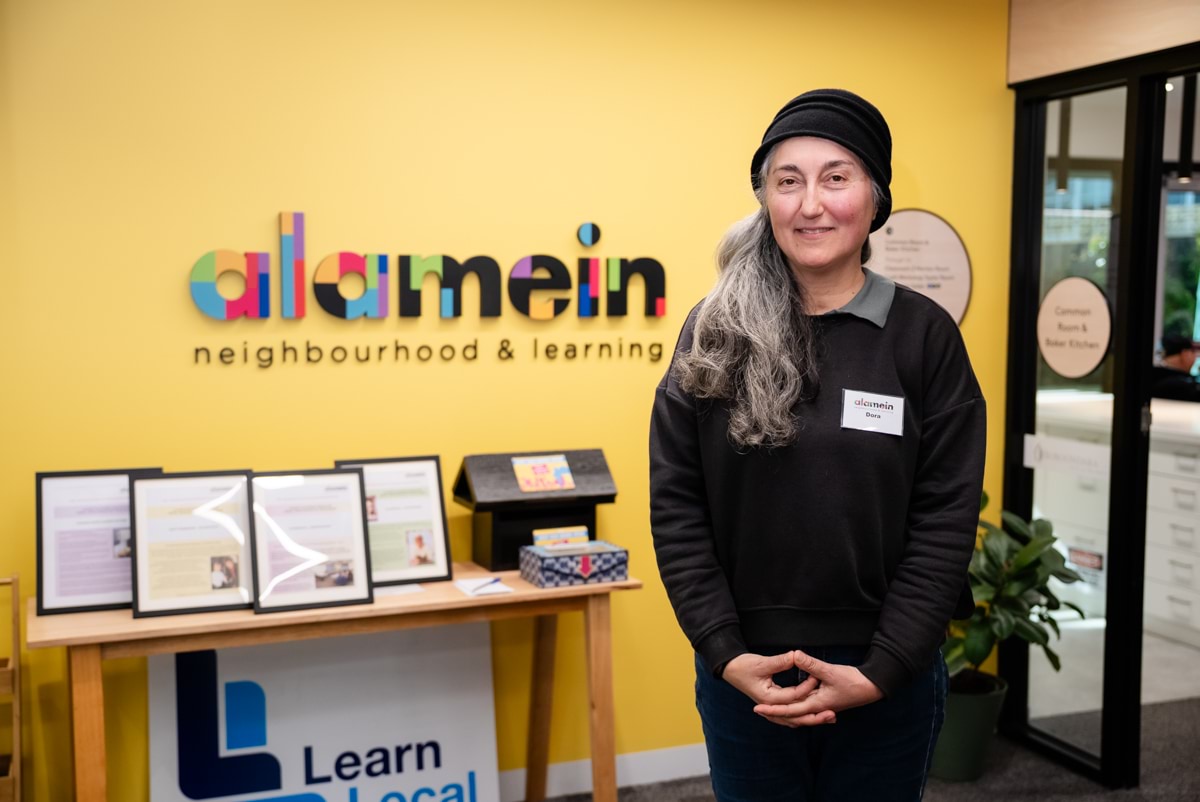
After building a successful career, Theodora Macris became the fulltime carer for her elderly parents. Years spent offline made returning to independent life challenging, so she enrolled in digital skills programs at Alamein Neighbourhood and Learning Centre. Supportive staff helped her rebuild confidence and reconnect with the modern digital world.
Throughout 2025, Theodora completed 12 pre-accredited digital programs, discovering an affinity for practical, hands-on learning. Study transformed her outlook, reduced her fear of technology, and equipped her with life and work skills.
Theodora’s formal education continued at Holmesglen Institute, where she commenced a Certificate III in Information Technology, expanding her knowledge of digital workplaces and cybersecurity. She has temporarily paused her studies while pursuing employment guidance via the Victorian Government's Reconnect Program and continues to volunteer and support staff and participants at Alamein Neighbourhood and Learning Centre. Her journey demonstrates that it is never too late to learn, grow, and pursue a new career pathway.
Rezwana Bunyadi
Bridge Darebin
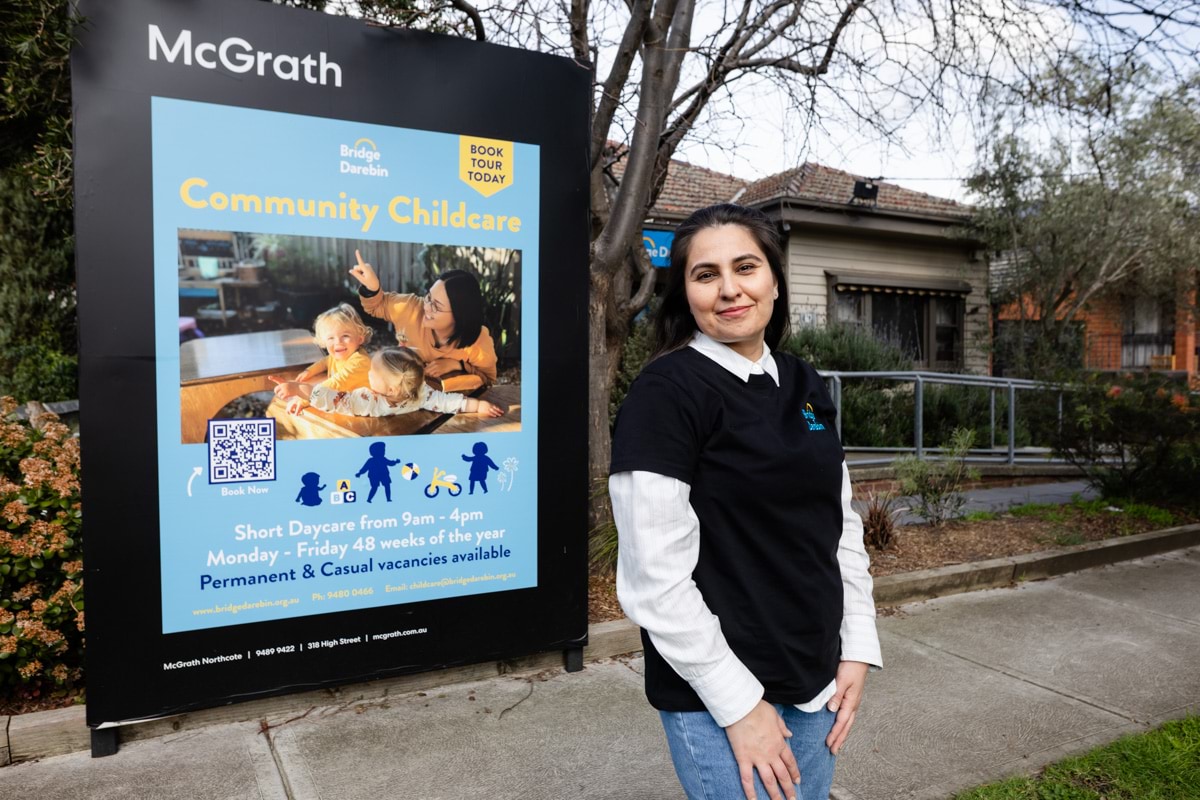
After migrating from Afghanistan two years ago, Rezwana Bunyadi was determined to strengthen her English and employability skills to build a new life in Australia. Setting her sights on a future in early childhood education and care, she worked hard and achieved strong foundational skills to take her into further studies.
In 2025 she completed pre‑accredited English and computer programs at Bridge Darebin, which supported building her communication and digital confidence skills, and readiness for more learning opportunities. As Rezwana became more confident, she participated in class discussions and engaged in everyday conversations. Taking a leadership role, she mentored peers and modelled commitment and perseverance.
Embracing opportunities to learn beyond the classroom, Rezwana undertook volunteering with Bridge Darebin’s Children’s Services. Practical experience deepened her understanding of professional communication, teamwork, and expectations of future workplaces. Soon, she transitioned into a Certificate III in Early Childhood Education and Care, where she continues to thrive.
Amanda Phoeung
Opendoor Ltd
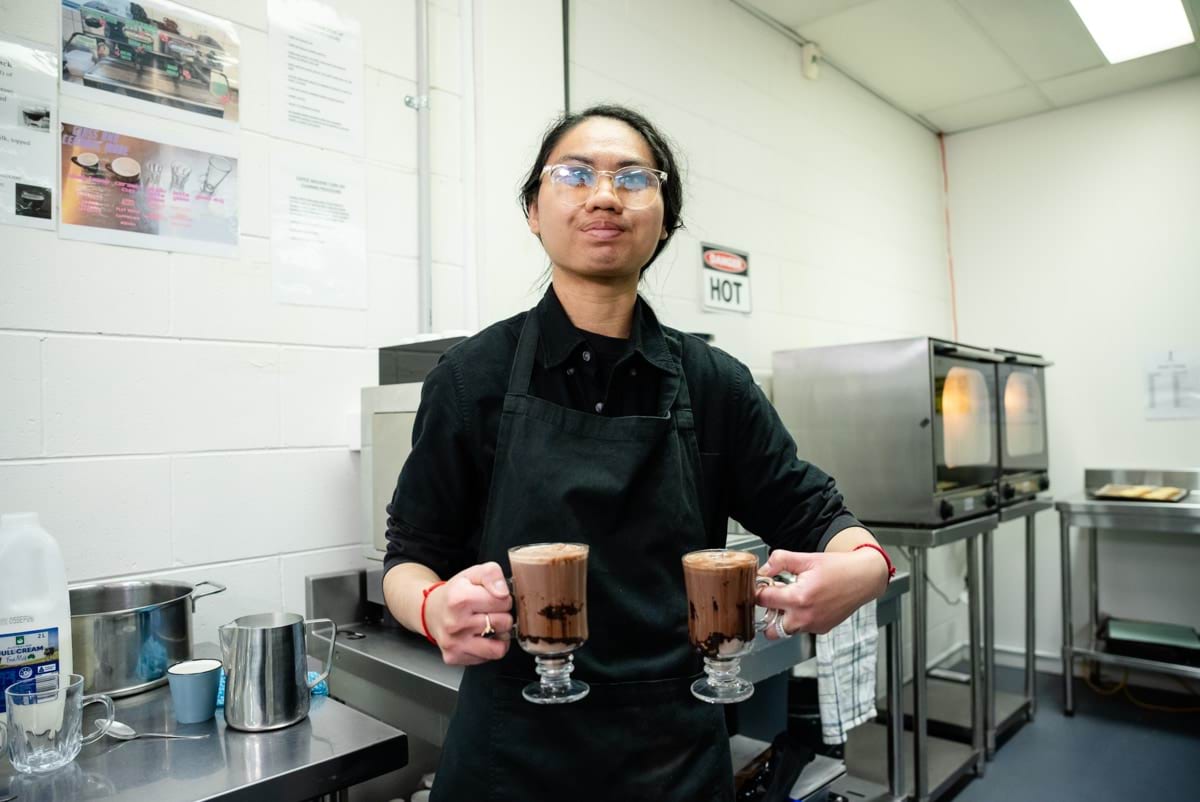
Amanda Phoeung’s training journey reflects determination, persistence and significant personal growth. She entered the Job Readiness program with a strong interest in hospitality and received tailored support to participate in ways that reflected her communication and learning needs. Her commitment to pursuing employment in hospitality was evident as she progressed from communicating primarily in non-verbal ways to participating fully in activities and engaging confidently with peers and trainers.
Repeated practice in the in‑house café program highlighted her strong progress. Assisting with coffee machine set‑up, preparing beverages and supporting customer orders gave her the confidence to interact comfortably with customers. Amanda’s enthusiasm extended beyond the classroom; she learnt by watching barista tutorials and applied new techniques during café sessions. Amanda’s resilience and resourcefulness paid off. She developed strong communication, digital literacy, and hospitality skills preparing her for opportunities in the food and beverage sector. Her experience highlights her commitment to strengthening independence, and her efforts to achieve a fulfilling future.
This award recognises the achievements of adult Victorians who have undertaken Victorian Government funded pre-accredited courses in employability skills, literacy, numeracy, English language skills or digital skills to get a job, and/or to learn new skills or improve existing ones to adapt to changing job requirements and stay current with industry changes.
Congratulations to Salah Muslem
2026 Learn Local Pre-accredited Learner (Skills for work) Award winnerCommunity Plus

Salahaldin Muslem and his family, originally from Syria, arrived in Melbourne in 2024 through Australia’s humanitarian program. As he adjusted to a new community and developed his English skills and local networks, Salahaldin was determined to create a positive future for his family. He connected with Community Plus and enrolled in five Learn Local courses, including Job Readiness, Introduction to Australian Workplaces, Develop Your Career and Conversational English. These programs strengthened his confidence and supported his participation in Australian workplaces and community life.
Salahaldin made significant progress in English and became a confident communicator. He also strengthened his digital, employability and job-specific skills and developed a sound understanding of Australian workplace culture and expectations. Through persistence and commitment, he secured a position as Assistant Store Manager at a paint store. His learning journey has supported his independence, strengthened his optimism for the future and enabled him to contribute positively to his workplace, family and community.
Thi Thi Tho Tran
Australian Vietnamese Women's Association

Thi Thi Tho Tran spent 6 years away from the workforce raising her children. In 2025 she decided to prepare for a return to the workforce, but she needed to rebuild communication, digital and employability skills. Although returning to study was a significant challenge, enrolling in the Introduction to Individual Support course at the Australian Vietnamese Women’s Association was life changing.
Through discussions, presentations and group activities, Thi Tho strengthened her English to the point she could actively support her classmates. As class leader, she helped create a positive learning environment, developed problem solving skills, set goals, and gained digital skills.
Despite juggling study and significant family responsibilities, Thi Tho secured employment as a Personal Care Assistant. Renewed confidence inspired her to progress into Certificate III in Individual Support with her sights set on Certificate IV in Training and Assessment. Approaching challenges with determination, Thi Tho is shaping a brighter future.
Pornpimon Pansanga
Community College Gippsland
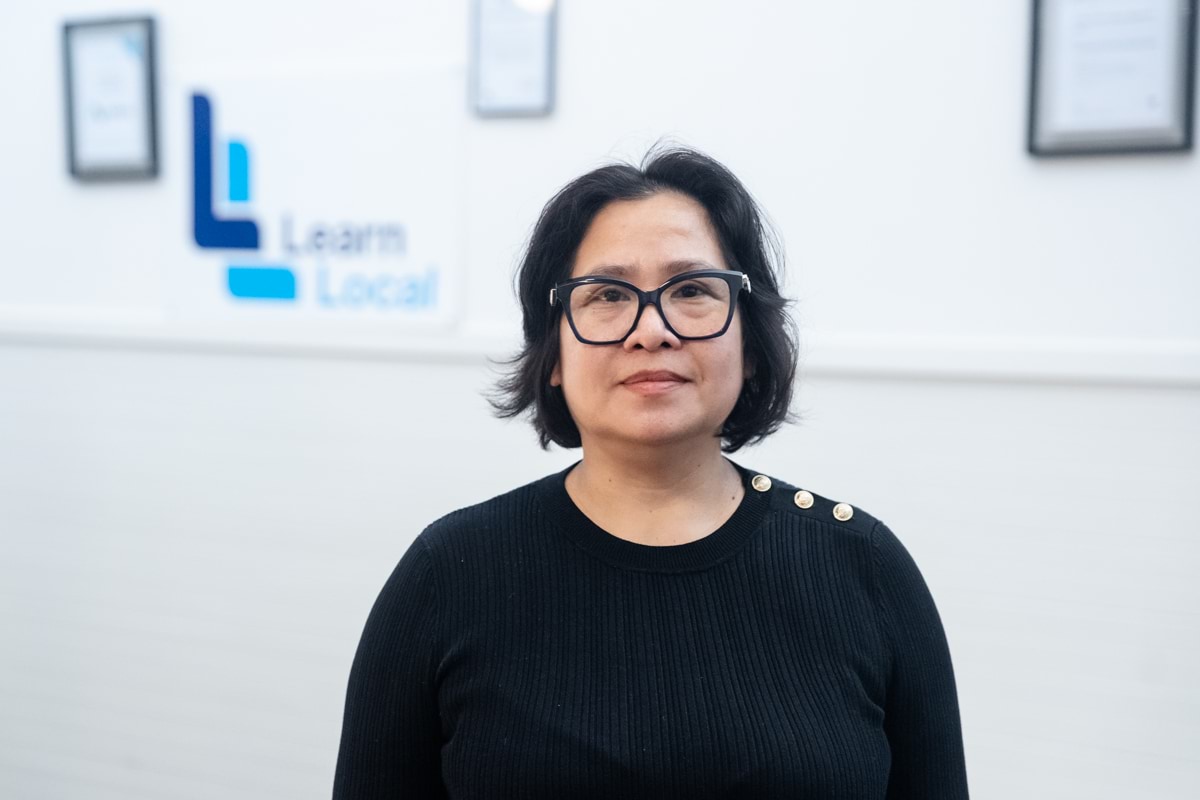
Pornpimon Pansanga (Nah) migrated from Thailand seeking a safer, more stable life for herself and her 2 children. Arriving with limited conversational English, she began studying at TAFE Gippsland and gradually expanded her learning through pre‑accredited training. Despite balancing study with the demands of being a single parent, Nah became known for her determination, kindness, and leadership by encouraging and supporting her peers.
Subsequently, she enrolled in Community College Gippsland’s ‘Here to Care’ home‑care support program, where training and mentoring helped her build workplace skills in communication, teamwork, problem‑solving and digital systems. Well prepared for employment, Nah secured a role with Latrobe Community Health Service and continued formal studies through a Certificate III in Individual Support. Beyond work, Nah has become a role model in her community and supports conversational English groups at Our Place, helping migrant women build confidence and connection. Her resilience reshaped her life and uplifted others.
Trainer and leader categories
This award recognises the outstanding leadership and contribution of Learn Local coordinators, program managers and other staff to the Learn Local sector.
Congratulations to Peter (Ngoc Nhan) Trinh
2026 Learn Local Leadership Award winnerAMES Australia

Peter is a driving force behind AMES Australia’s refugee and migrant education and settlement services. As an education leader, he has extensive experience in delivering programs for culturally and linguistically diverse (CALD) learners. His programs reflect a strong commitment to equity, and the creation of accessible, community‑based pathways for people who are under-represented in formal education.
Under Peter’s leadership, targeted curriculum improvements are informed by learner input and research data. Recognising that standard feedback tools did not always meet the needs of CALD learners, he designed a culturally focused survey using clear language. This generated more reliable insights into learner experience and contributed significantly to a culture of continuous improvement. In 2025 these insights informed two new contextualised, life changing programs - Work Placement Readiness: Education Support and Work Placement Readiness: Individual Support. These programs built confidence and strengthened employment opportunities. Approximately 75% of learners engaged in Peter’s programs progressed into accredited study and employment.
Rana Tbaileh
Banksia Gardens Community Services
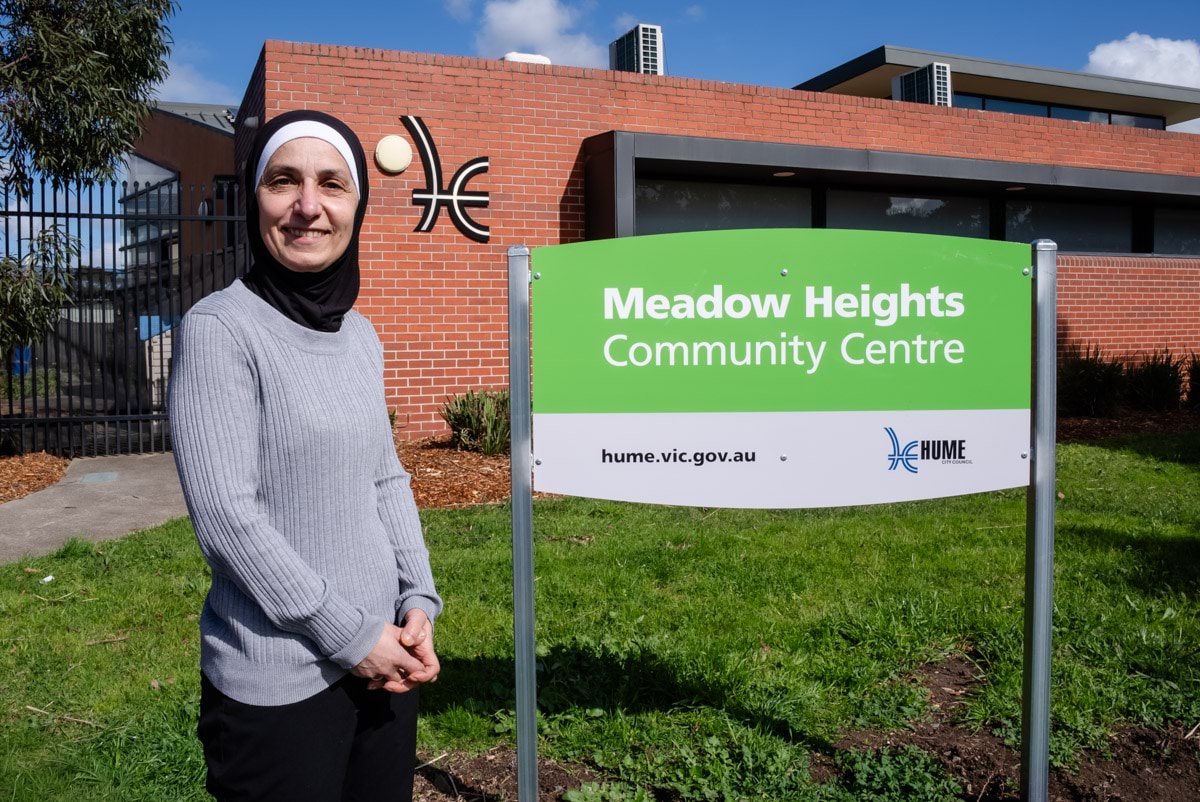
Strategic leadership is the cornerstone of Rana Tbaileh’s approach to adult education. In 2025, as Adult Training and Employment Manager at Banksia Gardens Community Service, she led the delivery of 70,000 student contact hours across the Hume region. Operating within disadvantaged communities, she’s strongly committed to enabling people to transform their lives through education, focusing on digital literacy, employability, and foundation skills programs.
Rana leads by listening. Research revealed growing barriers to participation such as time poverty, caring responsibilities, transport limitations, and settlement pressures. In response, Rana redesigned delivery models, embedding flexible and blended learning across multiple sites. The impact was clear. In 2025, 89% of participants completed training, 44% progressed into employment, and 33% entered self‑employment, traineeships, apprenticeships, or volunteering.
Organisational capacity and learner retention increased under Rana’s leadership, driven by clear action and system-level change. By redesigning delivery models and strengthening workforce capability, Rana improved outcomes significantly.
Sandie Forbes
Pines Learning
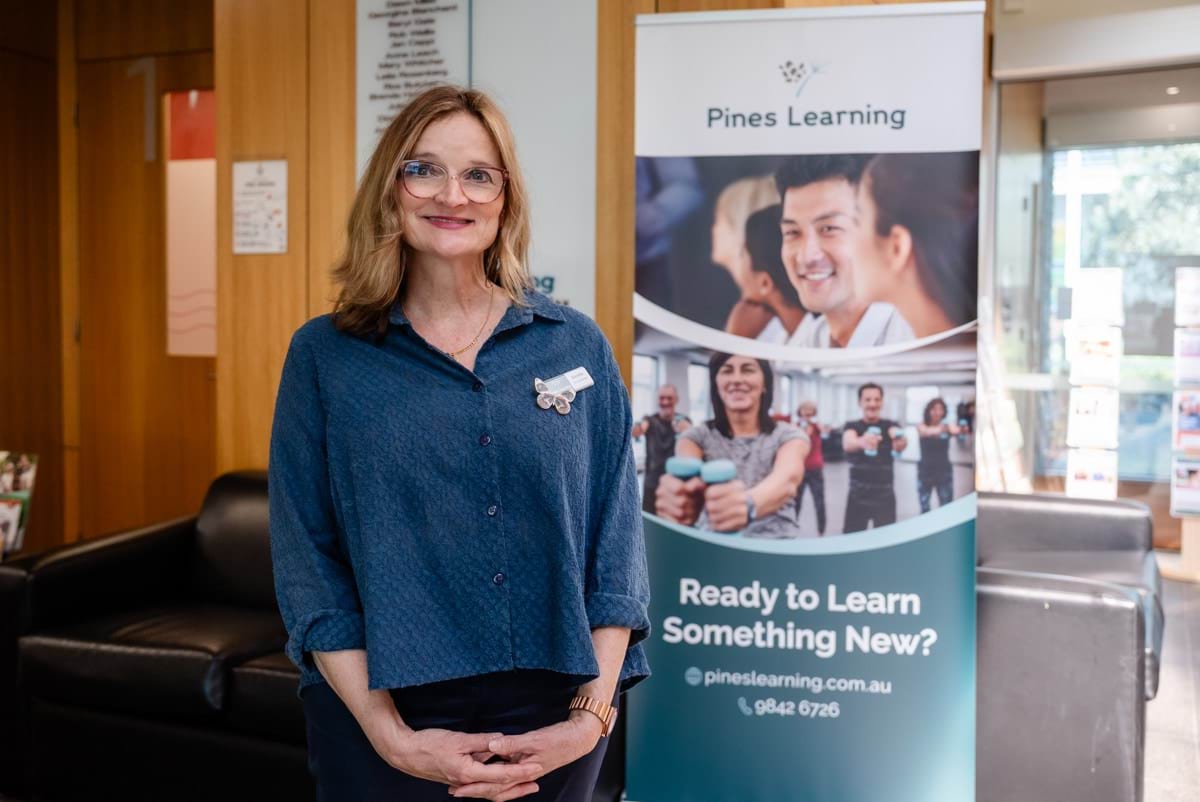
Sandie is the English as an Additional Language Lead at Pines Learning, where she oversees highly effective pre‑accredited English programs for culturally and linguistically diverse learners. In 2025, she coordinated 9 programs designed to build confidence in both workplace and community settings. Her flexible curriculum ranges from foundational literacy to advanced workplace English, with pathways into Aged Care and Early Childhood qualifications.
By integrating everyday workplace scenarios and Australian social conventions, Sandie ensures learning is relevant and contextualised. Innovation is one key to success. In designing the Australian Life and Culture course and an extensive guest speaker program, learners were guided through aspects of Australian culture, seasonal changes, and Indigenous history. Contextual learning also facilitated social connectedness and gave learners the confidence to transition into digital, aged care and children’s services courses. Sandie focuses on creating dynamic learning environments that support vulnerable learners from foundation skills through to community participation and employment.
This award recognises the outstanding contributions of Learn Local trainers to support learners in developing their skills for study, work and life.
Congratulations to Sara Ganderton-Spencer
2026 Learn Local Pre-accredited Trainer Award winnerCheltenham Community Centre
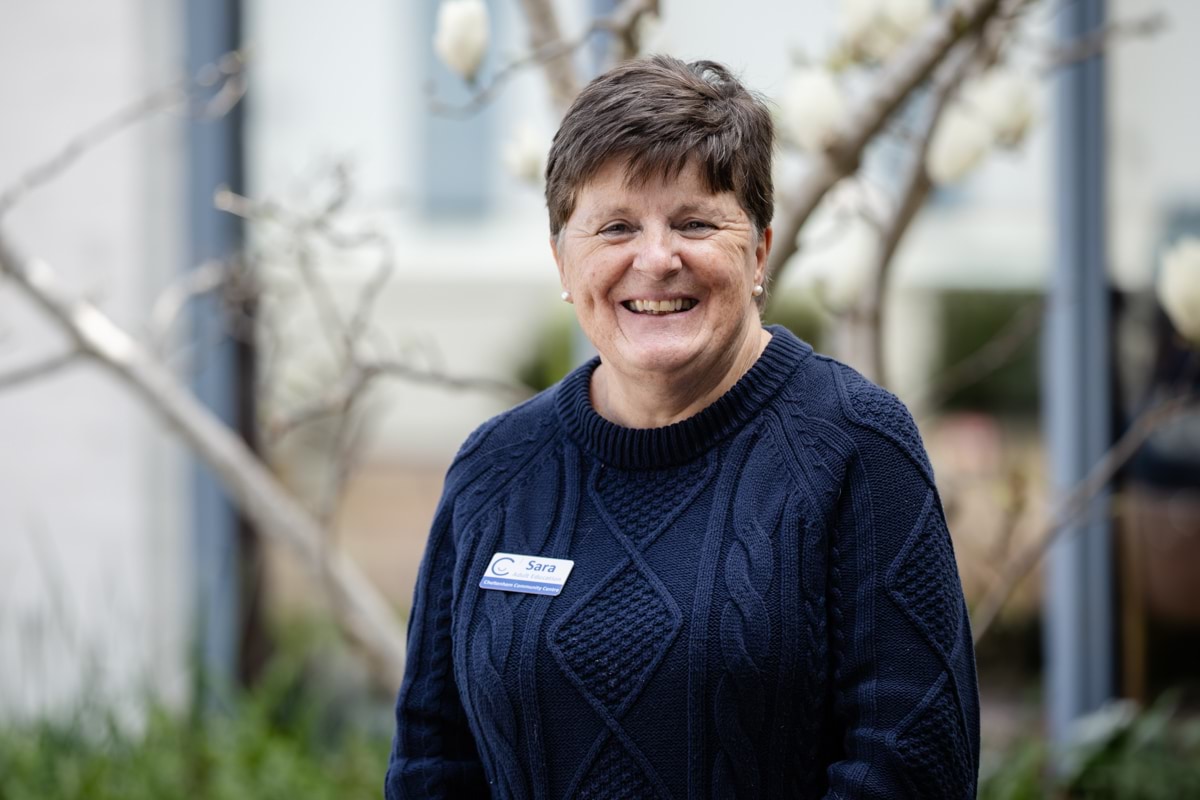
After lecturing in Social Administration and Policy in the UK, Sara Ganderton-Spencer migrated to Australia and soon discovered her calling in the Learn Local sector. Sara is driven to help people find their voice in a new country. She teaches pre‑accredited grammar, conversation and writing to learners from culturally and linguistically diverse (CALD) backgrounds at Cheltenham Community Centre.
To create maximum impact, Sara’s teaching centres on the language of everyday life, with a focus on Australian idioms and expressions that help learners operate effectively in their new community. One of her most innovative initiatives is the Banana Diaries, a weekly informal gathering in the centre’s community program café. English is practised in a relaxed environment, sharing recipes and making food from donated produce. These sessions foster confidence and genuine social connection. These everyday exchanges are life-changing, and many of her students progress to either accredited study, volunteering, employment, or further education.
Juni Napitupulu
Centre for Adult Education

Juni Napitupulu, a pastry chef with strong IT skills, was invited to teach accredited courses in Box Hill Institute’s Work Preparation & Foundation Programs, including pre-accredited courses Ready for Hospitality, Digital Skills, and Healthy Me. She supports learners from diverse backgrounds, including migrants and refugees, with a particular focus on learners with intellectual disability.
Juni demonstrated exceptional professionalism and innovation in delivering training. Taking a dynamic, learner‑centred approach, Juni ensured that teaching methods and content aligned with individual goals and circumstances. By linking classroom learning to hands‑on experiences, she empowered vulnerable learners to build confidence, teamwork, customer service, and hospitality skills. A key strength of her program structure was creating predictable learning environments and routines that fostered a sense of security. Outcomes were significant: learners were empowered to participate more fully in their communities, with several securing volunteer roles in local cafés, while others made notable gains in communication, social confidence, and self‑reliance.
Saima Farah
AMES Australia
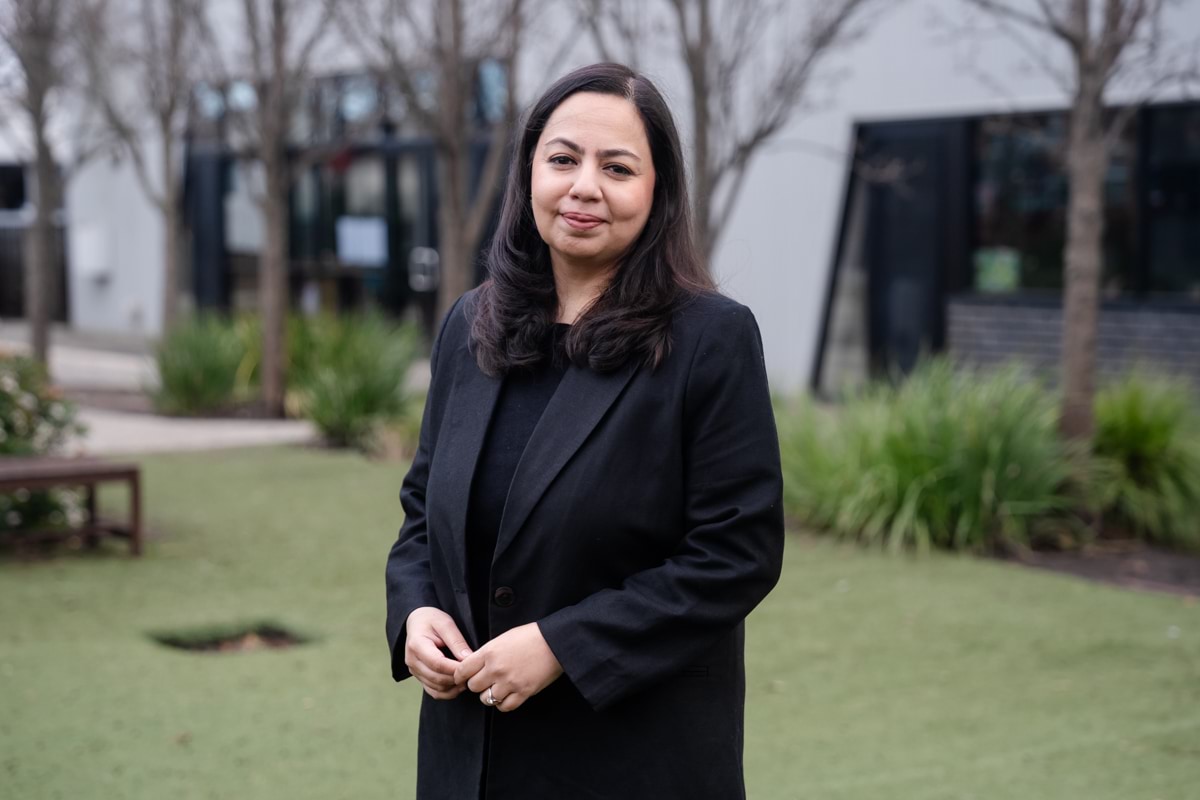
In 2025, Saima Farah commenced teaching the English Language Skills Program at AMES employment and settlement services in Dandenong, supporting learners who were beginning to develop foundational literacy skills. Within a year, her students made remarkable progress, transitioning into advanced English and digital skills programs. Saima’s focus is on the wellbeing of learners from diverse backgrounds. Through trauma-informed and culturally safe teaching practices, she empowers her students to learn at their own pace, build confidence and take risks.
Saima’s compassionate and responsive lessons focus on students’ strengths, taking into consideration their cultural background. Learning experiences are designed to enable learners to select activities that align with their interests and abilities. This might include recording short audio responses, writing, or drawing. She adopted a strategy called Wall of Secrets, using art to help women express and transform deeply challenging histories. Creating a flexible and sensitive learning environment, Saima nurtures students to thrive academically and feel valued.
Learn Local provider categories
This award recognises excellence and high-level performance by small community-based Learn Local organisations involved in improving foundation skills for work, study and life.
Congratulations to Kensington Neighbourhood House
2026 Small Learn Local Provider of the Year award winner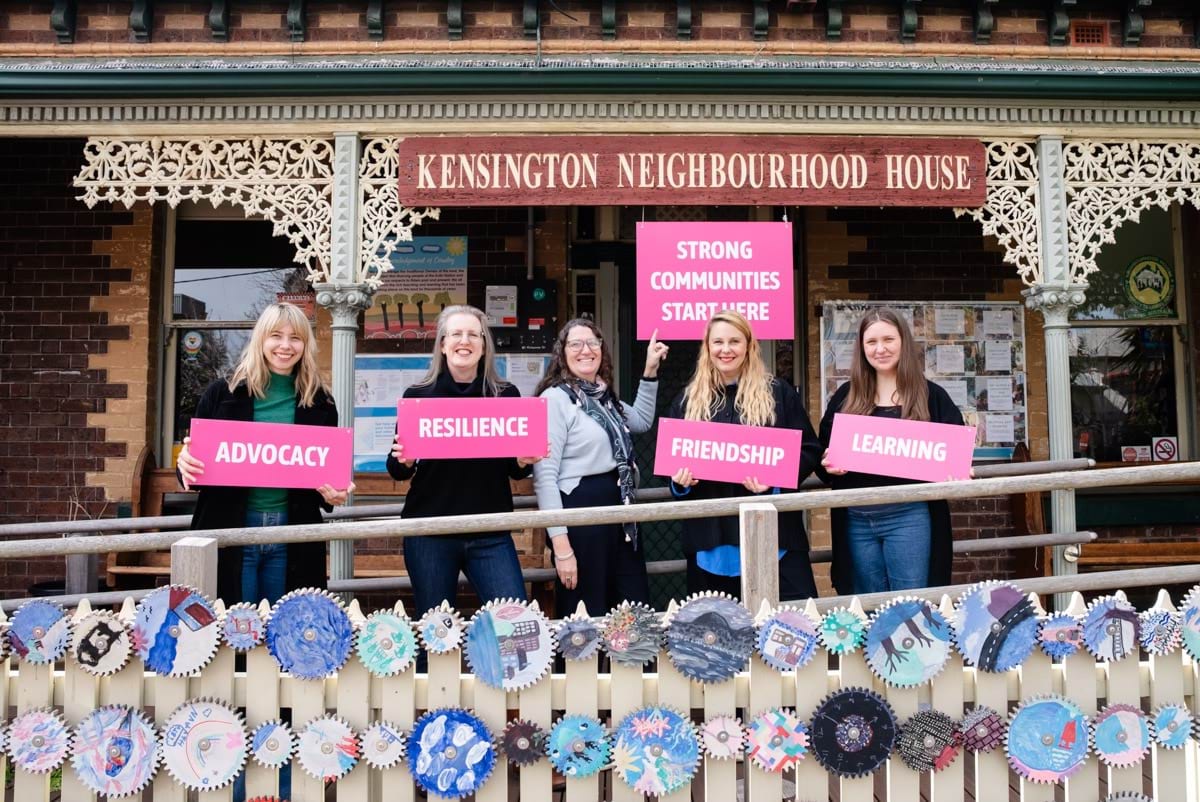
For 50 years, Kensington Neighbourhood House (KNH) has delivered community‑focused training for learners facing multiple barriers to education and employment. Despite being a small provider, KNH leads the way in developing bespoke programs that evolve in response to community and industry needs. Training is practical and linked to employment opportunities through strong industry partnerships.
In 2025 it launched Aged Care Cooks, a six‑week program co‑designed with Cultivating Community, Mecwacare and MiCare. The course offers direct progression into aged-care food service roles. KNH uses project‑based learning to embed literacy, numeracy, and digital skills into training, with learners moving between programs as skills build. Current programs include English language and literacy, small business skills, sewing and textile production, food service for aged care, and digital literacy. In 2025, KNH delivered 15 pre‑accredited programs, supporting 87 learners with diverse backgrounds, experiences and support needs. Strong outcomes saw 95% of participants completing courses and moving to further study, employment, or volunteering.
Nhill Neighbourhood House Learning Centre Inc
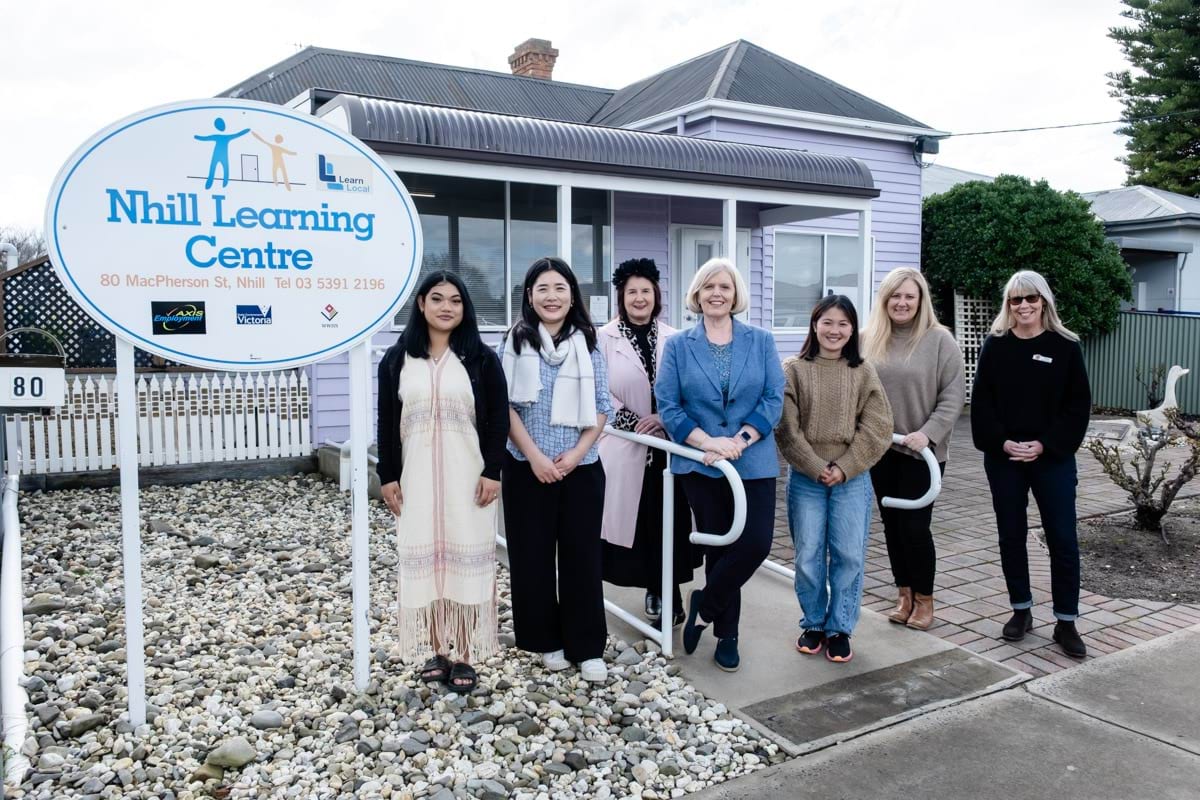
Nhill Neighbourhood House Learning Centre (NNHLC) has played an important role in welcoming and supporting Karen community members settling in Nhill. Through a wide range of services and innovative initiatives, NNHLC has helped participants build on their strengths and contribute to the region’s social and economic life. Many community members arrived in Australia after living in refugee camps in Thailand and were looking for opportunities to develop literacy and numeracy skills. They bring resilience, determination and a strong commitment to creating positive futures for themselves and their families.
Partnerships with local industry, councils, settlement services, neighbourhood houses and regional agencies ensure programs remain relevant and connected to local opportunities. Practical, holistic programs are co-designed with learners and community partners to reflect participants’ goals, experiences and aspirations.
Learners participate in meaningful projects such as NNHLC’s social enterprise, Paw Po Products training centre and retail shop. Paw Po provides a practical setting for developing language, sewing, floristry and business skills. These community-based projects strengthen social connection, confidence and independence while supporting participants to pursue further learning, employment and community participation.
Kyabram Community and Learning Centre Inc
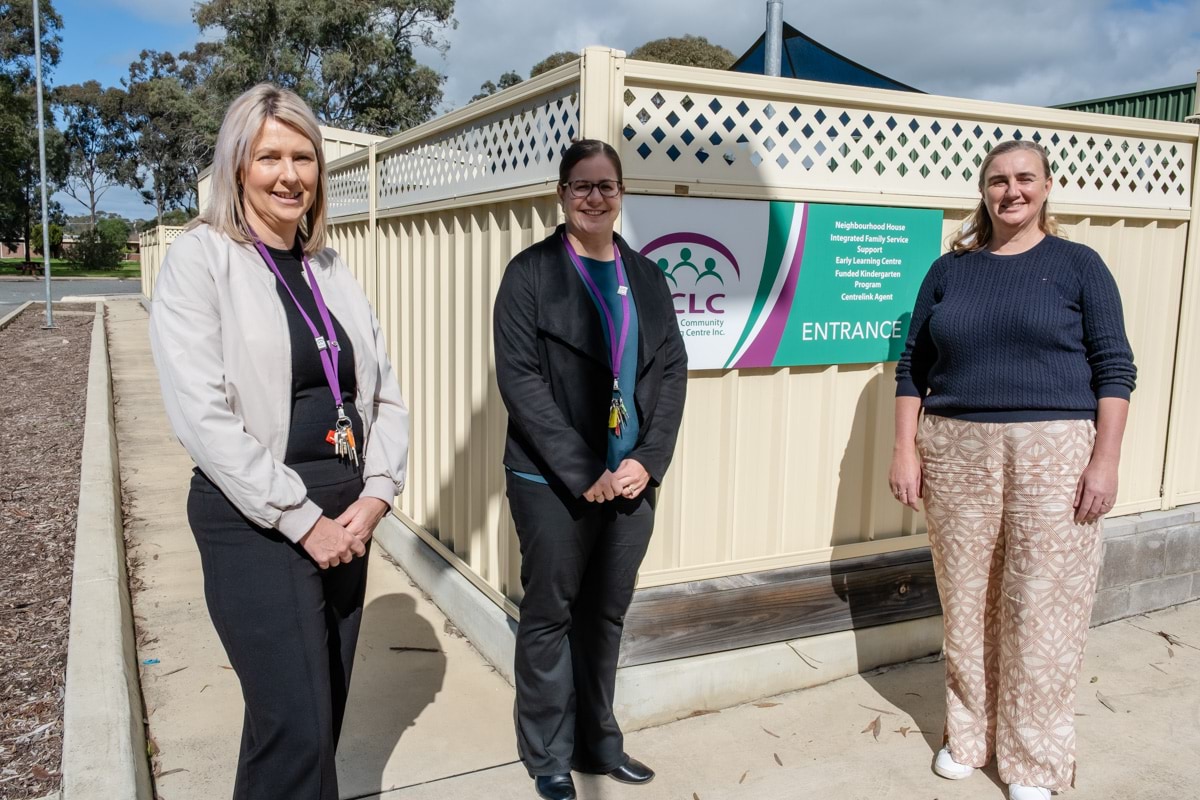
In 2025, Kyabram Community and Learning Centre (KCLC) delivered a diverse range of pre‑accredited programs for adults facing barriers to education and employment. Programs span digital literacy, literacy and numeracy, employability skills, hospitality, warehousing, community services, early childhood education, and trade skills. More than 220 learners participated across 9,000 training hours, including jobseekers, mature‑age learners, parents returning to work, culturally diverse learners and people seeking new skills.
KCLC’s community‑led approach places learners, local industry, and emerging workforce needs at the centre of program design. Its strength lies in its ability to listen, respond and adapt. Community services, early childhood education, warehousing, and hospitality programs were developed specifically to meet employer demand. Working seamlessly alongside a network of employers, outreach services, training providers and support agencies, empowers learners to access education, volunteering, work experience, and employment. With learners at the heart of every decision, KCLC delivers transformative training that strengthens communities.
This award recognises excellence and high-level performance by large community-based Learn Local organisations involved in improving foundation skills for work, study and life.
Congratulations to Banksia Gardens Community Services
2026 Large Learn Local provider of the Year award winner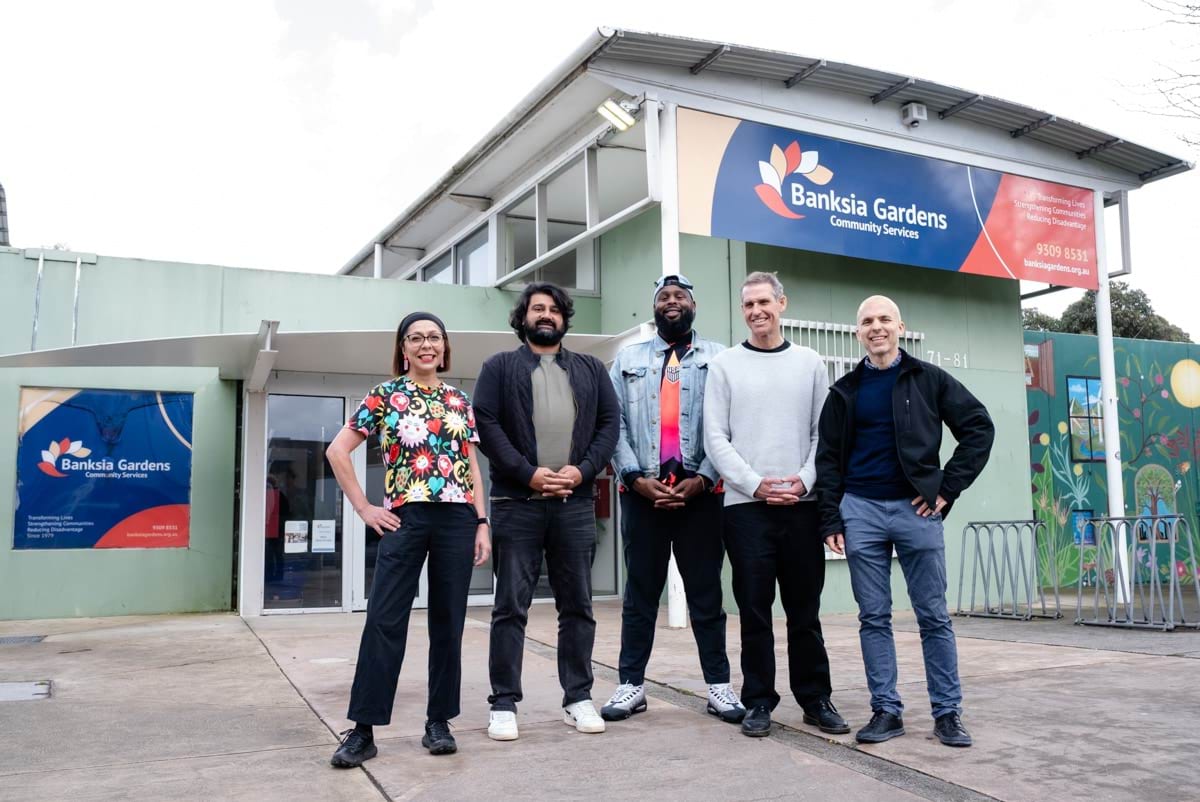
For over 15 years, Banksia Gardens Community Services has delivered pre‑accredited training across the Hume region, supporting culturally and linguistically diverse (CALD) communities, disengaged youth, and adults experiencing social and economic disadvantage. Training spans digital literacy, employability, foundation skills, and community participation. Staged learning, mentoring and hands‑on experience sets participants up for success. A key example is the staged digital literacy pathway, addressing rising digital exclusion. Learners with little or no computer experience build confidence through practical tasks such as accessing MyGov, preparing resumes and applying for jobs online.
Programs are designed in direct response to community needs and individual participation barriers. A major strength is the integration of social enterprises. Common Bean Café, Common Green and Naughty Broady provide environments where learners develop job‑ready skills in hospitality, landscaping, and retail. In 2025, more than 1,400 learners participated, with 44% progressing into employment, 10% into self‑employment, 15% into volunteering and 12% into further education.
Foundation Learning Centre
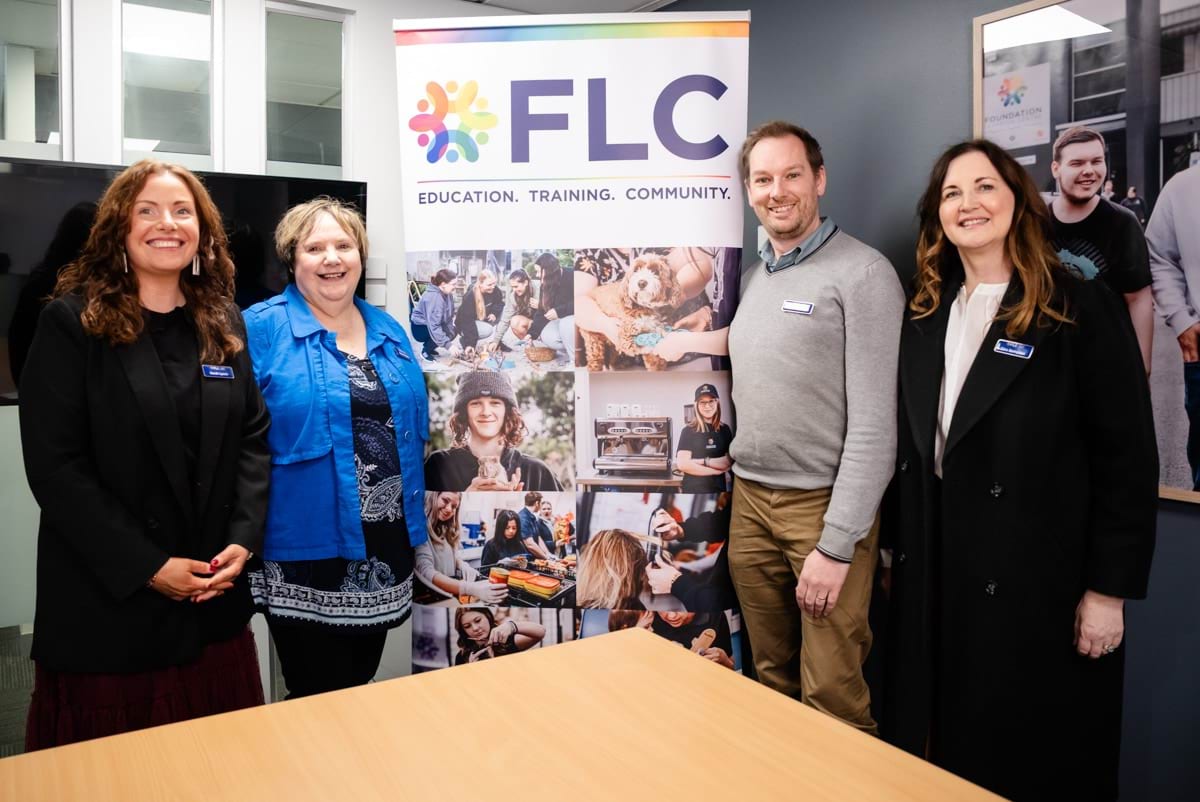
For many attending Foundation Learning Centre (FLC), the training journey is one of courage. Of the 486 participants in 2025, 90 hadn’t attended school, and the majority had low prior educational attainment. Programs are designed specifically for disadvantaged and vulnerable cohorts, including CALD learners and people re‑engaging with education after long periods of disadvantage. The focus is on building confidence, self-regulation, and work readiness.
Learners discover a renewed sense of possibility because FLC’s pre‑accredited programs strengthen employability and address personal development. For maximum impact, courses integrate language, literacy, numeracy, and digital skills, supported by partnerships with local businesses and community organisations offering authentic experience. Industry focused programs such as Gaining the Edge, address shortages in the early childhood workforce. The Engaging in Life and Work course integrates Language, Literacy, Numeracy, and Digital skills, industry exposure and employability skills. By shaping courses around individual goals and circumstances, FLC provides structured transitions into accredited training and employment.
The Centre for Continuing Education Inc
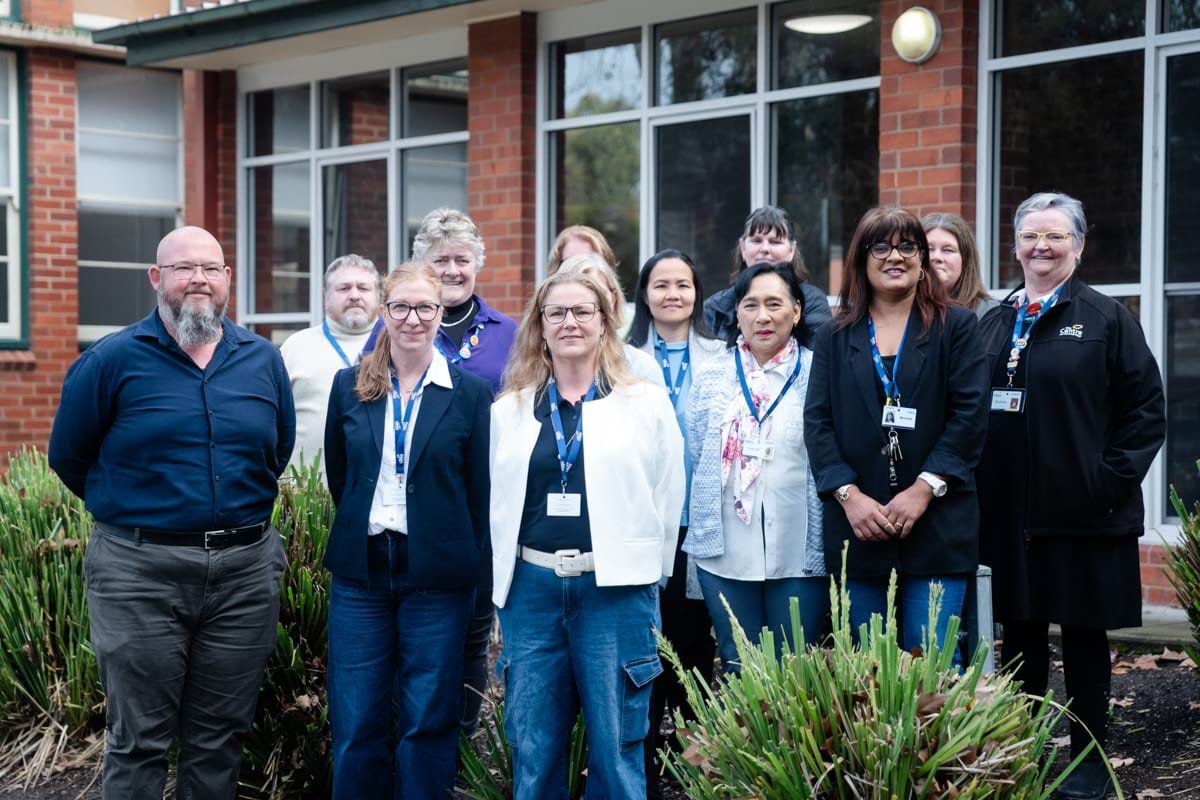
The Centre for Continuing Education delivers a unique blend of programs that holistically support adult learners across 12 local government areas. Its pre-accredited programs are innovative, responsive, and designed with a deep understanding of the challenges faced by adults experiencing disadvantage, low prior educational attainment or learning difficulties.
Strengthening core skills, employability and social connection are paramount. Through partner consultation, bespoke courses are created to build resilience, wellbeing, foundational skills, and industry specific capabilities. A particular focus is on supporting difficult to engage cohorts, including participants connected to the justice system, the Shepparton Drug Court, and residents of the Wangaratta Therapeutic Community.
A key element of the centre’s approach is recognising adults as experts in their own lives. Learning journeys are non-linear, and programs are delivered with agility and empathy as issues arise. Successes at The Centre for Continuing Education are underpinned by partnerships with industry, support organisations, community groups, and TAFE networks.
This award recognises innovative solutions that have been developed by a registered Learn Local provider in response to a local training challenge or community need. The innovative solution must be a new or revised ACFE Board-funded program, project or activity.
Congratulations to Introduction to Pool and Beach Safety
2026 Learn Local Innovation Award winnerCarlton Neighbourhood Learning Centre
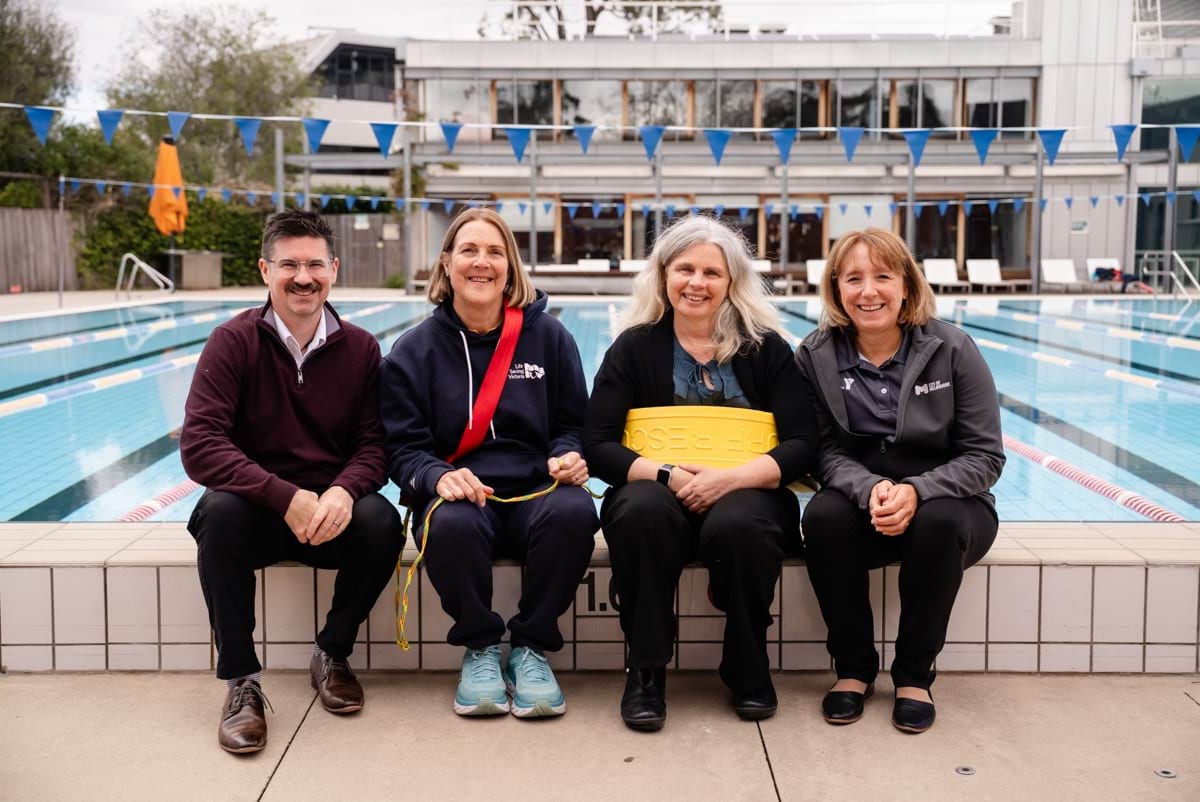
Introduction to Pool and Beach Safety is the first Learn Local program in Victoria to combine English language and literacy teaching with practical water safety education. Developed by Carlton Neighbourhood Learning Centre (CNLC) in partnership with Life Saving Victoria and Carlton Baths, the program responded to migrant English learners seeking greater confidence around water and practical knowledge to support their families’ safety. This need is reflected in Life Saving Victoria’s 2024–25 Drowning Report, which found that 37% of drownings over the past decade involved people from multicultural communities.
CNLC’s English teacher is a qualified surf lifesaver. She began teaching literacy through the lens of water safety. Eighteen learners participated, many entering a pool for the first time. Rotating between classroom, pool and beach ensured contextual learning and exposure to aquatic employment pathways. Outcomes were significant, including increased English vocabulary, stronger water confidence and one learner securing employment. The program aims to expand across the community.
Family Learning Partnership - Family Link
Kyabram Community and Learning Centre
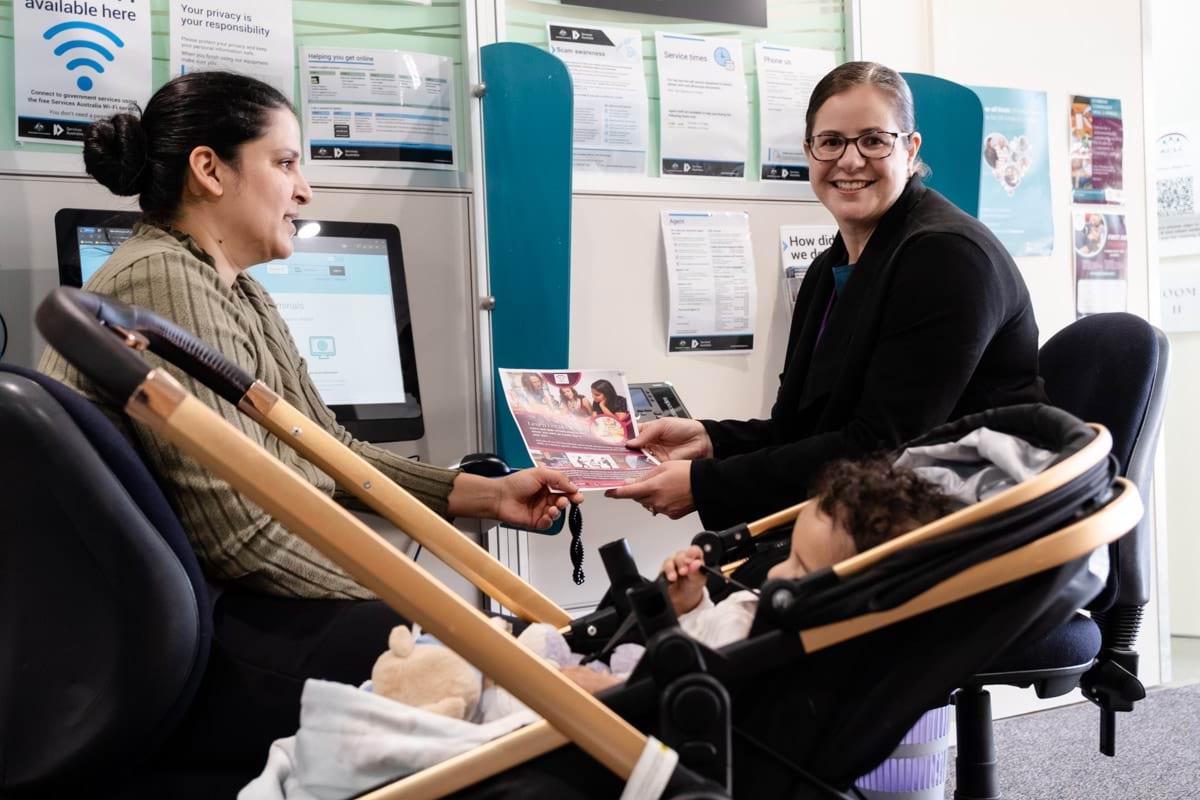
Family Link is an innovative family learning initiative delivered by Kyabram Community and Learning Centre (KCLC). Developed in response to addressing barriers to education, training and employment, the program supports families experiencing financial hardship, limited access to services, social isolation and caring responsibilities.
Community research identified that parents engaged more effectively in familiar, family-based settings than traditional training environments. Family Link adopted a holistic, partnership-driven approach, integrating life skills, childcare information, career planning and cross-agency support into one flexible, family-centred model. Playgroups, multicultural events and parenting programs became pathways into learning, supported by blended delivery and child-minding services.
More than 80 families participated in parenting and community programs, with over 50% progressing into accredited and non-accredited training, increasing confidence and access to education, childcare and employment services.
Microbusiness for New Arrivals
Cultura
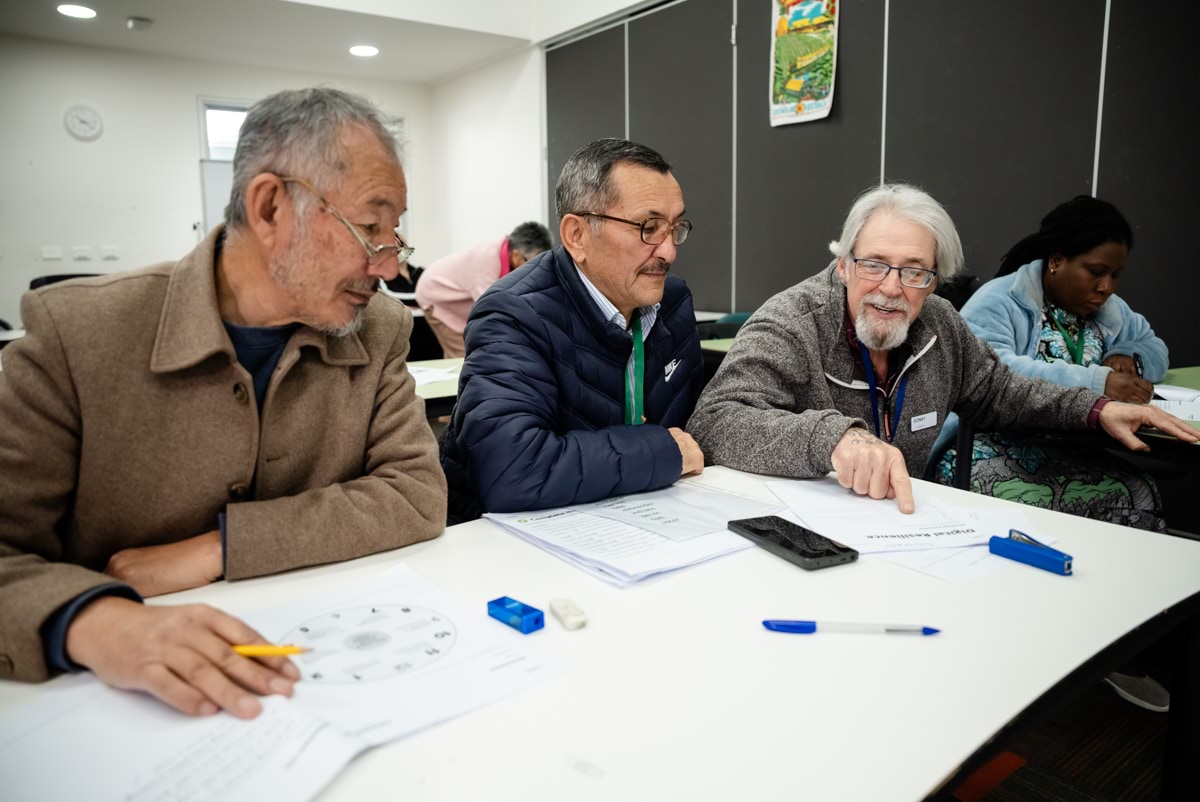
In 2025 Cultura partnered with its employment team to pioneer Microbusiness for New Arrivals. The course responded to a gap in tailored support for women from multicultural backgrounds facing barriers to economic participation. Women were eager to contribute to their family income but faced challenges accessing employment programs due to a range of issues including caring responsibilities, disability, and cultural expectations around gender.
The project initially supported women with strong textile skills to establish microbusinesses as contractors. Later it expanded to include women wanting to create other small enterprises. Guided by expert guest trainers and business mentors, Microbusiness for New Arrivals provided foundational English and knowledge of Australian business literacy. Cultura’s sewing hub reinforced and contextualised learning through practical product development, and creativity and sustainability were encouraged by repurposing second hand textiles. On completion, learners had ABNs, invoicing templates, business plans, and marketing ideas. Cultura plans to expand the program into food and landcare enterprises.
This award recognises a partnership between a Learn Local provider and at least one other organisation, which has resulted in improved learner pathways from Victorian Government funded pre- accredited training to accredited training and/or work.
Congratulations to Orbost Early Years Education Partnership
2026 Learn Local Partnership Award winner
Led by the Orbost Education Centre, the partnership includes Wellington and East Gippsland Learn Locals, Gippsland East Local Learning and Employment Network and East Gippsland Shire Council joined forces with the Be Work Ready: Early Years Education Partnership to address early childhood workforce shortages and create an accessible pathway from pre-accredited learning to Certificate III training.
Delivered locally, the program removes barriers including long travel distances and limited childcare, while providing tailored employability skills and early childhood education knowledge, industry speakers and ongoing Study Hub support. Eleven people participated, 6 registered with the Study Hub and 5 progressed to accredited Early Childhood Education and Care training.
Participants reported stronger confidence, clearer career pathways, improved teamwork and communication skills. The partnership has also established continuing study support, peer networks and a replicable hybrid training model, demonstrating how flexible, community-led collaboration can expand education and employment opportunities in regional communities while strengthening Orbost’s early childhood workforce, turning local learning into meaningful careers.
Women out Working

In response to an identified learning need for a priority cohort, Opendoor (an organisation providing employment, training, youth, NDIS and wellbeing services) and Glen Park Community Centre (GPCC) established a partnership to create Women Out Working (WOW). In collaboration with Eastland Shopping Centre, the program addresses a critical gap in Opendoor’s caseload – women experiencing trauma and long‑term unemployment. Delivered at Glen Park’s Social Enterprise Café, WOW supports participants in small groups, combining pre‑accredited training with accredited Food Safety modules in a safe, structured environment.
The program was co‑designed as a supported entry model that blends employability skills with practical hospitality tasks, confidence building, and individualised pathway planning. Literacy and numeracy are embedded in hands‑on activities such as point‑of‑sale operation.
WOW bridges the gap between social isolation and professional engagement, generating outcomes including employment, further training, and volunteering. Partnership benefits include a streamlined referral pipeline for GPCC, a trauma‑informed pathway for Opendoor’s complex clients, and job ready candidates for Eastland’s retailers.
Here to Care
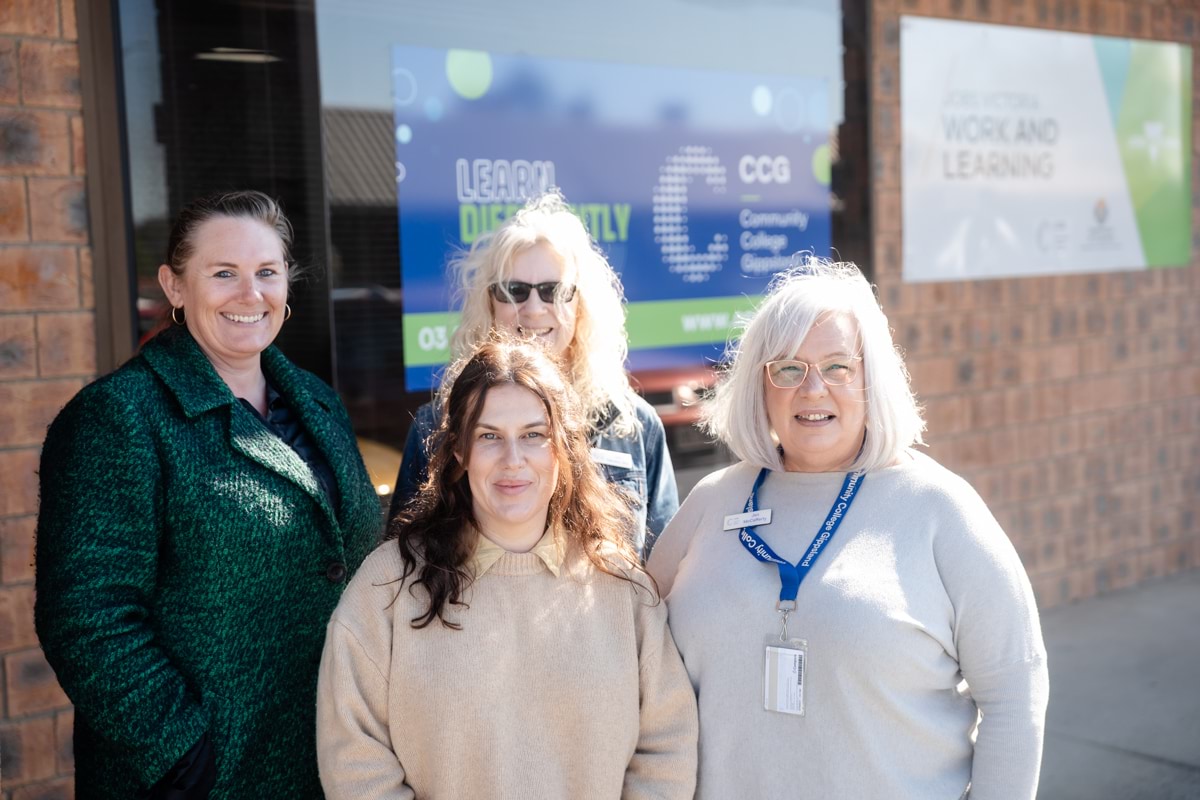
As Gippsland faced growing workforce shortages in the care sector, many culturally and linguistically diverse (CALD) community members who could thrive in these roles were impeded by language barriers, low confidence, and uncertainty around training. In response, Community College Gippsland (CCG), Latrobe Community Health Service (LCHS) In Home Care, the LCHS Migrant Settlement Program, Employment Facilitator in Gippsland and TAFE Gippsland joined forces to create Here to Care, a welcoming, culturally responsive pathway into learning and employment. The partners combined wraparound support with pre‑accredited training focused on communication, confidence building, industry insights, and Australian workforce expectations.
The Brotherhood of St Laurence, in partnership with CCG through the Work and Learning Centre, provided mentoring and ongoing support to participants, contributing to positive engagement and employment outcomes. Twelve out of the 13 learners successfully completed the program, and 9 progressed directly into employment. CALD learners who had never imagined entering formal study realised bright futures in care roles.
Updated