- Published by:
- Victorian Early Childhood Regulatory Authority
- Date:
- 2 Feb 2026
The VECRA newsletter is sent to all approved providers, services, key stakeholders and subscribers. It is open to anyone interested in the regulation of early childhood education in Victoria. Sign up to receive the newsletter.
Message from our Interim Regulator
Welcome to the first edition of the Victorian Early Childhood Regulatory Authority (VECRA)'s sector newsletter.
I recognise that the start of this year has been challenging for many Victorian communities affected by the recent bushfires and extreme weather conditions. These events place significant pressure on children, families, educators and services.
I want to acknowledge the tireless efforts of services and staff continuing to support children and families during these stressful times, especially in areas preparing for and managing ongoing bushfire and extreme weather risks.
There are supports available through Emergency Management Victoria for impacted communities that I encourage you to access. There is also emergency Child Care Subsidy funding available from the Australian Government for people in affected areas.
This edition of our newsletter includes practical reminders about emergency management planning and response to help services stay prepared.
VECRA’s mission to keep children safe
As the Interim Regulator, my highest priority is clear: keeping children safe from harm.
VECRA now independently oversees early childhood education and care services to ensure children are receiving safe supervision, high quality care and education that families can count on.
The recent National Law amendments will strengthen our ability to investigate historic offences, collect and share critical safety and enforcement information, including with families and with recruitment agencies, and proactively inform providers about prohibited individuals.
We will take swift, transparent regulatory action when children’s safety, health or wellbeing is at risk, when noncompliance is serious, and if services fail to meet their legal obligations.
Since 2 January 2026, new penalties now apply to all early childhood service providers who put children’s safety at risk.
Maximum penalties have tripled for all offences under the National Law and National Regulations.
In Victoria, maximum penalties for large providers (25+ services) are now 9 times the previous penalty amounts.
National and Victorian law changes
The remaining National and Victorian child safety reforms legislation will come into effect on 27 February 2026.
These reforms include the introduction of the paramountcy consideration principle. This principle refers to the requirement that the safety, rights and best interests of children be the number one priority in all decisions and actions relating to early childhood education and care.
VECRA will host online information sessions for approved providers and educators soon. These sessions will involve a series of webinars focussing on the different themes related to the legislative changes and provide an opportunity for educators and service providers to ask questions and seek further guidance. We will circulate further information about how you can get involved.
Strong child safety culture
Keeping children safe relies on a strong child safety culture in every service. This means being alert to risk, speaking up early and taking concerns seriously.
Reporting concerns about a child’s safety, wellbeing or care helps prevent harm and allows VECRA to act where needed to keep children safe. I expect services and individuals to meet their reporting obligations and to create environments where concerns are raised and acted on in the best interests of children.
Thank you for the important work you do every day to ensure that children attending Victorian early childhood education services are safe and thriving. Your commitment is essential to helping families to feel confident, connected, and well-supported throughout their child’s early learning journey.
Stay up to date with VECRA
VECRA will share timely regulatory updates through our newsletter and LinkedIn communication channels. I encourage you to subscribe and follow us online to stay up to date.
Adam Fennessy PSM
Interim Regulator
Victorian Early Childhood Regulatory Authority
Starting the new year
Review and update your service's operations.
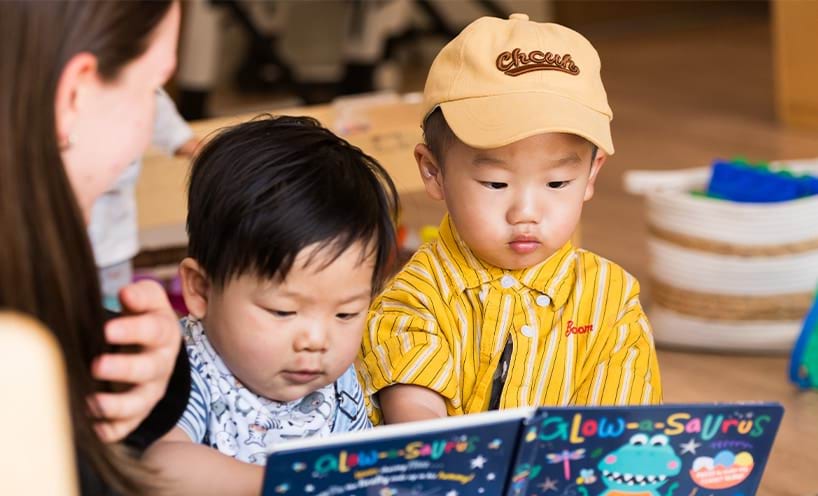
The start of the year is a great time to review your service’s operations and ensure critical information is up to date. All approved providers are reminded to:
- update your details in the National Quality Agenda IT System (NQA ITS) if there have been changes to your service’s operating hours, location and contact details
- ensure your service’s mobile number and emergency after hours contact details are correct. These details are important so that VECRA can contact you in emergencies, such as flood or bushfires, to provide support and advance notice
- notify VECRA if your service now provides transportation, and if you deliver an in-nature program (bush, beach kinder)
- review and update your enrolment records to make sure they contain all required information
- ensure every child’s authorisations are up to date for medical, travel and other reasons. Ensure staff understand the importance to check who is authorised to collect children, including checking court orders
- confirm that you have accurate medical management plans for each child enrolled at your service including new children and those who have attended the previous year. Ensure any medications kept at the service as part of children’s medication management plans are current and not expired
- ensure you have up to date information on all children’s medical conditions, allergies and dietary requirements. Ensure that staff and volunteers are familiar with these details too
- review your policies and procedures to ensure they are up to date, and incorporate all required child safety information
- ensure all staff records are up to date, including their qualifications and Working with Children Checks (WWCC) and/or VIT registration
- make sure that new staff are trained to understand the service’s personal device policy and procedures, including restrictions to personal devices while caring for and educating children
- notify VECRA if there are any changes to the Persons in Management or Control (PMC) at the service. This is especially important for kindergartens with committees of management that may change annually. Note that these changes do not require a new application for provider approval. You must report any changes to the PMC within 14 days. For more details read ACECQA’s information sheet.
How to notify VECRA
- National Quality Framework (NQF) services can use the NQA ITS online portal
- Occasional care or limited hours services can use the Victorian Children's Services notification forms.
If you have any questions, please contact the VECRA enquiry line on 1300 307 415 during business hours, or email vecra@education.vic.gov.au.
Child safety reforms
Information about the national early childhood worker register and Victorian changes.
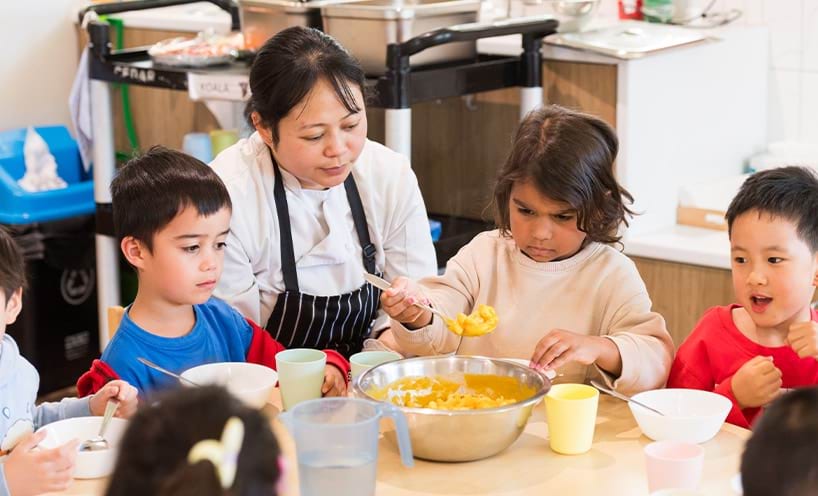
The national legislative changes all have child safety at their heart. The Australian Children’s Education & Care Quality Authority (ACECQA) and VECRA will be publishing more information about new requirements for providers.
The Australian Government is introducing the National early childhood worker register.
The Register will improve how regulatory authorities across Australia monitor, identify and respond to risk related to people working with children in education and care services.
The Register is being rolled out in early February 2026 through NQA ITS.
All NQF services, including family day care (FDC) and outside school hours care services, will be required to upload information on their current workforce onto the Register from Friday 27 February 2026.
Approved providers must record information for all early childhood education and care service workers, including:
- educators
- volunteers
- students
- non-educator staff
- teachers (regardless of whether they are registered or accredited with a teacher registration body)
- nominated supervisors
- co-ordinators
- FDC educator assistants.
Approved providers will have until Friday 27 March 2026 to complete their Register updates.
VECRA encourages providers to prepare for the rollout of the Register, ahead of its launch in early 2026.
More information about the Register including frequently asked questions can be found on ACECQA’s website: National early childhood worker register.
Alongside the national changes, Victoria has introduced additional regulatory requirements.
Some of the changes that will impact Victorian providers and services include new obligations, for:
- services to display their compliance history
- providers to report any staff sexual misconduct to the regulator
- the ban on providers obtaining insurance that will indemnify them from penalties.
Information on the tailored information sessions for each sector type, and more detailed guidance on these regulatory changes will be shared soon in newsletters and other communications.
Read more at: Child safety reforms: National and Victoria-specific legislative changes.
Bushfire and grassfires
Important reminders about emergency management and response.
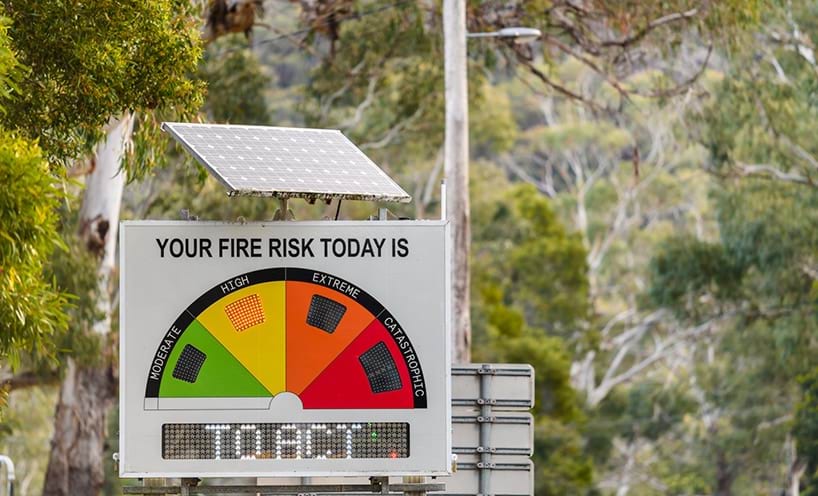
The recent high temperatures and fire emergencies are a reminder of the importance of emergency preparedness and management. Prioritising planning and training means that everyone is confident of their obligations should an emergency occur.
Providers must ensure their services:
- complete detailed risk assessments and planning
- regularly review and update their policies and procedures
- practise emergency evacuations every 3 months
- train all staff and volunteers
- establish systems to ensure families understand your policies and procedures in relation to emergencies.
Services no longer need to submit their Emergency Management Plans (EMPs) but are encouraged to involve or consider information from your local emergency services where possible to provide expert advice on your procedures.
Providers and services are reminded that under the National Law:
- only services listed on the Bushfire at Risk Register (BARR) and those at risk of grass fire (GARR) must close on Catastrophic Fire Danger Rating days in their Fire Weather District. It is a condition imposed on their service approval
- all other services must follow the policies and procedures they have developed for emergency situations affecting their service (including bushfires, thunderstorm asthma and high temperatures)
- each service must determine their response depending on their individual circumstances and include when the service will close or remain open
- Family day care (FDC) services are not individually assessed for bushfire and grassfire risks, and therefore not listed on the BARR and GARR.
- this means FDC providers have an obligation to manage these risks, and a critical role to establish systems to keep their educators and children attending the service safe
- read more about all these obligations at: Managing bushfire and grassfire risks in early childhood services – Family day care services responsibilities.
Occasional care and limited hours services are subject to the same emergency management requirements as those under the National Law.
Read more at:
Education programs and using devices in the planning cycle
Guidance on the use of photos in early childhood services.
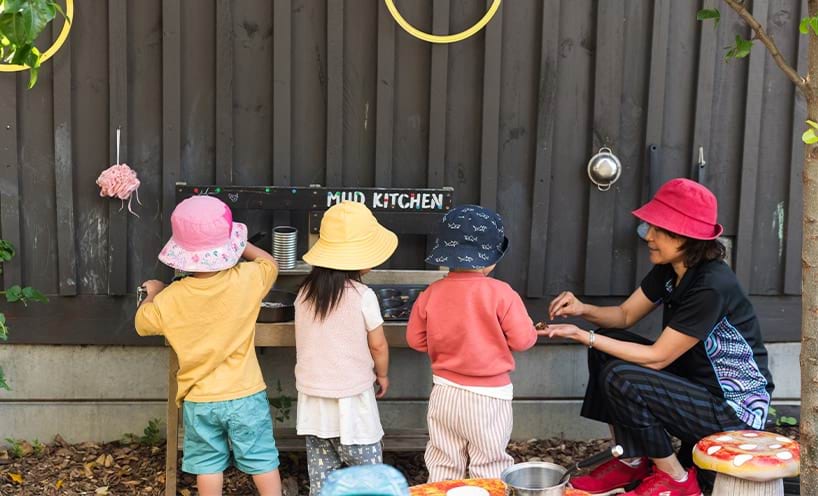
This article is included with permission from independent early childhood education expert Catharine Hydon, and is based on content from a recent presentation of hers.
Recent restrictions on the use of personal devices – and changes to align with the National Model Code – have prompted many services to critically reflect on how they use images. This moment presents an opportunity for services to deepen educators’ interactions and engagement with and move beyond the burden of taking constant photos.
Photos for assessment and planning
Photos should be one of many sources of information and strategies that educators use to collect and document information about children's learning and development. Photos can:
- document and capture the learning journey
- show progression
- contribute to observations
- make ‘the distance travelled’ visible to both children and their families (including families from culturally and linguistically diverse backgrounds).
Photos cannot be considered a stand-alone assessment tool, as this misses a crucial step: where educators critically reflect, analyse, and use their professional judgement. Assessment of children’s learning is undermined if there is an overreliance on photos, but where there is strong analysis photos can bring learning into sharper focus.
Opportunities to strengthen relationships with families
Talking to families about the way the service uses photos, and the new approach, could present an opportunity to reset expectations away from a constant stream of photos to deeper conversations about children’s learning. Services could consider developing an intentional and targeted approach, where educators discuss children’s progression and share documentation that shows children’s thinking with families as they arrive at the service.
Services could also take this opportunity to engage with families to gain their feedback on what alternative strategies the service could use to understand their children’s progress.
Questions for reflection
Below is a list of questions to prompt critical reflective practice at your service, as a group as well as for individual professional reflection. This could be led by the educational leader.
- Do educators seek children’s permission before taking a photo?
- What role should photos play in the planning cycle to document and communicate children’s learning, and what are their limits? How, when and why are they used?
- How might photos reinforce or undermine educator’s capacity to document and track children’s learning and development journey?
- How can services re-evaluate their documentation practices to ensure they meet the requirements of the National Law and National Quality Standard without overburdening educators?
- How can educators balance family expectations for photos and visual evidence with authentic, ethical and meaningful documentation?
- What alternative strategies and practices can educators use to build strong relationships with families and demonstrate children's progress, rather than just showing photos?
Congratulations to Harrietville Bush Kinder
Winner of the 2025 Aunty Rose Bamblett Koorie Early Years Legacy Award.
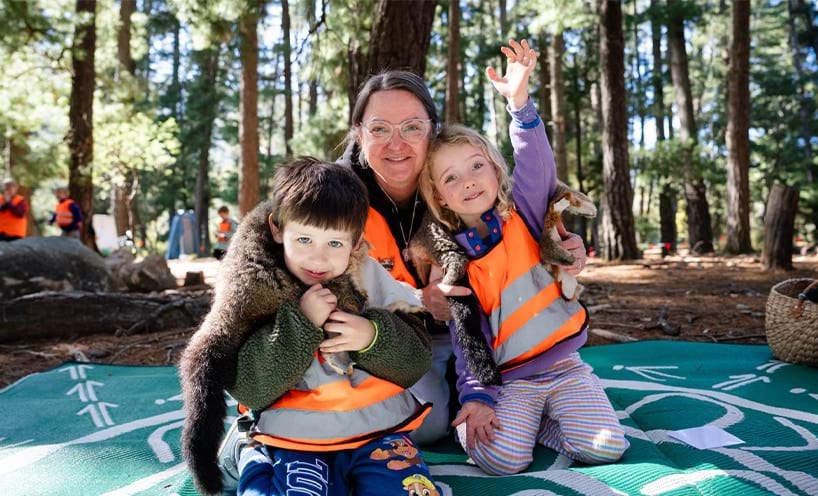
Harrietville Bush Kinder, operated by Harrietville Primary School, won the 2025 Aunty Rose Bamblett Koorie Early Years Legacy Award in November 2025. This award recognises services that engage with Koorie children, their families and the local community, amplifying their voices and perspectives, and enabling self-determination.
The kindergarten embeds Aboriginal and Torres Strait Islander perspectives across the curriculum and has a strong focus on learning and honouring the Dhudhuroa Language under Traditional Custodians’ guidance.
The kinder has strong and meaningful relationships with Dhudhuroa Elders and community, advocating for reconciliation, and activating children's voices. The service has strong links with local indigenous groups and individuals whose perspectives are authentically embedded into practices and curriculum. Together with Elders, children developed their own Acknowledgement of Country to honour the Dhudhuroa people and land. This helps all children build respect for First Nations people and their history, especially on Dhudhuroa country. It also helps Koorie children’s wellbeing and learning, supporting them to be proud of their identity and community.
Children join in Dhudhuroa Language Days where they learn new words and ideas through play, songs, and stories. Teachers also use the ‘8 Aboriginal Ways of Learning’ pedagogy framework to guide their teaching alongside the Victorian Early Years Learning and Development Framework (VEYLDF). They include cultural tools like possum skin journals for children to document their own learning journeys, a Culture Kit and First Nations storybooks, making learning fun, meaningful, and connected to culture.
The kinder also collaborates with local Aboriginal organisations and programs to support children’s learning and wellbeing. These partnerships include engagement with our Koorie Education Support Officer and cultural consultants such as Aunty Trish who support our planning and inclusion strategies for Koorie and all children at the service.
Find out more about the: