The stories of school mums are often left out when we talk about the history of education.
Mums have always been a huge part of the educational experience in Victoria. They worked in the canteen, helped children practice reading, and joined school excursions as volunteers. Their work made a real difference and should be remembered and celebrated.
In 1917, Emmaline Pye, a lecturer at the Melbourne Teachers’ College, suggested to teacher Lillian Horner at Princes Hill State School that she invite local mums into the classroom to help children with reading. The idea spread quickly. By 1925, there were 100 Mothers’ Clubs across Victoria. These clubs joined together to form the Victorian Federation of Mothers’ Clubs (VFMC). They wore badges that said, ‘We Serve the Children’.
Soon, members saw they could do more to support their children’s education. They began fundraising to buy equipment for their schools, and supported the needs of their local communities.
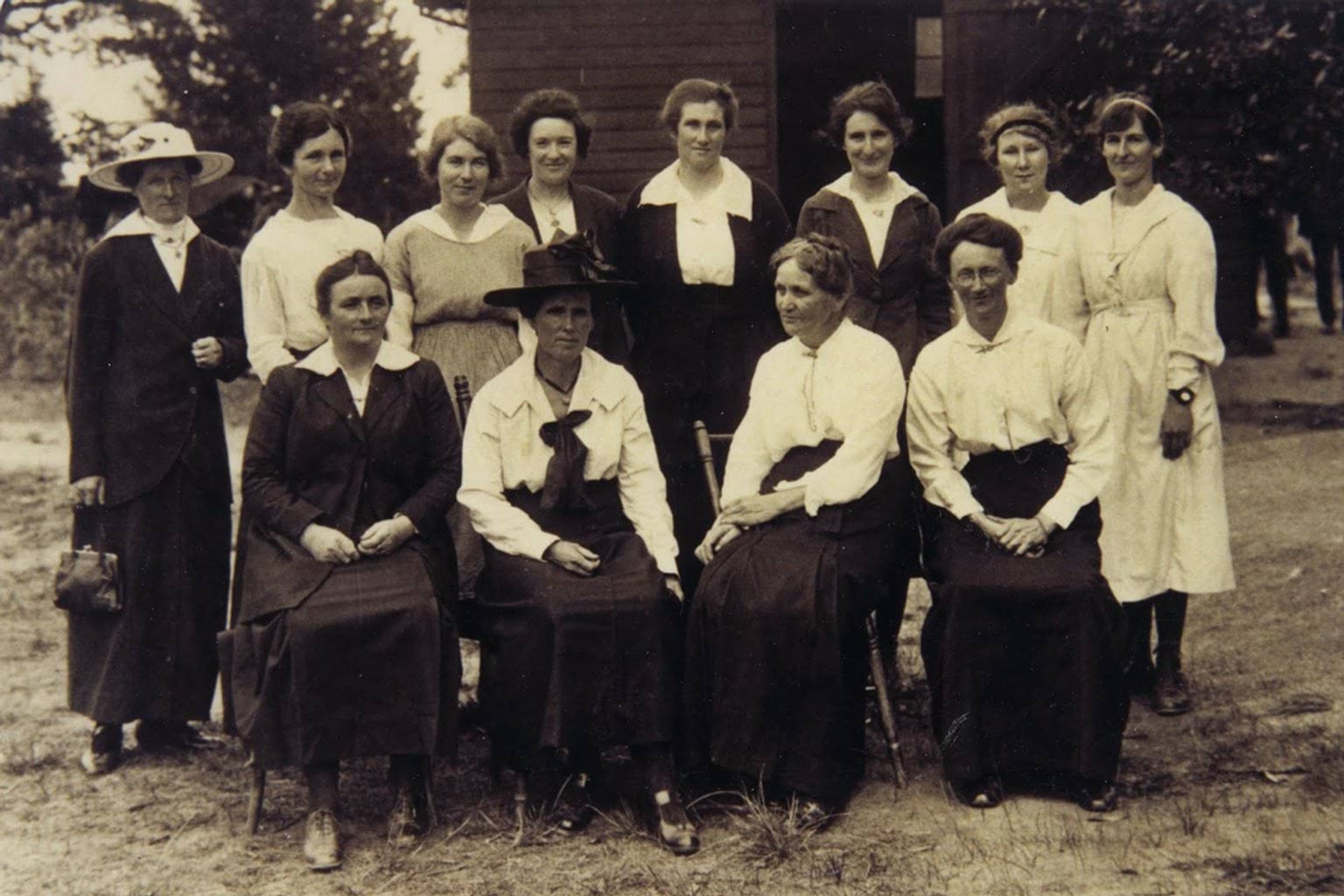
Hallam State School Mothers' Club - 1921
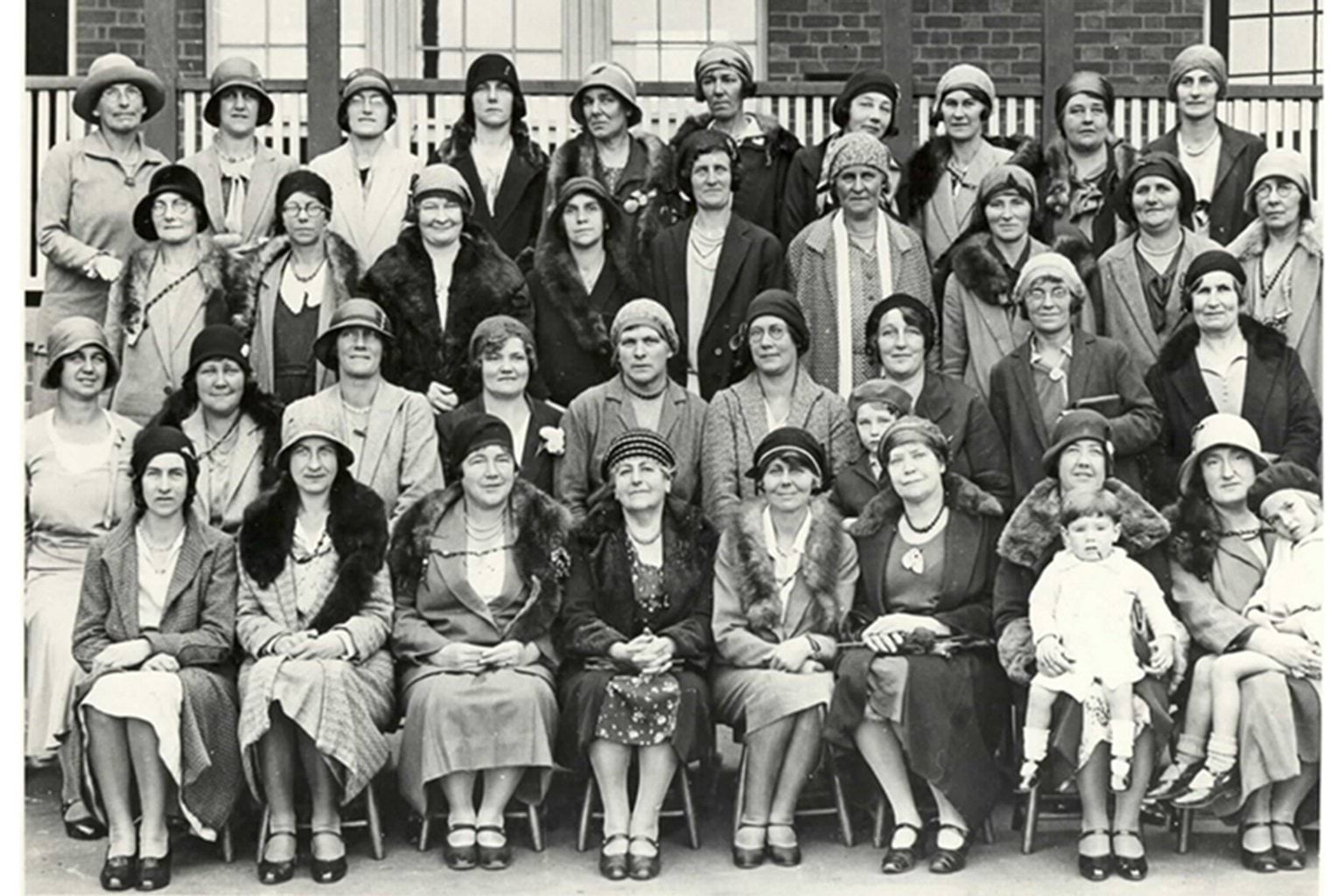
East Malvern Central School Mothers' Club - 1930s
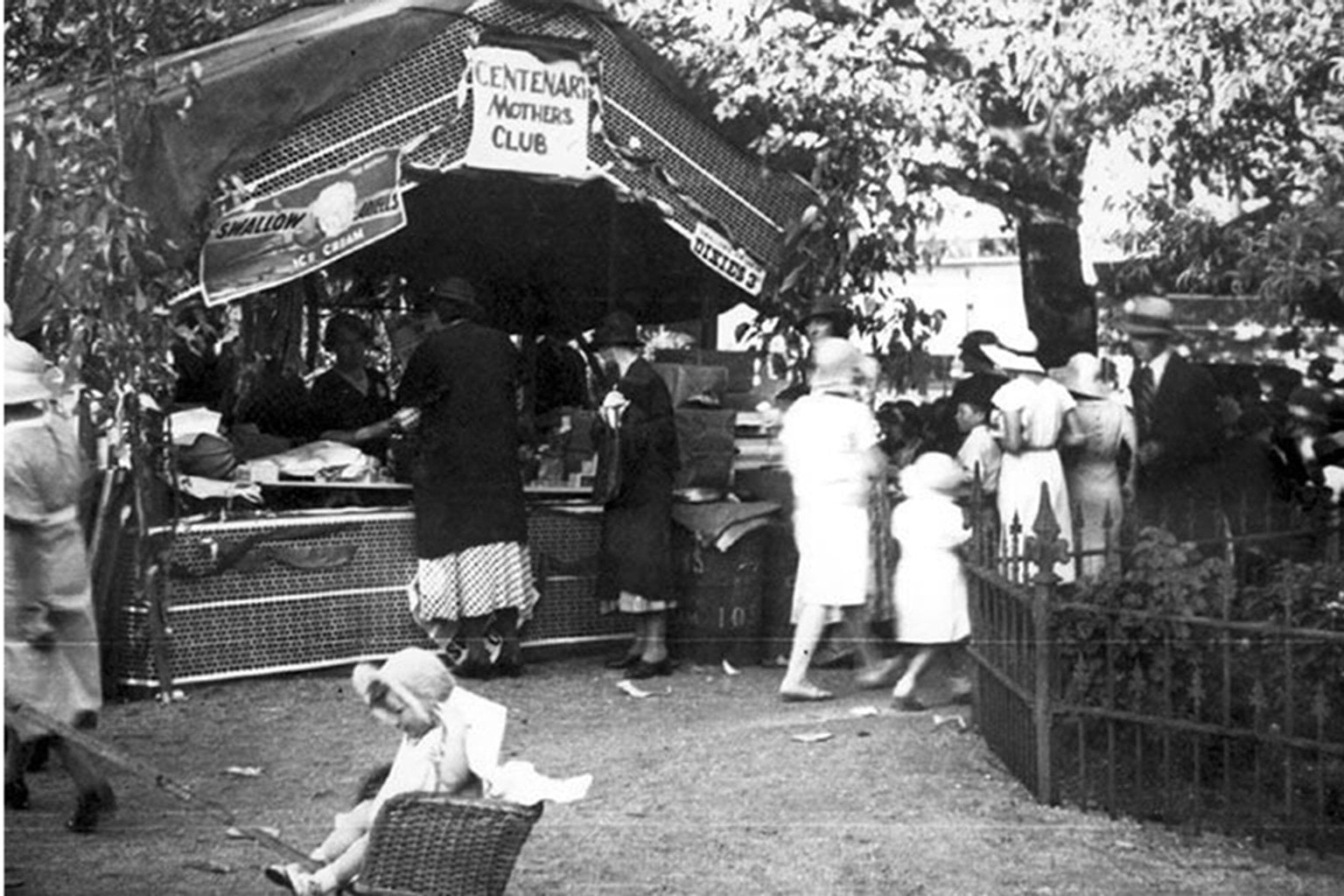
Mothers' Club Street Stall Ballarat - 1935
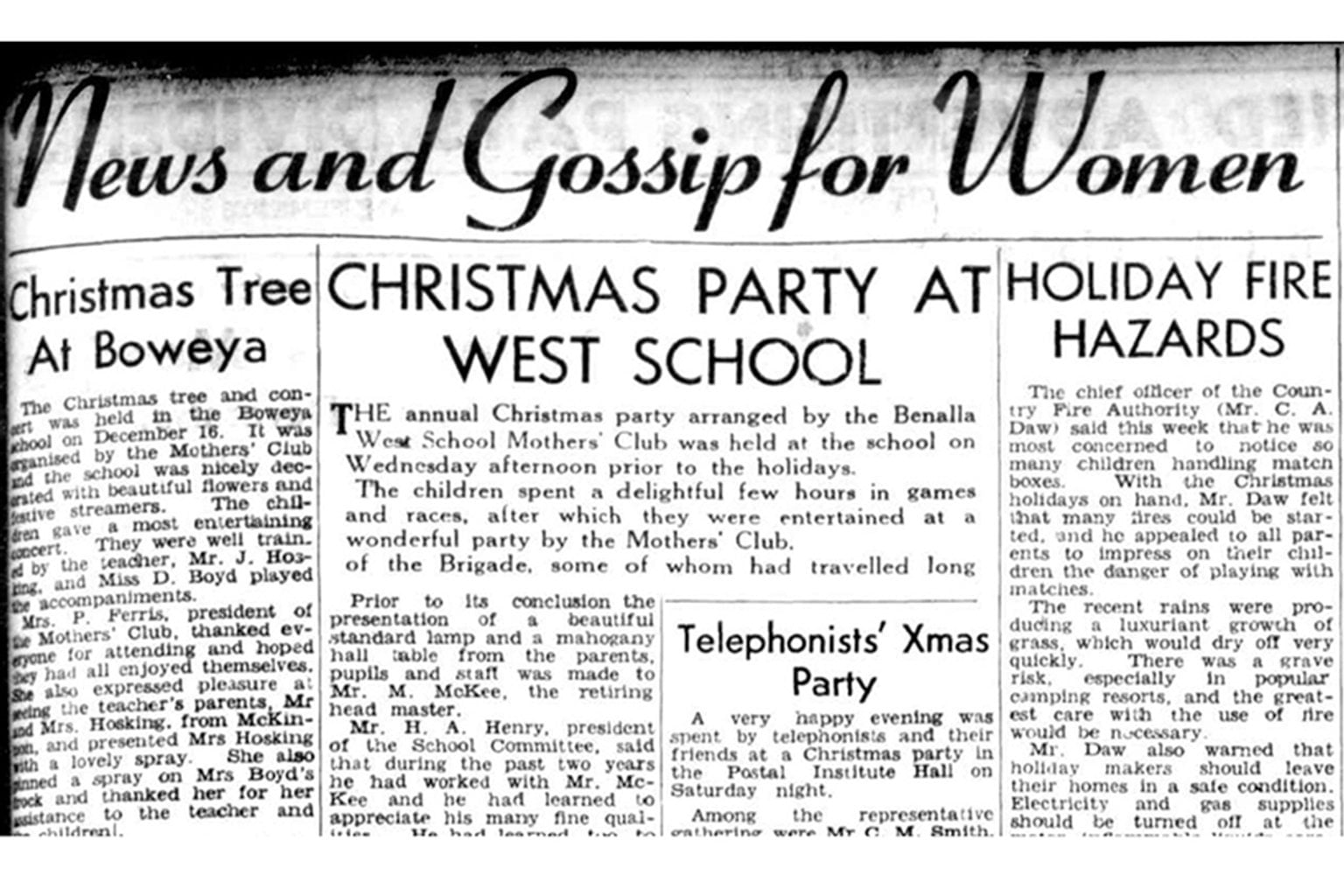
Benalla Ensign Mothers' Club Article - 23 December 1954
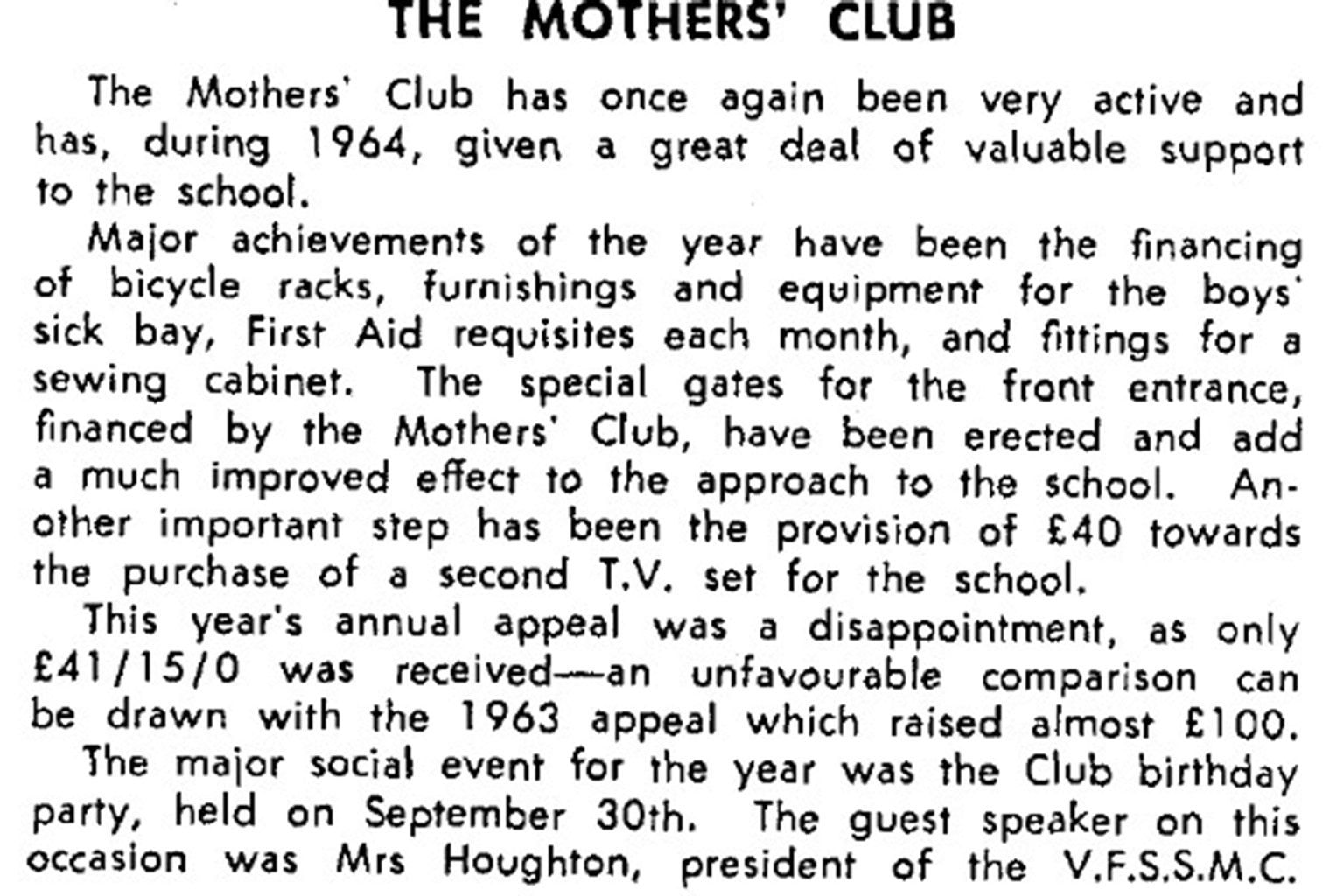
Seymour High School Magazine Mothers' Club Article - 1964
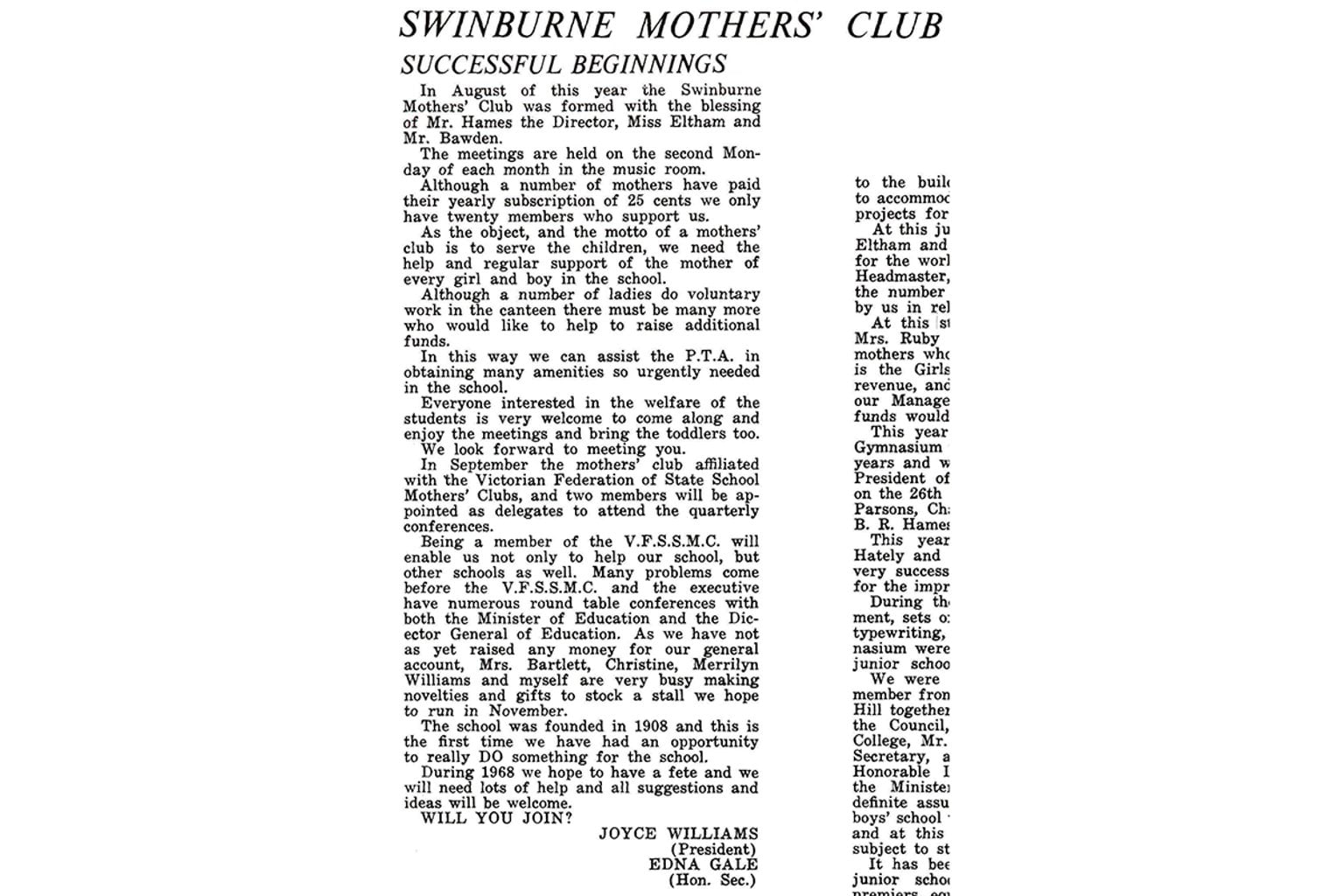
Swinburne Junior Girls and Boys School Magazine Mothers' Club Article -1967
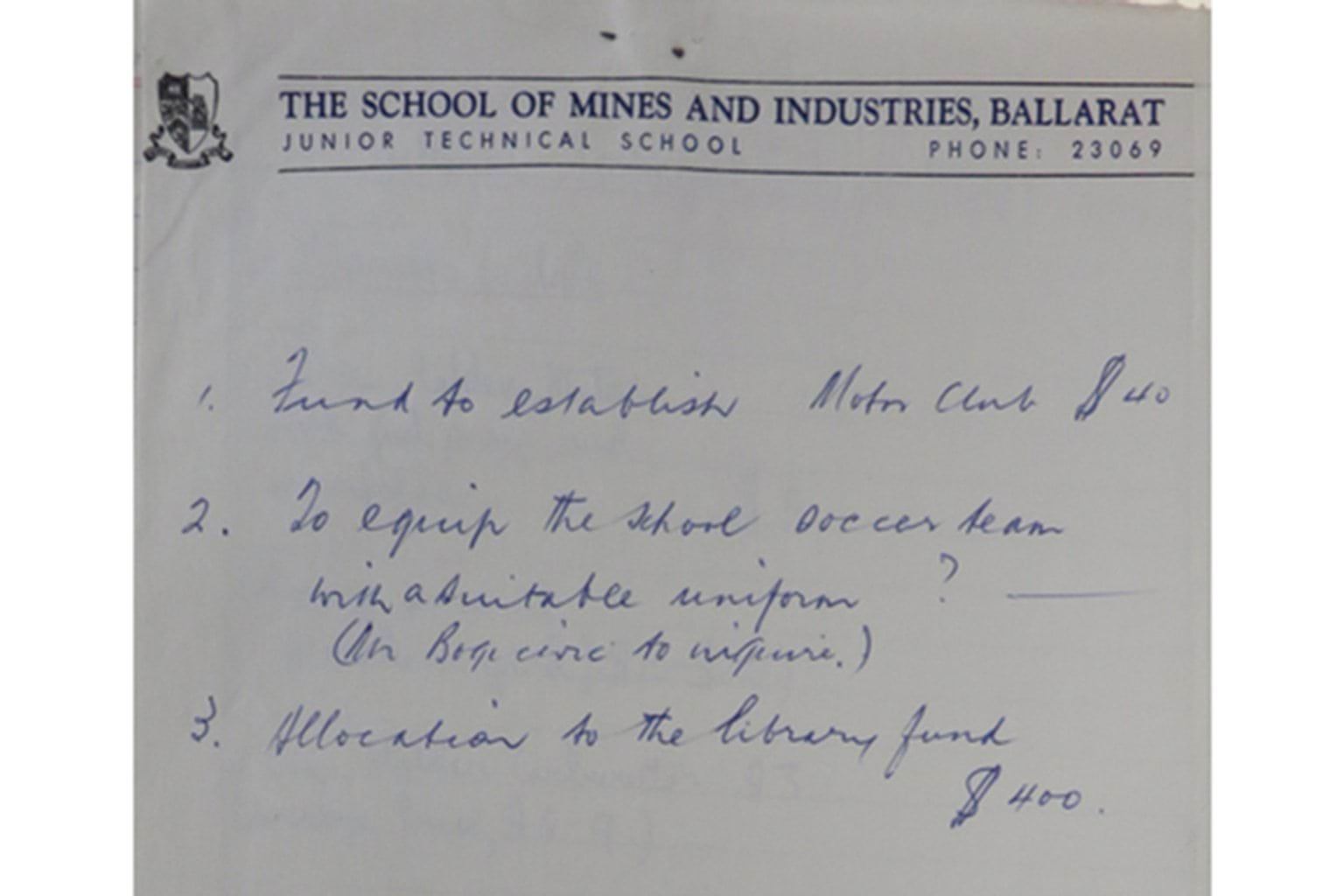
Ballarat Junior Technical School Mothers' Club Payment - 1968
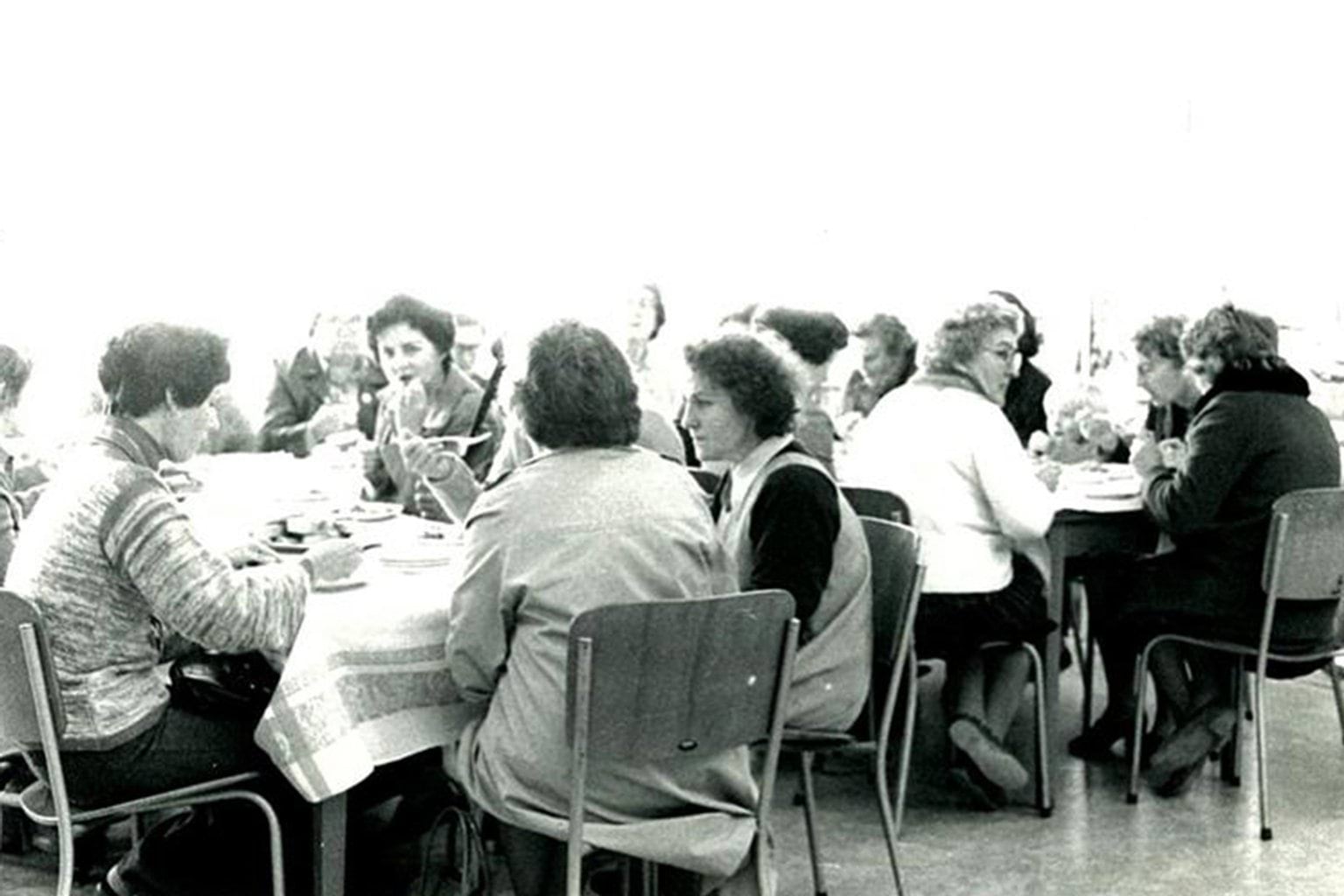
Preston Technical College Mothers' Club Lunch - 1977
Timeline
1930s
In 1930, the Argus newspaper described the Victorian Federation of Mothers’ Clubs (VFMC) as the:
'means whereby the opinions and convictions of the parents of school children can be registered and an avenue through which these opinions may reach the Education Department and the Minister'.
Mothers saw that many girls were not finishing school. To help change this, the VFMC organised a study tour for 37 teenage girls. The travelled to Sydney and to the new Parliament House in Canberra. The trip showed the girls that if they stayed at school and went to university, they could choose from many different careers.
During the depression, the government made cuts to schools, and many families struggled with money. More people joined Mothers' Clubs, and members worked even harder to raise funds and speak up for their communities. They helped provide school lunches and clothing for children who needed it. Despite their success in raising money, Mothers’ Clubs were not allowed to decide how the money was spent. 200 members asked the Education Minister to give them control, but their request was denied.
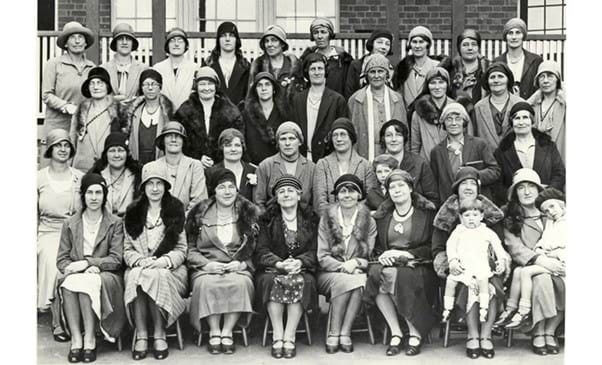
East Malvern Central School Mothers' Club, 1931 from the Stonnington History Centre MP7393 1940s
In the 1940s, Victorian Federation of Mothers’ Clubs (VFMC) members were very busy raising money to support the war effort. They also spoke up for families and supported a new law called The Child Endowment Act. This law, introduced by the Commonwealth Government in 1941, gave mothers a payment of 5 shillings each week for every child under 16 years old, except for the first child.
At a conference in 1946, then Premier John Cain Snr praised the mothers of Victoria. He said they had done “magnificent work for the younger generation”.
1950s
By 1956, Victorian Federation of Mothers’ Clubs (VFMC) members had raised 135,000 pounds for schools. Today, that amount would be worth $4.6 million.
The VFMC kept working hard to support local schools. In 1959, 300 mothers from 38 regional schools met in Bendigo. They discussed many school issues, such as:
- school toilets
- dangerous crossings
- needlework teaching
- fluoridation (adding fluoride to the water supply)
- more federal aid
- the danger of lead
- and poor-quality school uniforms.
The VFMC also helped bring sex education into schools by holding ‘mother and daughter evenings’.
In the late 1950s, the VFMC changed its name to the Victoria Federation of State School Mothers’ Clubs (VFSSMC). By 1958, they represented 850 Mothers’ Clubs across the state.
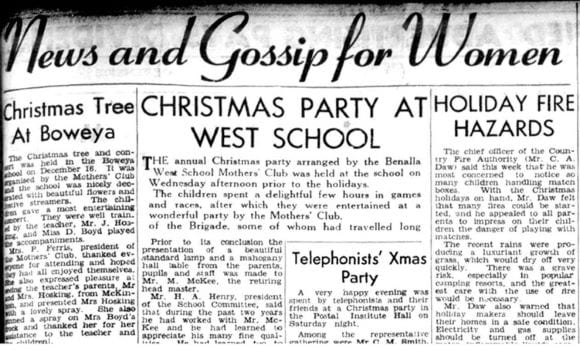
Benalla Ensign "News Gossip for Women" Mothers' Club articles, 23 December 1954 1960s
In the 1960s the Victoria Federation of State School Mothers’ Clubs (VFSSMC) took part in state and national conferences to ask the Federal Government to give more money to state schools. They pointed out that many school buildings needed repairs or replacement. They also pushed for:
- school libraries
- smaller class sizes
- more specialist teachers and office help
- safer road crossings for children.
In 1966, an important change was made: Mothers’ Clubs could now decide how the money they raised could be spent.
1970s
As more women started working and more families were led by single parents, many mothers had less time to spend on club activities. Because of this, Mothers' Clubs became Parents Clubs. The VFSSMC also changed its name to the Victoria Federation of State School Parents’ Clubs (VFSSPC). At the same time, School Councils were established. These councils included elected parents and teachers. They worked alongside Parents Clubs and helped manage parts of the school.
In 1976 the Minister of Education, Lyndsay Thompson, celebrated the VFSSPC’s 50 year anniversary, saying, “As valuable as their fund-raising efforts have been, mothers have perhaps formed an even more important role. They have indeed acted as a bridge, a line of communication between the school and the rest of the community.”
He also noted the importance of the name change, saying, “In these days of non-discrimination between the sexes it is most pleasing to note that it is no longer necessary to become a mother or even look like a mother to gain membership.”
Former Victorian Premier Joan Kirner was president of the VFSSPC at the time.
1980s
For a long time, the Victoria Federation of State School Parents’ Clubs (VFSSPC) supported the end of corporal punishment in schools. In the 1980s, the government finally banned it in their schools.
They also worked for more power for school councils, who became able to choose school principals.
1990s
In the 1990s, there were cuts to education funding from state and federal budgets. Many schools closed and teachers lost their jobs. The VFSSPC were active in organising rallies to protect public education and fought against plans to make parents pay fees for school, helping to stop those fees from being introduced.
2000s to today
In 2000, the VFSSPC became Parents Victoria. The group still works as a peak body to support public schools, communities, and families.
In 2003, Parents Victoria successfully pushed for slower speed limits near schools, which led to 40 kilometre per hour school zones.
Thanks to Dr Deborah Towns OAM for her assistance in creating this page.
Dr Towns wrote the book ‘The Largest Women’s Organisation’. Mothers' Clubs working in the Victorian community’. Dr Towns is an Honorary Research Fellow, Department of Management and Marketing, Faculty of Business and Economics, University of Melbourne(opens in a new window).
Updated