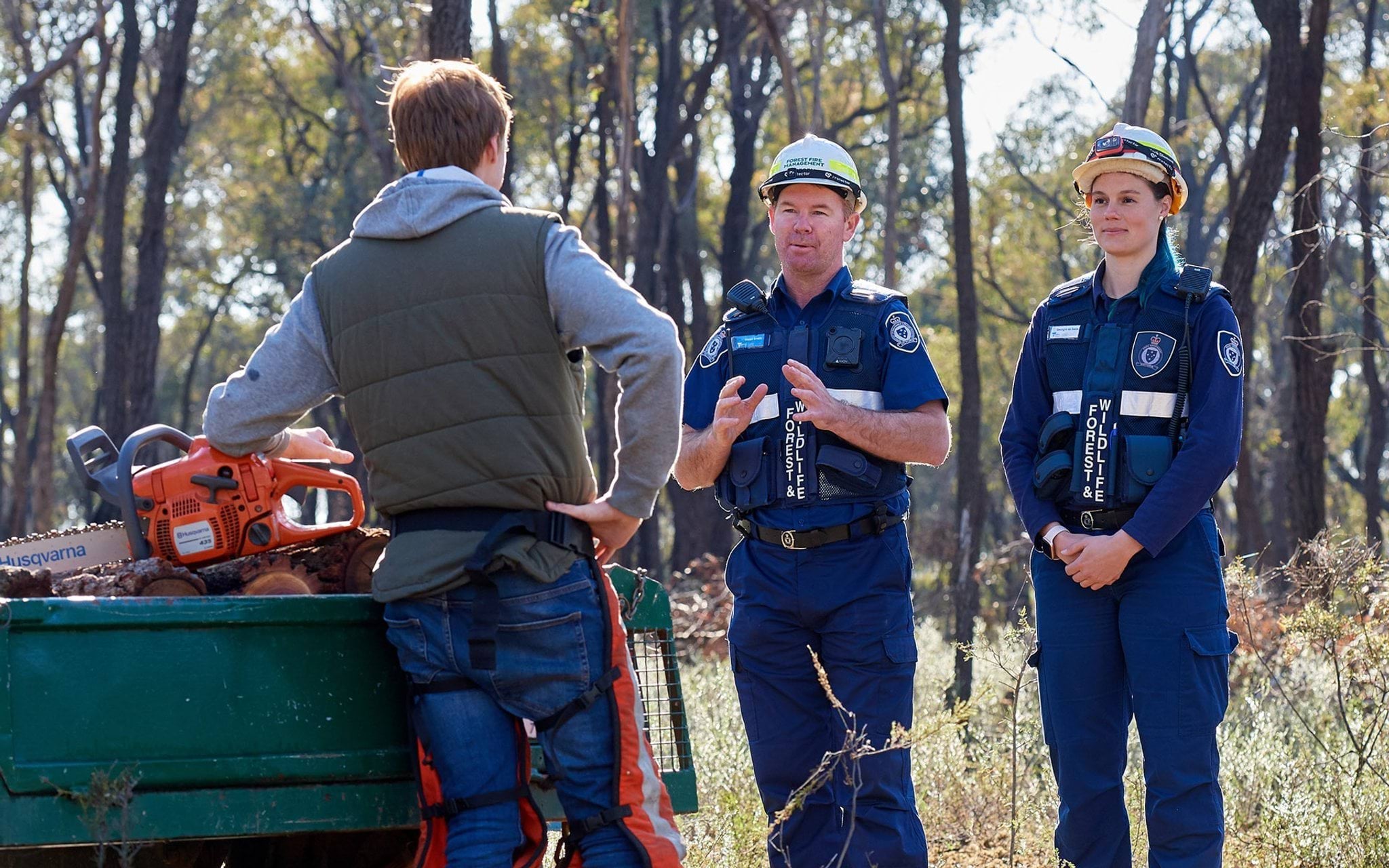
The Conservation Regulator considers that our people are our most valuable resource. We aim to support and empower staff to continue to build our regulatory capability and deliver on our regulatory mission. Operational staff conduct patrols for monitoring and educative activities. They include Forest and Wildlife Officers and Authorised Officers, who have specialised training and are authorised to enforce relevant laws and regulations.
Our organisational structure
In 2024–2025 the Conservation Regulator underwent a wider operational model review. With the end of native timber harvesting on 1 January 2024, we took the opportunity to update our structure to reflect the impact on our work. The Conservation Regulator is led by the Chief Conservation Regulator and is comprised of three key business areas.
Regulatory operations
The Regulatory Operations Branch leads and coordinates state-wide regulatory service delivery. Branch staff are responsible for conducting complex risk assessments, harm prevention campaigns, audits, inspections, investigations, and intelligence functions. The branch delivers strategic and effective risk based and intelligence-led approaches to compliance for biodiversity, fire prevention, and use of public land through implementation of best practice frameworks, policies and supporting procedures and guidelines.
The branch builds community confidence in the regulatory practices by implementing an open and transparent approach to information sharing and decision-making, and by engaging with communities to inform how and where regulatory effort is targeted to address the greatest risks of environmental harm.
Regulatory strategy and permissions
The Regulatory Strategy and Permissions Branch leads the provision of regulatory strategy, information and guidance, and capability development. It undertakes reform and delivery of regulatory permissions (licences, permits and authorities). The branch works with the Regulatory Operations branch to ensure its work can be effectively implemented and to support efficient, effective, and transparent regulatory service delivery.
Office of the Chief
The Office of the Chief leads and delivers strategic projects, issues management, reporting, media and communications, stakeholder engagement and partnerships, as well as coordinating business planning and culture development functions. The Office of the Chief works with other Conservation Regulator branches, the Office of the Deputy Secretary, DEECA’s regional and corporate media and communications units, and co‑regulators to support our mission and regulatory obligations.
Our organisational structure
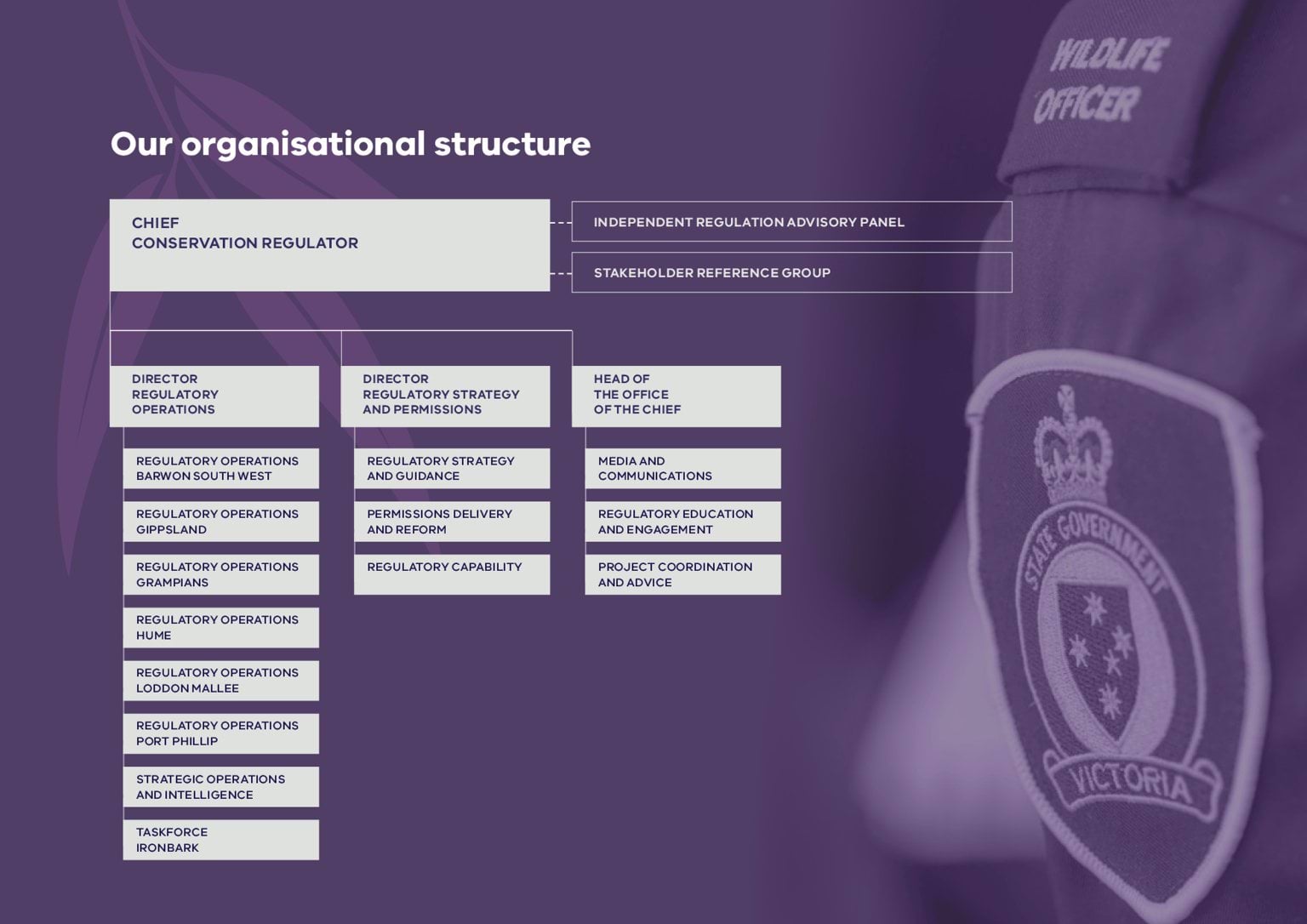
Chief Conservation Regulator
- Independent Regulation Advisory Panel (dotted line relationship)
- Stakeholder Reference Group (dotted line relationship)
- Director, Regulatory Operations
- Regulatory Operations Barwon South West
- Regulatory Operations Gippsland
- Regulatory Operations Grampians
- Regulatory Operations Hume
- Regulatory Operations Loddon Mallee
- Regulatory Operations Port Phillip
- Strategic Operations and Intelligence
- Taskforce Ironbark
- Director, Regulatory Strategy and Permissions
- Regulatory Strategy and Guidance
- Permissions Delivery and Reform
- Regulatory Capability
- Head of the Office of the Chief
- Media and Communications
- Regulatory Education and Engagement
- Project Coordination and Advice
Our people
Location
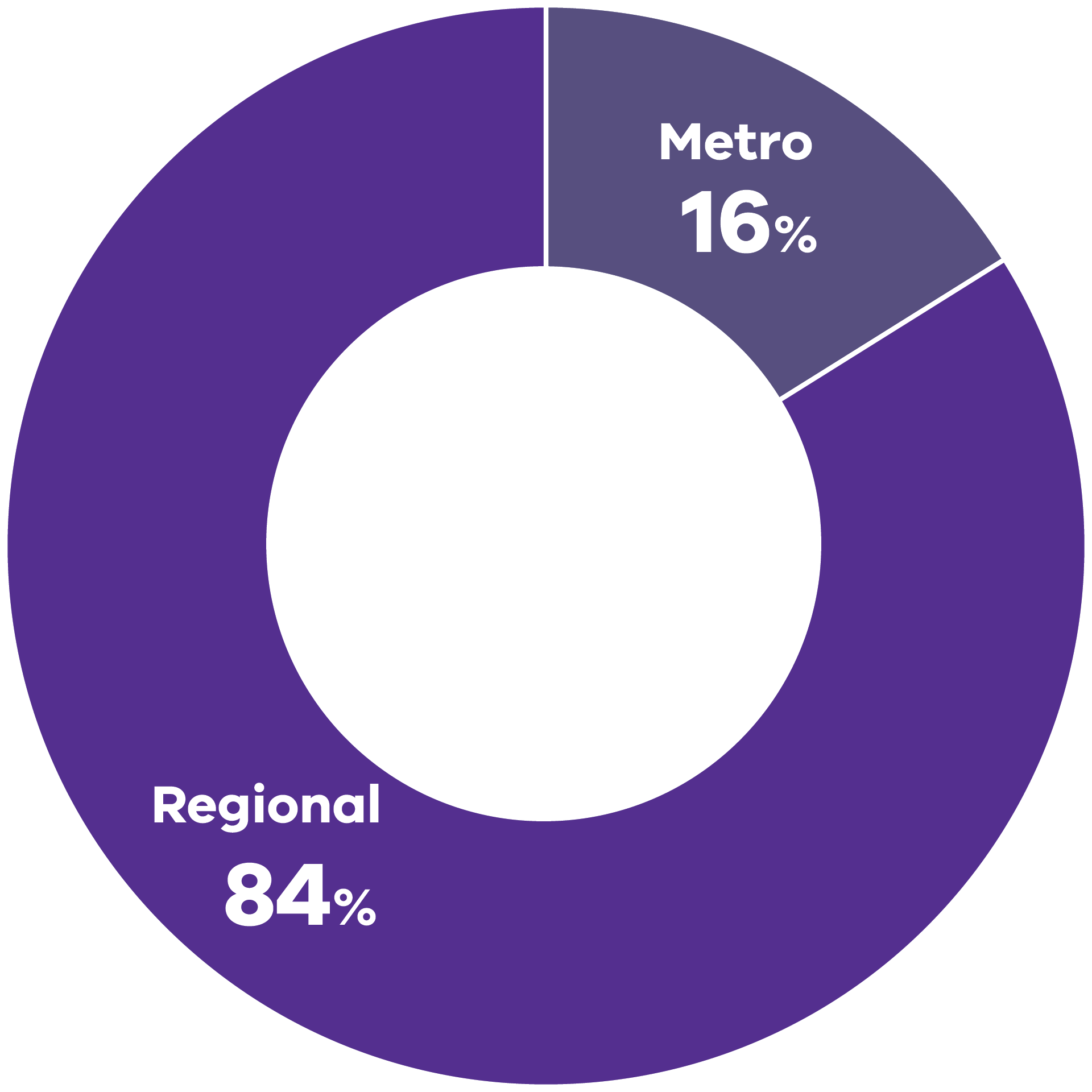
| Regional | 84% |
| Metro | 16% |
Gender
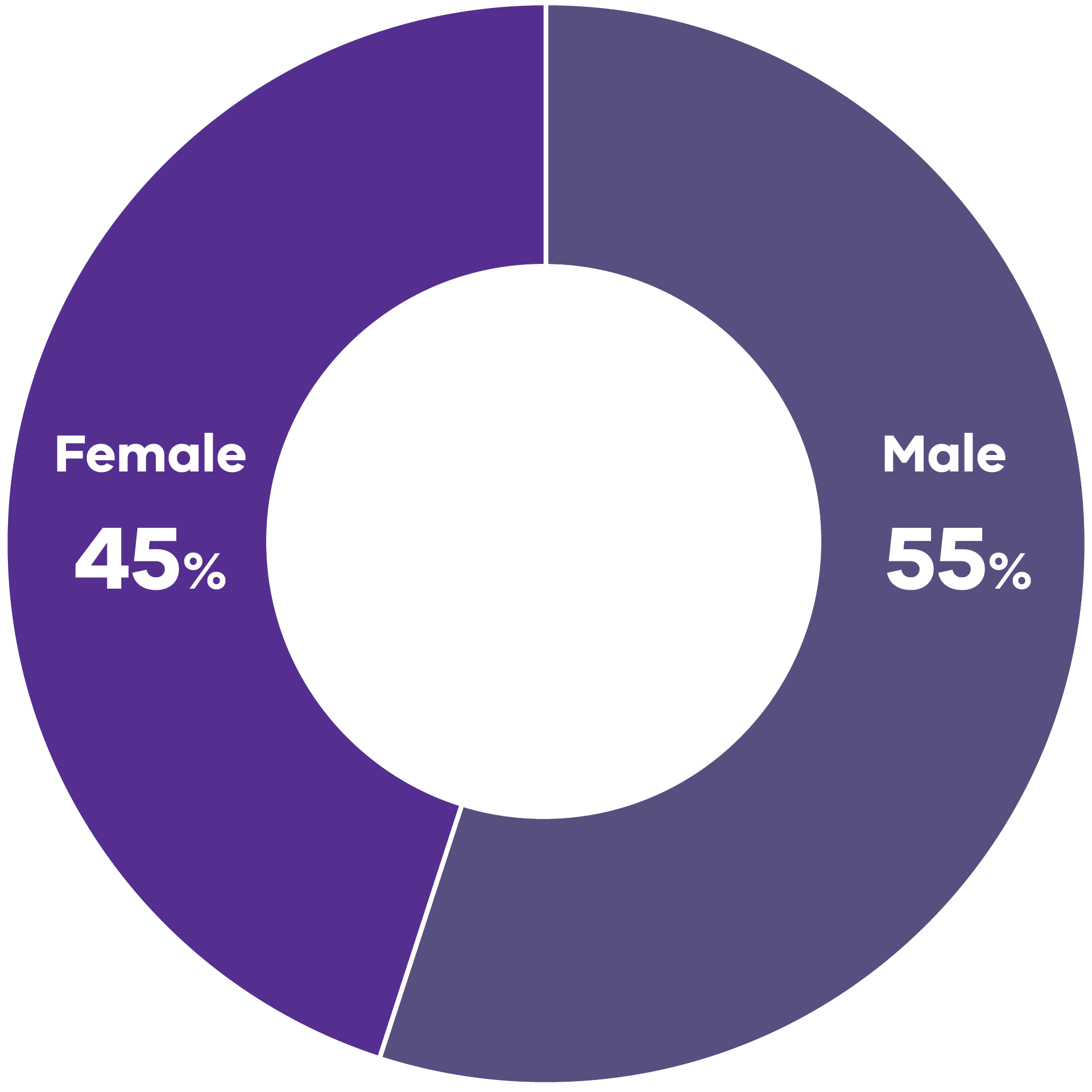
| Female | 45% |
| Male | 55% | |
| To protect individual privacy, figures for staff with declared gender of Self-described are not reported separately | ||
Employment status
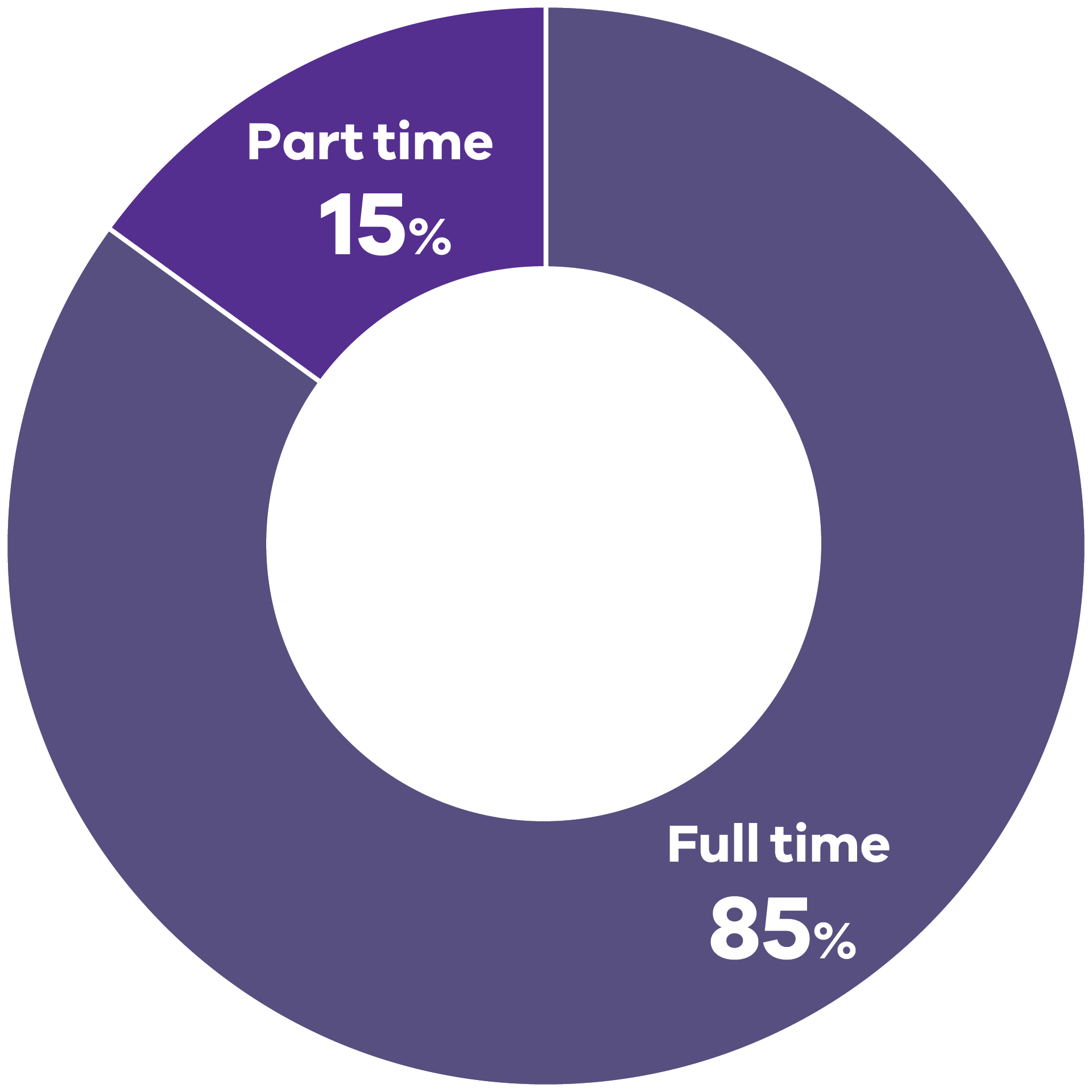
| Part time | 15% |
| Full time | 85% |
VPS grade

| VPS 2 | 2 |
| VPS 3 | 36 |
| VPS 4 | 40 |
| VPS 5 | 26 |
| VPS 6 | 16 |
| Executive | 4 |
Advisory groups
Independent Regulation Advisory Panel
The Conservation Regulator’s Independent Regulation Advisory Panel is chaired by the Chief Conservation Regulator, supported by three experts in the field of environmental regulation who work together to provide the Conservation Regulator with independent advice on best practice approaches to regulation. In 2024–2025, they met three times and provided advice on:
- Emerging changes to best practice regulation.
- Conservation Regulator’s settings for regulatory policy and governance, and operational oversight.
- Biodiversity assurance and Conservation Regulator internal assurance.
- Avian influenza preparedness.
Stakeholder Reference Group
The Conservation Regulator’s Stakeholder Reference Group (SRG) provides advice and support to the Conservation Regulator to assist our mission of being an effective, trusted, best practice regulator for the Victorian community and environment. The members are representatives from environmental non-government organisations, industry, local government and community organisations. During 2024–2025, they met as a group three times, in addition to individual meetings held with members to engage on issues of interest.
In the past year, they have provided feedback and advice on:
- Development of targeted regulatory operations.
- Development of accessible resources and guidance to help the public comply with legislation.
- Opportunities to engage with different audiences using member's networks.
- Development of the Conservation Regulator’s education and engagement approach.
- Case studies of regulatory operations.
Updated