Communities
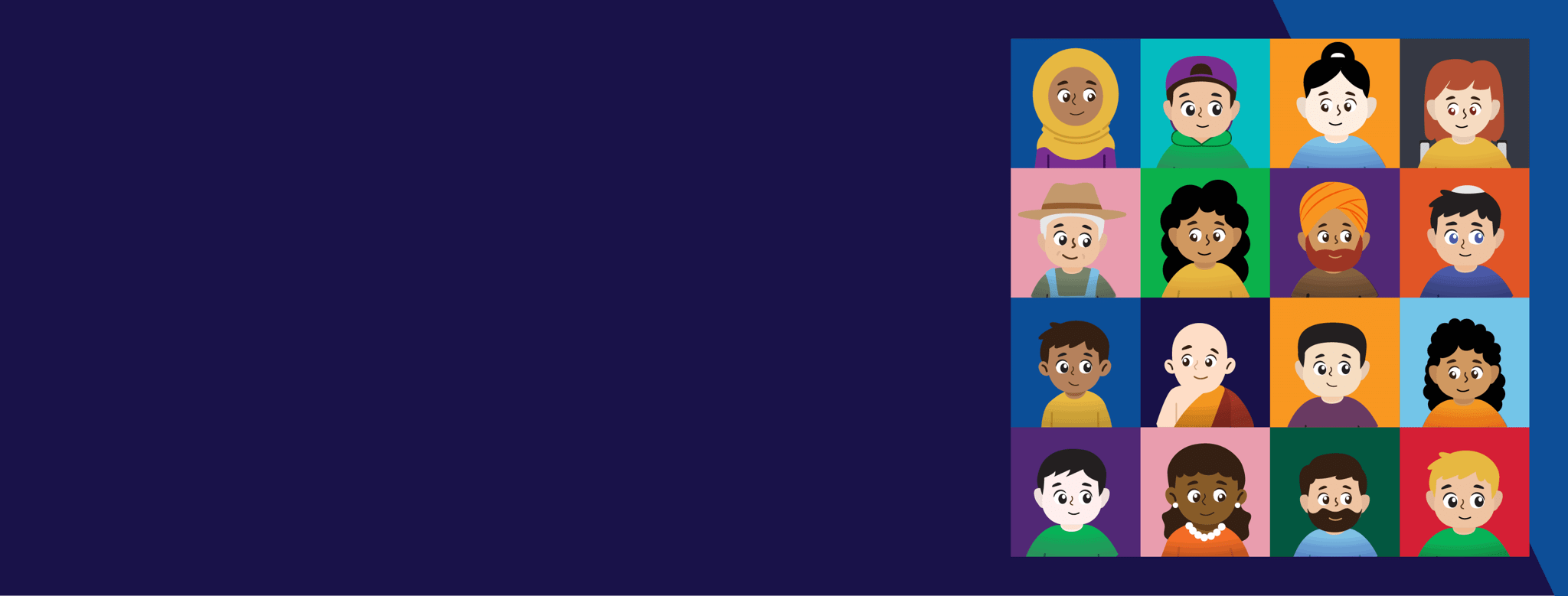
When we engage community, we need to consider their needs. Consider an intersectional approach as much as possible.
First Nations
LGBTIQA+
LGBTIQA+ communities in Victoria include people who are:
- lesbian
- gay
- bisexual
- trans
- intersex
- queer
- questioning
- asexual.
The plus sign acknowledges families of choice or origin, and that there are identities not included. You can identify with multiple identities, and your identity can change over time.
It is important to recognise the diversity of LGBTIQA+ communities. Not every LGBTIQA+ person has the same experiences and needs. Being part of this community may only be one part of a person’s identity. For example, in Victoria, more than 38 per cent of the LGBTIQA+ community has a disability.
Multicultural and multifaith
Multicultural and multifaith communities can include people who:
- were born overseas
- have parents or grandparents born overseas
- speak a language other than English or multiple languages at home
- identify with different faiths.
According to the 2021 Census:
- more than 1.7 million Victorians speak a language other than English at home
- 290 languages are spoken in Victoria
- the number of households who speak only English at home is decreasing
- more than half of Victorians have at least one parent born overseas
- 50 per cent of Victorians follow one of more than 130 faiths.
Older people
We live in a state with an ageing population. Older Victorians include people 60 years and over and First Nations people 50 years and over.
Older people are diverse. Their interests, abilities, needs and priorities vary significantly. Your experience of ageing can be impacted by your gender, sexuality, cultural background and disability.
More than half of Australians over the age of 65 have a disability. One quarter of the 700,000+ unpaid carers in Victoria are aged over 65.
When you write about age, use inclusive and respectful language. You can use terms like older people, retired people, retirees or seniors. It is important to avoid:
- referencing age if it isn’t relevant
- words that carry stereotypes, like ‘elderly’.
People who have experienced trauma
People with disability
When you begin your engagement, you should consider accessibility requirements. If someone has access needs that can’t be accommodated, you should give them another way to engage.
Remember, these changes often benefit everyone. For example, offering multiple ways to engage can help:
- people with disability and chronic health conditions
- parents and carers
- people needing to engage outside office hours.
Many Victorians have permanent or temporary disabilities. This can include visual, auditory, cognitive, speech, psychosocial, neurological or physical disabilities. Some ways you can include everyone, is to:
- ask people what their accessibility needs are for in-person engagement and online (for example, Auslan interpreting or visual aids)
- ask the facilitator to do a roll call of everyone present, so blind and vision impaired are aware of who is in the room
- have speakers say their name before speaking and describe what they look like
- use accessibility tags on PDFs
- use accessible colour contrast in online or printed content
- use accessible Word document formatting
- describe images with alt text
- have captioning for online sessions
- use plain language aiming for a reading level of grade 8 and Easy Read translations of documents
- if there are speeches, display a PowerPoint slide with key messages from the speech
- offer multiple ways to engage.
People with a care role
Consider the needs of people with a care role when planning engagement. This needs to be considered when you engage:
- people with disability
- people with chronic, mental or terminal illness
- older people.
People with a care role may need an online option to engage, or flexible times of day. They can also have intersecting needs themselves if they have a disability or speak other languages.
You can:
- provide a venue map that includes information about disabled parking and public transport
- be clear when adjustments are being made for activities
- provide a contact person for questions and accessibility requests.
People who live in regional and rural areas
Over 1 million Victorians live in rural and regional communities. Regional and rural areas in Victoria are increasingly culturally diverse. When we engage with people living in these areas, we must consider new and emerging communities.
People in new and emerging communities have often newly arrived in Victoria. They may have low English proficiency. They often have limited:
- connection to and understanding of government services
- community support
- internet and digital connection.
Emerging communities in Victoria include:
- Afghan
- Indian
- Broader Burmese
- Indonesian.
You can use data from the 2021 Australian Census to identify key communities. You can also consult our Community profiles.
Veterans
Veterans have unique experiences and needs shaped by their service.
When we engage with veterans, we want to make sure we are respectful and inclusive. We also want to make them feel recognised for their service and contributions. To do this, you can:
- use facilitators who understand military culture, trauma-informed practice and are experienced in veteran engagement
- invite veterans to bring a support person or peer
- offer breaks or quiet spaces during sessions
- provide information about veteran-specific support services.
It is best to consult with veterans directly to find a time, place, and format that works for them. Your engagement should be structured to give veterans a sense of ownership and control.
Women
Women have an important role in every community. Many experience multiple, intersectional barriers to engagement. There is no single experience of being a woman.
We can create barriers for women when we:
- hold engagement during work hours or during school holidays
- engage in one language or with only written materials
- hold engagement in spaces only accessible by car
- do not factor in childcare and other caring responsibilities.
Women are more likely to experience:
- gendered power imbalances in their community or workplace
- family and sexual violence
- social and economic disadvantage (especially as they age)
- being a single parent
- living with a disability for longer
- homelessness.
When your engagement is accessible to women, they can share important insights. It ensures your outcomes are equitable and inclusive of everyone.
Young people
Young people have diverse experiences and expertise. Some can feel that they have limited opportunities to effect change. This could be because they:
- are unable to vote (for people under 18 years old)
- live at home
- may not have their own car and rely on public transport
- can feel less empowered to speak up.
Updated