- Published by:
- Victorian Early Childhood Regulatory Authority
- Date:
- 22 Apr 2026
National Early Childhood Worker Register – updated information
Updated guidance on the National Early Childhood Worker Register requirements.

Approved providers are reminded that the deadline to enter information into the National Early Childhood Register has now passed, and that any changes to worker information – such as staff starting, leaving, changing roles – must also be updated within 14 days of the change.
We know that many services had questions about who does and doesn’t need to be included, and additional guidance is now available to provide greater clarity on the requirements for volunteers, students and contractors.
Approved providers should review this guidance and ensure that all relevant workers are captured in the Register.
VECRA is closely monitoring compliance with the Worker Register, and it will be an ongoing focus of our regulatory activity. Where providers are not meeting their obligations with respect to the Worker Register, appropriate regulatory action will be taken.
Who needs to be included in the register
ACECQA's updated guidance provides further clarity, including more detail on how this applies to volunteers, students, and early intervention/allied healthcare workers. Specifically:
- Volunteers – only record volunteers who regularly or semi-regularly have a role in the delivery of education and care services. You do not need to record ‘one-off’ volunteers.
- Students – only record students on supervised placement who are studying an approved education and care qualification. Do not record high school students undertaking short-term work experience who are not working towards a qualification.
- Contractors – you do not need to record third party contractors. However, you must record workers engaged indirectly through labour hire who perform an education and care role at the service. Select the primary role they are performing.
There are several helpful resources available on ACECQA’s website including more detailed information on the Register.
For any further questions about the Worker Register, including technical support, please contact:
- email: WorkerRegister@acecqa.gov.au
- phone: 1300 422 327.
Registered training organisation (RTO) cancellation: check your staff qualifications
Check and confirm staff qualifications following RTO cancellation.

The Australian Skills and Quality Authority (ASQA) has cancelled the qualifications issued by Phytodermal Institute of Beauty Pty Ltd (trading as Southern Academy) between 24 January 2024 to 14 June 2025. ASQA issued Notices of Decisions to all impacted Individuals on Wednesday 18 March 2026.
Further information regarding the regulatory action is available at: ASQA - Cancelling of Qualifications – Phytodermal Institute of Beauty Pty Ltd RTO 40542.
Approved providers and services are reminded to review staff records to identify if anyone has been impacted by ASQA’s actions relating to Phytodermal Institute of Beauty Pty Ltd issued between 24 January 2024 to 14 June 2025 and take the necessary steps to ensure they meet their regulatory requirements related to staff qualifications.
For further information or options regarding staff impacted by the cancellation of qualifications, please contact VECRA via:
- email: vecra@education.vic.gov.au
- phone: 1300 307 415.
To see a complete list of all cancelled RTOs, refer: ASQA - Qualification Integrity Regulatory Action.
National Child Safety and Child Protection training
Information on mandatory Child Safety and Child Protection training.
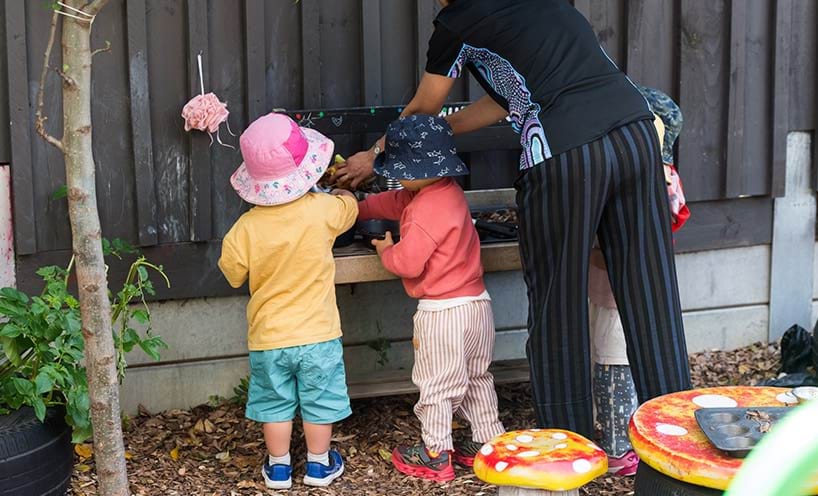
Ensuring the safety and wellbeing of every child in ECEC is a shared national priority and updated and consistent training, together with other child safety reforms, help strengthen knowledge and practice.
Child safety training
Undertaking mandatory foundation child safety training through Geccko will remain a key focus over the coming months for all individuals working in early childhood services.
If you have not yet completed the training, updated information outlining who is required to undertake the Child Safety and Child Protection Training is available via ACECQA’s website.
Updated guidance from ACECQA also clarifies requirements for volunteers, including regular and semi-regular volunteers, as well as students undertaking placements as part of an approved education and care qualification.
The deadline for completing this training is:
- 27 August 2026 for all existing workers appointed before 14 August 2026
- (from 14 August 2026) within 14 days of the person being employed, engaged or appointed at the service or before working directly with children (whichever is earlier).
Child protection training
Completion of PROTECT training is also now mandatory under National Law for teachers, educators and staff working directly with children in early childhood services.
Refreshed PROTECT online eLearning must also be completed by 27 August 2026 and every 12 months thereafter.
The Victorian Department of Education has refreshed its online hub for child safety, moving it to a new learning management platform on Canvas to make it easier for people to find the information they need.
All users, including users with existing Canvas accounts, will need to create a new account when they first access the course via the link provided.
Learn more here: Child protection and child safety training in early childhood.
Commonwealth grants for child safety training
Professional development guidelines on the National Child Safety Training Grant program 2026–27.

Applications open this month for a professional development subsidy for national child safety training, part of the National Child Safety Grants administered by the Australian Government.
It is mandatory for everybody working or volunteering in an ECEC service regulated under the NQF to complete national child safety training by 27 August 2026. The professional development subsidy provides financial support to Child Care Subsidy approved ECEC providers to meet this requirement. Please note that sessional staff are not eligible for the grant.
The grants will provide five hours of support for eligible educators towards the completion of the national child safety training only.
Applications open for the professional development subsidy for national child safety training on 28 April 2026 and close on 3 July 2026.
Further information
Information about the grants is now available on the Department of Education website: Guidelines for professional development and paid practicum subsidies.
Child Safety Reform National survey
Invitation to complete survey on Child Safety Reform Consultation 2026.

The Australian Government, in partnership with state and territory governments, is undertaking national consultation on the next phase of child safety reforms in education and care.
These reforms build on the significant progress made since the release of the Review of Child Safety Arrangements under the National Quality Framework to strengthen child safety, transparency and provider accountability across the sector. Further consultation will help inform how new measures are implemented to ensure they are effective, proportionate, and responsive to sector needs.
Get involved
A national survey is now open and closes on 28 April 2026.
Have your say today by sharing your feedback on the implementation of further reforms by completing the Child Safety Reform Consultation 2026 online survey.
Please note, this survey is hosted nationally from the Queensland Department of Education website.
Purpose
The consultation will inform national decision-making and support the development of reforms that continue to prioritise children’s safety and wellbeing, while ensuring regulatory settings remain practical for services.
Feedback gathered through this process will contribute to a national consultation outcomes report, alongside input from jurisdictions and stakeholders across Australia.
Key reform areas under consultation
Complete the survey to have your say on 7 areas for reform:
- Supervision practices.
- Increasing transparency for families.
- Persons with management or control fitness and propriety.
- Suspension, supervision and training directions and related information sharing provisions.
- Increased whistleblower protections.
- Updating quality ratings for approved providers during/immediately following an investigation.
- Safer fencing.
Effectively managing complaints and meeting regulatory obligations
Information and guidance on complaints handling obligations.

Effective complaints handling is an important way everyone can help to protect children and influence changes in practice and quality improvement. Children are particularly vulnerable due to their limited voice and agency, making it essential that services respond to concerns promptly, transparently, and appropriately. VECRA recognises this vulnerability and the important role parents, guardians, educators and others can play in keeping children safe by sharing their concerns.
Service policies must consider the safety, rights and best interests of children as the paramount consideration. ACECQA has guidelines to help approved providers develop these. See Preparing NQF policies and procedures.
Making a complaint to VECRA
While VECRA has a role in responding to complaints, we can only assist with:
- concerns or complaints that allege non-compliance with the National Law or Children’s Services Act
- complaints alleging a serious incident at a service (VECRA must be notified of these within 24 hours)
- cases where there is a breach of the National Law or Children's Services Act.
We cannot assist with complaints not related to non-compliance with the National Law or Children’s Services Act including complaints relating to:
- fees
- workplace issues related to staff employment in a service
- lost items.
These matters should be raised with the approved provider or relevant government agency. For example, services should direct complaints about child Care Subsidy (CCS) payments or debts to the CCS Helpdesk (1300 667 276). Suspected fraud can be reported via the Department of Education tip-off page.
Read more about how to make a complaint about an early childhood service to VECRA.
Mandatory Reporting
If a child is in immediate danger call 000 and ask for police. Childcare services and educators are mandatory reporters under the Reportable Conduct Scheme.
If they form a reasonable belief that a child has suffered, or is likely to suffer significant harm from physical or sexual abuse, or if a child’s parents cannot protect them, the matter must also be reported to the Social Services Regulator.
Reduce the risk of measles
Guidance on reducing the spread of measles in Early Childhood Education and Care settings.
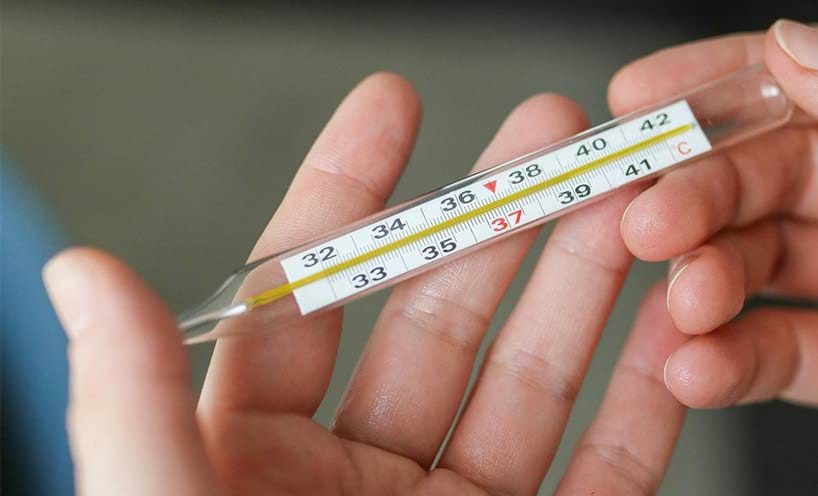
Measles is a highly infectious viral disease and presents a significant risk to children in early childhood education and care settings. The way that children interact with each other and with adults in education and care services means that diseases can quickly spread. Cases are rising globally and in Australia, with 2025 seeing the highest numbers since 2019, driven by lower vaccination coverage, according to the Australian Centre for Disease Control.
It’s therefore more important than ever that the early childhood sector takes a proactive, compliance-driven approach to protect children, families and staff.
Regulatory obligation
Victorian services must comply with the No Jab, No Play requirements, maintain accurate immunisation records and support families to stay informed. Services must remain vigilant in checking vaccination status and following Department of Health advice. For more information about measles outbreaks in Victoria, including exposure sites, visit the Department of Health’s Health alerts and advisories.
Children’s enrolment records
The approved provider must ensure that an enrolment record is kept for each child enrolled at the service that includes:
- the immunisation status of the child
- a notation that a child health record has been sighted
- a current immunisation history statement from the parent that shows the child is up to date with all the immunisations due for their age, or
- details of an exemption.
When enrolling children, services must record when the child will need updates to their vaccinations to ensure they are kept current.
Managing measles
If a child develops symptoms consistent with measles, services must take the following actions in line with regulatory obligations:
- do not allow the child to attend the service and ensure they are excluded immediately if already in care
- advise parents/carers to seek urgent medical assessment and testing
- inform parents/carers that children with suspected or confirmed measles must not attend early childhood education and care services from symptom onset until at least 4 days after the onset of the rash, or until medically cleared
- follow all relevant notification requirements and seek advice from the Department of Health where required
- services should review vaccination records at least once a year to identify children who are not up to date and follow up with their parents or carers to update their records.
Find out more
For more information, refer to:
- Better Health Channel - How to find your immunisation records
- Department of Health – Multilingual measles fact sheet
- Department of Health – Multilingual information on immunisation
- Health Direct – Healthcare Service Finder
- ACECQA policies and procedures - Dealing with infectious diseases
Embedding road safety in early childhood settings
This information has been supplied by the Early Learning Association of Australia.

Road safety is a critical consideration for Early Childhood Education and Care (ECEC) services, extending beyond supervision to everyday practices that influence children and families.
Services play an important role in promoting safe behaviours, including safe arrival and departure routines, effective car park management, and ensuring children are transported safely in appropriate child car seats.
Establishing clear expectations with families, such as using appropriate child car seats, where to park, how to navigate service environments, and never leaving children unattended in vehicles, supports a shared commitment to safety. Embedding these expectations into orientation processes enables consistent messaging and supports educators to confidently address unsafe practices when they arise.
The Starting Out Safely program, delivered by Early Learning Association Australia (ELAA) on behalf of the Transport Accident Commission, supports services to integrate road safety education into their curriculum while strengthening family engagement. The program offers free, evidence-informed professional development, including embedding road safety education into curriculum for all early childhood services.
Free specialised training on the safe transportation of children is also available for family day care educators and organisations that transport children as part of their operations.
Professional learning is delivered by highly regarded sector experts including Catharine Hydon, Karen Glancy, Gilda Howard and Jenny Voogt, ensuring strong alignment with contemporary pedagogy and practical application within service settings.
A wide range of free resources are also available, including road safety and safe transport policies for both centre-based and family day care services, along with educator and parent materials in over 20 languages. For kindergarten programs, the popular ThingleToodle sessions provide an engaging way to reinforce key road safety messages, with eligibility linked to completion of professional development within the past three years.
All program activities, training, and resources are fully funded. Services can access materials, register for professional learning, and find further information at the Starting Out Safely Program website. Additional multilingual child car seat resources, including a video developed with the Royal Children's Hospital Melbourne, are available at Car Seats Save Lives.
For further information, services are encouraged to visit the Starting Out Safely website or contact the RSE program team directly on rse@elaa.org.au.
Career opportunities at VECRA
Join a purpose-driven regulator committed to integrity, professionalism, and continuous improvement.

We currently have a range of career opportunities at VECRA, including 38 new authorised officer roles based in both metropolitan Melbourne and regional Victoria.
Please feel free to share these opportunities with your networks, and if a role aligns with your skills and experience, we encourage you to apply.