

- Date:
- 12 Jan 2026
1. The Victorian Skills Plans guide the development of new skills to support productivity and economic growth in Victoria
The annual Victorian Skills Plans are central to the development of a skilled and adaptable workforce.
A skilled and adaptable Victorian workforce means that Victoria has the workers with the right skills to respond to evolving technological and societal demands, deliver on government priorities and policies (such as its housing agenda, Victorian Economic Growth Statement and Victorian Industry Policy) and drive productivity, innovation and economic growth.
The Victorian Skills Authority (VSA) published the first of its annual Skills Plans in 2022. The Skills Plans:
- put forward a roadmap to strengthen the Victorian skills and training system
- provide data and insights for learners, training providers, industry and government to guide decisions
- steer the efforts of government, education and training providers to build a skilled and adaptable future Victorian workforce to support a growing Victorian economy.
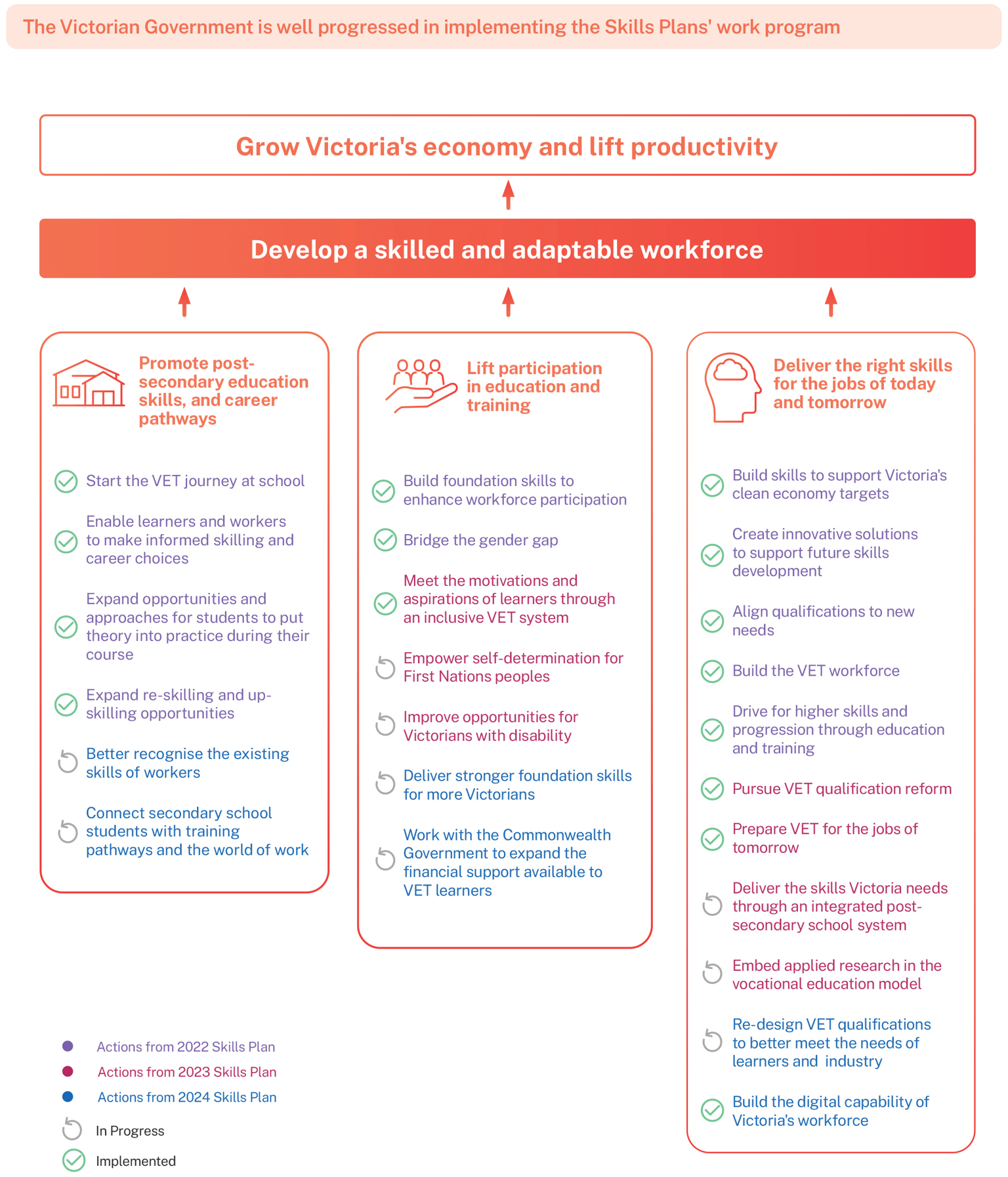
There are 24 actions across the 2022, 2023 and 2024 Skills Plans organised across three objectives:
- Promote post-secondary education, skills and pathways.
- Lift participation in education and training.
- Deliver the right skills for the jobs of today and tomorrow.
The 2025 Implementation Update shows excellent progress to date
The Victorian Government, in partnership with the TAFE Network, other training providers and industry (employers and unions), has made significant progress in implementing the actions from the 2022, 2023 and 2024 Skills Plans.
All actions from the first Skills Plan (released in 2022) have been implemented to the extent possible. In saying this, many actions are not one-off events and are now embedded as ongoing efforts or objectives in the stewardship of the Victorian skills system. Examples include improving foundation skills, bridging the gender gap and adapting skills and training for the jobs of tomorrow.
There is progress on all actions from the 2023 and 2024 Skills Plans, with many well embedded in the skills system.
The 2025 Implementation Update highlights new progress on the actions since the 2024 Implementation Update. It also reports on:
- the implementation of the Clean Economy Workforce Development Strategy for 2023–2033, which aims to support Victoria's clean economy transition and prepare Victoria's workforce for a net zero future
- selected national priorities from the 2023 National Skills Agreement and the 2024 Australian Universities Accord and complements the Victorian Jurisdictional Action Plan for Skills and TAFE, which outlines Victoria's approach to strengthening its skills and training system in line with the commitments under the National Skills Agreement.
The Victorian Government is well progressed in implementing the Skills Plans’ work program
Amber Leyshan - Victorian Training Awards 2025 Apprentice of the Year
Amber did not just want a job, she wanted to construct a meaningful career that would carry her through life. Unsure about her career direction, she deferred a teaching degree and managed a trades department at Bunnings. Inspired by her customers, she took a leap of faith into an engineering and fabrication apprenticeship with AGL at Loy Yang Power Station and enrolled in Certificate III in Engineering – Fabrication Trade – Boilermaking at TAFE Gippsland.
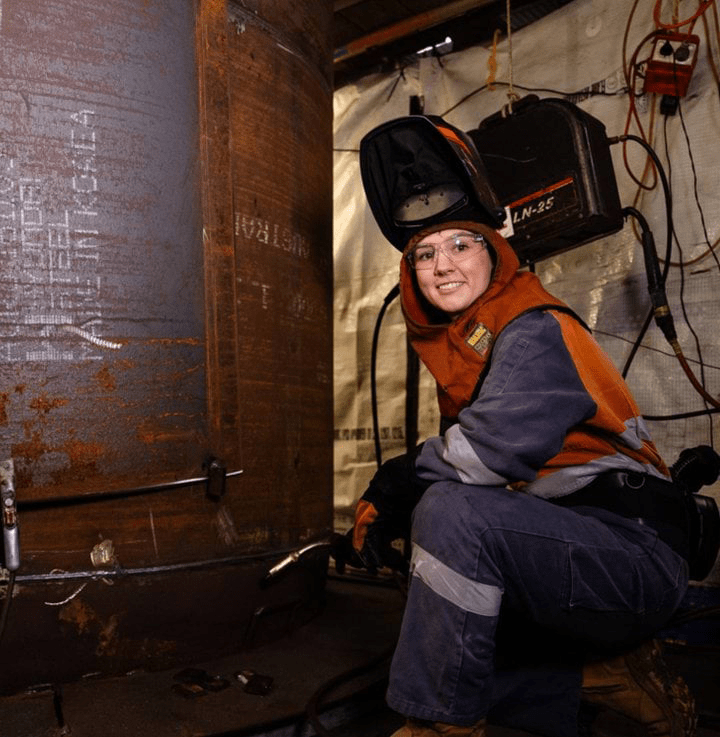
With a strong desire to enhance her career prospects, Amber challenged herself in a male-dominated arena, gaining extra welding certifications and mastering advanced techniques. This led to her winning the WorldSkills Regional competition, achieving the highest welding score in Victoria.
Working closely with TAFE Gippsland, Amber actively promotes careers in the trades and has become a tradeswomen advocate. Her sights are set on new energy, including wind turbine projects, so she can make a lasting impact in the industry and community.
2. Promote post-secondary education, skills and career pathways
All Victorians should be able to access education and training throughout their lives at the level that suits their needs. Post-secondary education and training, including VET and higher education, continue to provide good pathways into many in-demand jobs now and into the future.
Since 2022, actions from the Skills Plans have strengthened access to vocational education for secondary school students and supported learners and their influencers (e.g. parents and careers advisers) to make informed decisions about good pathways into training and jobs.
Key achievements since the 2022 Skills Plan include the examples below.
| The Victorian Government is helping Victorians access good skilling pathways and good jobs | |
|---|---|
| The Victorian Skills Authority’s annually updated Employment Projections Dashboard provides a comprehensive view of employment growth across Victoria. By providing up-to-date projections on workforce needs across industries, occupations and regions, it is helping Victorians (including learners, parents and careers advisers) make informed decisions about future training and job pathways. | ✔ |
| The Victorian Skills Gateway provides comprehensive information on VET courses, training providers, and careers — making it easier to find pathways into training and employment. In 2024, over 1.7 million visits were recorded for the Gateway course finder and associated learner resources. | ✔ |
| The VET Delivered to School Students program is growing each year, providing more secondary school students with access to vocational education. Career education reforms have also expanded access to work-based learning experiences and new career diagnostic tools, helping students make informed training and employment decisions. | ✔ |
| The Head Start program, expanded to all government schools in 2023, has enabled over 5,000 students in Years 10 to 12 to begin school-based apprenticeships or traineeships, helping students develop the skills and confidence needed to succeed in a workplace. | ✔ |
| Skills and Jobs Centres (SJCs) deliver free career, employment and training services for all Victorians. In 2024, SJCs provided course, training and careers advice to almost 30,000 people and almost 13,000 people attended a one-on-one counselling session with a qualified careers adviser. | ✔ |
| The Victorian Government supports fast and targeted up-skilling in priority areas such as clean economy, care and construction, adding 67 new skill sets to the Training Needs List since 2022. | ✔ |
| The Victorian TAFE Network is promoting seamless pathways between VET and higher education in priority areas. In nursing, GOTAFE established pathways with Charles Sturt University and La Trobe University. South West TAFE’s Diploma and Advanced Diploma graduates can access pathways into Deakin University in fields such as agriculture, nursing, arts, accounting, children’s services and community services. | ✔ |
Since the release of the 2024 Skills Plan, the Victorian Government has continued to support Victorians to pursue post-secondary education, training and career pathways by:
- promoting career pathways and providing improved tools and supports for participation in training
- enhancing training pathways and opportunities for practical work placements
- developing tools to support the recognition of existing learning and skills.
Promote career pathways and provide improved tools and supports for participation in training and work placements
The Victorian Government’s Making it equal: Victoria's women in manufacturing strategy encourages more women to pursue a career in manufacturing. The strategy promotes career pathways and supports employers to create inclusive, fair, and accessible training and employment opportunities.
In partnership with the Victorian Government, the Australian Manufacturing Workers' Union Women in Trades project offers women hands-on opportunities to try different trades and use tools through workshops and employer site visits. 'Try a Trade' days let participants explore fields such as automotive and engineering trades and gain direct experience and insight before committing to an apprenticeship.
The Work-Based Learning Application has been rolled out to all Victorian Government schools. It supports employers, schools, and students to participate in work experience placements through a streamlined digital process. The app reduces administrative burden and gathers data insights critical to better matching students with employers and improve student outcomes.
The Victorian Early Leaver Connection Initiative helps early school leavers stay engaged in education and training and successfully complete a Year 12 or equivalent qualification at TAFE. It includes:
- a career advice service for Victorian early school leavers delivered by Skills and Jobs Centres
- mentoring and other supports for Koorie young people and young people with disability who leave school early, delivered by selected TAFEs as well as First Nations and community providers
- supports for TAFEs to deliver Year 12 completion pathways.
The Victorian Government is strengthening vocational pathways by rolling out Jobs, Skills and Pathways Coordinators to every government secondary school. The coordinators help students access learning and work experiences, facilitate student transitions, and provide support and guidance so that students are well prepared for further education, training or employment.
Enhance training pathways and opportunities for students to participate in the world of work
The Department of Education is working with the VSA's Industry Advisory Groups to align future VET delivered in secondary school (VDSS) offerings with industry needs. From 2026, TAFEs will begin delivering standardised qualifications designed to provide school students with clear pathways into further study and employment.
In 2024, Local Learning and Employment Networks delivered 1,520 additional work experience placements within priority industries to students in years 9 and 10, giving them exposure to in-demand occupations and access to employers and industry.
The Victorian Government is investing in new training facilities for regional secondary school students wanting to pursue VET. The Colac Trade Training Centre provides accredited automotive and carpentry courses (delivered by South West TAFE) to secondary school students in the Barwon South-West region. The Training Centre is planning to add more courses to meet local industry needs and give regional school students hands-on experience and clear pathways into jobs in the region.
TAFE Gippsland and Federation University have partnered to support regional students to access 30 pathways from VET to higher education in areas such as nursing, community services, business and education. The partnership offers TAFE Gippsland's Diploma students a direct pathway to Bachelor qualifications at Federation University, supporting learners to further build their skills, finish their studies faster and address skills shortages in the region.
Improve the recognition of existing learning and skills
Bendigo Kangan Institute is piloting the development of a new learner-centric Artificial Intelligence Recognition of Prior Learning (RPL) Tool, to make RPL more accessible, efficient and tailored to individual needs.
The tool, which will be shared across the TAFE Network, will assist employers and training providers to more rapidly and accurately assess a worker’s prior learning, including skills and competencies, helping workers avoid unnecessary training and fast-tracking their learning.
Victoria’s Tech Schools are supporting pathways into new technology jobs
Victoria’s Tech Schools are centres of excellence where Victorian secondary school students access high-tech, hands-on learning experiences, sparking their aspirations to pursue future pathways and careers in Science, Technology, Engineering and Mathematics (STEM).
There are currently 10 Tech Schools across Victoria covering around 150,000 students. Another 6 Tech Schools are scheduled to open by 2026, giving an additional 62,000 students across Victoria access to industry-aligned, high-tech programs.
Tech Schools are located on TAFE or university campuses and work with local industry representatives to design STEM learning programs that focus on local industry growth sectors. Tech Schools give students a direct insight into career opportunities in local priority industries including health care and social assistance, construction, digital technologies and clean energy.
Wyndham Tech School: Emerging Technologies Pathway
Wyndham Tech School and Victoria University are empowering local secondary school students with future-ready skills through immersive, industry-driven learning experiences in emerging technologies.

Students from year 7 to year 10 progress from curiosity-driven, hands-on explorations of technology and STEM fundamentals to specialised industry-connected learning experiences that build advanced skills, critical thinking, and entrepreneurial mindsets for a career in emerging technologies.
Students in years 11 and 12 can continue their learning through the Certificate III in Emerging Technology, delivered in collaboration with Victoria University. Specialised units in product design, 3D printing, game development, and smart city technology equip students with advanced skills which prepare them for direct entry into industry roles. Students can continue their studies through VET qualifications in cyber security and IT, or similar higher education qualifications.
3. Lift participation in education and training
Providing all Victorians with high-quality education and training is critical. This empowers them to secure meaningful employment, strengthens the capability of the Victorian workforce and contributes to the state’s social and economic prosperity.
Since 2022, actions from the Skills Plans such as building foundation skills, fostering partnerships across the skills system to enhance inclusion, bridging the gender gap and empowering First Nations peoples are supporting better access to, and participation in, education and training for many Victorians.
Key achievements since the 2022 Skills Plan include the examples below.
| Through government support and investment, more Victorians are participating in education and training | |
|---|---|
| Eligibility for government-subsidised training and Free TAFE has been expanded to support more Victorians to up-skill and re-skill. Learners can now access their first Free TAFE course regardless of their prior qualifications and can up-skill in priority sectors. | ✔ |
| The Literacy and Numeracy Support program was added to the Free TAFE list in 2023, supporting Victorians enrolled in a VET course to develop the foundation skills needed to complete their training and secure employment. Available across the Victorian TAFE network, it has seen improved co-enrolled subject completion rates, with over 90% of learners reporting they have used the skills and knowledge learned. | ✔ |
| Learn Local Industry Practice Networks have been established across aged care, health support services, and construction industries to support industry engagement with Learn Locals. The Just-in-Time initiative supports Learn Locals to partner with employers to run pre-accredited foundation skills programs that address workforce needs and support priority learners to gain practical work skills. | ✔ |
| The Respect and Equality in TAFE initiative has been embedded in the practices of the TAFE Network. It helps to prevent violence against women and addresses barriers to female participation in education, training and employment by building safe environments for learners and staff and promoting a culture of equality and respect. | ✔ |
| Through the Self-Determination in Learn Locals Koorie Education Initiative, protocols have been established to guide Learn Local providers in fostering culturally safe environments and embedding First Nations perspectives within their curricula to lift participation of First Nations learners in education and training. | ✔ |
| The Wurreker Strategy continues to support Koorie Student Support Officer and Koorie Liaison Officer roles at TAFEs. This grows the First Nations workforce and improves cultural safety for First Nations teachers and students. It also supports TAFEs to provide programs that support First Nations students in Victoria and to increase access to training and education for First Nations learners. | ✔ |
| Disability Transition Support Officers, in place at every Victorian TAFE and dual sector provider, support students with a disability as they move from school to TAFE. They collaborate through a Community of Practice to share expertise and deliver consistent high-quality support. | ✔ |
| The Gordon's Centre of Excellence in Disability Inclusion is being co-designed with people with disability, learners and graduates with disability and their families, and disability support networks. The Centre's aim is to improve equity outcomes and inclusion knowledge across the TAFE network, advance inclusive education and promote best practice workplace inclusion. | ✔ |
Since the release of the 2024 Skills Plan, the Victorian Government has continued to support more Victorians to access and participate in education and training through:
- delivering stronger foundational skills and more one-on-one support services
- empowering self-determination for First Nations peoples
- improving access for Victorians with a disability
- supporting apprentices.
Deliver stronger foundational skills and more one-on-one support services
The Victorian Government has partnered with the Commonwealth Government to expand Literacy and Numeracy Support in the Victorian TAFE Network and through specific community providers by supporting an additional 8,000 co-enrolments per year. This will provide more Victorians across the state with flexibility and access to foundational skills training to help them succeed in work and life.
The extension of the Reconnect program delivered through TAFEs, Learn Locals and community service organisations helps Victorians overcome barriers preventing them from engaging in education and training and provides support into further study or employment pathways. The program helps early school leavers, people experiencing long-term unemployment, asylum seekers, young people impacted by the justice system, and people with experience of out-of-home care access support services covering foundation and non-technical skills, education opportunities, health and wellbeing, and housing support. In 2024, the program supported 1,292 people facing multiple economic and social barriers to engage in education, training and employment.
The Victorian Government has also extended the Asylum Seeker VET (ASVET) and Raising Expectations programs.
Delivered in partnership with the Asylum Seeker Resource Centre, ASVET provides access to a range of wrap-around support services and government-funded training for people seeking asylum who have been granted temporary residence. In 2024, the program helped 438 people seeking asylum to build skills, participate in the workforce and contribute to the community more broadly.
A joint initiative between the Commonwealth Government and Victorian Government, the Raising Expectations program provides tailored support, peer mentoring and scholarships to young people with an out-of-home care experience so they can participate and succeed in training. It is delivered by the Centre for Excellence in Child and Family Welfare in partnership with TAFEs and universities. In 2024, it supported 1,246 young people who were in out-of-home care to participate in education and training.
Empower self-determination for First Nations peoples
The Victorian Government has partnered with the Commonwealth Government to support Aboriginal Community Controlled registered training organisation (RTO) training models. Delivered by the Victorian First Nations VET Alliance, comprising Bubup Wilam, the Victorian Aboriginal Community Controlled Health Organisation and the Victorian Aboriginal Community Services Association Ltd, the models prioritise and integrate wrap-around support, culturally contextualised learning, and peer-supported education, ensuring accessibility for learners in both metropolitan and regional areas. This initiative aims to inform and drive sector-wide capability building, long-term growth and sustainability of the Aboriginal Community Controlled RTO sector.
The garinga djimbayang Grant Program aims to foster and support collaborative partnerships between Victorian TAFEs and Registered Aboriginal Parties to integrate First Nations traditional knowledge and practices into accredited agricultural training programs. This initiative aims to promote genuine partnership, uphold the principles of First Nations self-determination, and reflect First Nations perspectives and cultural safety within VET in the agricultural sector.
Solar Victoria’s Pathways to Pre-Apprenticeships for First Nations program, developed in partnership with Worn Gundidj Aboriginal Cooperative, has supported 31 First Nations participants in the Barwon South-West region to secure apprenticeships and further education and training in the renewable energy sector. This initiative delivers tailored mentoring, pathways planning, and wrap-around support to build employment opportunities and advance economic self-determination for First Nations people.
Improve access for Victorians with a disability
In response to the Parliamentary inquiry into TAFE access for students with disability, the Victorian Government audited the accessibility of all 63 Victorian TAFE campuses for people with disability and identified opportunities for improvement. The Victorian Government provided $4.8 million to TAFEs for priority accessibility rectification works which have commenced.
Wodonga TAFE, in partnership with Woolworths, has created a simulated supermarket environment that provides students with disability enrolled in Work Education and Transition Education courses the opportunity to learn retail, warehousing and customer service skills, helping them transition to real workplaces
Support apprentices
As part of the implementation of the Apprenticeships Taskforce's final report to improve support, safety and fairness for apprentices and trainees, the Victorian Government has established a free centralised apprentice helpdesk service. Apprentices, trainees, parents, guardians and employers can access information, support and guidance.
The service is staffed by experienced case support officers to provide information about training contracts, workplace rights and responsibilities, and health and wellbeing at work, as well as provide an avenue to help apprentices and trainees report issues to the appropriate regulator or authority.
In addition to the Apprentice Mental Health Training Program, apprentices and trainees can access the new Apprentice Employee Assistance Program which offers free, confidential short-term counselling and coaching for a range of health and wellbeing issues.
Low wages remain a barrier to starting and completing apprenticeships, particularly for mature-aged workers. In its 2024 and 2025 submissions to the Fair Work Commission’s Annual Wage Review, the Victorian Government advocated for higher wages for apprentices.
Zelman Wilkinson – Victorian Training Awards 2025 – Koorie Student of the Year finalist
Zelman has always been a creative thinker and problem solver. A life-changing accident saw him spend six months in rehabilitation. Post-recovery, he tried a few career pathways, then his dad encouraged him to consider a trade. He has not looked back since enrolling in a Certificate II in Electrotechnology at Box Hill Institute, followed by a Certificate III in Electronics and Communications via a specialist communications company.
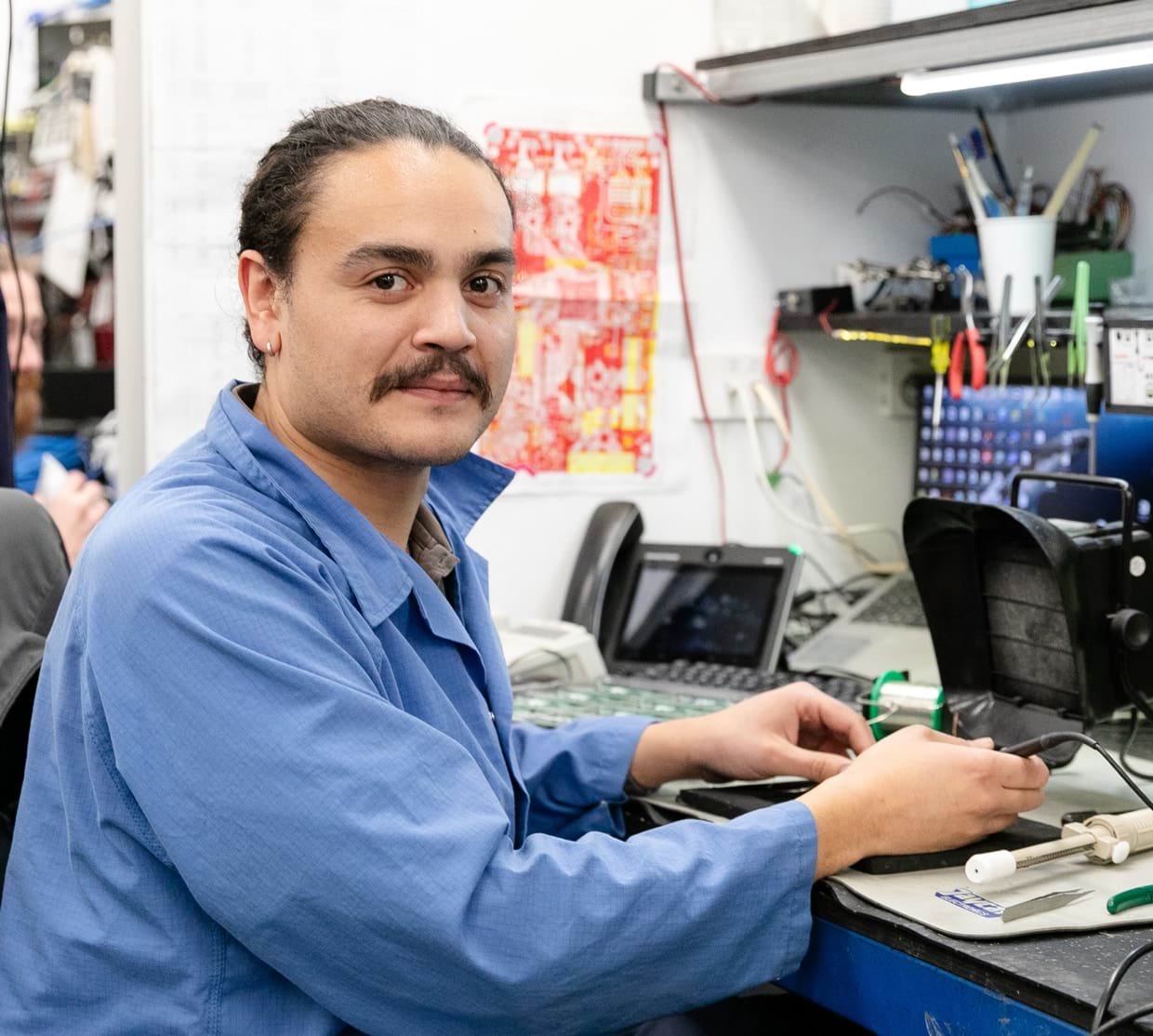
Through hands-on learning and being educated by industry experts, Zelman became a standout technician who is recognised for his fault-diagnosis skills. His teacher noted that his intuition and skill in solving complex problems was the best he had seen. He displayed strong leadership under pressure and generosity in mentoring younger apprentices.
Zelman is proudest of his work supporting remote First Nations communities where he redesigned communications infrastructure to ensure access in areas with little to no service. His technical excellence and commitment to helping others made him a vital team member.
4. Deliver the right skills for the jobs of today and tomorrow
A skills system that gives people the right skills for the jobs of today and helps them build new skills for the jobs of tomorrow is fundamental to growing the economy, lifting productivity and fostering innovation.
Since 2022, actions from the Skills Plans have strengthened Victoria’s skills and training system and its ability to train the skilled workers needed across many sectors including housing, construction, digital technologies and health care.
Key achievements since the 2022 Skills Plan include the examples below.
| The Victorian Government is giving Victorians the skills they need now and into the future | |
|---|---|
| The Digital Jobs program is building a pipeline of talent to meet industry demand and address critical digital skills shortages with targeted micro-credentials. | ✔ |
| Victoria’s Clean Economy Workforce Development Strategy for 2023-2033 presents a 10-year planning and investment framework to prepare the state’s workforce for a net zero future. | ✔ |
| The Victorian Government established a TAFE Clean Energy Fund to build new facilities for training in wind power, electric vehicle maintenance and smart grid systems at TAFE Gippsland, South West TAFE and Federation TAFE. | ✔ |
| Victoria’s TAFE network produced the Clean Economy Prospectus to drive new connections between industry and TAFEs and support development of skills and training needed for the clean energy sector and the state’s transition towards a net zero economy. | ✔ |
| The Victorian TAFE Network co-led the development of training to better meet the demand for a digitally skilled workforce. This included new IT qualifications such as a Diploma of Information Technology traineeship and bolt-on micro- credentials to develop specialised, industry-relevant skills such as cyber security and cloud computing. | ✔ |
| The VSA's Local Skills Partnership Program and the engagement officers have supported many employers, TAFEs and community organisations to meet workforce skills needs and progress innovative place-based skills solutions across regional Victoria. | ✔ |
| Skills Solutions Partnerships support industry, TAFEs and dual sector universities to work together to design and pilot short training courses that quickly address industry skills gaps in priority sectors of the economy. | ✔ |
| The Office of TAFE Coordination and Delivery has supported the Victorian TAFE Network to establish and sustain an approach to courseware development that enables the sharing of training and assessment resources, supporting consistent, high-quality training for learners and achieving efficiencies across the TAFE Network. | ✔ |
Since the release of the 2024 Skills Plan, the Victorian Government has continued to develop a skilled and adaptable Victorian workforce that can do the jobs of today and tomorrow by:
- building the digital capability of Victorians
- developing qualifications and delivering training that meet the needs of learners and industry
- strengthening the Victorian VET workforce.
Build the digital capability of Victorians
The VSA has established a cross-industry digital advisory group to align training with rapidly changing digital skills demands so training is relevant and future focused.
The Victorian Government has partnered with the Commonwealth Government to expand access to digital skills for disadvantaged learners by supporting more pre-accredited training places at Learn Local providers across Victoria. This initiative will reduce digital skills gaps and meet the continuing demand for digital skills.
The expansion of the Digital Jobs program is building a pipeline of talent to meet industry demand, addressing critical digital skills shortages and supporting economic participation by aligning workforce development with the needs of Victoria’s growing technological sector.
Holmesglen Institute's new Cyber Security Operations Centre simulates cyber attacks and real-world threats and provides students with an immersive experience in cyber security processes.
Bendigo Kangan Institute is participating in a national pilot led by the Australian Skills Quality Authority to empower TAFEs with delegated powers to self-accredit courses to meet critical industry needs. Through the pilot, Bendigo Kangan Institute has developed an Advanced Diploma of Digital Innovation to equip learners with advanced digital capabilities aligned to emerging industry needs, from digital marketing and cyber security to software engineering and robotics.
Develop qualifications and deliver training that meet the needs of learners and industry
Federal, state and territory Skills Ministers have agreed to a new approach to VET qualifications that better meets the needs of employers and learners in a changing labour market. This new approach focuses on building broader knowledge and qualifications with clear expected capabilities of graduates, while preserving specificity within units of competency for occupations and industries that need them. This supports transferability of skills and job mobility and builds more adaptable and resilient VET graduates.
The VSA and the Office of TAFE Coordination and Delivery are putting this new approach to qualifications into action through Skills Labs which are designing new skilling and training approaches across priority areas such as clean energy and construction. This includes the Clean Economy Skills Lab for Residential Building and Construction and the Circular Design and Manufacturing Skills Lab (Melbourne Polytechnic), and the Offshore Wind Skills Lab (TAFE Gippsland).
The VSA is also working with the Victorian TAFE Network to develop new VET qualifications in renewable energy. Projects include developing new courseware and training programs in electric vehicle (EV) charger installation (led by Bendigo Kangan Institute and South West TAFE); retrofitting homes for renewables and energy efficiency (led by Melbourne Polytechnic); and developing foundational knowledge and skills in renewable energy technologies for secondary school students (led by The Gordon Institute of TAFE).
The Victorian Clean Energy Required Training (CERT) Matrix and digital passport supports the clean energy industry and workers to understand and share the qualifications needed to move between solar, wind or battery projects.
Solar Victoria’s Electrification Training and Workforce Development program supports training to meet the growing demand for skills in home electrification including up-skilling plumbers to understand energy efficiency requirements and design and install energy efficient hot water systems.
Solar Victoria’s Electrification Training and Workforce Development program, the Pathways to Pre-Apprenticeships for First Nations program, the CERT Matrix, Clean Economy Skills Labs, and new VET qualifications in renewable energy progress the aims of the Victorian Government’s Clean Economy Workforce Development Strategy for 2023-2033.
Responding to learner and industry needs, the Victorian Government added seven new plumbing skill sets to the Free TAFE list to help qualified workers meet licensing or regulatory requirements.
Melbourne Polytechnic’s Future of Housing Construction Centre of Excellence welcomed its first group of students in 2025 and will help develop the construction workforce of the future and fast-track skills development in Modern Methods of Construction (MMC) and Industry 4.0, including prefabrication, 3D printing, and smart systems.
New training facilities are supporting the government’s commitment to deliver relevant, high-quality and accessible training in the care sector. Bendigo Kangan Institute’s Health and Community Centre of Excellence in Broadmeadows provides industry-leading laboratories, simulation suites, specialist equipment, and access to virtual reality technology. The Integrated Health and Technology Learning Hub at Swinburne University of Technology in Wantirna provides digital learning spaces and clinical teaching rooms designed to simulate real-world healthcare settings, equipping students with skills so they are confident and job-ready when they enter the workforce.
The VSA’s Local Skills Partnership Program delivers innovative capacity-building initiatives tailored to the needs of learners and industry across regional Victoria. New projects include The Gordon Institute of TAFE’s disability awareness and inclusion program for apprentices in the automotive industry (Barwon region) and Wodonga Institute of TAFE’s prototype of a ‘hub and spoke’ training model for transport and logistics courses (Ovens Murray region).
Strengthen the Victorian VET workforce
The Victorian VET Workforce Strategy will provide a comprehensive approach to supporting the current and future VET teaching and learning workforce, building the role for industry and supporting the next generation of VET teachers.
The VET Trainer Career Pathway pilot is a 12-month program that qualifies industry professionals recovering from a work-related injury to start new careers as teachers in TAFEs or VET trainers in Victorian schools.
Summer of Cyber Pilot giving Victorians on-the-job cyber security skills
In December 2024, the Victorian Government, in partnership with the Australian Women in Security Network (AWSN) launched an Australian-first program, the Summer of Cyber. Over the summer of 2024, the program matched women and gender-diverse tertiary students and recent graduates with real-world cyber security projects to gain work-ready skills and solve cyber security challenges that small-to-medium enterprises (SMEs) experience. The participants were supported by their tertiary supervisors and industry mentors from AWSN.

The program provided participants with industry experience and supported them to forge connections with employers within the digital technology sector. For businesses, it supported the uplifting of their cyber capabilities and bridging the cyber skills gap while empowering emerging tech talent to develop practical, job-ready experience.
Padmini is one of 44 women and gender diverse students selected to participate in the program. Padmini’s interest in network security led her to pursue a career in cyber security – she recognised the field’s dynamic nature, critical importance and real-world impact. Through the program, she was matched with a Victorian-based cyber response management platform and received valuable hands-on experience and mentorship that would have otherwise been inaccessible. As a result of the experience, Padmini feels more confident in her technical and soft skills and can see a clear career pathway in cyber security and her career beginning to take shape.
“Participating in the Summer of Cyber program has definitely boosted my confidence in applying for cybersecurity roles. I now have hands-on experience with real platforms, tools, and workflows used in the industry. I’ve worked on practical tasks like incident response automation, threat intelligence enrichment, and writing detection rules – all of which I can confidently talk about in job applications and interviews. It also helped me understand what’s expected in a professional cybersecurity environment, which makes me feel more prepared to take the next step in my career."
The Summer of Cyber program enables students and recent graduates like Padmini to transition into Victoria's digital tech workforce by offering structured mentorship and a paid studentship. The program presents a model for integrating education with practical paid industry experience, supports diversity in a traditionally male-dominated field and contributes to Victoria's commitment to a modern, secure, and inclusive digital economy.