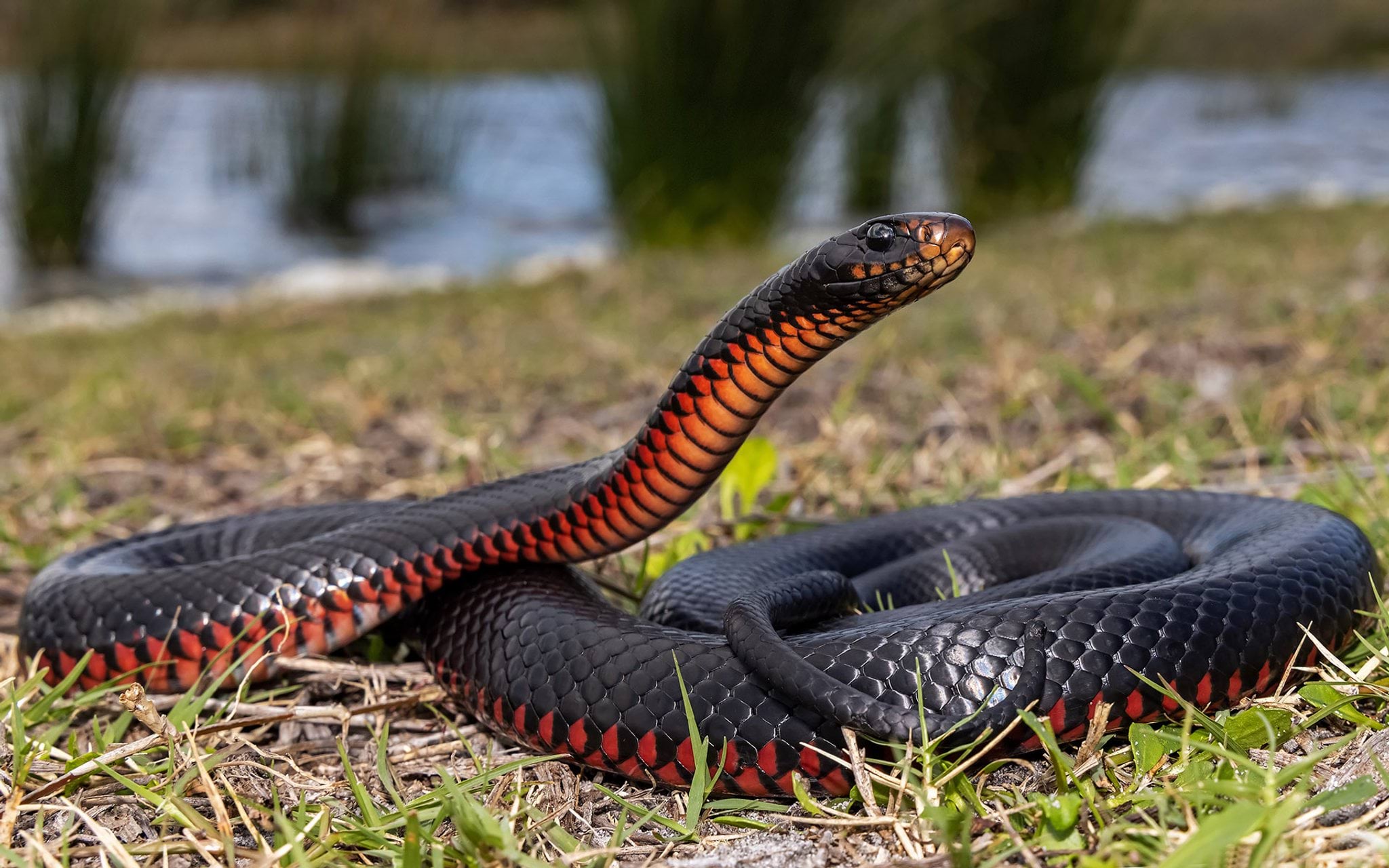
These conditions apply to all wildlife controller licences. These include the conditions that are specified in the Wildlife Regulations 2024, plus additional conditions applied by the Conservation Regulator to further protect animal welfare, biodiversity, biosecurity, public safety, or to ensure that the regulator can perform its role effectively.
General control requirements
Control and possession of wildlife
A wildlife controller licence authorises the licence holder to take from the wild and to destroy or dispose of, but not sell, wildlife that is damaging property or is a danger to persons if— a. the wildlife is a taxon of wildlife that is listed in Schedule 6 and specified in the licence; or b. if no taxon of wildlife is specified in the licence, the wildlife is listed in Schedule 6. Wildlife Regulations 2024, Reg 12 |
Objective
To clarify the purpose of the wildlife controller licence.
How to comply
Licensed wildlife controllers can remove indigenous reptiles, common brushtail possums, sulphur-crested cockatoos, long-billed corellas and galahs from situations where they present a danger to people or are damaging property. Wildlife must either be removed and released or destroyed as per the conditions specified in the licence.
A wildlife controller licence allows the temporary possession of wildlife from the wild and does not under any circumstances allow any keeping of wildlife, or the possession of wildlife beyond the entitlements to capture, transport, and dispose of the wildlife in accordance with your licence conditions. Disposal methods are limited to those listed under your licence conditions – see Disposal of wildlife for more information.
The control and lawful disposal of wildlife under a wildlife controller licence must occur on the same calendar day. In the unlikely event that control occurs at or close to midnight preventing disposal on the day of capture, the Conservation Regulator accepts that disposal on the same calendar day may be impractical. In this case, disposal must occur as soon as possible, and possession may not exceed 24 hours.
The exception to the requirement to seek disposal of controlled wildlife on the day of capture is for controlled reptiles that do not naturally occur in the area they are found, see Reptile control.
When you control wildlife under your licence, you are not permitted to trade, transfer or otherwise provide that wildlife to any other person, including the holder of a commercial or private wildlife licence, unless they are specifically listed in the disposal options for the species. See Additional control conditions for specified wildlife species for further information on disposal.
If you hold another licence which allows the keeping of wildlife, it is recommended that you do not use the same equipment utilised for control of wild wildlife under your wildlife controller licence to care for, handle or interact with any captive wildlife. The use of equipment across wild and captive wildlife populations may allow the spread of disease.
Wildlife must only be controlled where it is damaging property or a danger to persons, and only wildlife listed on the licence is eligible for control. See Wildlife eligible for control for further information.
See Reptile control
See Additional control conditions for specified wildlife species
See Wildlife eligible for control
Wildlife eligible for control
It is a condition of any wildlife controller licence that if the licence holder is employed by an owner, occupier or manager of land to take or destroy wildlife listed in Schedule 6, the licence holder must ensure that the owner, occupier or manager of the land holds an authorisation issued under Part IIIA of the Act unless— a. the wildlife is declared by the Governor in Council to be unprotected in that area; or b. the licence holder is taking or destroying reptiles Wildlife Regulations 2024, Reg 60(2) |
Objective
To ensure only species that are eligible for control are controlled under a wildlife controller licence.
How to comply
You can only engage in control activities for the species of wildlife listed on your licence, and only where they are causing damage to property or pose a danger to humans. All wildlife controller licences have the same species list, which is:
- Indigenous reptiles.
- Common brushtail possums.
- Sulphur-crested cockatoos.
- Galahs.
- Long-billed corellas.
Control activities involving any species other than the above, or control activities where wildlife-caused damage or danger is not present are not covered by your licence.
Control of common brushtail possums, sulphur-crested cockatoos, galahs, and long-billed corellas must occur in accordance with both the specific licence conditions, and with the conditions of the Governor in Council orders declaring those species unprotected in certain circumstances. See Additional control conditions for specified wildlife species for further information on the requirements of Governor in Council orders.
See Additional control conditions for specified wildlife species
See Wildlife management and control authorisations(opens in a new window)
Authority To Control WildlifeIf you are engaged to undertake wildlife control on behalf of a landowner, occupier or manager outside the entitlements covered by your licence, then the landowner, occupier or manager must hold a valid Authority To Control Wildlife (ATCW) for the activity. See our website for more information on wildlife management and control authorisations. In these circumstances, you are not operating under your wildlife controller licence, and the activity does not need to be entered into the record book for your wildlife controller licence. Instead, you must comply with the conditions of that ATCW and carry a copy of the ATCW allowing the activity in the course of your duties. An ATCW allows disturbance, capture, and/or relocation of wildlife when intervention is considered necessary and other management options are not possible. The relevant landowner, occupier or manager must apply for an ATCW – you may not apply for an ATCW on their behalf. Information on applying for an ATCW is available on the Conservation Regulator website. Visit Authority to Control Wildlife (ATCW) application form guide(opens in a new window) |
Permission from land holder
It is a condition of any wildlife controller licence that the licence holder must not take or destroy wildlife on any land (whether it is private land or Crown land) without the prior written approval of the owner, occupier, or manager of that land. Wildlife Regulations 2024, Reg 60(1) |
Objective
To ensure control only occurs as required and requested by landowners, occupiers, or managers; to protect the privacy of these persons; and to prevent unnecessary control activities.
How to comply
Written approval for wildlife control from the landowner, occupier or manager is required to ensure:
- Permission for access is provided prior to control.
- The scope or purpose of the land-owner approval is clear.
- The land manager understands what they are providing permission for.
You must only undertake control activities on the request of the landowner or manager. You cannot self-deploy to control a perceived issue, or a wildlife issue raised by a member of the public other than the landholder, including a neighbour.
Written approval may take the form of a contract for services, or a form-letter signed by the landowner, occupier or manager that:
- Specifies the services requested, including species targeted for control, control location, and control timeframe.
- Consents to land access by the wildlife controller licence holder.
The written approval from the landowner, occupier or manager is a business document, and a copy (electronic or paper) should be maintained with your records for no less than two years from the date of the control activity. This written approval may be requested by Authorised Officers during compliance monitoring activities.
Display of wildlife prohibited
It is a condition of any wildlife controller licence that the licence holder must not display to the public the wildlife, or any operations undertaken in accordance with the licence. Wildlife Regulations 2024, Reg 63 |
Objective
To protect the welfare of people and wildlife during control activities, and to ensure that observation of control activities does not contribute to unauthorised control activities, such as unskilled copycat behaviour.
How to comply
Your licence is not intended for education or display, including for service promotion. There are other licences prescribed for this purpose. You must not display any control activities or wildlife being controlled to the public. Display for these purposes means:
- Direct observation of your control activity or captured wildlife by anyone other than the licence holder or their employees.
- Requesting, consenting to, or promoting filming and/or photographing of your control activity by an unlicensed person.
- Publishing video or images of your control activity through traditional or social media, including re-posting video or images taken by others.
Control activities include every step of wildlife control. This includes but is not limited to species identification, wildlife capture, wildlife transport, and release, destruction or disposal of wildlife.
Display of control activities to the public can be dangerous for both people and wildlife. Display of control operations generally prolongs the period of wildlife handling and exposure, increasing stress and impacting welfare.
Where bystanders are in proximity to observe control behaviour, the risk of adverse contact with wildlife increases.
In limited circumstances, the display of control activities may encourage a false confidence and increase in copycat behaviour. This occurs where people believe they have observed enough expert control activities to undertake these activities themselves, in particular on encountering venomous snakes. Control of wildlife should only be conducted by licensed, experienced persons, and limiting the availability of filmed control activities may assist in limiting the incidence of this behaviour for the safety of both people and wildlife.
If a person is observing, filming, or otherwise recording your control activity, you must take reasonable steps to stop the filming and move the person away from the area where safe to do so.
An exception to this rule is a reasonable request by the landholder or manager to oversee works on their property. This must be at a safe distance, not interfere with control activity, and does not extend to allowing display of your control activities through published filming or photography.
When releasing wildlife, move away from the area as quickly and safely as possible to allow the wildlife to adjust and prevent unnecessary wildlife disturbance. Do not film wildlife on release or allow another person to film the release of wildlife.
Any publication of your control activities, including through social or traditional media, will be subject to investigation. Breach of this condition may result in fines in addition to restrictions on your licence entitlements, licence suspension, or licence cancellation.
Equipment
Wildlife Regulations 2024, Reg 61 |
Objective
To protect animal health and wildlife biosecurity, and to indicate legitimacy of activities to observers.
How to comply
Control has the potential to be detrimental to wildlife welfare. Control activities should be undertaken in a way that reduces the risk of wildlife distress or injury, and wildlife suffering resultant from control activity should be minimised even if the final outcome of the wildlife is death.
For this reason, only specified control measures are permitted to be used under the conditions of your wildlife controller’s licence. You must only use only this equipment that is specified in your licence while conducting control activities.
For indigenous reptiles, equipment is limited to catching sticks, catching bags or nooses. See Reptile control for more information.
For brushtail possums, equipment is limited to confinement traps. See Common brushtail possum control for more information.
For sulphur-crested cockatoos, galahs, and long-billed corellas, this is limited to firearms meeting the specifications below.
| Species | Firearm | Shot size | Maximum range |
| Sulphur-crested cockatoo | 12-gauge shotgun | 3s – 5s | 30 |
| Long-billed corella | 12-gauge shotgun | 3s – 5s | 30 |
| Galah | 12-gauge shotgun | 4s – 6s | 30 |
See Sulphur-crested cockatoo, long-billed corella, and galah control for more information.
If you wish to use additional or alternative control equipment outside the items listed, you need to seek prior written permission from the Conservation Regulator. You can email us your request for consideration.
Biosecurity
Contagious diseases that present a risk to other wildlife and to humans are present in wild animal populations. To prevent transfer of disease between animals, species, and locations, it is recommended that you keep equipment used for controlling wildlife separate from equipment used for captive wildlife or control of non-native species.
Your equipment for control must be clearly marked with your licence details. This can help distinguish between equipment used for wildlife control, and equipment used for other activities including handling of captive wildlife or non-native species. Additionally, the display of licence details legitimises activities otherwise illegal if observed by the public and can prevent false reporting. If asked by an Authorised Officer, you must allow them to inspect your equipment.
As a further measure to prevent and manage the spread of disease, it is recommended that you take steps to prevent direct skin contact during handling as much as possible and if necessary, wash your hands after every control activity. You should also clean your equipment with veterinary disinfectant after each use.
See Reptile control(opens in a new window)
See Common brushtail possum control
See Sulphur-crested cockatoo, long-billed corella, and galah control
See Rehoming Wildlife Authorisation(opens in a new window)
Email wildlifelicensing@deeca.vic.gov.au
Disposal of wildlife
It is a condition of any wildlife controller licence that the licence holder must not dispose of wildlife to any person or organisation, unless the disposal is— a. to a person or an organisation specified in the licence; or b. in accordance with the prior written approval of the Secretary. Wildlife Regulations 2024, Reg 62 |
Objective
To prevent wild animals from entering the captive trade, and to restrict unauthorised access to wildlife.
How to comply
Each species listed under the wildlife controller licence for control has specific allowable methods for disposal following control. Disposal may include transfer of the wildlife to a registered veterinarian, release, or destruction as specified in the conditions.
If you wish to dispose of wildlife to a person or organisation not covered by the conditions, you need to seek prior written permission from the Conservation Regulator. You can email us your request for consideration.
Indigenous reptiles
Where the natural range of a species includes the location of capture, allowable disposal methods are:
- Release to the wild on public land within five kilometres of the capture site.
- Destruction by registered veterinarian where release per above cannot be facilitated.
- If the reptile is sick or injured on capture, euthanasia by a registered veterinarian or transfer to the care of a wildlife shelter or foster carer authorised under the Wildlife Act.
- If the reptile is sick or injured on capture, in-field euthanasia by the licence holder.
Disposal must be carried out on the same day the wildlife is controlled. Other than those listed above, no person is able to take possession of this controlled wildlife.
Where the natural range of the species does not include the location of capture (that is, the species is indigenous to Australia but not naturally found at the control site) allowable disposal methods include:
- Destruction or euthanasia by a registered veterinarian on the day of capture.
- Transfer to the holder of a Rehoming Wildlife authorisation under S.28A of the Wildlife Act within 72 hours of capture.
Other than registered veterinarians and the holders of a S.28A Rehoming Wildlife authorisation, no other person is authorised to take possession of this controlled wildlife. It is not your responsibility, nor is it lawful under your licence, for you to reunite lost pets with potential owners, to transfer the wildlife to any other person, or to retain possession of wildlife. More information on rehoming wildlife authorisations can be found on our website. See Reptile control(opens in a new window) for more information.
Brushtail possums
The allowable disposal methods are release on the property where control occurred within 50 metres of the capture site after sunset on the day of capture, or humane destruction via registered veterinarian. Other than registered veterinarians, no other person is authorised to take possession of this controlled wildlife. See Common brushtail possum control for more information.
Sulphur-crested cockatoos, galahs, and long‑billed corellas
There is no specified disposal method, as control is via lethal means only and the carcasses of controlled birds must remain and be disposed of at the property where the control occurred. Disposal must occur as per your licence conditions. See Sulphur-crested cockatoo, long-billed corella, and galah control for more information.
See Reptile control(opens in a new window)
See Common brushtail possum control
See Sulphur-crested cockatoo, long-billed corella, and galah control
Additional wildlife controller licence conditions
Prohibition on keeping wildlife
This licence does not permit the keeping of wildlife. All wildlife controlled under this licence must be released, destroyed, or otherwise disposed of in accordance with licence conditions on the day of capture, unless otherwise specified. Wildlife Controller Licence Condition 1 |
Objective
To prevent wildlife being taken from the wild and kept in captivity.
How to comply
A wildlife controller licence allows the temporary possession of wildlife from the wild and does not under any circumstances allow any keeping of wildlife, or the possession of wildlife beyond the licence entitlements to capture, transport, and dispose of the wildlife in accordance with licence conditions.
The control and lawful disposal of wildlife under a wildlife controller licence must occur on the same calendar day. In the unlikely event that control occurs at or close to midnight preventing disposal on the day of capture, the Conservation Regulator accepts that disposal on the same calendar day may be impractical. In this case, disposal must occur as soon as possible, and possession may not exceed 24 hours.
The exception to the requirement to seek disposal of controlled wildlife on the day of capture is for controlled reptiles that do not naturally occur in the area they are found (see Reptile control).
You may not keep controlled wildlife in your home, possess controlled wildlife for periods longer than specified in the conditions, or undertake other activities involving wildlife under your wildlife controller licence. If you want to keep wildlife or undertake other activities in regard to wildlife, visit the Conservation Regulator website at Keeping and trading wildlife to understand the different licence types.
If you have multiple wildlife licences, any wildlife taken under your wildlife controller licence (that is, wildlife taken from the wild) that is in your possession as allowed by your conditions must be completely separated from captive wildlife held under any other licences or authorities.
Species eligible for control
Of the species listed in Schedule 6 of the Wildlife Regulations, only the following may be controlled under this licence in accordance with the circumstances set out below: a. Sulphur-crested cockatoo (Cacatua galerita), long-billed corella (Cacatua tenuirostris) and galah (Cacatua roseicapilla). b. Common brushtail possum (Trichosurus vulpecula); and c. All indigenous reptiles. Wildlife Controller Licence Condition 2 |
Objective
To limit the species that can be controlled under a wildlife controller licence to those likely to cause damage or present danger to people, and where the control methods that protect animal welfare and preserve human safety are clearly defined.
How to comply
You can only engage in control activities for the species of wildlife listed on your licence:
- Indigenous reptiles.
- Common brushtail possums.
- Sulphur-crested cockatoos.
- Galahs.
- Long-billed corellas.
Control activities involving any other species, or control activities where wildlife-caused damage or danger is not present are not covered by your licence. See Authority To Control Wildlife for further information.
Additional control conditions for specified wildlife species
Sulphur-crested cockatoo, long-billed corella, and galah control
| Sulphur-crested cockatoos, long-billed corellas and galahs may only be lethally controlled using firearms in accordance with the Firearms Act 1958 and the specifications below: | |||
| Species | Firearm | Shot size | Maximum range |
| Sulphur-crested cockatoo | 12-gauge shotgun | 3s – 5s | 30 |
| Long-billed corella | 12-gauge shotgun | 3s – 5s | 30 |
| Galah | 12-gauge shotgun | 4s – 6s | 30 |
Wildlife Controller Licence Condition 3 | |||
Control of birds in accordance with this licence may only be conducted in daytime hours. Wildlife Controller Licence Condition 4 Only one bird may be targeted for control at a time. Birds controlled in accordance with this licence must be confirmed dead before moving on to targeting the next bird, and all targeted birds must be confirmed dead prior to leaving the property where control has taken place. Wildlife Controller Licence Condition 5 Sulphur-crested cockatoos, long-billed corellas and galahs controlled in accordance with this licence must not be taken from the property on which the control has taken place. Wildlife Controller Licence Condition 6 | |||
Objective
To mitigate reasonably predictable welfare risks to sulphur-crested cockatoos, galahs and long-billed corellas during control, and to ensure that control is targeted towards addressing damage rather than being conducted for any other reason.
How to comply
Control of sulphur-crested cockatoos, galahs and long-billed corellas must follow the conditions of your wildlife controller licence and the Governor in Council Order that declares these species unprotected in certain situations.
The approved control equipment for these species is a 12‑gauge shotgun with a minimum shot size and a maximum targeting distance of 30 metres. This ensures:
- Shot size and spread are sufficient for humane destruction.
- Reduced likelihood of injury without death.
- Positive species identification prior to control
- Effective proximity to deter or disrupt damage‑causing behaviour.
Only the use of firearms is permitted under the relevant Governor in Council Order (Government Gazette 26, 4 July 1996), meaning any other method of control will require additional permission. Email us if you wish to seek approval to use alternative control methods.
To legally use a firearm, wildlife controller licence holders must comply with the Firearms Act 1996, including holding a valid firearms licence and ensuring human safety. You may also need a Public Place Permit from Victoria Police. For more information, visit Victoria Police firearms licensing(opens in a new window) or call 1300 651 645.
To minimise welfare risks:
- Control must only target one animal at a time, not a group or flock.
- The firearm must be aimed and discharged with intent to kill the targeted animal immediately.
- The targeted animal must be confirmed to be dead before targeting another animal.
This time-spaced shooting also provides a constant deterrent to damage-causing wildlife behaviours on the property, such as feeding on crops or grain stockpiles.
Control may only occur after sunrise and before sunset on any day to reduce risks to human safety and animal welfare. Night-time control is prohibited to avoid use of firearms with poor visibility and potential for non-lethal wounding, and to reduce human health and safety risk.
Bird carcasses must remain on the property where control occurred. All wildlife is protected under the Wildlife Act, whether alive or dead, and your licence does not allow for you to keep or possess the wildlife controlled, including any carcass. Removal of any carcass from the property where control occurred will require prior written approval from the Conservation Regulator.
Using baits, lures, decoys, live animals, recorded sounds, electronic devices, or artificial light to attract wildlife is prohibited and considered an offence under Regulation 118 of the Wildlife Regulations 2024.
See Victoria Police firearms licensing(opens in a new window)
Call Victoria Police Licensing Services 1300 651 645
Email wildlifelicensing@deeca.vic.gov.au
Common brushtail possum control
Only confinement traps may be used for common brushtail possums (Trichosurus vulpecula) and must be designed not to cause injury to wildlife. Wildlife Controller Licence Condition 7 Trapped common brushtail possums must be released on the property on which they were captured, up to a maximum of 50 metres from the capture site after sunset on the day of capture. Wildlife Controller Licence Condition 8 Where release condition is not reasonably possible, common brushtail possums must be humanely destroyed by a registered veterinary practitioner, at the licence holder’s expense, within 24 hours of capture. Wildlife Controller Licence Condition 9 Trapped Common Brushtail possums must be protected from rain or wind, direct sun, and domestic animals at all times. Wildlife Controller Licence Condition 10 Only common brushtail possums living within buildings or in municipal parks and municipal gardens may be controlled. Governor in Council Order declaring common brushtail possums unprotected: Government Gazette 28, 10 July 2003, Schedule 1 Trapping in municipal parks and gardens may only occur with the express permission of the land manager and may only be conducted in accordance with a management plan that includes the use of non-lethal methods of damage control. Governor in Council Order declaring common brushtail possums unprotected: Government Gazette 28, 10 July 2003, Schedule 3(b) |
Objective
To mitigate reasonably predictable welfare risks to common brushtail possums during control, and to ensure that control is targeted towards addressing specified damage rather than being conducted for any other reason.
How to comply
Control of common brushtail possums must follow the conditions of the Governor in Council Order that declares this species unprotected in certain situations.
Common brushtail possums use tree hollows for shelter, but in residential areas, they often use sheltered spaces in buildings due to a lack of available hollows. Possums living in roof spaces and walls can cause building damage, which is why wildlife controller licence holders can remove them.
On private property, only possums in buildings may be controlled in accordance with the relevant Governor in Council order (Government Gazette 28, 10 July 2003). Possums damaging or living in gardens, depositing faeces, or nesting outside buildings are not eligible for control under a wildlife controller licence.
For efficient control, before trapping it is best practice to determine how many possums are using the building for shelter and ensure the access point for trapped wildlife is repaired afterward to prevent further occupation of the building. Positive species identification is crucial, as Ringtail Possums are not eligible for control unless an Authority To Control Wildlife is issued by the Conservation Regulator. See Authority To Control Wildlife for further information.
See Authority To Control Wildlife
Only confinement traps (that is, cage traps) may be used for removal. Traps must not cause pain or injury to the animal and should not have hooks or protrusions. Traps must be placed in sheltered areas to avoid exposure to adverse weather conditions and domestic animals.
Traps must be checked every 24 hours, preferably in the morning as traps are not target specific. Non-target animals must be released promptly and treated if injured.
If a non-target animal is trapped and uninjured, the required action is dependent on the species category:
| Domestic animal | Take to local council or shelter |
| Protected wildlife under Wildlife Act 1975 | Release at point of capture |
| Declared pest under Catchment and Land Protection Act 1994 | Humanely destroy |
| If legally-owned, it may be returned to the owner |
See the list of declared pest species on Agriculture Victoria website(opens in a new window).
If a common brushtail possum is trapped, it must be sheltered from stress, adverse weather conditions and domestic animals and either:
- Released on the same property within 50 metres from point of capture after sunset.
- Transported to a veterinarian for humane destruction.
Possums must be released or destroyed humanely within 24 hours. Extended captivity is harmful to their welfare. Releasing a trapped possum other than in accordance with wildlife controller licence conditions is highly likely to lead to territorial conflict and death.
Only registered veterinarians can destroy controlled possums. Field destruction is not permitted to ensure humane treatment.
Possum control in municipal parks and gardens
In accordance with the relevant Governor in Council order (Government Gazette 28, 10 July 2003), a wildlife controller licence holder can control possums in municipal parks and gardens upon request by the land manager. Control follows all other conditions of the licence, except that the land manager must have a management plan that includes non-lethal common brushtail possum control alongside trapping.
This management plan is not a document that is assessed or required by the Conservation Regulator but is designed to prompt the land manager to develop and utilise adaptive and varied wildlife management methods suited to the site’s circumstances.
Before engaging in control activities, ensure the plan exists and includes non-lethal methods.
Reptile control
Control of indigenous reptiles endemic to the area of capture may only occur where the animal is damaging property or a danger to persons Wildlife Controller Licence Condition 11 Control of indigenous reptiles that are not endemic to the area of capture may only occur where the animals is at large outside the natural home range of the species Wildlife Controller Licence Condition 12 If a reptile taken in accordance with this licence has no visible injuries, is endemic to the area in which it is captured, and there is suitable habitat on public land within five kilometres of the point of capture (unless another distance is specified in writing in by the relevant regional Permissions Lead, Regulatory Operations at the Conservation Regulator), the reptile must be released on that land on the day of capture Wildlife Controller Licence Condition 13 If there is no suitable habitat on public land on which a reptile can safely be released, it must be humanely destroyed by a registered veterinary practitioner on the day of capture at the expense of the licence holder Wildlife Controller Licence Condition 14 Non-dangerous locally endemic reptiles must not be controlled, taken, or relocated. Dangerous in this context refers to venomous snakes and endemic species of the genus Varanus Wildlife Controller Licence Condition 15 If a reptile is captured which is not endemic to the area where it was captured from, it must be either humanely destroyed by a registered veterinary practitioner or disposed of to the holder of a Rehoming Wildlife permission that authorises the rehoming of wildlife within 72 hours of its capture Wildlife Controller Licence Condition 16 If a reptile which is endemic to the area where it was capture from and is sick or injured, it must be either immediately humanely destroyed in the field or disposed of to a registered veterinary practitioner of to the holder of a Wildlife Shelter or Foster Carer authorisation issued under the Wildlife Act. The accepted form of euthanasia in the field is to crush the skull of the reptile. All destroyed reptiles must be disposed of by incineration or burial Wildlife Controller Licence Condition 17 Reptiles taken in accordance with this licence may only be captured by use of catching sticks, catching bags or nooses. Wildlife Controller Licence Condition 18 |
Objective
To mitigate reasonably predictable welfare risks to reptiles during control, to prevent controlled wildlife being taken from the wild, and to ensure that control is targeted towards mitigating risk of dangerous wildlife rather than being conducted for any other reason.
How to comply
Reptiles generally do not cause property damage that would justify control under a wildlife controller licence. Control for reptiles naturally occurring in Victoria is only required when dangerous reptiles are found near people or frequently used spaces.
Not all reptiles are considered dangerous. It is an offence to disturb or harass wildlife, so only those species which pose a risk of serious harm, injury or death if accidentally interacted with are considered dangerous and therefore eligible for control.
For example, species like blue-tongued lizards or Jacky lizards do not pose significant danger to people if accidentally encountered, so are not eligible for control. Species such as venomous snakes or Varanus species monitors (for example, lace monitors) could cause injury or envenomation if startled or accidentally encountered and are considered suitable for control when in close proximity to areas of human use or occupation. In some areas of Victoria, large pythons like the diamond python may also be controlled if found inside homes or vehicles.
Wildlife that is not considered dangerous cannot be relocated under the entitlements of a wildlife controller licence. Relocation requests for non-dangerous wildlife require additional permissions from the Conservation Regulator. See Authority To Control Wildlife for further information.
Reptile control must be done using safe, effective tools, currently limited to catching hooks, nooses, and bags, including those held on hoops.
See Authority To Control Wildlife
Disposal of sick or injured reptiles
Once a reptile is captured, conduct a visual examination to determine if it is sick or injured, where safe to do so. You may not retain possession of sick or injured reptiles controlled under your wildlife controller licence. It is a condition of your licence that you destroy or dispose of wildlife controlled under your wildlife controller licence from your possession on the day of capture.
Species that naturally occur in the area of capture
Where a controlled reptile is naturally occurring in the location of capture, and the reptile is sick or injured on capture, it must be either transported for care or euthanised in the field.
- Euthanasia in-field
- If euthanising immediately, the licence holder must crush the skull of the reptile to cause rapid loss of consciousness followed by death. The reptile must be confirmed dead prior to disposal, permitted by incineration or burial. No euthanised wildlife may be disposed of or given to another person.
- In-field euthanasia can have a high margin of error depending on the reptile species and the person’s experience. If you are hesitant about performing in field euthanasia or concerned about your ability to do so humanely, do not attempt in-field euthanasia and instead transport the wildlife to a registered veterinarian for medical euthanasia.
- Disposal to a registered veterinarian
- To ensure humane euthanasia, it is recommended that a registered veterinarian assess and if necessary euthanise the animal.
- Where euthanasia via vet is sought, it is recommended that the holder of the wildlife controller licence contact the veterinary clinic prior to attendance to confirm clinic capacity to treat the wildlife.
- Disposal to an authorised wildlife shelter or foster carer
- Your conditions also allow for reptiles that naturally occur in the area of capture to be sent to a wildlife shelter or foster carer authorised under the Wildlife Act if they are injured or sick, to facilitate rehabilitation and release.
- This option should only be used in remote areas with limited access to veterinarians, and the shelter or foster carer must have the appropriate skills and capacity to care for the reptile.
- As this condition only applies to locally occurring wildlife this disposal capacity only applies for dangerous wildlife; in this case, the shelter or foster carer must be contacted prior to the animal being received to obtain consent and agreement to care given the potential for significant human health and safety impacts resultant from handling venomous or otherwise dangerous reptiles.
In any case, where wildlife are sick or injured registered vets are the most appropriate contact, as they can administer first aid and as required dispense restricted medications for both animal treatment and human safety (for example, sedation).
Species that do not naturally occur in the area of capture
Where a controlled reptile is of a species that is not naturally occurring in the location of capture, and the reptile is sick or injured on capture, it must be transported to a registered veterinarian or the holder of a Rehoming Wildlife authorisation under S.28A of the Wildlife Act.
In this instance, sick or injured wildlife should be transferred as soon as practicable post capture. It is strongly recommended that the wildlife is disposed of as per above immediately post capture, in any circumstance within 72 hours. Withholding necessary veterinary care for a sick or injured animal may be considered an offence under the Prevention of Cruelty to Animals Act 1986.
Release of wildlife
Species that naturally occur in the area of capture
If the natural range of the species of wildlife subject to control includes the location of capture and the wildlife is not injured, they must be released on suitable public land within five kilometres of the point of capture. Suitable release sites are species-specific and can be subjective, but in general consider whether a site:
- Provides suitable shelter. For example, the area must have vegetation that provides cover from aerial predators, or for lace monitors provide tall trees to climb to escape perceived threats.
- Provides access to food and water as appropriate for the species. Some species show a preference for proximity to water, and this should be facilitated where reasonable.
- Will pose a reasonably predictable risk to human safety. For example, you would not release a venomous snake in or in close proximity to a children’s playground.
- Provides means for the wildlife to disperse safety if required. For example, you should not release wildlife on a freeway central reserve.
Where a suitable release site is available, the reptile must be released. Where there is no available suitable release site, the reptile must be humanely destroyed by a registered vet – there is no provision for in-field destruction in this circumstance.
Species that do not naturally occur in the area of capture
In rare cases, you may be contacted to control native reptiles whose species natural range does not include the location the animal has been found – the species is not endemic to the local area. While these animals may have independently found their way to the location through misadventure, it is more probable that these animals have escaped or been released from captivity. It is not recommended that they remain in the wild, due to their potential to spread novel disease to wild populations and the likely mismatch between the environment they are found and their preferred habitat – including factors such as preferred prey availability and climate.
In these situations, whether or not they are likely to be dangerous to persons, you may capture the wildlife and may only dispose of the animal to:
- A registered veterinarian, for humane destruction or euthanasia on welfare grounds only.
- The holder of a Rehoming Wildlife authorisation. These authorisations are issued to allow captive wildlife that is surrendered or lost to be placed in new licensed homes following a comprehensive health check and a publicly accessible application process.
It is not within the entitlements of a wildlife controller licence to keep this wildlife, transfer the wildlife to another licence holder for rehoming, or to hold the animal to attempt to reunite any animal believed to be an escaped pet with the likely owner. These activities are the remit of the Rehoming Authorisation, in cooperation with the Conservation Regulator.
You may not keep any wildlife controlled under your licence or any wildlife taken from the wild, whether or not the species is locally endemic. Non-endemic wildlife taken from the wild must be disposed of within 72 hours of the reptile being captured. It is an offence to take wildlife from the wild under Sections 45, 47 and 47D of the Wildlife Act. For more detail, see Penalties for illegally obtained or traded wildlife(opens in a new window).
See Penalties for illegally obtained or traded wildlife(opens in a new window)
Updated