- Published by:
- Department of Education
- Date:
- 4 Feb 2026
The Early Childhood Update e-newsletter is sent to early childhood teachers and workers, but is open to anyone interested in best practice in early years education and evidence-based teaching approaches. Subscribe here to receive the e-newsletter(opens in a new window).
Welcome to 2026
Looking forward to a big year in the Victorian early childhood education and care sector.
Dear colleagues
Welcome to 2026!
I hope you all enjoyed a restful break over the festive season and are feeling energised for the year ahead.
The start of the year has been tough for many communities and early childhood services in areas affected by bushfires.
I would like to remind those affected that there are supports available. The VicEmergency website and Hotline (1800 226 226) provide information on relief and recovery. Early childhood teachers and educators at funded kindergarten services can also access free and confidential counselling. We include more information on supports in this edition.
The start of a new year of learning is an exciting milestone for early childhood services and families. It marks a fresh beginning and a chance to build and renew strong relationships, support children’s development and create positive learning experiences throughout the year.
This year, Pre-Prep is launching across the state for children prioritised for early access. It has been fantastic to hear how the introduction of Pre-Prep last year in initial roll out areas has given teachers and educators more time to focus on the Kindergarten Teaching Excellence approach. With this additional time, teachers have noticed that children can stay fully engrossed in their learning moments without feeling rushed.
We’ll continue to offer the support you need to deliver Pre-Prep. In this edition, we share valuable insights from services which took part in the initial rollout in 2025. They explain how they implemented more funded kindergarten hours for children in their service.
The Three-Year-Old Kindergarten rollout will continue this year, working towards 15 hours per week across the state. This will build on last year’s achievement of more than 90.3 per cent of funded kindergarten services delivering 10 to 15 hours of play-based learning each week.
Also this year, 24 new kindergartens will open at government schools and 35 new or expanded kindergartens will open on sector sites. These services will offer more than 4,200 new licensed places for Victorian children.
Across the state, 14 new Early Learning Victoria centres have opened, taking the total to 18. These new centres will provide more than 1,400 licensed places for local children and families.
Child safety will continue to be a top priority. Important changes to the National Law have started from January 2026. Further details on these changes are available on the department’s website. We will continue to provide support and resources as you deliver these changes. We have also published a new webpage for families to support parents and carers to learn more.
On Thursday 1 January the Victorian Early Childhood Regulatory Authority (VECRA) started operations as Victoria’s new independent early childhood regulator. VECRA was created in response to the Victorian Government’s Rapid Child Safety Review. VECRA will work with the early childhood sector to improve quality and strengthen child-safety practices. You can read more on this change here.
To support you and your teams this year, we are offering various professional development opportunities. You can find more details about some of them in this edition.
Be sure to look at the new Early Childhood Quality Hub. It has free self-paced modules to support with inducting new staff, disability inclusion, intentional and team teaching, and Learning Progressions. While you’re there, remember to register, as more courses will be added throughout the year.
Wishing you and your teams all the best for the year ahead.
Bronwen FitzGerald
Deputy Secretary
Early Childhood Education
Welcome to a new year of learning
Celebrate the start of a new year and access resources to share information with families.
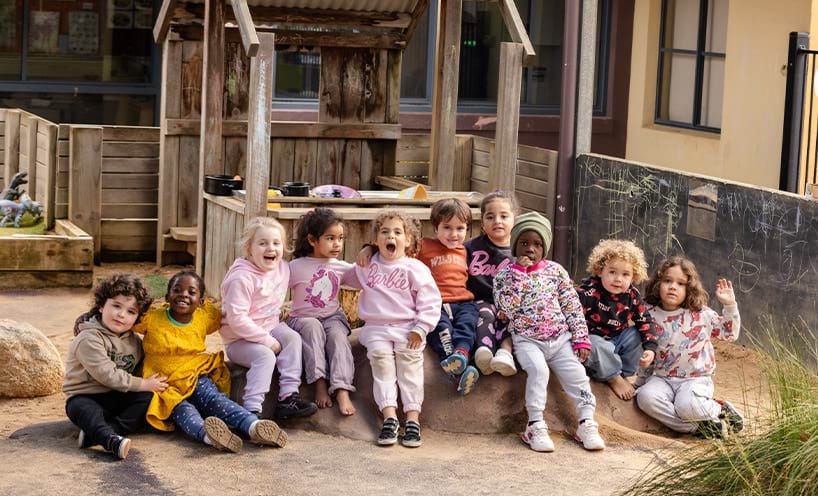
A new kindergarten year is an exciting time for families, children and early childhood education staff.
Learn more about the year ahead and use resources to welcome families and share information with your community.
Please share this article with early childhood teachers and educators in your service.
Snapshot for 2026
- The Pre-Prep roll-out continues in 12 more local government areas. These are Benalla, Buloke, Corangamite, East Gippsland, Horsham, Loddon, Mansfield, Mitchell, Pyrenees, Strathbogie, Wangaratta and Wodonga.
- Early Learning Victoria will open 14 new government-run early learning and childcare centres. These will open at Clunes, Frankston, Hallam, Gamadji (Mickleham South), Noble Park, Numurkah, Portland South, Shepparton, Kings Park, Teesdale, Murrum (Toolern Waters), Wedderburn, Werribee and Umarkoo (Wollert).
- Pre-Prep has launched statewide for children prioritised for early access. This includes Aboriginal and Torres Strait Islander children and children from a refugee or asylum seeker background. It also includes children who have had contact with Child Protection services. Children from these cohorts can access up to 25 hours of Pre-Prep per week. This will increase to up to 30 hours from 2028.
- Free Kinder continues, benefiting up to 145,000 children and their families.
- The Three-Year-Old Kindergarten roll-out continues, with hours continuing to increase to 15 hours per week.
- Kinder Kits are back again for 2026. They are available for every eligible child enrolled in Three-Year-Old Kindergarten. For more information, refer to Kinder Kits.
Resources available
There are resources to help services mark the start of the year, welcome families and share information about 2026 programs.
These include the:
- A new year of learning webpage – information and resources for parents and carers.
- Tips for starting kindergarten webpage – to help families prepare for kindergarten.
- Communicating about your kindergarten webpage – this has information and digital materials. You can share them via your social media, websites and newsletters. These will help you to promote your kindergarten programs and the benefits of 2 years of kindergarten.
- Kindergarten Sector Guide – key information about the Best Start, Best Life reforms, and initiatives such as Pre-Prep and Free Kinder. The guide also has information about supports for children to access kindergarten programs. Such programs include Early Start Kindergarten.
- Kinder: Information in your language webpage – information in 30 languages.
- Kindergarten for Aboriginal children: Koorie Kids Shine program – resources designed by and for Aboriginal and Torres Strait Islander children and their families.
Services can order other free resources through the Victorian Kindergarten Resources Portal. These include Kinder Tick signage and free printed information materials.
Find out more
For more information, refer to the A new year of learning webpage.
A new regulatory authority for early childhood education
The Victorian Early Childhood Regulatory Authority oversees safety, quality and compliance in early childhood education.

On Thursday 1 January 2026, the Victorian Early Childhood Regulatory Authority (VECRA) started operations. It is being led by Interim Regulator Adam Fennessy PSM.
VECRA is a new independent early childhood regulator. It was created in response to the Victorian Government’s Rapid Child Safety Review.
It will work with the early childhood sector to improve quality and strengthen child-safety practices.
What to expect
The regulatory authority has transitioned from the Department of Education to become an independent statutory authority.
VECRA will:
- continue regulatory activity transferred from previous arrangements, with no disruption to operations
- use existing and new powers under National Law and Victorian legislation to monitor compliance and respond to risk
- take swift action where a child’s safety or wellbeing is at risk.
As VECRA continues to grow throughout 2026, it will continue to build its capability as a regulator. It will do this in line with the Rapid Child Safety Review recommendations by:
- increasing the number of authorised officers. This will strengthen on-the-ground regulatory sector oversight
- making more unannounced compliance visits
- embedding new regulatory powers as legislative changes come into effect
- strengthening how information is shared, analysed and used. This will help identify risks earlier
- publishing more compliance and enforcement action online.
Changes to the National Law
The establishment of VECRA coincides with new powers for Regulatory Authorities and new obligations for providers to ensure early childhood services are child safe. Changes now in effect include:
- significant increases in penalties, with tripled penalty amounts, and 9 times increases in the case of large providers (those with 25 or more services)
- an expanded number of offences that can be enforced through penalty infringement notices
- a new offence for failing to notify VECRA of any reportable sexual conduct committed by relevant staff members
- a ban on providers taking insurance against financial penalties.
VECRA will be providing more information about changes to the National Law. Keep an eye on VECRA’s website for more information.
How to report concerns
VECRA encourages families, educators and community members to raise concerns about the safety, wellbeing or quality of early childhood services. They should do this directly with VECRA.
To report a concern:
- complete the online complaint form – you can remain anonymous
- contact your local VECRA office
- call VECRA on 1300 307 415, Monday to Friday between 9 am and 5 pm.
To access an interpreter, refer to the National Translating and Interpreting Service.
Find out more
For more information about VECRA, refer to the Victorian Early Childhood Regulatory Authority webpage.
Kinder Kits are here for 2026!
Find out who’s eligible to receive kits, when to expect your order, and how to promote them.
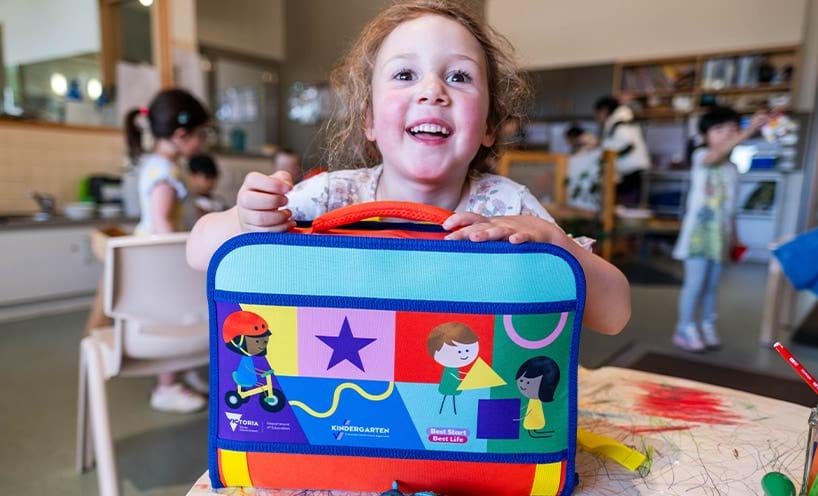
Kinder Kits are being delivered to services from the start of Term 1, 2026. Please look out for an email from our contracted supplier, Bao & Co., about your delivery.
To support the recovery of communities affected by the recent floods and fires in Victoria, delivery of Kinder Kits to services in these areas will take place later in Term 1.
This year, Kinder Kits are activity backpacks filled with books, educational toys and activities made especially for 3-year-olds to enjoy at home.
Along with the Kinder Kits, your delivery will include information about:
- what a Kinder Kit is
- who is eligible to receive a kit
- how to access extra translated printed materials.
Promoting Kinder Kits
You can promote the Kinder Kits using the resources and materials available at Communicating about kindergarten with your community(opens in a new window).
Resources include the:
- Kinder Kits toolkit – check out the toolkit for newsletter and website copy, and a poster
- Kinder Kits video – watch this short video to see what’s in the 2026 kits
- Translated resources – this page provides links to the Kinder Kit resources in multiple languages
- Kinder Kits webpage – refer to this page for videos, Auslan translations of the books and links to translated materials.
Eligibility
To be eligible for a Kinder Kit in 2026, a child must be starting either:
- funded Three-Year-Old Kindergarten
- their first year of Early Start Kindergarten
- their first year of Access to Early Learning.
Please provide Kinder Kits only to children aged 3 years and above. Children who begin funded Three-Year-Old Kindergarten at 2 years old should be given a kit when they turn 3.
Three-year-olds in long day care but not a funded Three-Year-Old Kindergarten program and 4-year-olds in kindergarten or long day care programs are not eligible to receive a Kinder Kit.
Find out more
For further enquiries, contact our Kinder Kits team by email: kinder.kits@education.vic.gov.au(opens in a new window)
Applications open for the 2026 Toy Library Grants program
Eligible organisations can apply for grants to start toy libraries. Grants are also available to support those already operating.
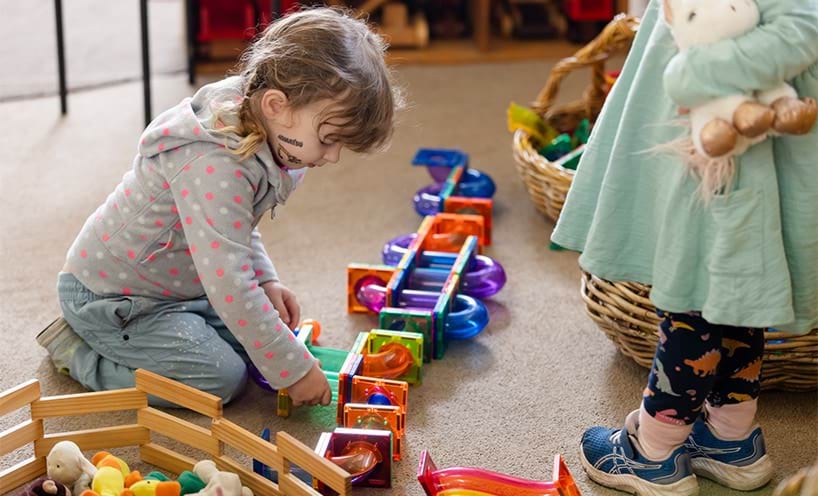
The Victorian Government is investing $1.9 million in the Toy Library Grants Program. This 4-year program will establish 8 toy libraries and support existing toy libraries with grants of $40,000 and up to $10,000, respectively.
The program aims to:
- increase the number of toy libraries in Victoria, assisting families with cost-of-living pressures
- support parents and carers to strengthen the home learning environment
- promote the benefits of toy library membership and improved community outcomes
- improve toy library accessibility for families.
Grant applications for the 2026 program are now open.
New Toy Library Establishment Grants
Eligible organisations can apply for a grant of $40,000 to establish a toy library. Eligible organisations include:
- not-for-profit community service organisations
- Aboriginal Community Controlled Organisations
- local councils
- charities
- state government entities
- authorities or organisations that provide services to families and children in Victoria.
Existing Toy Library Grants
Existing toy libraries can apply for a grant of up to $10,000. This grant can be used to:
- renew their toy and equipment stock
- improve their membership offerings
- enhance accessibility
- pay for a limited range of one-off costs.
This grant is open to existing not-for-profit toy libraries in Victoria.
How to apply
Applications for the Existing Toy Library Grants close at 11:59 pm Monday 30 March 2026.
Applications for the New Toy Library Establishment Grants close at 11:59 pm Monday 20 April 2026. Late applications will not be accepted.
Read the Toy Library Grants Program Guidelines to review the eligibility requirements, assessment criteria, and submit an application.
Find out more
For more information, refer to Toy Library Grants Program.
For further enquiries, email toy.libraries@education.vic.gov.au
Information Sharing and Child Link update
Nominated Supervisors can now be Child Link Users.
In response to feedback from early childhood education services, Nominated Supervisors can now become Child Link Users.
All services that offer funded Three-Year-Old and Four-Year-Old Kindergarten can access Child Link.
Up to 3 Victorian Institute of Teaching-registered early childhood teachers in each service can already be Child Link Users.
There will be a phased approach to support Nominated Supervisors to gain access to Child Link. This will happen in partnership with Early Childhood Improvement Branch teams and peak bodies.
Information Sharing and Child Link training in 2026
Information Sharing and Child Link helps early childhood professionals to support the wellbeing and safety of children. Training for Information Sharing and Child Link can be completed through an eLearn or interactive webinar.
Refresher training and a new interactive webinar are now available.
To access training, create an account on the Information Sharing and MARAM Online Learning Management System.
Training includes:
- Information Sharing for Education Professionals (eLearn or interactive webinar)
- Child Link User training – for all workforces (eLearn or interactive webinar)
- Information Sharing and Child Link training (combined) – for education workforces (eLearn or webinar)
- Information Sharing and MARAM refresher (eLearn)
- Child and Family Violence Information Sharing in Practice interactive webinar (new for 2026)
- Child Link Refresher training – eLearn
- Child Link Authoriser training – eLearn.
Information Sharing strengthens collaboration and promotes early intervention and coordinated support for children. This might be particularly important during key age and stage transitions.
Find out more
For more information, refer to:
- Child Link – A Guide for Early Childhood Providers
- Information Sharing and Family Violence Reforms: Guidance and Tools
- Child Information Sharing Scheme.
For support with Nominated Supervisor access to Child Link, email: childlink@education.vic.gov.au
For support with Information Sharing and Child Link training:
- phone: 1800 549 646, Monday to Friday from 9 am to 5 pm
- email: cisandfvis@education.vic.gov.au
Staying safe and well during fire danger days and extreme heat
All early childhood education providers and services are required to prepare for, manage and respond to risks associated with heat and fire danger warnings.

The start of 2026 has seen challenging weather conditions, with bushfires devastating parts of Victoria. These events have affected many early childhood communities.
Under Education and Care Services National Law, all early childhood education providers and services are required to prepare for, manage and respond to risks associated with heat and fire danger warnings.
Services must be able to respond quickly and effectively to ensure the health, safety and wellbeing of children, staff, volunteers, visitors and contractors at the service.
For all early childhood education and care (ECEC) services:
- Providers must assess all possible risks to their services as part of their emergency management requirements. This includes the risk of bushfires and grassfires.
- Services that have been assessed as higher on the Bushfire At-Risk Register (BARR) or grassfire (Category 4) because of their location will have additional requirements imposed as conditions on the service approval. Failing to comply may lead to enforcement action.
- Services on the BARR or Category 4 must close pre-emptively on days that have been declared Catastrophic in their Fire Weather District.
- It is important that you keep families up to date and informed of your actions relating to extreme heat, bushfire and other emergencies.
For family day care (FDC) services:
- Many residences and venues are located in areas identified as high fire danger risk, and/or grassfire risk. Approved providers must keep an accurate register of FDC residences and venues located in areas identified as bushfire and/or grassfire risk.
- Approved providers must ensure that their service and FDC residences and venues meet the conditions placed on the service approval relating to bushfire risks.
Safety advice for heatwaves
Extreme heatwaves can be dangerous for everyone. Severe heatwaves can be dangerous for many people, especially children, babies, older people, pregnant and breastfeeding women, people with medical conditions and people who are unwell.
To stay safe during heatwaves:
- use fans or air-conditioners to keep cool, where available
- stay hydrated by drinking water regularly, stay cool indoors, check in on staff and children under your care and reschedule activities where possible.
Accessing emergency information and support
Services are reminded to connect to official sources of emergency information, including:
- the Vic Emergency app (available for download)
- the Vic Emergency site, a centralised website for Victorians to find emergency information and warnings
- local emergency broadcasters such as ABC local radio, commercial and select community radio stations, or SkyNews TV
- the Vic Emergency Hotline on 1800 226 226
- the Better Health website for heat-related health advice.
There are supports available for communities that have been impacted by fire.
You can contact the Emergency Recovery Hotline on 1800 560 760 from 9 am to 5 pm every day for information about community and state-wide recovery programs that may be available after a major disaster.
Providers are required to notify the Victorian Early Childhood Regulatory Authority (VECRA) of incidents and closures. Visit the VECRA website for more information. Early childhood closures will be published on the Department of Education's website.
Please prioritise your safety and wellbeing and look out for one another.
Preparing for Pre-Prep
Video case studies to help services get ready to deliver Pre-Prep.
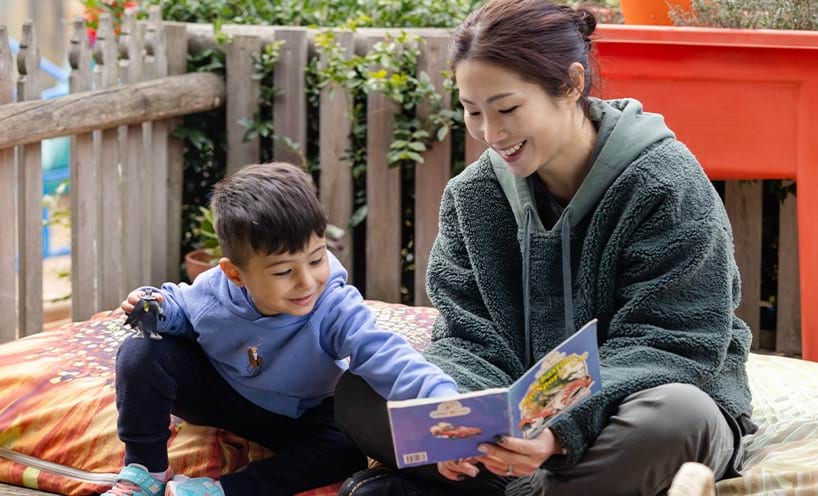
In 2025, Pre-Prep rolled out across 37 services in 6 regional local government areas (LGAs).
This year children from a further 12 LGAs are eligible for between 16 to 20 hours of Pre-Prep. Children from priority groups will also have access to 16 to 25 hours of Pre-Prep, no matter where they live. This will increase to 16 to 30 hours from 2028.
Priority groups eligible for 2026 access are:
- children who identify as Aboriginal or Torres Strait Islander
- children from a refugee or asylum seeker background
- children who have had contact with Child Protection or are in out of home care
- children who were supported by Early Start Kindergarten or the Access to Early Learning program for Three-Year-Old Kindergarten.
Video case studies are available to support services through change. They share practical insights into program redesign and workforce planning.
The videos support services at different stages of readiness. They highlight what has worked, common challenges, and lessons learnt.
Insights from Mentone Pre-School
Mentone Pre-School is a single-room service run by a Committee of Management. In the video Mentone Pre-School: Preparing for 2026, key stakeholders reflect on how they redesigned their program. This was part of their preparation to deliver additional hours of funded kindergarten from 2026.
Insights from Ararat Early Learning Centre
Ararat Early Learning Centre (ELC) was one of the first services to introduce Pre-Prep in 2025. They have shared useful insights about how they have grown and supported their workforce to implement additional hours of funded kindergarten in the Building a Local Workforce video.
Operating in a regional location, the service uses ‘home-grown’ strategies combined with department support to make sure they have the staff to deliver a high-quality Pre-Prep program.
Further resources to support with Pre-Prep implementation
- Best Start, Best Life Information for professionals – toolkits, policies and resources to support the Best Start, Best Life reforms.
- Kindergarten Sector Guide – key information about early childhood education in Victoria.
- Get ready for the new kindergarten year – December 2025 Early Childhood Update article with further resources.
- Pre-Prep roll-out schedule – find out when your LGA is rolling out Pre-Prep, and about early access for priority groups.
- Career supports – key information about the department’s support for early childhood teachers and educators, including financial support to upskill.
Find out more
For tailored support and local knowledge, contact your Early Childhood Improvement Branch.
Supporting services to create an inclusive environment
Resources are available to help teachers and educators at your service support children with additional needs.
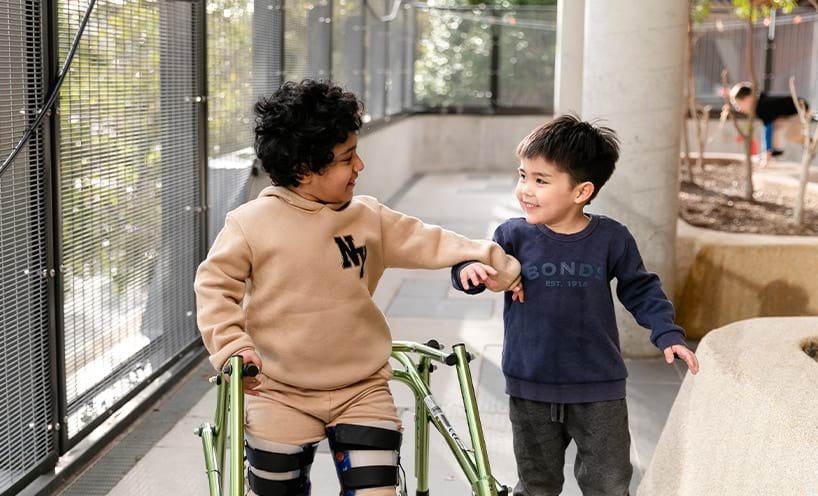
Inclusive services make children and families feel safe, welcome and included from the start. Valuing diversity is reflected in policies, environments and everyday practices.
A new Introduction to Disability Inclusion course is now available on the Early Childhood Hub. The course is aimed at supporting services to identify and address barriers to inclusion early.
This 45-minute course is for all early childhood workers in funded kindergarten programs.
It provides practical strategies to support access and participation. It supports services to meet their responsibilities under the Disability Discrimination Act and the Disability Standards for Education. The course includes guidance on support programs and resources.
Teachers and educators who want to strengthen their practice can also access the ACECQA Inclusion in Practice eLearning course. This is aligned with the National Quality Framework.
Services are encouraged to consider whether they might benefit from further support, including:
- the Preschool Field Officer program
- Kindergarten Inclusion Support
- the KIS Specialist Equipment Program.
Disability inclusion research
The department continues to research and explore ways to support children with additional needs.
We will conduct the second Disability Inclusion Needs Survey in the first half of this year. The findings will help us to better understand the support required by children with additional needs.
We will invite selected services to take part to reflect the diverse range of kindergarten settings across Victoria. Services will receive the invitation by email in the coming month. Participating services will get support to complete the survey, including casual relief teacher funding and guidance from experienced consultants.
The findings will inform policy and service improvements. They will also help ensure children with additional needs are well supported to take part in kindergarten programs.
For more information about the Disability Inclusion Research in Kindergartens project, refer to: Disability Inclusion Research in Kindergartens.
For further enquiries about the project or survey, contact the Inclusion Policy and Reform team by email: ec.inclusion.research@education.vic.gov.au
Find out more
For more information about inclusion in kindergarten, refer to: Children with additional needs in early childhood.
For further enquiries about supports available, contact the Inclusive Programs Team by email: kindergarten.inclusion.support@education.vic.gov.au
Complying with Australia’s Foreign Relations Act
Early childhood services interested in forming new foreign arrangements in 2026, or varying existing ones, must contact the department by 13 March 2026.

The department is seeking expressions of interest from all school and school-council run early childhood education and care (ECEC) services that intend to form a new or vary an existing foreign arrangement in 2026.
This is in line with Australia’s foreign policy objectives under the Australia’s Foreign Relations (State and Territory Arrangements) Act 2020.
Under the Act, these services must submit their proposed arrangements or variations to the Australian Government Department of Foreign Affairs and Trade. This is done through the Department of Education.
To do this, please contact the department’s Stakeholder Engagement team before negotiating or entering into arrangements with foreign entities.
This ensures arrangements between state and territory government departments and international counterparts are aligned to Australia’s foreign policy objectives.
Arrangements that need approval
The legislation extends to any written arrangements, agreements or contracts between school and school-council run ECEC services, and foreign entities. This includes overseas governments, universities, and other schools.
Common examples of such foreign arrangements include:
- partnerships with foreign ECEC providers or services
- agreements
- written arrangements
- contracts
- memoranda of understanding (MoU)
- teacher exchange programs.
Arrangements may be in any form, and do not need to be signed or legally binding to fall within the scope of the Act.
How to submit an expression of interest
The department’s expression of interest process for new or existing foreign arrangements happens twice a year ‒ in Term 1, and in June.
If you are considering varying or entering a new foreign arrangement between now and June 2026, please contact the department by Friday 13 March 2026 with a:
Please send these to the department’s Stakeholder Engagement team by email: ied.stakeholder.engagement@education.vic.gov.au
Find out more
For further enquiries, contact the department by email: ied.stakeholder.engagement@education.vic.gov.au
Empowering educational leaders
How the Victorian Educational Leadership Program helped Laura Pearce build her skills. Registrations for the Term 2 program close 22 February 2026.

Laura Pearce is an early childhood teacher at Robina Scott Kindergarten in Williamstown. Always keen to learn, she saw the Victorian Educational Leadership Program (VELP) as a great way to build her skills.
‘VELP gave me the opportunity to connect with other leaders in diverse services and learn about the varied ways to approach leading in early childhood,’ Laura said.
‘Leadership can be isolating, as you are very busy and often focused on your work and your service.’
About the program
VELP includes 2 micro-credential course options for all educational leaders in Victorian government-funded kindergarten services.
The free courses support educational leaders to:
- strengthen leadership skills and facilitate team teaching
- understand, identify, drive and implement quality practice
- use data and evidence to support practice change
- understand and implement strategies to support children’s continuity of early learning.
Gaining skills and knowledge
The program had a positive impact on Laura’s approach to leadership.
‘My learning during the course helped me to identify my leadership styles as well as the need to be flexible and adaptive to the needs of each staff member and family,’ she said.
Since completing the course, Laura has started an action research project at her service. Each group now completes an annual project for their classroom. The projects identify the interests and learning needs of the children, staff and families in their community.
‘Through these I’ve observed greater collaboration, tailored approaches and increased intentional teaching opportunities,’ Laura said.
Laura plans on focusing on her relational leadership approaches this year.
‘I’m aiming to spend more time with each group to develop greater understanding of what each teaching team needs to grow and flourish,’ she said.
Valuable opportunity
Laura encourages anybody thinking of taking part in the program to ‘go for it’.
‘Plan carefully for how you will participate during the 10 weeks. Ensure you allocate time to do the readings and work,’ she said.
‘It can be a lot to add to your already busy schedule. However, if you can commit, you can get a lot out of it.’
Each VELP course is delivered online and takes 50 hours to complete over 10 weeks. Educational leaders will only complete one of the 2 courses.
Find out more
For more information or to express interest in the program, refer to Victorian Educational Leadership Program(opens in a new window). Expressions of interest for the Term 2 program close at midnight on Sunday 22 February 2026.
For further enquiries about the program, contact the VELP team by email: velp@qut.edu.au
Hosting students on placement in 2026
How Pooh Bear's House is helping to train the next generation of skilled professionals.
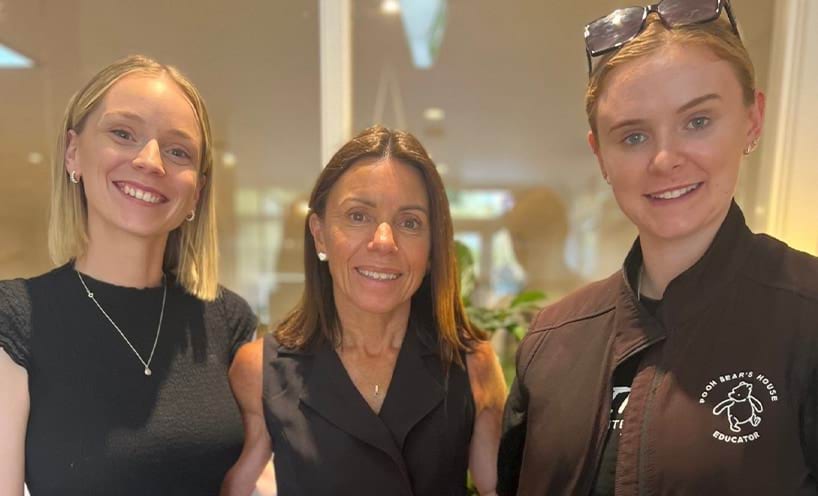
High-quality placements are an important part of pre-service training and play a critical role in growing the early childhood workforce. They give students practical, real-world experience. This helps them build confidence and develop the skills they need to work in early childhood education.
For services, hosting students is a chance to identify potential employees and support students’ development. It helps students better understand the role of a teacher or educator.
Hosting students helps create an environment of mentorship, collaboration and learning. It’s also a chance for existing staff to learn from new ideas and perspectives.
Supporting the future early childhood workforce
Pooh Bear’s House is a long day care service in Croydon North. It’s proudly rated Exceeding under the National Quality Standard.
The service hosts students on placement throughout the year. It provides mentoring, induction and promotes of best practice.
Creating positive experiences
Before starting placement, the leadership team at Pooh Bear’s House plan carefully. They know the importance of involving students in daily operations.
A mentor invites the student to the service to get to know the environment and meet the team.
On their first day, the mentor provides an induction. This includes the service philosophy, policies, child safety practices and code of conduct. Each student has a tailored learning plan in line with their course requirements.
The mentor checks in throughout the placement and offers guidance and feedback. This helps the students feel supported, valued and confident in their contributions.
Kim Russell, owner and centre director at Pooh Bear’s House, sees great benefits in hosting students. This includes the chance to identify and mentor future educators who share the service’s values.
‘When students receive support through well-defined systems and a constructive organisational culture, placements generate mutual benefits and significant professional rewards,’ Kim said.
Child safety obligations and responsibilities
A fact sheet is available to help students understand their child safety obligations and responsibilities while on placement.
Tertiary education providers provide the fact sheet to their students before they start a placement.
To access the fact sheet, refer to the Early Childhood Tertiary Partnerships program webpage.
Find out more
For more information about the range of courses available through the Department’s Early Childhood Tertiary Partnerships program, visit: Early Childhood Tertiary Partnerships program.
Building a future in early learning
How Victoria's Skilled Visa Nomination program helped Zefra Ysais grow her career in early childhood education.
When early childhood teacher Zefra Ysais moved from New South Wales to Victoria with her family in October 2022, it marked the start of a new chapter.
Zefra secured a permanent visa through the Victorian Skilled Visa Nomination program. This gave her the certainty she needed to remain in Australia and focus on her career in early childhood education.
‘Knowing I had stability with a permanent visa gave me confidence in my role as an early childhood teacher,’ Zefra said.
Following the move, Zefra began teaching kindergarten at Hollins Children’s Centre in Pakenham.
Financial support
To support her relocation from New South Wales, Zefra received financial support through the Victorian Early Childhood Teacher Incentives program. She said the program had a ‘profound impact’ on her career.
‘It provided valuable financial and emotional support during the transition, reduced the stress of relocating and helped my family settle,’ she said.
‘Programs like this make a real difference in attracting, retaining and empowering teachers, and I’m grateful to have been a recipient.’
Growing professionally
As she settled into her new role, Zefra continued to build her skills and confidence. She took part in the free Beginning Teachers Conference series hosted by the department. This offered practical guidance the chance to connect with others at a similar stage of their careers.
One of Zefra’s proudest achievements has been moving from provisional to full registration with the Victorian Institute of Teaching.
‘It was a meaningful milestone that represented all the learning, challenges and growth I experienced,’ she said
Zefra said the support from colleagues at her kindergarten service was important.
‘Their guidance, reassurance and willingness to share their expertise played a major role in helping me adapt to a new environment and develop confidence in my teaching practice,’ she said.
Find out more
The Victorian Skilled Visa Nomination program is currently accepting registrations of interest. To find out more refer to the Live in Melbourne website.
The Victorian Department of Jobs, Skills, Industry and Regions is hosting a webinar about the program at 11 am on Wednesday 25 February 2026. Register here: Skilled migration pathways for early childhood teachers
For more information about financial support to study, refer to Financial support to study and work in early childhood.