On this page
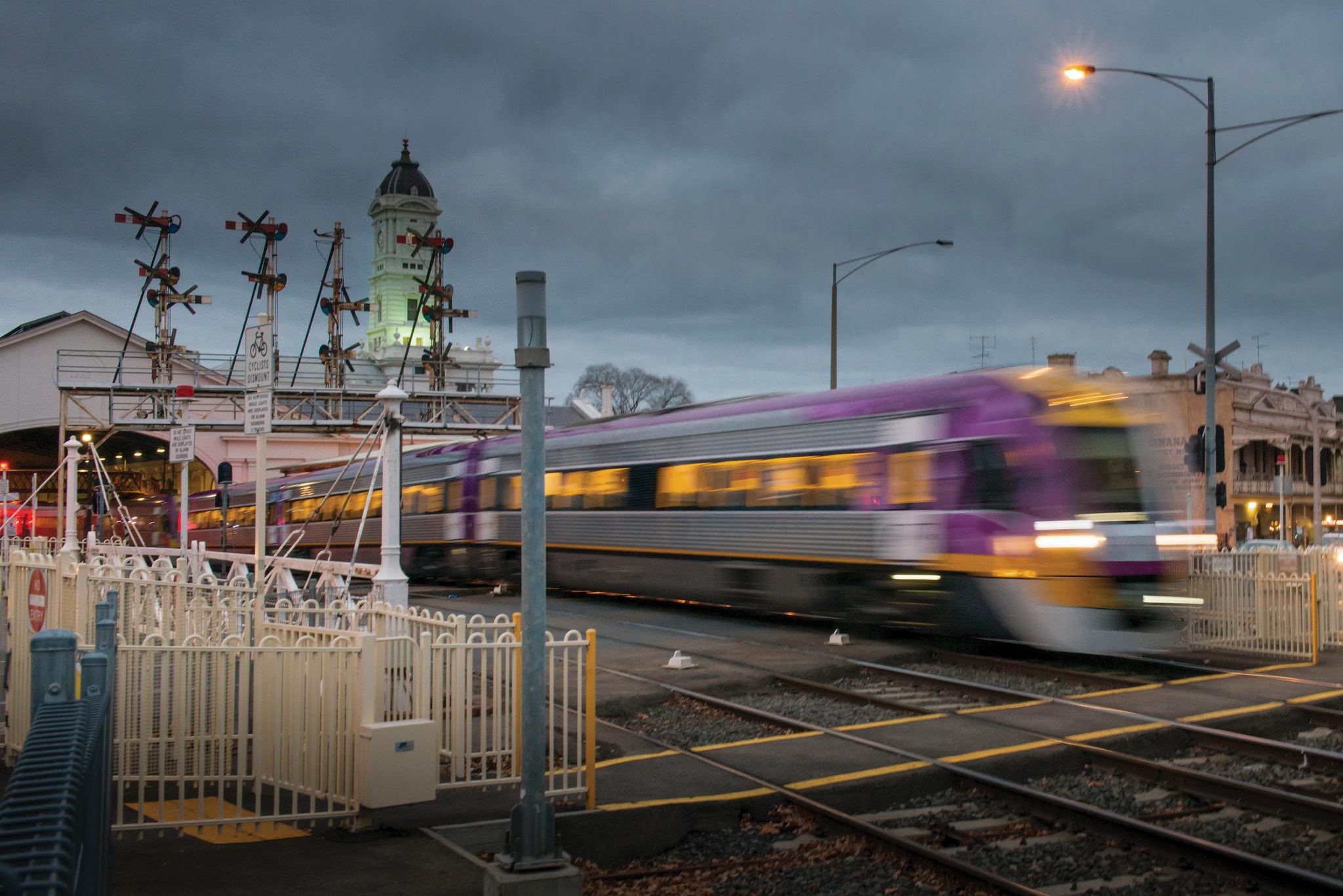
We can enhance accessibility and flexibility by integrating services, exploring diverse delivery models and improving infrastructure and support provisions and:
- Explore opportunities to bridge the gaps between the limited options currently available so it is easier for a wider range of people to use transport and access our planning, housing, building and land delivery services and systems.
- Better align available services through information coordination, tools and contractual arrangements.
- Help provide greater flexibility for people to take journeys and access systems and services when and where they wish.
Digital
Action: Include accessibility compliance when accepting new or updated products or services to the support team.
Outcome: Accessibility compliance is understood when products are transitioned to support.
Measure: Accessibility compliance is continued throughout the life of the service.
Timeframe: Ongoing.
Action: Consider accessibility when upgrading or managing a product or service.
Outcome: Decisions to upgrade or replace products or services are informed by data on the compliance of legacy systems in the register of existing digital products.
Measure: Regular review of the register of existing digital products for compliance with accessibility requirements.
Timeframe: Ongoing.
Action: Complete accessibility testing for all customer facing digital platforms and implement recommendations.
Outcome: Accessibility requirements for customer facing digital platforms are met and assured through third-party testing.
Measure: Customer facing digital platforms pass accessibility testing, with recommendations implemented.
Timeframe: Ongoing.
Transport planning and coordination
Action: Engage with people with disability through a corridor approach to tram planning to improve network accessibility.
Outcome: People with disability have equitable and dignified access to trams.
Measure: People with disability are consulted when planning for tram stop corridor accessibility upgrades.
Timeframe: Ongoing.
Action: Continue to improve connections and access between railway stations, bus and tram interchanges and stops where new services are introduced.
Outcome: People with disability benefit from continual access to public transport with greater connectivity.
Measure: Audits of connections between modes of transport are completed and monitored.
Timeframe: Ongoing.
Action: Support the consistent delivery of services to manage disruptions, including:
- Co-designing solutions with people with disability to manage significant disruptions,
- Assessing the implementation of disruption management processes, and
- Reviewing disruption management processes for future public transport contracts and ongoing service level agreements.
Outcome: Improved user experience of disruptions for people with disability.
Measure: Feedback from users with disability on disruption management experiences.
Timeframe: Year 2.
Action: Continue to deliver simple, safe and connected journeys.
Outcome: Increased user confidence through consistent departure and journey times. Easier journey planning for all users.
Measure: Repeating train departure times, for example, trains always depart at 15 past, half past, and 15 minutes to the hour (clockface departures).
Timeframe: Ongoing.
Action: Continue to coordinate bus services with rail timetable changes.
Outcome: All users experience a more seamless and well connected journey, with less wait times when interchanging.
Measure: Bus services remain coordinated with train services after rail timetable changes, with consideration given to extra bus services added where needed.
Timeframe: Ongoing.
Action: Continue to embed universal access principles in active transport planning.
Outcome: People with disability have equitable and dignified access to walking and cycling infrastructure.
Measure: Universal access principles are embedded in an upcoming active transport strategy and applied when planning for and designing walking and cycling infrastructure.
Timeframe: Ongoing.
Research, policy and implementation
Action: Support the implementation of mandatory liveable housing requirements into new residential dwellings.
Outcome: More new dwellings with minimum accessibility features to meet the needs of people with mobility requirements.
Measure: Monitoring of building permit data. Ongoing engagement with building industry practitioners and accessibility advocates to address barriers to implementation with communications and technical guidance.
Timeframe: Ongoing.
Action: Work with jurisdictions to develop a best practice and human rights led approach to manage non-compliance with the Transport Standards so that greatest barriers on the transport network are removed sooner.
Outcome: Consistent approach to prioritising removal of accessibility barriers on transport networks.
Measure: Approach to prioritising non-compliances is developed and implemented.
Timeframe: Year 2.
Action: Investigate different options to reduce platform boarding gaps at complex stations in metropolitan Melbourne.
Outcome: Agreed departmental policy position on preferred option/s to reduce platform boarding gaps at complex train stations in metropolitan Melbourne.
Measure: Report delivered on boarding gap solutions with recommendations on their suitability at different station types.
Timeframe: Year 1.
Action: Monitor progress of accessibility deliverables in major public transport operator franchise agreements.
Outcome: Drive continuous improvement in the way major public transport operators run the network that uplifts the user experience of accessibility.
Measure: Review all accessibility deliverables and report on progress, including identifying where deliverables have not been met.
Timeframe: Ongoing.
Public transport ticketing
Action: Work with the public transport ticketing system supplier to improve accessibility and usability.
Outcome: Improved user experience with the ticketing system, including for people with disability.
Measure: User testing conducted with representative sample of Victorians, considering diversity in gender, age, accessibility needs, familiarity with the public transport network, and travel habits.
Timeframe: Ongoing.
Updated