
The 2026 winners were selected from 26 finalists from the early years sector across Victoria.
The winners of the 2026 Victorian Early Years Awards were announced on Tuesday 27 October 2026, presented by the Parliamentary Secretary for Children, Nathan Lambert MP, at an awards ceremony hosted by radio broadcaster and author Jacinta Parsons.
Winners of each category receive a grant of $15,000 for professional development or to support their initiative.
Learn about all of the finalists at Finalists for 2026 VEYA | vic.gov.au
With the permission of family, the below information includes the name of an Aboriginal person who has passed.
This award recognises early childhood services or organisations helping children to take part in early learning. They support children to attend and stay engaged, especially for vulnerable families.
Winner: Family’s Voices matter, Foundation House
In partnership with Colman Education Foundation – Our Place (Northern Bay) and CALD Outreach (City of Greater Geelong)
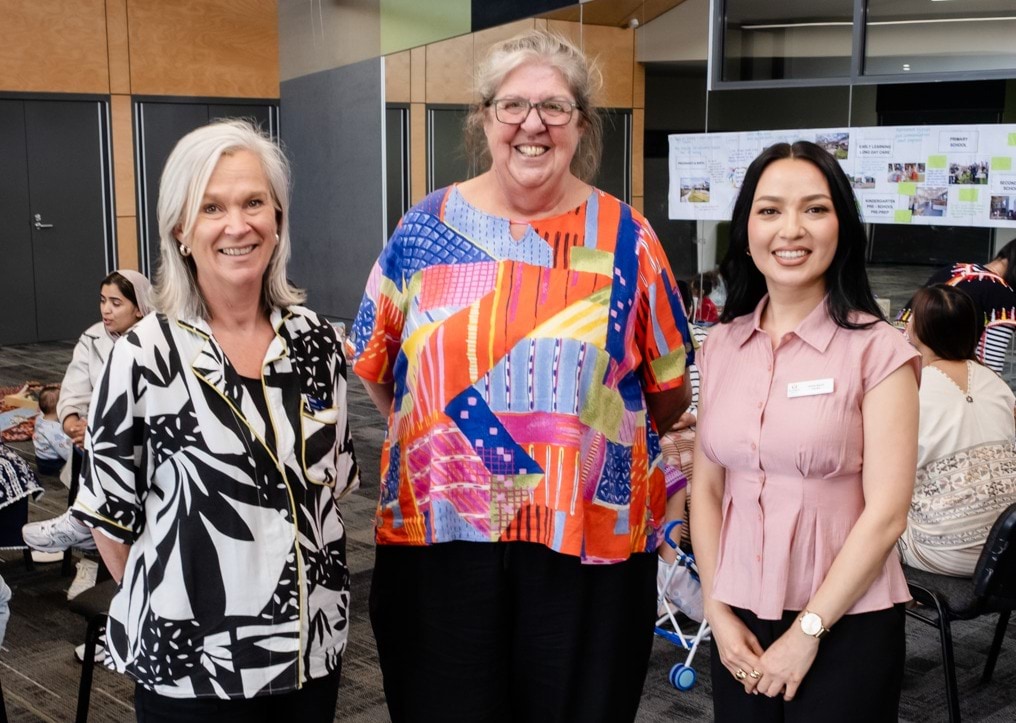
In Geelong, some families from refugee backgrounds miss out on early learning. Many have limited English or lack confidence using services. Others are unsure about enrolment, forms and where to get help. Newly arrived families face the biggest challenges.
Foundation House works with Our Place (Northern Bay) and CALD Outreach (City of Greater Geelong) to run Family's Voices Matter. The program brings families and early years services together every 2 weeks. Interpreters, childcare, lunch and a small thank you payment helps families to take part.Facilitators use a trauma-informed approach, with clear routines and time to talk openly. This helps create a safe place where people can share their experiences and ideas.
Families work with partners to identify problems and find solutions. They have created 2 important resources for early years providers. These resources help services use interpreters and make information easier to understand. They also help children move into kindergarten, playgroup and school.
Finalists
- Education and Inclusion Team, Glen Education
- Supported Playgroups, VICSEG New Futures
This award recognises early childhood services or organisations supporting families, parents and carers. They help them feel confident and capable in their parenting role. They recognise parents and carers as their child’s first and most important teachers.
Winner: Bringing Up Aboriginal Babies at Home (BUABAH), Victorian Aboriginal Child and Community Agency (VACCA)
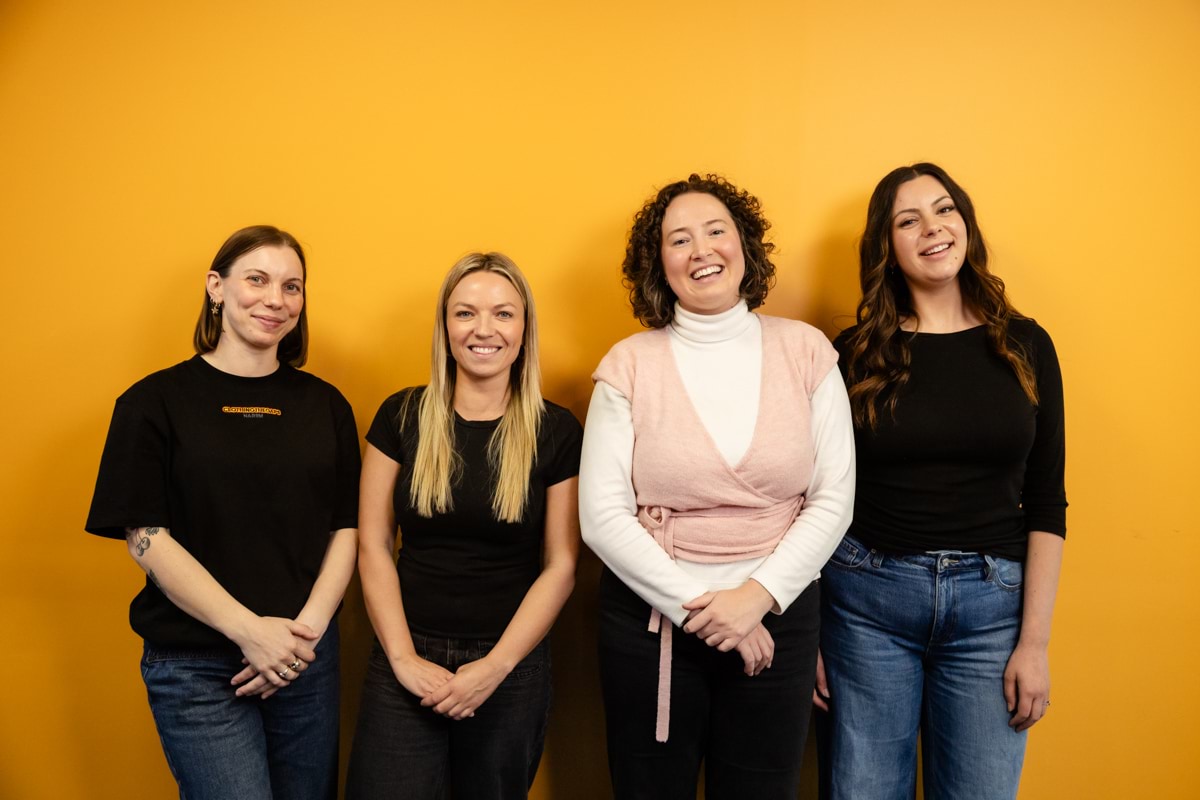
The Bringing Up Aboriginal Babies at Home (BUABAH) program helps Aboriginal families prepare for and care for their new babies. The program aims to keep babies safe so they can remain in their family home.
The BUABAH program uses Dadirri – which means deep listening. This helps to build trust between pregnant mothers and the program leaders. The program keeps families at the centre of everything.
Expectant mothers and families are supported early in the pregnancy. They work together to prepare for the birth, access help and resources. They do this in ways that help them feel culturally safe.
The University of Melbourne was involved in developing the BUABAH program. Because of its success, the program is now offered to more Aboriginal families. As every community is different, the program can look different in each area. However, the key parts stay the same. Aboriginal people lead the support. Families get help early and stay connected to culture. The program also keeps checking what works and looks for ways to improve.
The BUABAH program has been found to help Aboriginal mothers feel more connected with their community. They also report feeling more confident as parents. Most importantly, the program has led to fewer Aboriginal babies being involved in Child Protection.
Finalists
- Sing&Grow, Play Matters Australia
- Being a Parent program, VICSEG New Futures
This award recognises partnerships between early childhood services or organisations working together to improve outcomes for children and families through collaborative practice.
Winner: Road Safety Upgrades, Ada Mary A'Beckett Children's Centre
In partnership with City of Port Phillip
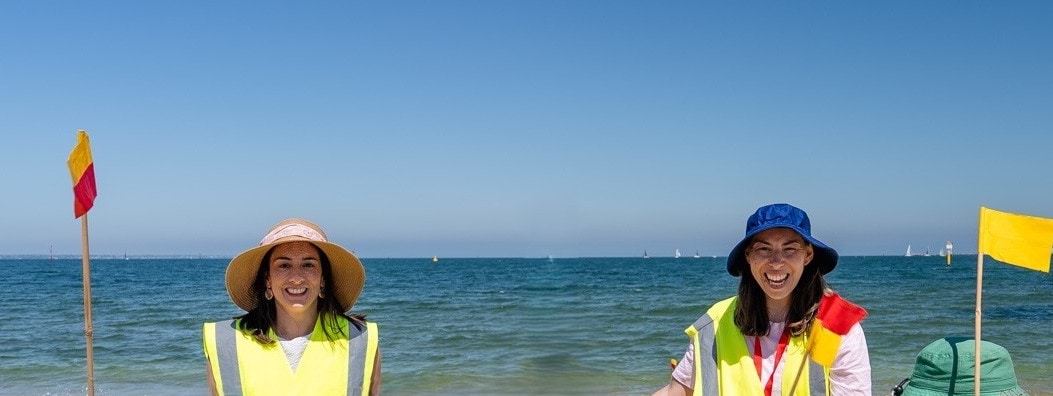
Children at Ada Mary A’Beckett Children’s Centre regularly visit the beach across the road for kindergarten. But getting there safely was a concern.
In 2024, the centre took part in the Starting Out Safely road safety inquiry project.
Children, educators and families gathered evidence together. Children explored the local area and identified risks. These included fast-moving traffic, car park hazards and a lack of safe places to cross the road. Educators mapped traffic, surveyed families and timed the walk to the beach. They then shared their findings with the City of Port Phillip Council.
Council officers walked the route with the children and listened to what they had found. The centre and council are now working together on ways to make the area safer. This includes better parking rules and plans for safer pedestrian crossings. Children have also designed their own road safety signs.
The project gives children a real say in decisions about their community. It also shows them that their ideas and research can help bring about change.
Finalists
- Early Years Road Safety Play Program, GippSport
- In partnership with Wellington Shire Council.
- Koorie Kids Playgroup, Keon Park Children’s Hub
- In partnership with Victorian Aboriginal Child and Community Agency and City of Darebin.
- Early Years Road Safety Play Program, GippSport
This award recognises one or more early childhood services and/or organisations that are taking action to improve health and wellbeing outcomes for young children.
Winner: Pop-Up Playgroups, Baw Baw Shire Council
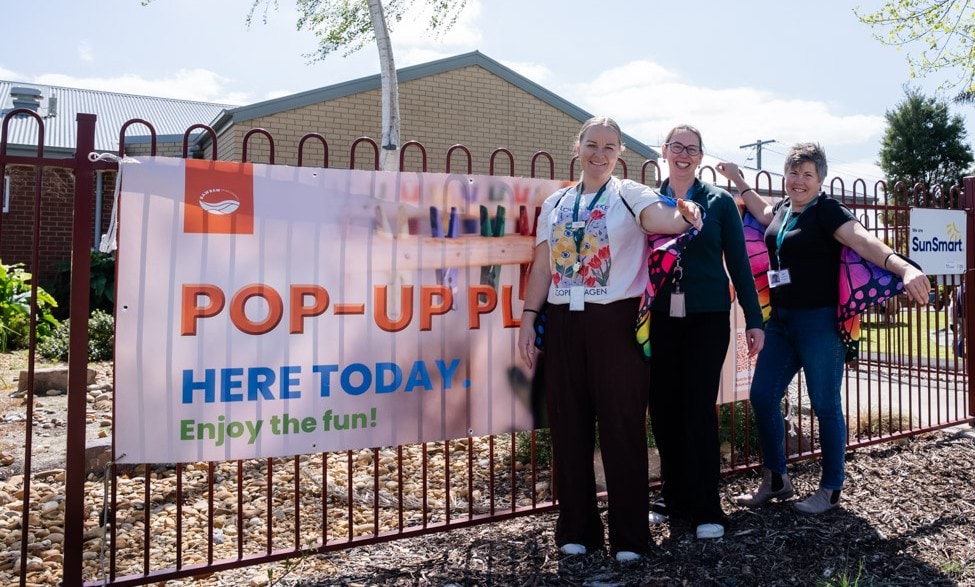
Pop-up Playgroups help families with young children connect, play and learn. The program began as a pilot in 2023 as more families moved to the area without friends or family nearby. It also helped the growing number of parents who felt isolated after the pandemic.
The free playgroups are open to children aged 5 and under and their families. The playgroups run between different towns, bringing activities closer to where families live. Sessions run every 2 weeks on different days. There is no registration or ongoing commitment needed. This makes it easier for families to join when it suits them.
Children learn through play while families meet other people and build friendships. The program works with libraries, sports groups, kindergartens, and health and emergency services. Families can learn about local support and get help when they need it.
Bringing playgroups to different towns makes them easy to join. Up to 100 people now attend some sessions. The council listens to families and uses what it learns to improve the program. Families say the program makes helps them feel part of their local community.
Finalists
- BiraBira Early Learning Centre
- Positive Kick program, One Ball
This award recognises early childhood services, primary schools or organisations working together. Their partnership supports children to successfully move between early learning settings and school.
Winner: Keysborough Primary Kindergarten
In partnership with Keysborough Primary School
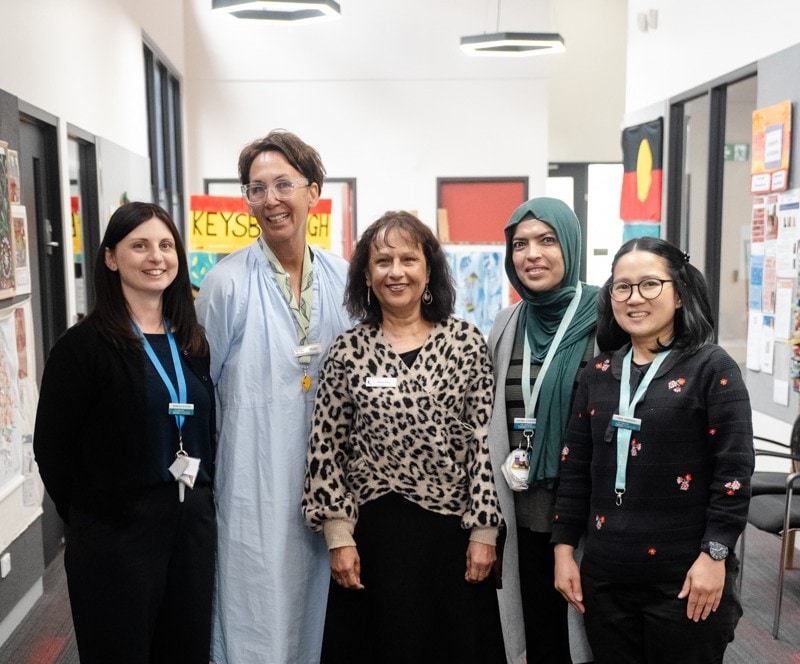
Starting school is a big change for young children. Keysborough Primary Kindergarten and Keysborough Primary School are working together to make the move easier.
Children from the kindergarten visit the school, take part in events and spend time in school spaces before they start Foundation. They get to know the people, places and routines of school life. This helps children feel comfortable, confident and part of the school community.
Kindergarten and school staff plan together, share ideas and take part in training. They learn about how each setting works and share what they know. This helps both teams use the strengths of kindergarten and school to support children.
Staff also work together to recognise when a child may need extra help. They can respond early and make sure each child’s needs and strengths are considered. Families also get a clearer picture of what to expect when their child starts school.
The partnership helps children and families feel ready for the move to school. It also helps keep children’s learning and wellbeing on track as they make the change.
Finalists
- Northern Schools Early Wellbeing Program, Northern Schools Early Years Cluster
- In partnership with Dallas Brooks Community Primary School, Coolaroo South Primary School, Bell Vue Park Primary School, Glenroy Central Primary School, Roxburgh Park Primary School, Bethal Primary School and Meadows Primary School
- Northern Schools Early Wellbeing Program, Northern Schools Early Years Cluster
This award recognises an early childhood teacher who uses evidence to improve their practice and try new approaches. They lead and deliver high-quality, learning programs that support improved learning and development outcomes for children.
Winner: Diah Hastuti, Dill-be-din Kindergarten
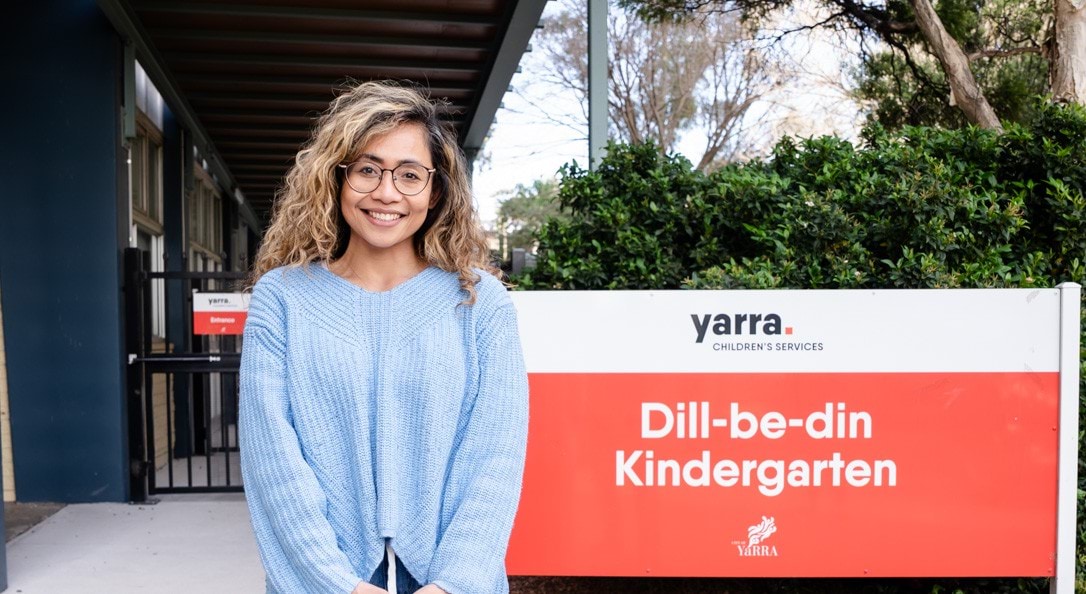
Diah Hastuti works in a vulnerable community in Fitzroy. She has created a nurturing environment where children feel safe and empowered.
At Dill-be-din Kindergarten, Diah noticed 2 things that were making it harder for children to enjoy kindergarten. Some children were not coming to kindergarten often. Others felt upset saying goodbye to their families. This was especially hard for children who communicated without spoken words and children who were deaf or hard of hearing.
Diah changed the way she supported children and their families so they felt safe, understood and included.
She learned some basic Arabic so she could talk with families in their language and learn more about their culture. She also used words in Arabic, Oromo and Amharic in children’s learning displays. Diah introduced simple sign language to help everyone communicate.
She used interpreters when families needed them and regularly checked in to see how families and children were feeling. These changes helped children and families feel listened to, respected and welcomed. They also helped everyone feel safer and more connected at kindergarten.
Because of these changes, more children came to kindergarten regularly, with attendance increasing from 50% to 80%. Families became more involved. Children were able to manage their feelings better, and more children used sign language and gestures to communicate.
Finalists
- Connie Aldamiz, Shine Bright Millewa Kindergarten
- Carly Martin, Kinglake Ranges Childrens Centre
This award recognises an educator who uses evidence to improve their practice and try new approaches. They lead and deliver high-quality, learning programs that support improved learning and development outcomes for children.
Winner: Cerri May, Gowrie at The Harbour
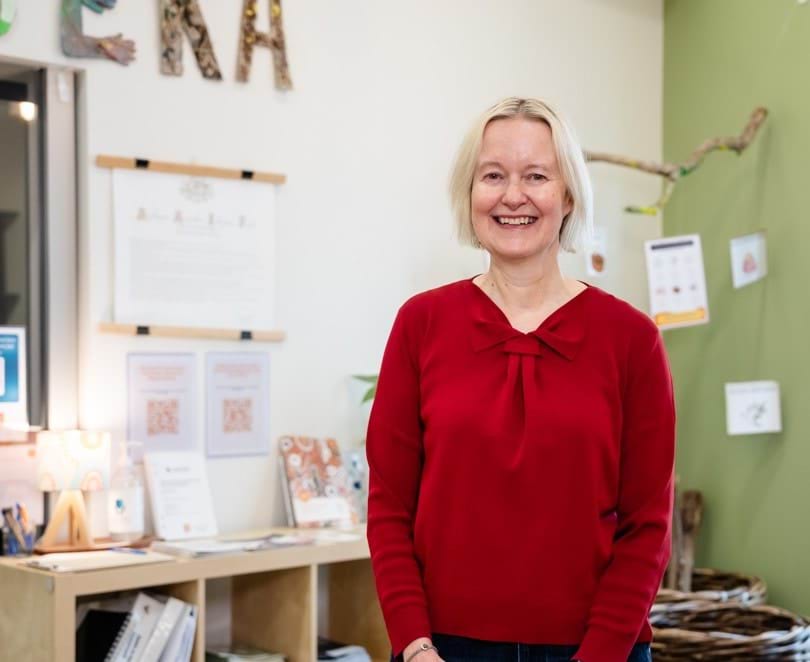
Cerri May brings more than 40 years of experience to her role at Gowrie at The Harbour. She believes children are capable and curious learners from birth. She knows they learn best in caring and inclusive environments.
Cerri plans engaging experiences that help children explore, work together and make choices. She reflects on her teaching and uses this to improve learning for every child. She gives children open-ended activities where they can create, experiment and enjoy messy play. This creates lots of opportunities for children to express themselves and take part.
Cerri builds strong partnerships with families and professionals. This helps her to understand and support each child’s strengths and needs. She adapts learning using tools such has braille and sound. This helps children to learning how to manage their emotions and develop empathy.
Cerri takes pride in professional development. She is skilled in coaching, trauma-informed practice and sensory systems. She works to strengthen the practice and growth of educators and visiting students. Cerri uses mentoring, coaching and workshops to share her experience.
Finalists
- Krystal Blyth, Melton World of Learning
- Julie-Anne Joyce, Coburg Children’s Centre
This award recognises an educational leader, early childhood service, or an approved provider. They have led their educators and teachers to significantly improve the quality of their learning and teaching practices. They focus on intentional teaching practices to improve outcomes for Victorian children and their families.
Winner: Debbie Roper, Gowrie Victoria
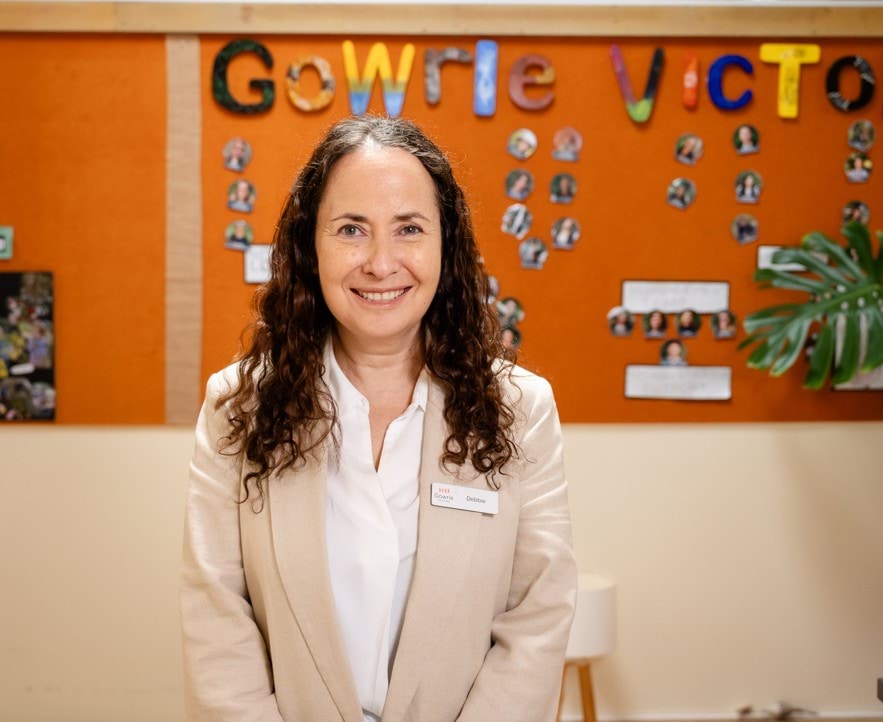
Debbie Roper is Head of Curriculum and Practice and a pedagogical leader supporting all Gowrie Victoria services. Using her Master of Learning Intervention and current research, she helps educators improve their teaching practice. Debbie turns research into practical strategies that support children’s learning, development and wellbeing and strengthens teaching.
Educators raised concerns about supporting children’s behaviour. In response, Debbie developed a range of professional learning opportunities to build educators’ skills and confidence. With a Department of Education Innovation Grant for workforce retention, she partnered with Professor Cathrine Neilsen-Hewett. They delivered workshops to educators on Catherine’s 6R Framework. This is a tool that helps educators to understand that behaviour is a way for children to communicate their needs and learn how to respond in more supportive ways. E-learning modules were also created to support this work so more educators could access it.
Debbie created and led the Gowrie educational leader network. She created communities of practice where they could share learnings and improve teaching. More than 70% of participants reported high confidence in supporting behaviour and inclusion.
This approach is now embedded across the organisation. It is helping educators use a shared language and create calmer, more positive relationships with children.
Finalists
- Rebecca Waingold, The Merrell Kindergarten
- Yarrawonga Preschool
This award recognises one or more early childhood service/s that are demonstrating holistic service provision that engages Aboriginal children and families. The service builds Aboriginal perspectives and amplifies the voices and experiences of Koorie families and local community members through partnerships that enable self-determination.
Winner: Lake Tyers Early Learning Centre and Kindergarten
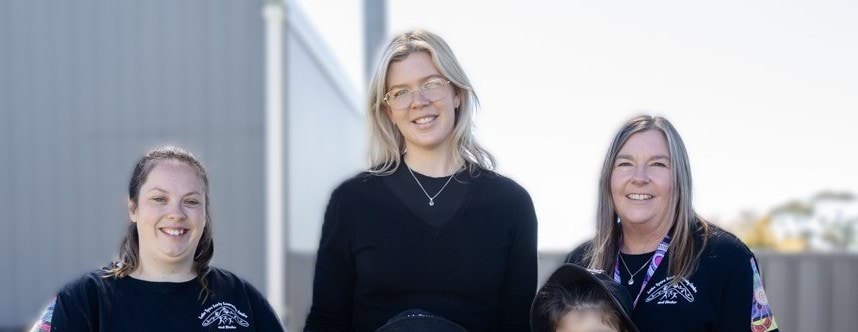
Lake Tyers Early Learning Centre and Kindergarten provides kindergarten and childcare on the Lake Tyers Aboriginal Trust. It mainly supports Aboriginal children and families. The service is built on strong relationships and culturally respectful practice.
Aboriginal perspectives are embedded into everyday learning. Children learn on Country and take part in family-led learning and activities. Staff seek advice from the local cultural authority and families to support their practice.
They provide a daily bus service to support children to attend. These regular trips also give educators opportunities to connect with families. This helps them to build trust and better understand each child's needs.
Staff provide further support by helping families with paperwork, referrals and school enrolments. They also adapt meetings and ways of communicating to suit family needs. Through strong partnerships, and ongoing professional learning, the service is providing education that suits the local area, respects different cultures, and supports the community’s different needs.
The service creates a welcoming environment where children and families feel included. Families help to develop cultural safety plans to reflect their individual experiences.
Finalists
- 54 reasons Kindergarten Mooroopna
- Murray Valley Aboriginal Co-operative Early Learning Centre
The Minister’s Award is a special commendation that has been selected from the pool of finalists across all nine categories and selected by the Minister of Early Childhood.
Winner: Julie-Anne Joyce, Coburg Children’s Centre
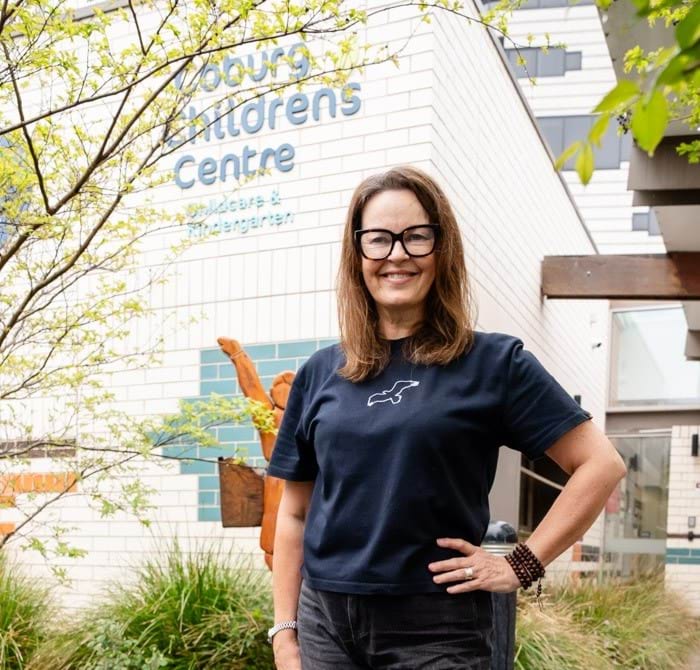
Julie-Anne Joyce has worked at Coburg Children’s Centre for more than 18 years. She has helped make the kindergarten a better place by including everyone, trying new ideas and supporting the needs of others. As a proud Deaf educator, she makes Auslan and Deaf culture part of everyday learning.
Children use Auslan during songs, stories, play time and meals. They learn that communication includes gestures, movement and sounds - not spoken words alone. This helps them develop empathy, communication skills and a respect for difference.
In 2019, Julie-Anne became the kindergarten's Learn Languages program teacher. The program is funded by the Department of Education's Early Childhood Language program. Julie-Anne teaches Auslan to children in both sessional and long day care. Beyond this, she also continues to work as an educator across the service.
Julie-Anne's practice is based on latest evidence. She works closely with families and other educators to help children feel welcome, included and supported. Her ideas have helped make early childhood education better for children and their families.
Updated